

The pursuit of pristine audio quality is a cornerstone of professional voiceover work, and at the heart of any robust home studio lies the audio interface. This crucial piece of hardware acts as the bridge between the analog world of microphones and the digital realm of recording software, dictating the fidelity and character of every recorded sound. As the industry evolves and technology advances, voiceover artists face an ever-expanding array of options, making the selection process a critical, and sometimes daunting, undertaking. This in-depth analysis aims to demystify the choices, providing a detailed overview of what to consider, and spotlighting several prominent contenders in the market.
The landscape of audio interfaces is often influenced by peer recommendations and popular opinion. While seeking advice from experienced professionals is invaluable, it is essential to approach such guidance with a discerning eye. The passion for one’s chosen equipment can sometimes overshadow objective assessment, leading to a potentially biased recommendation. Understanding the underlying technology and aligning it with individual needs is paramount to avoid acquiring hardware that, while esteemed, may not be the optimal fit for a specific workflow or budget. This article delves into the functional aspects of audio interfaces, explores their impact on voiceover production, and offers a comparative look at several key models.
Understanding the Role of an Audio Interface
At its core, an audio interface is a digital-to-analog and analog-to-digital converter. It takes the analog signal from a microphone (or other audio sources) and converts it into a digital format that a computer can process and record. Conversely, it converts digital audio from the computer back into an analog signal for playback through speakers or headphones. The quality of these conversion processes, along with the preamplifiers that boost the microphone signal, directly impacts the clarity, detail, and overall sonic character of a voiceover recording.
For voiceover artists, the primary function of an audio interface is to capture the nuances of the human voice with accuracy and minimal noise. This involves providing clean, transparent amplification for microphones, often requiring phantom power for condenser microphones, and offering sufficient headroom to handle dynamic vocal performances without distortion. The interface also manages the routing of audio signals, allowing for efficient monitoring of one’s performance and seamless integration with Digital Audio Workstations (DAWs) and other studio peripherals.
Key Considerations When Choosing an Audio Interface
The selection of an audio interface should be a deliberate process, driven by a clear understanding of current and future requirements. Several factors merit careful consideration:
- Input and Output Needs: The number of microphones or other instruments that need to be connected simultaneously will dictate the number of inputs required. For most solo voiceover artists, two inputs are typically sufficient, allowing for a primary microphone and perhaps a secondary source or backup. The number of outputs determines how many pairs of speakers or headphone mixes can be connected.
- Connectivity Type: Audio interfaces connect to computers via various protocols, each with its own characteristics:
- USB: The most common and widely compatible connection, suitable for most users. USB 2.0 offers adequate bandwidth for basic recording, while USB 3.0 and later provide higher data transfer rates for more demanding applications.
- Thunderbolt: Known for its high bandwidth and low latency, Thunderbolt is favored by professionals requiring complex setups and real-time processing. However, it requires a compatible Thunderbolt port on the computer.
- FireWire: Once a popular choice for its speed, FireWire has largely been superseded by USB and Thunderbolt.
- Ethernet: Less common for consumer-level interfaces, Ethernet connectivity is typically found in higher-end networked audio devices.
- Preamplifier Quality: The preamplifiers within an audio interface are responsible for amplifying the weak signal from a microphone to a usable level. Higher-quality preamplifiers offer lower noise floors, greater transparency, and a more pleasing sonic character, contributing significantly to the overall audio quality.
- Digital-to-Analog (DAC) and Analog-to-Digital (ADC) Conversion: The converters are responsible for translating analog audio to digital and vice versa. Superior converters provide more accurate and detailed audio reproduction, minimizing artifacts and preserving the integrity of the original sound.
- Latency: Latency refers to the delay between when an audio signal is captured and when it is heard. Low latency is crucial for real-time monitoring during recording and for interactive applications like remote collaboration. Thunderbolt interfaces generally offer the lowest latency, followed by high-speed USB connections.
- Software Bundles and Control Interfaces: Many interfaces come bundled with entry-level DAWs, plugins, and virtual instruments. The accompanying control software (often referred to as a "mixer" or "control panel") is equally important, offering features for routing, monitoring, and sometimes even onboard effects processing. An intuitive and flexible software interface can greatly enhance workflow efficiency.
- Build Quality and Portability: For those who may need to record on the go or in different locations, the build quality and form factor of the interface are important considerations. Robust construction ensures durability, while compact designs facilitate portability.
- Budget: Audio interfaces span a wide range of price points, from budget-friendly options to high-end professional units. It is essential to establish a realistic budget and seek the best possible performance within that constraint.
A Comparative Overview of Popular Audio Interfaces
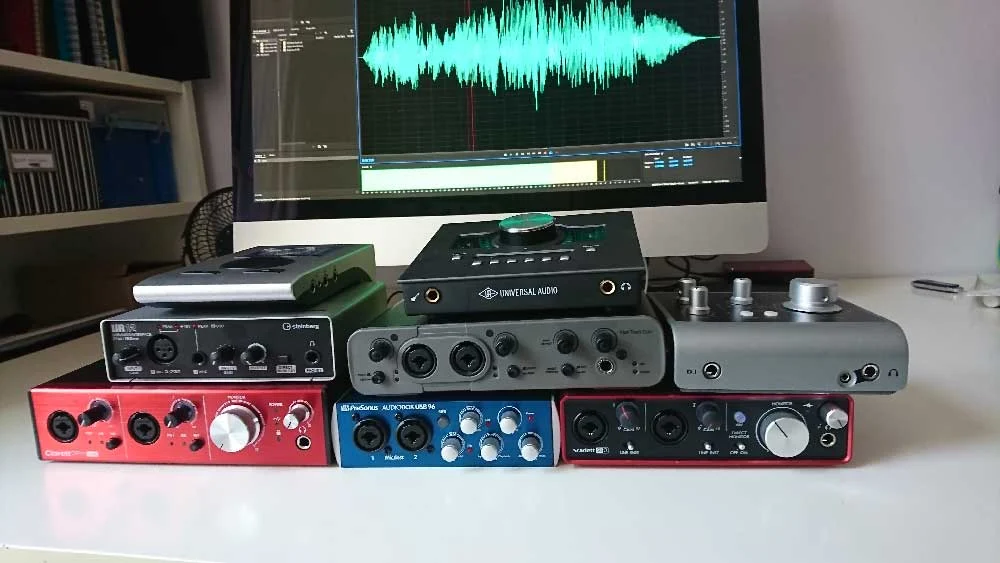
To illustrate the diversity and capabilities of audio interfaces, we examine several prominent models, considering their features, performance, and typical use cases within the voiceover industry. For each, a brief audio sample, recorded using a Sennheiser MK4 microphone directly into the interface, is provided to allow for direct sonic comparison.
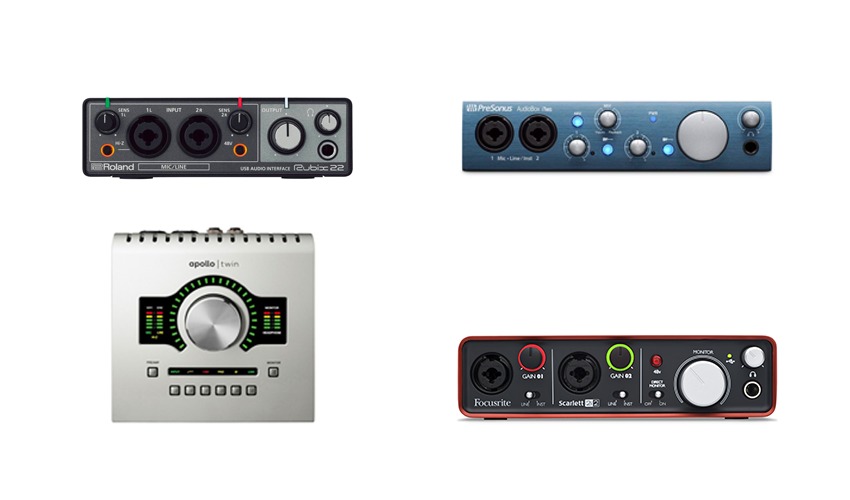
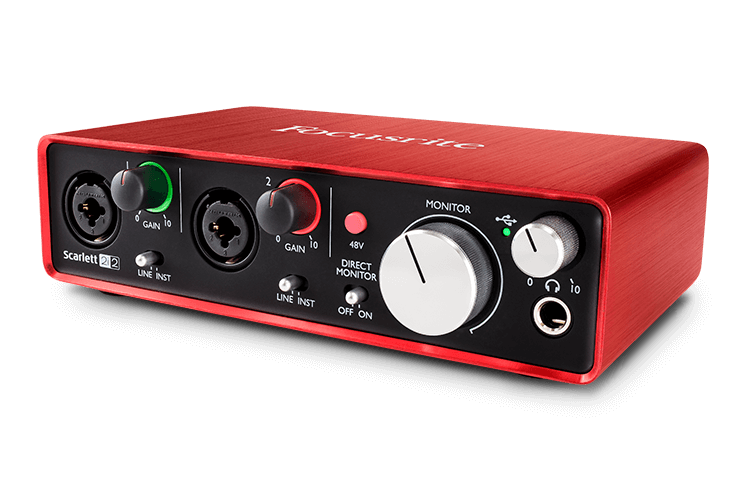
1. Focusrite Scarlett 2i2
- Price Range: Approximately £115 – $146 USD
- Connectivity: USB
- Inputs/Outputs: 2 Combi-XLR/Jack inputs, 2 Line outputs
- Key Features: Renowned for its ease of use and reliability, the Scarlett 2i2 is a popular entry-level to mid-range option. It offers clean preamplifiers, a robust metal chassis, and a straightforward control interface. Higher-end Scarlett models (6i6 and above) introduce more advanced routing capabilities via the MixControl software. The inclusion of bundled software, such as Pro Tools First and various plugins, adds value for beginners.
- Analysis: The 2i2 is an excellent choice for voiceover artists starting their journey or those seeking a dependable secondary interface. Its simplicity ensures a minimal learning curve, allowing focus to remain on vocal performance. The sound quality is generally transparent and well-suited for a wide range of voiceover applications.
2. Universal Audio Apollo Twin
- Price Range: Approximately £699 – $899 USD
- Connectivity: Thunderbolt (USB version also available)
- Inputs/Outputs: 2 Unison-enabled mic/line inputs, 4 Assignable outputs
- Key Features: The Apollo Twin is a professional-grade interface celebrated for its exceptional audio quality, UAD plug-in processing capabilities, and intuitive Console software. Its Unison preamps allow for hardware emulation of classic analog gear, offering a distinct sonic character. The ability to save and recall session presets is invaluable for managing diverse voiceover projects. It is a preferred choice for many established voiceover professionals.
- Analysis: For those prioritizing premium sound quality and advanced features, the Apollo Twin represents a significant investment that often pays dividends. The UAD plugins, particularly those emulating vintage compressors and EQs, can imbue vocal recordings with a polished, professional sheen. The low latency and powerful processing make it ideal for demanding workflows.
3. Audient iD4
- Price Range: Approximately £105 – $199 USD
- Connectivity: USB
- Inputs/Outputs: 1 XLR mic input, 1 Instrument/Line input, 2 Line outputs
- Key Features: The iD4 is a compact and user-friendly interface that punches above its weight in terms of audio quality. It features Audient’s renowned Class A console preamplifiers and a unique "Scroll Control" feature that allows users to control DAW parameters and virtual instrument software with the physical encoder. While it offers fewer inputs than some competitors, its focus is on delivering pristine sound for single-source recording.
- Analysis: The iD4 is a strong contender for solo voiceover artists seeking exceptional audio fidelity at an accessible price point. Its robust build and high-quality components make it a durable and reliable choice. The "Scroll Control" functionality can streamline certain workflow aspects.
4. Avid Fast Track Duo (Discontinued)
- Price Range (Original): Approximately £145 – $220 USD
- Connectivity: USB
- Inputs/Outputs: 2 Combi-XLR/Jack inputs, 2 Line outputs
- Key Features: Although now discontinued, the Avid Fast Track Duo was a capable interface bundled with Pro Tools Express. It offered solid performance for its time, with two combo inputs and essential output options. Its integration with Pro Tools was a significant selling point for users invested in the Avid ecosystem.
- Analysis: While no longer actively sold new, the Fast Track Duo represents the evolution of entry-level interfaces. Its discontinuation highlights the rapid pace of technological advancement in the audio hardware market. For users who may already own one, it remains a functional interface for basic voiceover recording, though newer models offer improved features and connectivity.
5. Focusrite Clarett 2Pre
- Price Range: Approximately £345 – $439 USD
- Connectivity: Thunderbolt (USB version available)
- Inputs/Outputs: 2 Combi-XLR/Jack inputs, 4 Line outputs
- Key Features: Positioned above the Scarlett range, the Clarett series offers enhanced performance with Focusrite’s "Air" mode, which emulates the sound of classic transformer-based microphone preamps. The Clarett 2Pre provides high-quality preamplifiers, lower latency than many USB interfaces, and expandable I/O via optical connections. Its control software offers more advanced routing options.
- Analysis: The Clarett 2Pre is a compelling option for voiceover artists who require superior audio quality and expandability beyond basic setups. The "Air" feature can add a desirable character to vocal recordings, and the Thunderbolt connectivity ensures efficient data transfer. It bridges the gap between entry-level and high-end professional interfaces.
6. PreSonus AudioBox
- Price Range: Approximately £99 – $129 USD
- Connectivity: USB
- Inputs/Outputs: 2 Combi-XLR/Jack inputs, 2 Line outputs
- Key Features: The PreSonus AudioBox is designed to be an accessible and functional audio interface, often bundled with a version of PreSonus’s Studio One DAW. It provides the essential features needed for basic recording, including two combo inputs and headphone monitoring. While not the most feature-rich, it offers reliable performance for its price point.
- Analysis: For budget-conscious voiceover artists or those needing a simple, plug-and-play solution, the AudioBox is a viable option. Its bundled software provides a complete recording package, making it an attractive starting point. The sound quality is generally adequate for many voiceover tasks, especially when paired with a quality microphone.
7. RME Babyface Pro
- Price Range: Approximately £649 – $759 USD
- Connectivity: USB
- Inputs/Outputs: 2 XLR/Jack inputs, 2 Line outputs, additional digital I/O
- Key Features: The RME Babyface Pro is a highly regarded interface known for its exceptional build quality, pristine sound, and advanced digital signal processing. Despite its compact size, it offers a comprehensive feature set, including professional-grade preamplifiers, robust driver stability, and a flexible digital mixer. Its all-digital architecture allows for precise control and configuration.
- Analysis: The Babyface Pro is a testament to precision engineering. Its transparent audio path and rock-solid performance make it a favorite among discerning audio professionals. While the mixer can initially appear complex, once configured, it offers unparalleled control over signal routing and monitoring. It is an investment in long-term reliability and superior sound.
8. Steinberg UR12
- Price Range: Approximately £79 – $99 USD
- Connectivity: USB
- Inputs/Outputs: 1 XLR input, 1 Jack input, 2 Line outputs
- Key Features: The Steinberg UR12 is an ultra-affordable interface that offers a straightforward approach to audio recording. It includes a D-PRE microphone preamplifier, known for its clean sound, and a jack input for instruments. Bundled with Cubase AI, it provides a complete starter package. A notable feature is its ability to loopback audio from a DAW to a remote client.
- Analysis: For those with the most restrictive budgets, the UR12 presents a functional entry point. Its sound quality is respectable for its price, and the inclusion of Cubase AI offers a solid foundation for learning audio production. The loopback feature can be particularly useful for remote voiceover sessions.
The Verdict: Making an Informed Decision
As this overview demonstrates, the audio interface market offers a spectrum of choices, each with its own strengths and ideal applications. While many modern interfaces deliver remarkably good audio quality, the differences often lie in the finer details of preamplifier design, conversion accuracy, latency performance, and the sophistication of accompanying software.
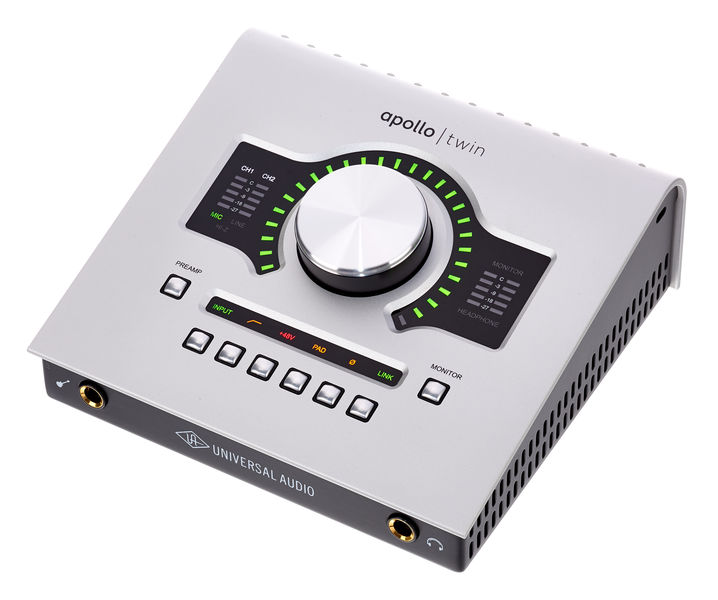
A key differentiator, particularly between lower and higher-priced models, often resides in the design of the rotary encoders. Interfaces in the lower price bracket may feature "detented" or "notched" encoders, which lack tactile feedback. This can make it challenging to precisely recall previous gain settings when re-recording pickups for a session weeks or months later. Conversely, higher-priced interfaces, such as the Universal Audio Apollo Twin, often incorporate "stepped" or "notched" encoders that provide distinct physical clicks, allowing for precise and repeatable gain staging. This level of detail is crucial for maintaining consistency across long-term projects.
Furthermore, the software support and integration offered by higher-end interfaces are typically more robust. The advanced routing capabilities, plugin integration, and overall stability of the control software can significantly enhance workflow efficiency and provide greater creative control. The Universal Audio Apollo Twin, for instance, excels in this regard, offering a powerful and intuitive control environment.
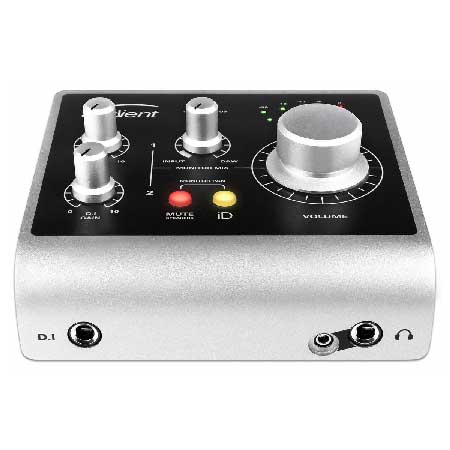
Ultimately, the "best" audio interface is subjective and depends on individual needs, budget, and technical proficiency. For beginners, a reliable and user-friendly option like the Focusrite Scarlett 2i2 or Audient iD4 provides an excellent starting point. For professionals seeking the highest fidelity and advanced features, interfaces like the Universal Audio Apollo Twin or RME Babyface Pro offer unparalleled performance. The crucial takeaway is that investing in a quality audio interface is an investment in the fundamental quality of your voiceover work. While the discerning ear of an end-client might not always detect the subtle differences between all interfaces, the enhanced clarity, control, and reliability afforded by a well-chosen unit will undoubtedly benefit the voiceover artist’s creative process and the final product.
