

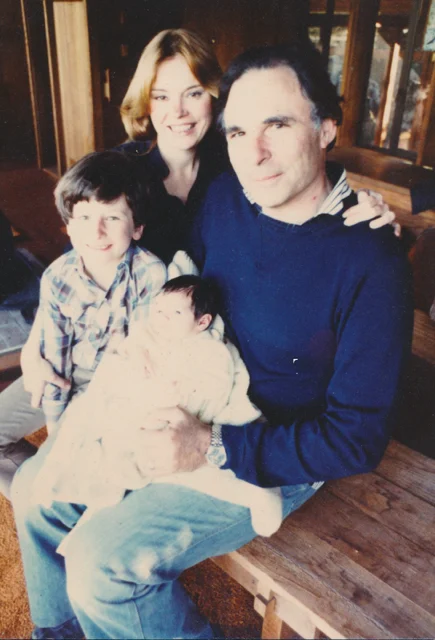
San Francisco, CA, November 17, 2025 – The scientific community and the world at large are mourning the loss of Dr. Paul Ekman, a titan in the field of psychology, who passed away peacefully at his home at the age of 91. His pioneering research into human emotion, facial expression, deception, and compassion fundamentally reshaped our understanding of these core aspects of the human experience. The Paul Ekman Group, alongside his devoted family, announced his passing, marking the end of an era defined by Dr. Ekman’s relentless pursuit of knowledge and his profound impact on both academia and public consciousness.
For over six decades, Dr. Ekman’s intellectual curiosity and rigorous scientific methodology illuminated the complex landscape of human emotions. His groundbreaking work, often conducted in remote and diverse cultural settings, provided irrefutable evidence for the universality of certain facial expressions linked to basic emotions. This discovery challenged prevailing theories and catalyzed a paradigm shift in how emotions were studied, paving the way for advancements in fields as disparate as psychology, anthropology, education, law enforcement, and even international relations. His research laid the groundwork for understanding how emotions transcend cultural boundaries, a concept that has become a cornerstone of modern psychological inquiry.
A pivotal contribution to this understanding was the development of the Facial Action Coding System (FACS). This meticulously detailed system, a monumental undertaking, provides a standardized and objective method for describing all observable muscular movements of the face. FACS allows researchers and practitioners to dissect and analyze the nuanced expressions that convey emotional states with remarkable precision. Coupled with his work on micro-expressions – fleeting, involuntary facial movements that can betray concealed emotions – Dr. Ekman equipped the world with powerful tools for decoding human communication. The subsequent development of Micro Expression Training Tools democratized access to this knowledge, empowering individuals across various professions to better understand and interpret emotional cues.
Dr. Robert W. Levenson, Ph.D., from the Department of Psychology at the University of California, Berkeley, reflected on Dr. Ekman’s profound influence: "Paul brought his remarkable intellect, observational skills, and unflagging energy to illuminate the ways we express and feel our emotions and how they are embodied in our physiology. His research, theorizing, and ideas for how emotions could be harnessed in service of the greater good galvanized what was a small niche area of research into a vibrant and thriving research area that will continue to be hugely influenced by his work and vision." This sentiment underscores the transformative nature of Dr. Ekman’s contributions, which elevated the study of emotions from a specialized field to a central pillar of psychological science.
Dr. Ekman’s intellectual journey was not confined to the laboratory. His commitment to applying scientific principles to foster a more compassionate world led him to engage in profound collaborations. His long-standing friendship and intellectual partnership with His Holiness the Dalai Lama stand as a testament to his dedication to exploring the intersection of science and spirituality. Together, they delved into the cultivation of compassion, resulting in collaborative works such as the book and webisode series Developing Global Compassion. This particular collaboration marked the beginning of a fruitful partnership with his daughter, Dr. Eve Ekman, a contemplative social scientist and director of the Paul Ekman Group.
Together, father and daughter spearheaded the creation of the Atlas of Emotions, an ambitious online project designed to enhance emotional vocabulary and foster greater emotional insight. This interactive tool serves as a vital resource for individuals seeking to navigate the complexities of their emotional lives. Furthermore, their joint efforts contributed to the development of Cultivating Emotional Balance, a program that integrates mindfulness and contemplative practices to foster emotional regulation and well-being.
Dr. Eve Ekman shared a personal and poignant tribute to her father: "My dad’s commitment to rigorous science, love of discovery, and dedication to alleviating pain from destructive emotions were at the very core of his brilliant mind and accomplishments. However, his huge heart and ability to vulnerably share his own struggles with emotions were what made him beloved by so many. He was an incredibly loving dad – a lover of life and unrelentingly curious." This heartfelt reflection highlights not only Dr. Ekman’s intellectual prowess but also his profound humanity and the deep personal connections he forged throughout his life.
The reach of Dr. Ekman’s research extended beyond academic circles, captivating the public imagination through his bestselling books, including Emotions Revealed and Telling Lies. These works translated complex scientific findings into accessible narratives, offering readers practical insights into the nature of emotions and the subtle art of deception detection. His influence was further amplified by the highly successful television series Lie to Me, which drew millions of viewers into the world of micro-expressions and their implications for understanding truth and falsehood. Dr. Ekman also played a crucial advisory role for Pixar’s animated film Inside Out, a project that masterfully brought the science of emotion to life for audiences of all ages, demonstrating his enduring commitment to education and outreach.
The legacy of Dr. Paul Ekman will continue to thrive under the leadership of his daughter, Dr. Eve Ekman, who has guided the Paul Ekman Group in recent years. The organization remains dedicated to advancing his mission of making emotional awareness, empathy, and truthfulness accessible worldwide through science-based education and training programs. Dr. Ekman is survived by his children, Eve Ekman and Tom Ekman, and a vast, loving community of friends who were like family.
Honoring Dr. Ekman’s Life and Enduring Legacy
The impact of Dr. Ekman’s life and work will be further celebrated through an upcoming documentary that is currently in development. This film aims to provide a comprehensive exploration of his remarkable journey, scientific contributions, and the profound influence he had on the world. Those who wish to contribute to the completion of this project and honor his enduring legacy can find more information and donation opportunities at https://www.wmm.com/sponsored-project/emotions-revealed-the-life-and-work-or-dr-paul-ekman/.
In addition to the documentary, the Paul Ekman Group is actively collecting reflections, personal stories, photographs, films, and messages of appreciation from colleagues, students, and readers across the globe. These contributions will be compiled on a dedicated memorial page, serving as a vibrant tribute to Dr. Ekman’s extraordinary life and his indelible mark on the field of emotional science.
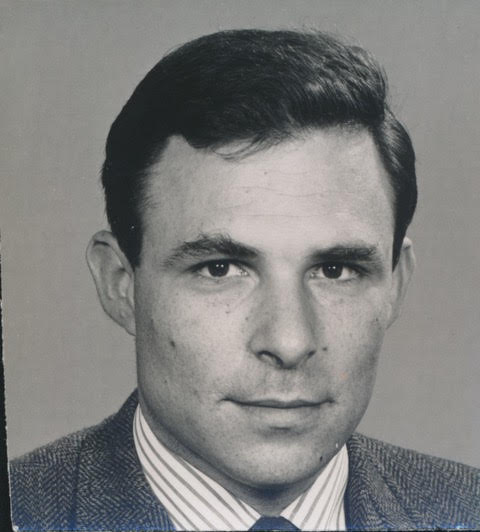
A Timeline of Dr. Paul Ekman’s Groundbreaking Contributions:
Dr. Paul Ekman’s career spanned over six decades, marked by consistent innovation and a deep commitment to understanding the human emotional landscape. His work can be broadly categorized into several key phases:
-
Early Research and Cross-Cultural Studies (1950s-1970s): Dr. Ekman began his academic career at the University of California, Berkeley, where he initiated his pioneering research into facial expressions of emotion. His seminal studies, conducted in collaboration with Wallace Friesen, involved extensive fieldwork in diverse cultures, including New Guinea and Borneo. These expeditions were crucial in demonstrating that certain facial expressions of emotion were universally recognized, challenging the prevailing view that emotional expression was purely a product of cultural learning. This period laid the foundation for his theory of universal emotions.
-
Development of the Facial Action Coding System (FACS) (1970s): Building on his cross-cultural findings, Dr. Ekman and Wallace Friesen developed the Facial Action Coding System (FACS). This monumental undertaking involved meticulously cataloging every discernible movement of facial muscles and their corresponding visual appearance. FACS provided a standardized, objective methodology for analyzing facial expressions, transforming the study of nonverbal communication and enabling precise measurement of emotional displays.
-
Research on Deception and Micro-expressions (1980s-1990s): Dr. Ekman’s research expanded to include the study of deception and the identification of subtle, involuntary facial expressions known as micro-expressions. His work in this area provided valuable insights into the physiological and behavioral indicators of lying, leading to the development of techniques for detecting deception. This research had significant implications for law enforcement, intelligence agencies, and the legal system.
-
Focus on Applied Psychology and Compassion (2000s-2010s): In the latter part of his career, Dr. Ekman increasingly focused on the practical applications of his research, particularly in fostering emotional well-being and promoting compassion. His collaborations with His Holiness the Dalai Lama marked a significant shift towards exploring the intersection of science and contemplative practices. This led to the development of programs like Cultivating Emotional Balance and the Atlas of Emotions, aiming to equip individuals with tools for emotional intelligence and resilience.
-
Public Engagement and Media Influence (2000s-Present): Dr. Ekman’s work gained widespread public recognition through his bestselling books, such as Emotions Revealed and Telling Lies. The television series Lie to Me, inspired by his research, brought the science of micro-expressions and deception detection to millions of viewers worldwide. His advisory role for Pixar’s Inside Out further cemented his influence, demonstrating his commitment to making complex psychological concepts accessible to a broad audience.
Broader Implications and Enduring Impact:
The passing of Dr. Paul Ekman represents a profound loss for the scientific community, but his legacy is undeniably enduring. His research has not only advanced our understanding of fundamental human emotions but has also provided practical tools and frameworks for improving interpersonal communication, enhancing emotional intelligence, and fostering greater empathy.
The universality of basic emotions, as demonstrated by Dr. Ekman, has significant implications for global understanding and conflict resolution. By recognizing shared emotional experiences, individuals and societies can build bridges across cultural divides and foster more effective communication. In the field of law enforcement and national security, his work on deception detection continues to be a valuable asset, though it is also a subject of ongoing ethical debate regarding its application and potential for misuse.
The development of FACS and micro-expression training has revolutionized fields such as psychology, psychiatry, and even marketing, where understanding nonverbal cues is paramount. The accessibility of this knowledge through his books and media appearances has empowered countless individuals to become more attuned to their own emotions and those of others.
The recent focus on compassion and emotional regulation, spearheaded by Dr. Ekman and his daughter, addresses critical societal needs in an increasingly complex world. As we face global challenges that require collaboration and mutual understanding, the principles of emotional intelligence and compassion are more vital than ever. The continued work of the Paul Ekman Group, under Dr. Eve Ekman’s leadership, ensures that Dr. Ekman’s vision of a more emotionally aware and compassionate world will continue to unfold. His life’s work serves as a powerful reminder of the profound connection between scientific inquiry and the human endeavor to live more meaningful and connected lives.
