

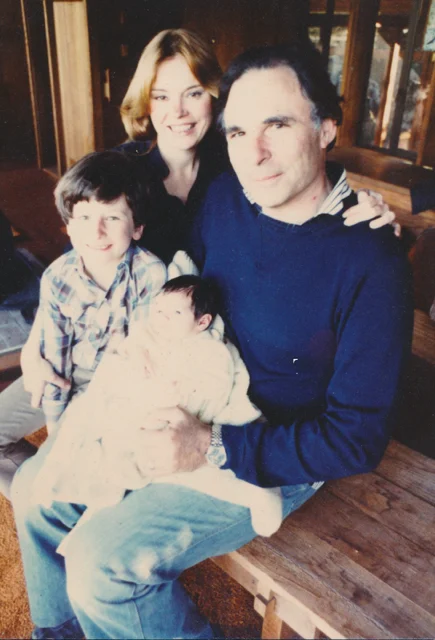
San Francisco, CA, November 17, 2025 – The scientific community and the world at large are mourning the loss of Dr. Paul Ekman, a towering figure in psychology whose pioneering research fundamentally reshaped our understanding of human emotion, facial expressions, deception, and compassion. Dr. Ekman passed away peacefully at his home on November 17, 2025, at the age of 91, surrounded by his family. His passing marks the end of an era for emotion science, leaving behind an indelible legacy of rigorous inquiry and profound humanistic application.
For over six decades, Dr. Ekman dedicated his life to unraveling the complexities of human emotional experience. His groundbreaking work, often conducted in challenging and remote corners of the globe, provided irrefutable evidence for the universality of certain facial expressions and physiological markers of emotion across diverse cultures. This seminal research not only revolutionized the nascent field of emotion science but also ignited a ripple effect of inspiration and application across a vast array of disciplines, including psychology, anthropology, education, law enforcement, and international relations.
Dr. Robert W. Levenson, Ph.D., from the Department of Psychology at the University of California, Berkeley, a long-time colleague and friend, offered a poignant tribute: "Paul brought his remarkable intellect, observational skills, and unflagging energy to illuminate the ways we express and feel our emotions and how they are embodied in our physiology. His research, theorizing, and ideas for how emotions could be harnessed in service of the greater good galvanized what was a small niche area of research into a vibrant and thriving research area that will continue to be hugely influenced by his work and vision."
At the heart of Dr. Ekman’s scientific contributions lies his development of the Facial Action Coding System (FACS). This meticulously detailed system, which breaks down facial movements into specific Action Units, provided researchers and practitioners with an objective, universal language for analyzing and interpreting the nuances of facial expressions. Coupled with his work on micro-expressions – fleeting, involuntary facial movements that can betray concealed emotions – Dr. Ekman equipped scientists, law enforcement professionals, and even the general public with powerful tools for understanding nonverbal communication. His Micro Expression Training Tools have become indispensable for those seeking to detect subtle emotional cues.
Dr. Ekman’s influence extended far beyond the confines of academic research. He fostered a global dialogue on empathy and ethics, notably through his deep and enduring friendship and collaborative work with His Holiness the Dalai Lama. Their shared commitment to promoting compassion and understanding led to significant projects, including a co-authored book and webisode series titled Developing Global Compassion. This particular period of his career, spanning the last 25 years, saw Dr. Ekman increasingly focused on translating his scientific insights into practical applications aimed at improving individual lives and fostering a more compassionate global society.
This profound engagement with the Dalai Lama also marked the beginning of a fruitful scientific and personal collaboration with his daughter, Dr. Eve Ekman. Together, they spearheaded the development of the Atlas of Emotions, an interactive online resource designed to expand emotional vocabulary and foster greater self-awareness. Their joint efforts also contributed significantly to the Cultivating Emotional Balance program, which integrates contemplative practices with scientific understanding to enhance emotional regulation and resilience.
Dr. Eve Ekman, who now leads the Paul Ekman Group and is a contemplative social scientist herself, shared her personal reflections: "My dad’s commitment to rigorous science, love of discovery, and dedication to alleviating pain from destructive emotions were at the very core of his brilliant mind and accomplishments. However, his huge heart and ability to vulnerably share his own struggles with emotions were what made him beloved by so many. He was an incredibly loving dad – a lover of life and unrelentingly curious."
Dr. Ekman’s ability to bridge the gap between complex scientific findings and public understanding was further exemplified by his bestselling books, including Emotions Revealed and Telling Lies. These works demystified the science of emotion and deception for millions of readers worldwide. His insights into nonverbal communication and deception detection also found a prominent place in popular culture, most notably through the acclaimed television series Lie to Me, for which he served as a scientific advisor. This series brought the intricate world of micro-expressions and truth-detection to a broad audience, sparking widespread fascination with the subject. Furthermore, his advisory role for Pixar’s animated film Inside Out demonstrated his commitment to making the science of emotion accessible and engaging for audiences of all ages, including children.
The Paul Ekman Group, now under the capable leadership of Dr. Eve Ekman, will continue to champion Dr. Ekman’s mission. The organization remains dedicated to making emotional awareness, empathy, and truthfulness accessible globally through evidence-based education and training programs. Dr. Ekman’s enduring influence will undoubtedly continue to shape the field for generations to come.
Dr. Ekman is survived by his children, Eve Ekman and Tom Ekman, and a wide circle of cherished friends who considered him family.
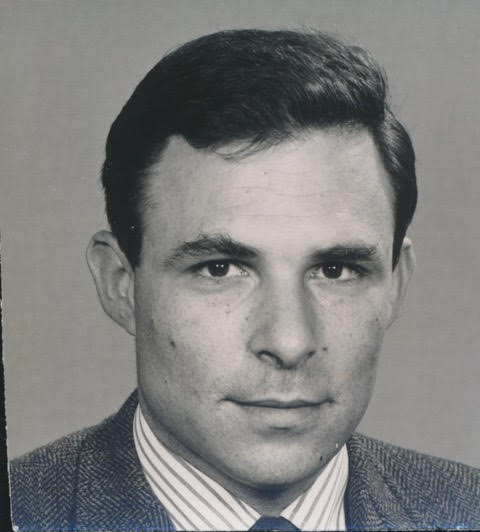
Honoring Dr. Ekman’s Life and Legacy
A documentary celebrating Dr. Ekman’s extraordinary life and profound scientific legacy is currently in development, promising to offer a comprehensive look at his career and impact. Those who wish to contribute to the completion of this film and honor his work can find more information and donation details here.
In recognition of Dr. Ekman’s lasting influence, the Paul Ekman Group is actively collecting reflections, personal stories, photographs, films, and messages of appreciation from colleagues, former students, and readers worldwide. These contributions will be compiled on a dedicated memorial page, creating a vibrant and enduring tribute to his life and invaluable legacy.
A Timeline of Dr. Paul Ekman’s Influential Career
Dr. Paul Ekman’s journey as a preeminent scientist of emotion spanned more than half a century, marked by consistent groundbreaking discoveries and evolving applications of his work. While a precise chronological detailing of every publication and project is extensive, key milestones illustrate the trajectory of his impact:
- Early Career and Foundational Research (1950s-1970s): Dr. Ekman began his academic career, undertaking rigorous research into human emotions. His early work, often in collaboration with Wallace V. Friesen, focused on identifying universal facial expressions of emotion. This period saw the development of his initial theories on the universality of basic emotions and their associated facial configurations.
- Development of FACS (Late 1960s – Early 1970s): A pivotal achievement was the creation of the Facial Action Coding System (FACS). This complex, yet systematic, methodology for describing any visible facial movement provided an objective framework for emotion research that remains a gold standard.
- Cross-Cultural Validation (1970s-1980s): Dr. Ekman conducted extensive fieldwork in diverse cultures, including Papua New Guinea, to empirically validate the universality of facial expressions. His findings provided compelling evidence against purely cultural relativist theories of emotion expression.
- Research on Deception (1980s-1990s): Building on his expertise in facial expressions, Dr. Ekman turned his attention to the study of deception. His research explored the subtle physiological and behavioral cues associated with lying, leading to the development of techniques for detecting dishonesty. This research formed the basis for his influential book, Telling Lies.
- Collaboration with the Dalai Lama and Compassion Research (1990s – 2000s): A significant shift in his career involved a deep engagement with contemplative traditions and the study of compassion. His collaboration with His Holiness the Dalai Lama led to projects focused on cultivating compassion and understanding destructive emotions. This period saw the conceptualization of the Atlas of Emotions.
- Public Outreach and Popularization (2000s – Present): Dr. Ekman’s work gained widespread public recognition through his bestselling books, Emotions Revealed and Telling Lies. The television series Lie to Me, inspired by his research, brought the science of micro-expressions to millions. His involvement with Pixar’s Inside Out further solidified his role in educating the public about emotional intelligence.
- Founding and Leading the Paul Ekman Group (2000s – Present): Dr. Ekman established the Paul Ekman Group to disseminate his research and training programs globally. Under the leadership of his daughter, Dr. Eve Ekman, the organization continues to advance his mission of promoting emotional awareness and well-being.
- Continued Research and Advocacy (2010s – 2025): Even in his later years, Dr. Ekman remained actively engaged in research and advocacy, exploring the applications of his work in areas such as emotional regulation, conflict resolution, and the promotion of prosocial behavior.
Impact and Implications of Dr. Ekman’s Work
The legacy of Dr. Paul Ekman’s work is profound and far-reaching, impacting numerous fields and contributing to a more nuanced understanding of the human condition.
Scientific Advancements: Dr. Ekman’s research provided the empirical bedrock for the modern study of emotions. His identification of universal facial expressions challenged prevailing theories and established a framework for cross-cultural psychological research. The FACS system, in particular, remains an indispensable tool for researchers in psychology, neuroscience, and human-computer interaction, enabling objective measurement and comparison of emotional expressions.
Law Enforcement and Security: The ability to detect deception is of critical importance in law enforcement, intelligence gathering, and legal proceedings. Dr. Ekman’s research on micro-expressions and behavioral cues has informed training programs for law enforcement agencies worldwide, enhancing their ability to assess truthfulness and identify potential threats. This has implications for investigative techniques, interrogation methods, and security screening.
Mental Health and Well-being: Understanding and managing emotions is central to mental health. Dr. Ekman’s work on identifying and understanding negative emotions has contributed to therapeutic interventions aimed at mitigating the impact of destructive emotions like anger, fear, and sadness. His later work on compassion and emotional regulation, particularly through programs like Cultivating Emotional Balance, offers pathways to greater psychological resilience and well-being.
Education and Child Development: The popularization of emotional intelligence through works like Inside Out has underscored the importance of teaching children to understand and manage their emotions. Dr. Ekman’s contributions have informed educational curricula designed to foster emotional literacy, empathy, and social-emotional learning from an early age.
International Relations and Diplomacy: In an increasingly interconnected world, understanding cultural nuances in emotional expression and communication is vital for effective diplomacy and conflict resolution. Dr. Ekman’s research on the universality of emotions provides a common ground for understanding across cultural divides, while his work on deception detection can contribute to building trust and transparency in international negotiations.
Technological Applications: The principles derived from Dr. Ekman’s research are increasingly being applied in the development of artificial intelligence and affective computing. Systems designed to recognize and respond to human emotions have the potential to revolutionize human-computer interaction, customer service, and even therapeutic applications.
Enduring Influence: The Paul Ekman Group, under the guidance of Dr. Eve Ekman, ensures that Dr. Ekman’s legacy continues to evolve and be applied to contemporary challenges. The ongoing development of online resources, training programs, and research initiatives signifies a commitment to making the science of emotion accessible and beneficial to individuals and societies globally. His passing is a profound loss, but the foundations he laid will continue to shape our understanding of ourselves and each other for decades to come.
