

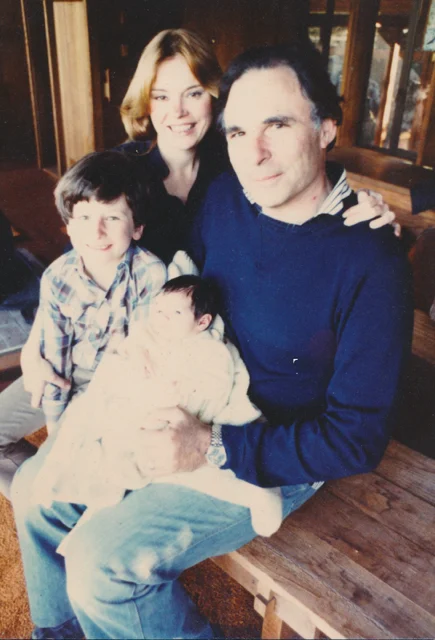
San Francisco, CA, November 17, 2025 – The world of psychology and beyond mourns the loss of Dr. Paul Ekman, a towering figure whose groundbreaking research fundamentally reshaped our understanding of human emotions, facial expressions, deception, and compassion. Dr. Ekman passed away peacefully at his home at the age of 91, surrounded by his family. His passing marks the end of an era for a scientific discipline he so profoundly influenced.
For over six decades, Dr. Ekman’s relentless pursuit of knowledge illuminated the intricate landscape of human emotional experience. His work, often conducted with meticulous rigor in both laboratory settings and remote corners of the globe, provided compelling evidence for the universality of certain facial expressions and their corresponding physiological signatures across diverse cultures. This seminal research not only revolutionized the field of emotion studies but also catalyzed its application in numerous disciplines, including psychology, anthropology, education, law enforcement, and international relations.
A Legacy of Discovery and Understanding
Born in Jersey City, New Jersey, in 1934, Paul Ekman’s early life and education laid the groundwork for his future scientific endeavors. After earning his Ph.D. in psychology from Adelphi University in 1958, he embarked on a career that would see him become one of the most cited psychologists in history. His early research, particularly his work on facial expressions, began to challenge prevailing cultural relativist theories that suggested emotions were entirely learned and culturally determined.
A pivotal moment in his career was his collaboration with Wallace Friesen, which led to the development of the Facial Action Coding System (FACS) in the 1970s. FACS is a comprehensive, anatomically based system for describing all observable facial movements, a tool that provided an objective and standardized method for analyzing facial expressions. This system became an indispensable instrument for researchers worldwide, allowing for the precise quantification of subtle changes in the face that correspond to specific emotional states.
The identification of universal facial expressions, linked to a set of basic emotions such as happiness, sadness, anger, fear, surprise, disgust, and contempt, was a monumental achievement. Dr. Ekman’s cross-cultural studies, notably his research with isolated tribes in Papua New Guinea, provided robust evidence that these expressions were not merely learned behaviors but were innate and universally recognized, supporting the idea of a shared human emotional architecture. This finding had profound implications, suggesting a biological basis for emotional communication that transcends cultural boundaries.
His expertise in deciphering subtle facial cues also extended to the complex realm of deception. Dr. Ekman’s research on micro-expressions – fleeting, involuntary facial movements that can betray a person’s true emotions – led to the development of Micro Expression Training Tools. These tools have been instrumental in training professionals in fields such as law enforcement, intelligence, and psychology to better detect deception and understand underlying emotional states. His insights into nonverbal communication and the mechanics of lying were further popularized through his best-selling books, including "Emotions Revealed" and "Telling Lies," which brought complex scientific concepts to a wide readership.
A Bridge Between Science and Humanity
Beyond his rigorous scientific contributions, Dr. Ekman’s later career was marked by a profound commitment to applying his knowledge for the betterment of humanity. He dedicated significant energy to exploring the potential of emotions, particularly negative ones, to cause suffering, and conversely, how positive emotions like compassion could be cultivated for the greater good. This led to a deep and enduring friendship and collaboration with His Holiness the Dalai Lama.
Their shared vision for fostering a more compassionate world culminated in joint projects, including the development of the interactive "Atlas of Emotions." This ambitious online tool aims to enhance emotional literacy by providing a comprehensive framework for understanding the nuances of emotional experience. Furthermore, their work on "Cultivating Emotional Balance" offered practical training in mindfulness and emotion regulation, empowering individuals to navigate their emotional lives with greater wisdom and resilience.
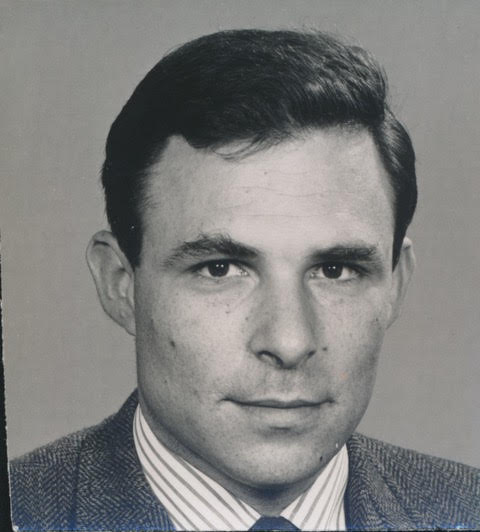
"Paul brought his remarkable intellect, observational skills, and unflagging energy to illuminate the ways we express and feel our emotions and how they are embodied in our physiology," stated Dr. Robert W. Levenson, a distinguished professor in the Department of Psychology at the University of California, Berkeley. "His research, theorizing, and ideas for how emotions could be harnessed in service of the greater good galvanized what was a small niche area of research into a vibrant and thriving research area that will continue to be hugely influenced by his work and vision."
Dr. Ekman’s daughter, Dr. Eve Ekman, who now leads the Paul Ekman Group and is a contemplative social scientist herself, reflected on her father’s multifaceted legacy: "My dad’s commitment to rigorous science, love of discovery, and dedication to alleviating pain from destructive emotions were at the very core of his brilliant mind and accomplishments. However, his huge heart and ability to vulnerably share his own struggles with emotions were what made him beloved by so many. He was an incredibly loving dad – a lover of life and unrelentingly curious."
Global Impact and Cultural Resonance
Dr. Ekman’s influence extended beyond academic circles and into popular culture, reaching millions through various media. The acclaimed television series "Lie to Me," for which he served as an executive producer and scientific advisor, dramatized the principles of micro-expression analysis and deception detection, sparking widespread interest in his work. His scientific insights were also instrumental in the creation of Pixar’s animated film "Inside Out," a heartwarming exploration of the inner world of a young girl’s emotions, which brought the science of emotion to audiences of all ages.
The Paul Ekman Group, now under the stewardship of Dr. Eve Ekman, continues to advance his mission of making emotional awareness, empathy, and truthfulness accessible globally through science-based education and training. The organization is committed to building upon his foundational work, ensuring that his discoveries remain relevant and impactful in an ever-evolving world.
A Continued Legacy and Tributes
The profound impact of Dr. Ekman’s life and work is being honored through various initiatives. A documentary celebrating his extraordinary journey and scientific contributions is currently in development, offering a comprehensive look at his research, collaborations, and personal philosophy. Those wishing to support the completion of this film can find more information and contribute through a dedicated portal.
Furthermore, the Paul Ekman Group is actively collecting reflections, stories, photographs, and messages of appreciation from colleagues, students, and readers worldwide. These contributions will form a memorial page dedicated to celebrating Dr. Ekman’s life and enduring legacy, creating a collective testament to the man and the scientist.
Dr. Ekman is survived by his children, Eve Ekman and Tom Ekman, and a wide circle of friends and colleagues who were touched by his intellect, his kindness, and his unwavering dedication to understanding the human condition. His passing leaves an immeasurable void, but his legacy of scientific inquiry, ethical reflection, and compassionate action will continue to inspire generations to come. The foundational principles he established in understanding the universal language of emotions and the subtle nuances of human expression will undoubtedly shape future research and foster a deeper, more empathetic global dialogue.
