

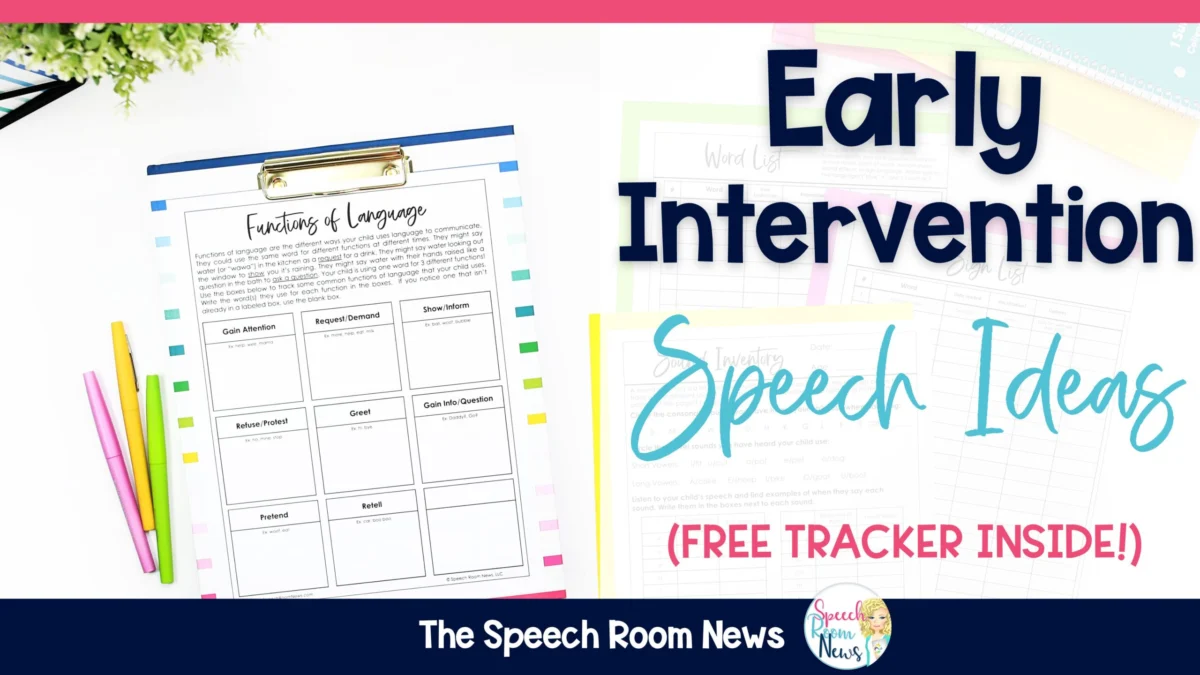
The trajectory of a child’s linguistic development is profoundly influenced by the timing and efficacy of support provided, underscoring the indispensable role of early intervention speech therapy. For both seasoned speech-language pathologists (SLPs) and parents navigating the complexities of early childhood communication, recognizing the pivotal contributions each plays is paramount. This detailed analysis will explore key aspects of early intervention, including practical activities, the rationale behind tracking developmental milestones, and the broader implications for a child’s long-term success.
The Foundational Importance of Early Intervention
Early intervention, in the context of speech and language, refers to therapeutic support provided to children from birth to age three (and sometimes up to age five, depending on regional guidelines) who are at risk for or are experiencing developmental delays. Research consistently demonstrates that the earlier a child receives support for speech and language difficulties, the more positive the outcomes. This critical period for language acquisition, often referred to as a "window of opportunity," highlights the brain’s heightened plasticity in infancy and toddlerhood, making it exceptionally receptive to learning new skills. Delays in communication can have cascading effects, impacting not only a child’s ability to express needs and thoughts but also their social interactions, emotional regulation, and future academic achievement.
According to the Centers for Disease Control and Prevention (CDC), approximately one in five children in the United States experiences a developmental delay, with communication delays being among the most common. These statistics reinforce the necessity of widespread awareness and accessible early intervention programs. Early identification allows for targeted strategies that can mitigate potential long-term challenges, ensuring children develop foundational communication skills essential for navigating their world.
From Professional Insight to Parental Advocacy: A Personal Journey’s Impact
The perspective of an SLP who becomes a parent of a child experiencing speech delays offers a unique and powerful insight into the dual role of expert and advocate. Initially, the expectation for a child’s language development might be framed by professional knowledge, anticipating predictable stages of babbling, first words, and phrases. However, when a child deviates from these expected patterns, the experience transforms into a deeply personal journey. This shift underscores the emotional and practical challenges parents face, even those with professional training.
For instance, an SLP expecting to document a typical progression of language skills might encounter the unexpected reality of a child who does not babble or whose first words are significantly delayed. This personal experience illuminates the necessity for systematic tracking and documentation, not merely as a clinical practice but as a crucial tool for parental understanding and communication with therapists. The disciplined observation and recording of a child’s emerging sounds and words become invaluable, providing concrete data that informs therapeutic strategies and measures progress over time. Such detailed records empower parents during monthly coaching sessions with early intervention therapists, fostering a collaborative approach to the child’s development. This data-driven approach, born from personal necessity, highlights how professional expertise can be enriched by lived experience, leading to more empathetic and effective support tools for other families.
The Imperative of Tracking Early Speech Sounds and Words
Tracking a child’s early speech sounds and words is a cornerstone of effective early intervention. Developmental milestones serve as crucial benchmarks, guiding parents and professionals in identifying potential delays. When a child is not meeting these age-specific communication milestones, meticulous data collection becomes essential for monitoring changes in speech patterns and expressive language skills over time.
Beyond identifying concerns, consistent tracking simplifies the process of communicating a child’s progress to their therapist. The rapid pace of a young child’s development, even when delayed, makes it challenging for parents to recall every new sound or word spontaneously. A structured tracking system eliminates guesswork, providing concrete evidence of progress or areas needing further attention. This data can include:
- Early Sounds: Documenting initial vocalizations, cooing, and babbling patterns.
- Syllable Shapes: Observing the complexity of sounds, such as consonant-vowel (CV) words (e.g., "ba"), vowel-consonant (VC) words (e.g., "up"), consonant-vowel-consonant-vowel (CVCV) words (e.g., "mama"), or consonant-vowel-consonant (CVC) words (e.g., "dog"). This progression indicates increasing phonological sophistication.
A comprehensive tracking system, such as a "First Words Tracker," can organize this vital information, making it accessible and actionable. Resources like the Encouraging First Words Handouts are specifically designed for SLPs to provide parents following initial observations and assessments, offering structured guidance on stimulating early language. These tools equip parents with the means to actively participate in their child’s therapy journey, transforming abstract concepts of development into tangible, trackable progress.
Navigating Concerns: When to Seek Professional Guidance for Late Talkers
While every child develops at their own unique pace, understanding typical developmental timelines is crucial for identifying when professional intervention might be necessary. A "late talker" is generally defined as a child between 18 and 30 months who has a limited vocabulary for their age and does not combine words, yet shows typical development in other areas (e.g., cognitive, motor, social skills). Approximately 13-19% of children are considered late talkers. While some late talkers spontaneously catch up to their peers by school age, a significant portion (around 40-50%) may go on to experience persistent language delays or disorders.
Key indicators that may warrant consultation with a pediatrician or SLP include:
- 12-18 months: No babbling, not using gestures (e.g., waving, pointing), not responding to their name, not making eye contact.
- 18-24 months: Fewer than 50 words, not combining two words (e.g., "more milk"), difficulty imitating sounds or words, not following simple directions.
- 24-36 months: Difficulty being understood by familiar adults, not using short sentences, limited vocabulary growth, frequent frustration due to communication breakdowns.
Early intervention handouts, such as those dedicated to Late Talkers, provide valuable information for parents and professionals alike. These resources delve into critical aspects such as the definition of a late talker, what truly counts as a "word" (e.g., consistent use with meaning, even if approximated), the stages of babbling, and practical ideas for child-led play to foster speech. These materials are beneficial not only for early intervention programs but also for delayed preschool students, offering strategies that bridge developmental gaps.
It is imperative for parents who suspect their child may have a speech delay to consult their doctor or local school district. These entities can provide referrals for professional evaluation and determine eligibility for early intervention speech therapy services, ensuring timely and appropriate support.
Empowering Parents with the FREE First Words Tracker

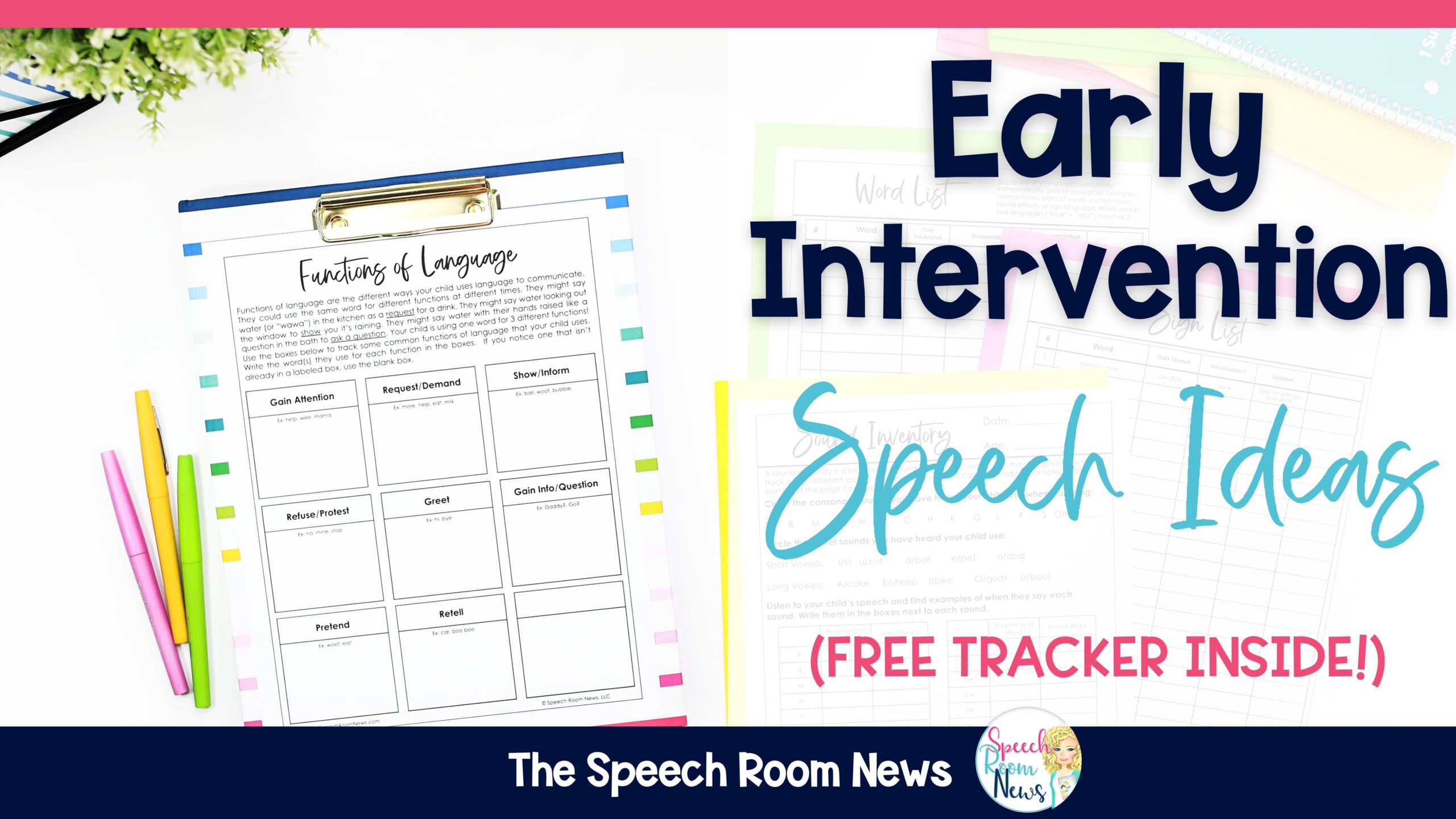
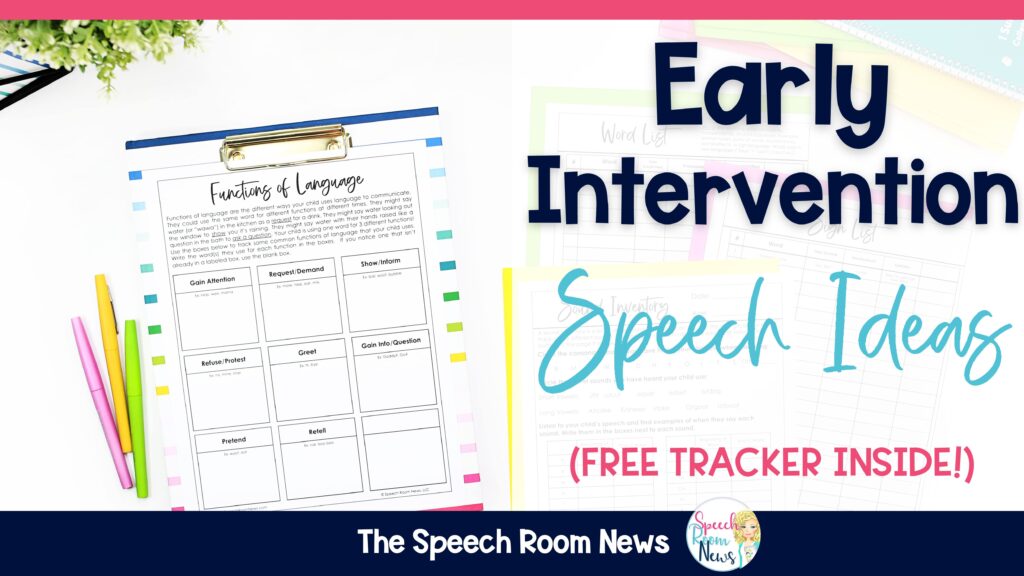
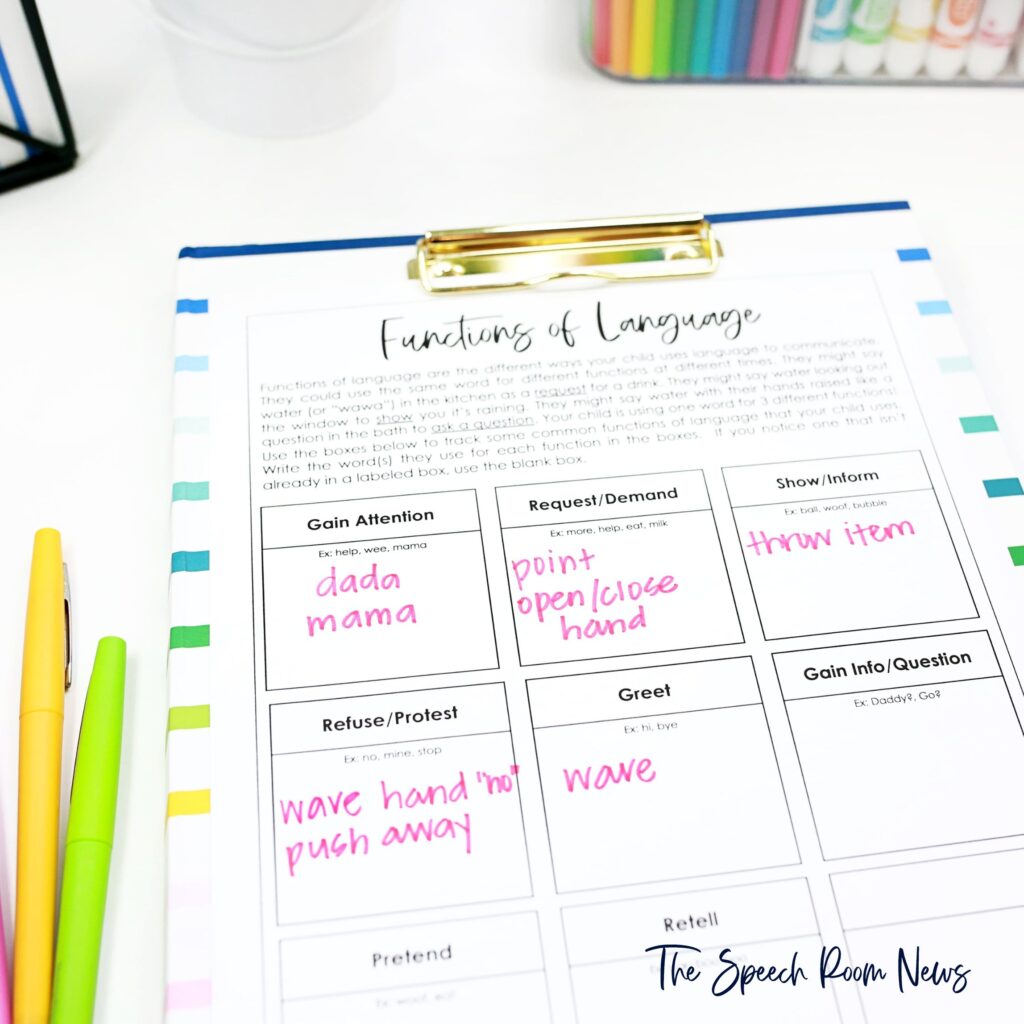
To facilitate comprehensive tracking, accessible tools like a "FREE First Words Tracking Sheets" resource have been developed for parents and guardians. This five-page tracker is designed to empower families to meticulously document their child’s emerging communication skills. Components typically include:
- Sound Inventory: A checklist or space to record the sounds a child is producing.
- First Words List: A log to note down the specific words acquired, along with the date of acquisition.
- Word Combination Tracker: A section to document when a child begins to combine two or more words.
- Communication Temptations Checklist: Ideas for creating opportunities for communication.
- Milestone Checkpoints: A brief overview of age-appropriate communication milestones.
Feedback from early intervention families who have utilized such trackers consistently highlights a common revelation: once they intentionally begin tracking, they are often surprised by the sheer number of sounds and words their child is actually producing, which they might have otherwise overlooked. This systematic approach not only provides valuable data for therapists but also boosts parental confidence and engagement in the therapeutic process.
Integrating Language Development into Daily Routines: Practical Activities
Effective early intervention speech therapy extends beyond clinical sessions; it thrives within the natural contexts of a child’s daily life. Incorporating language-building strategies into everyday routines capitalizes on predictable patterns, which are highly conducive to learning. When activities are repeated daily, children gain consistent exposure to specific vocabulary, social expectations, and actions, allowing them to internalize language more effectively. These naturalistic activities are particularly beneficial for late talkers and children receiving early intervention services.
1. Eating a Snack: A Communication Temptation
Snack time offers a prime opportunity for communication temptations, encouraging imitation and spontaneous language. Instead of a full meal, which can be overwhelming, a small bowl of favorite snacks provides a focused interaction.
- Modeling: Pour the snack into the bowl, narrating your actions: "Look, I’m pouring some crackers into the bowl. Yum! I love to eat crackers. You like to eat crackers too. Mmmm, crackers."
- Pausing and Waiting: After modeling, offer the snack and ask, "Do you want crackers?" Look expectantly at your child and wait for a response.
- Celebrating Efforts: Acknowledge and celebrate any attempt at communication, whether it’s a word approximation (e.g., "cah" for cracker) or a gesture (e.g., pointing). The goal is consistent modeling and creating a low-pressure environment for imitation.
2. Brushing Teeth: Building Social Routines and Vocabulary
Time spent in front of a mirror during teeth brushing is an excellent opportunity for connection and language development, particularly for establishing back-and-forth social routines.
- Interactive Narration: Explain each step of the process and its purpose: "It’s time to brush your teeth. We brush and clean our teeth so they stay healthy. We want healthy teeth so we can eat all kinds of foods. Let’s get your green toothbrush. Can you find the toothpaste? Squeeze just a little bit out. Now what do we do? Yes! Let’s brush the front. Now what? Yes—time to brush the back! You brushed your teeth. Now let Mommy brush them too. I am brushing the front and the back. I go up and down and make sure I get all your teeth. We did it! Time to rinse our teeth and our brush so they stay clean."
- Using Positional Words: Incorporate spatial concepts like "up/down" and "front/back" while demonstrating the actions.
- Contrasting Approaches: Contrast this detailed, explanatory approach with a minimalist instruction like, "Brush your teeth." The former provides rich linguistic input, while the latter offers minimal learning opportunities. Children learn best when actions are accompanied by clear, descriptive language and rationale.
Further extensive ideas for integrating speech therapy into daily life can be found in resources like the Early Intervention Daily Routines Handbook for Parents, which offers a wealth of practical, actionable strategies.
Comprehensive Resources for Early Intervention
A range of specialized handouts and resources are available to support parents and SLPs in early intervention. These materials are designed to be easily accessible and can be utilized in various settings, from bulletin boards in therapy clinics to direct distribution to parents during meetings. These typically cover a wide array of topics:
- Set 1: Norms and Language Strategies: Provides information on typical language development milestones and foundational strategies for language stimulation.
- Set 2: Daily Routines: Offers specific guidance on integrating speech and language activities into everyday tasks, as exemplified by the snack and teeth-brushing activities.
- Set 3: Encouraging First Words: Focuses on techniques and activities specifically aimed at eliciting a child’s initial vocabulary.
- Set 4: Late Talkers: Delves into the characteristics of late talkers, criteria for concern, and appropriate intervention strategies.
- Set 5: Gestures: Highlights the crucial role of gestures in pre-linguistic and early linguistic communication, offering strategies to encourage their use.
- Entire Bundle (Sets 1-5): A comprehensive collection encompassing all these critical areas, providing a holistic toolkit for early intervention support.
These resources are often complemented by suggestions for engaging materials, such as 30 Picture Books for Early Intervention Speech Therapy, which can further enrich a child’s language-learning environment.
Broader Impact and Long-Term Implications
The benefits of early intervention speech therapy extend far beyond simply helping a child to speak. Successful early intervention has profound long-term implications for a child’s overall development and well-being. Children who receive timely support for speech and language delays are more likely to:

- Achieve Academic Success: Strong oral language skills form the foundation for literacy development. Children with robust vocabularies and grammatical understanding tend to learn to read and write more easily, perform better in school, and are less likely to require special education services later on.
- Develop Strong Social Skills: Communication is fundamental to social interaction. Children who can express themselves effectively and understand others are better equipped to form friendships, participate in group activities, and navigate social complexities, reducing feelings of isolation or frustration.
- Foster Emotional Well-being: The inability to communicate can lead to significant frustration, anxiety, and behavioral challenges in young children. Early intervention provides children with the tools to express their needs and emotions, contributing to improved self-esteem and reduced behavioral issues.
- Enhance Cognitive Development: Language is intrinsically linked to thought. Developing strong language skills supports cognitive processes such as problem-solving, critical thinking, and memory.
- Reduce the Need for Intensive Support: Addressing communication delays early can prevent them from escalating into more complex and challenging disorders that require more intensive, prolonged, and costly interventions in later childhood or adolescence.
In conclusion, early intervention speech therapy is not merely a reactive measure but a proactive investment in a child’s future. By understanding developmental milestones, diligently tracking progress, and integrating therapeutic strategies into daily routines, parents, in collaboration with speech-language pathologists, can lay a robust foundation for a child’s lifelong communication abilities, academic achievement, and social-emotional well-being. The collective effort of informed parents and dedicated professionals ensures that every child has the opportunity to unlock their full communicative potential.
