


Curriculum Night presents a crucial opportunity for Speech-Language Pathologists (SLPs) to forge vital connections with parents, illuminate the intricate work involved in speech and language therapy, and integrate their specialized services more fully into the broader educational landscape. This annual event, traditionally a cornerstone of school-parent engagement, serves as an invaluable platform for SLPs to not only inform but also empower families, demonstrating the indispensable nature of their role in fostering comprehensive student development. Effective participation in Curriculum Night is not merely about presence; it is about strategic communication, practical guidance, and fostering a collaborative ecosystem that extends beyond the therapy room into the home environment.
Understanding Curriculum Night: A Pivotal Engagement Point
For many parents, Curriculum Night is their primary formal entry point into their child’s academic world each school year. It is an evening dedicated to meeting educators, understanding pedagogical approaches, and gaining insight into the curriculum their children will engage with. While often centered on general education teachers and core subjects, its significance extends profoundly to specialized service providers like SLPs. For these professionals, it is a moment to transcend the often-misunderstood or abstract nature of speech and language therapy, making it tangible and relevant to parents’ daily lives and their child’s academic and social progress.

Historically, parent-teacher conferences and open house events have served similar functions, but Curriculum Night, with its specific focus on the curriculum and learning environment, offers a unique angle. It allows SLPs to contextualize their therapy goals within the academic demands and social interactions of the school day. In some progressive districts, such as the one referenced by a seasoned SLP, special education programs organize themed group sessions, allowing parents to select topics pertinent to their child’s specific needs – ranging from communication and play to behavior, sensory processing, and fine motor skills. This tailored approach significantly enhances parent engagement and facilitates more meaningful collaboration, transforming a potentially passive informational session into an active, problem-solving dialogue.
The evolution of special education legislation, notably the Individuals with Disabilities Education Act (IDEA), has progressively underscored the imperative of parental involvement in a child’s educational journey. IDEA mandates parent participation in individualized education program (IEP) development and emphasizes a multidisciplinary approach to supporting students with disabilities. Curriculum Night, when effectively utilized by SLPs, becomes a proactive measure to fulfill these mandates, moving beyond compliance to genuine partnership. It acts as a bridge, connecting the specialized world of therapy with the general educational curriculum, and ensuring parents are not just informed but actively engaged partners in their child’s speech and language development.
Strategic Topic Selection: Addressing Core Parental Concerns
The foundation of a successful Curriculum Night presentation for an SLP lies in the judicious selection of a topic that resonates deeply with parents’ most pressing concerns and curiosities. This is not merely about showcasing the breadth of an SLP’s expertise but about pinpointing areas where parents seek clarity, guidance, and practical solutions. A carefully chosen topic can transform a routine presentation into an invaluable resource, ensuring parents leave with a clearer understanding of the SLP’s role and, crucially, how they can support their child at home.

Consideration should be given to common challenges faced by children receiving speech and language services, as well as general developmental milestones that often cause parental anxiety. High-impact topics might include:
- Communication Milestones and Red Flags: Providing a clear, age-appropriate overview of typical speech and language development, alongside indicators that might warrant further evaluation. This empowers parents to be proactive observers. Data from the Centers for Disease Control and Prevention (CDC) indicates that approximately 1 in 6 children aged 3-17 years in the United States have one or more developmental disabilities, with speech or language problems being among the most common. Equipping parents with this knowledge is a critical first step.
- Connecting Language to Literacy: Explaining how strong oral language skills are foundational to reading and writing success. This can include strategies for fostering phonological awareness, vocabulary development, and narrative skills at home. The American Speech-Language-Hearing Association (ASHA) consistently highlights the integral link between speech-language pathology and literacy development, making this a highly relevant topic.
- Augmentative and Alternative Communication (AAC): For parents of children who use or might benefit from AAC devices or strategies, a session demystifying these tools can be transformative. It can address common misconceptions, demonstrate basic usage, and explain how AAC fosters communication, rather than hindering verbal speech.
- Social Communication Skills: Addressing challenges in peer interaction, understanding social cues, and navigating conversational dynamics. Practical tips for fostering these skills in various settings can be invaluable.
- Executive Functioning and Language: Exploring the interplay between language, planning, organization, and self-regulation, offering strategies for parents to support these critical cognitive skills.
- Feeding and Swallowing (Dysphagia) in the School Setting: For SLPs who address these needs, a session can clarify their role, discuss common issues, and offer practical home strategies.
By focusing on topics that directly address perceived parental knowledge gaps or anxieties, SLPs can establish immediate relevance and build trust. Parents often arrive with a mixture of hope, concern, and sometimes, a lack of comprehensive understanding regarding their child’s specific needs and the therapeutic process. A well-chosen topic serves as a beacon, guiding them towards understanding and actionable support.
Solving Real Problems: Bridging the Gap Between Therapy and Home
The most impactful Curriculum Night presentations are those that move beyond theoretical explanations to offer tangible solutions to the "real problems" parents encounter daily. It is not enough to describe what speech therapy entails; SLPs must demonstrate how their work translates into practical, implementable strategies for the home environment. Parents are seeking actionable steps that can foster their child’s progress outside of the structured therapy sessions.
This problem-solving approach involves:
- Identifying common parental pain points: For instance, a parent might struggle with getting their child to practice articulation sounds at home, or they might not know how to encourage language development during routine activities.
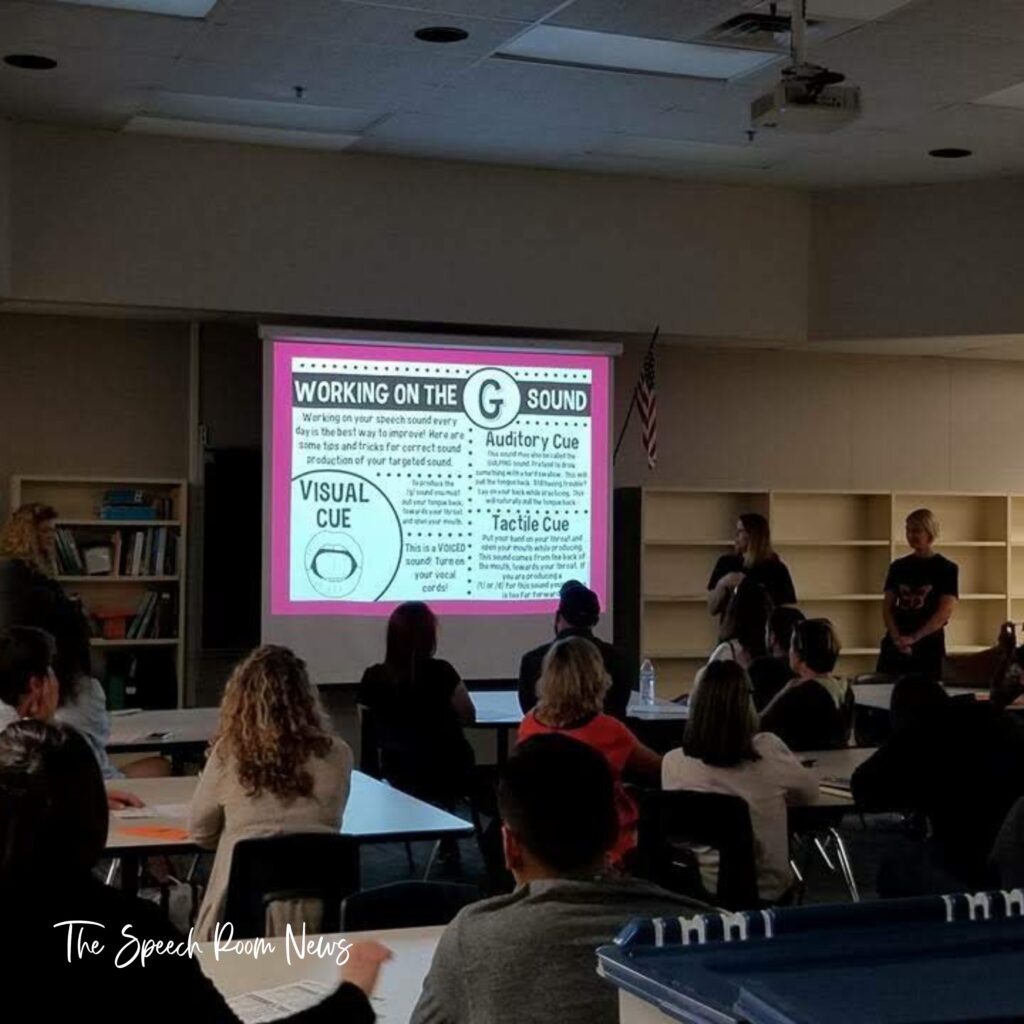
- Providing practical, low-barrier solutions: This could involve demonstrating simple games that reinforce target sounds, suggesting conversation starters for dinner time, or showing how to use visual schedules to improve daily routines and reduce anxiety. An SLP might demonstrate how to turn a common household chore into a language-building opportunity, such as naming items while sorting laundry or describing steps during meal preparation.
- Emphasizing "carryover": A key principle in speech-language pathology is the generalization of skills learned in therapy to other environments. Curriculum Night is an ideal forum to explain this concept and provide parents with tools to facilitate this transfer. For example, if a child is working on requesting skills, the SLP can suggest specific phrases or gestures parents can model at home during playtime or snack time.
- Fostering a sense of partnership: By offering solutions, SLPs position themselves as invaluable partners in the child’s developmental journey. This collaborative stance builds confidence in parents and reinforces the idea that therapy is a team effort. Statements like, "Many parents tell us they struggle with…" or "Here’s a simple trick that often helps at home…" create an empathetic connection and demonstrate a deep understanding of family dynamics. Educators and therapists consistently report that student outcomes are significantly improved when there is strong, consistent support and practice in the home environment.
Clarity in Communication: Demystifying Professional Jargon
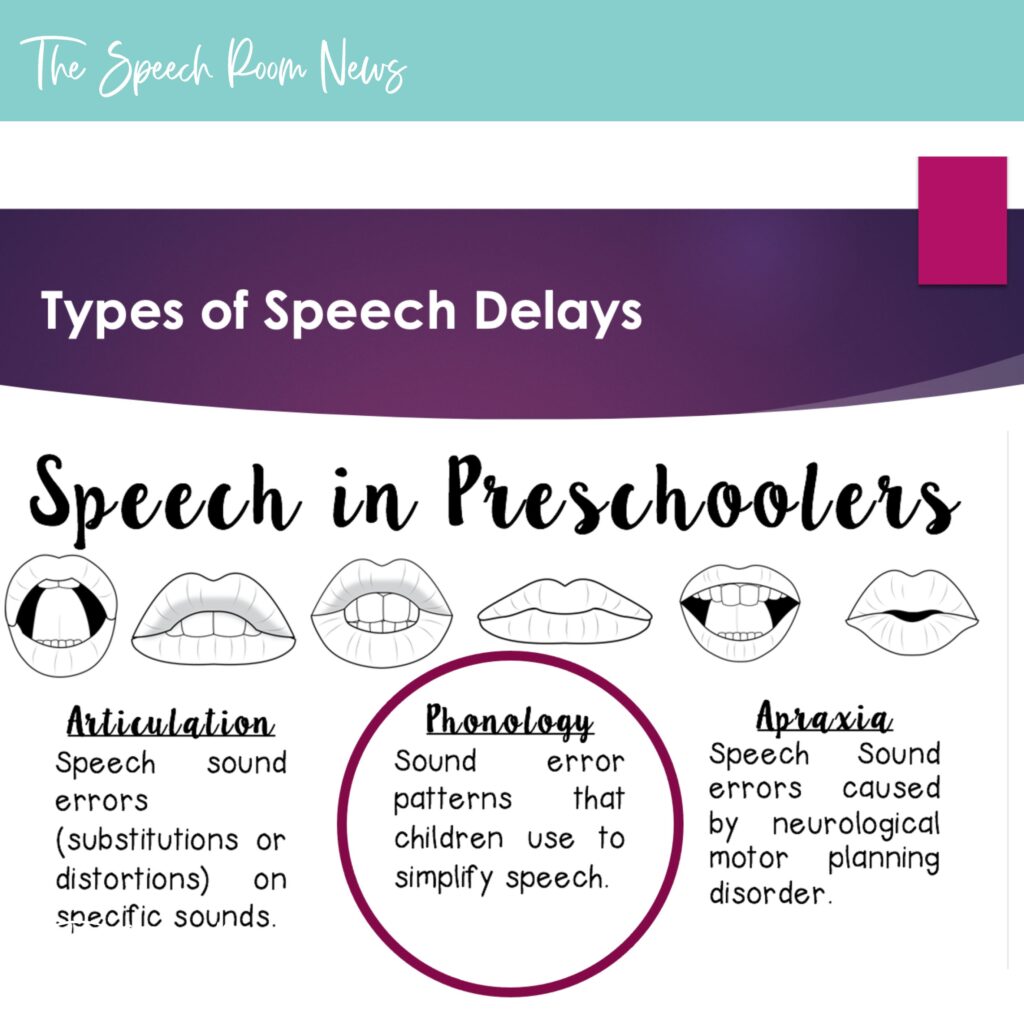
One of the most critical elements of an effective Curriculum Night presentation is the unwavering commitment to using parent-friendly language. The field of special education, including speech-language pathology, is replete with acronyms, technical terms, and specialized concepts that can be utterly bewildering to those outside the profession. Terms like "IEP," "FAPE," "AAC," "phonological process disorder," "pragmatic language," or "dysphagia" are commonplace for SLPs but can create significant barriers to understanding for parents.
The analogy of explaining concepts to a fifth grader is apt and highly effective. This involves:
- Avoiding acronyms or immediately defining them: If an acronym like "IEP" must be used, it should be introduced as "Individualized Education Program (IEP)" and its purpose clearly explained in simple terms.
- Simplifying complex terminology: Instead of "phonological process disorder," one might say, "Your child is having trouble with the sound patterns in words, like saying ‘tat’ instead of ‘cat.’" Instead of "pragmatic language," explain it as "how we use language to talk with others, like taking turns in a conversation or understanding jokes."
- Using relatable examples: Illustrate concepts with everyday scenarios that parents can easily grasp and apply to their child’s experiences.
- Adopting a guiding, professional tone: Parents look to SLPs as experts. This expertise is best conveyed through clear, accessible explanations rather than by parading specialized knowledge. Trust is built when parents feel understood and empowered, not overwhelmed.
A 2018 study published in the Journal of Parent and Family Studies highlighted that parents of children with disabilities often report feeling overwhelmed and disempowered by the complex language used by professionals. By consciously simplifying language, SLPs not only enhance comprehension but also foster a sense of inclusion and respect, laying the groundwork for more effective home-school communication and collaboration. This approach is fundamental to equitable access to information, enabling all parents, regardless of their prior knowledge or educational background, to advocate effectively for their children.
Interactive Engagement: The "Make and Take" Approach
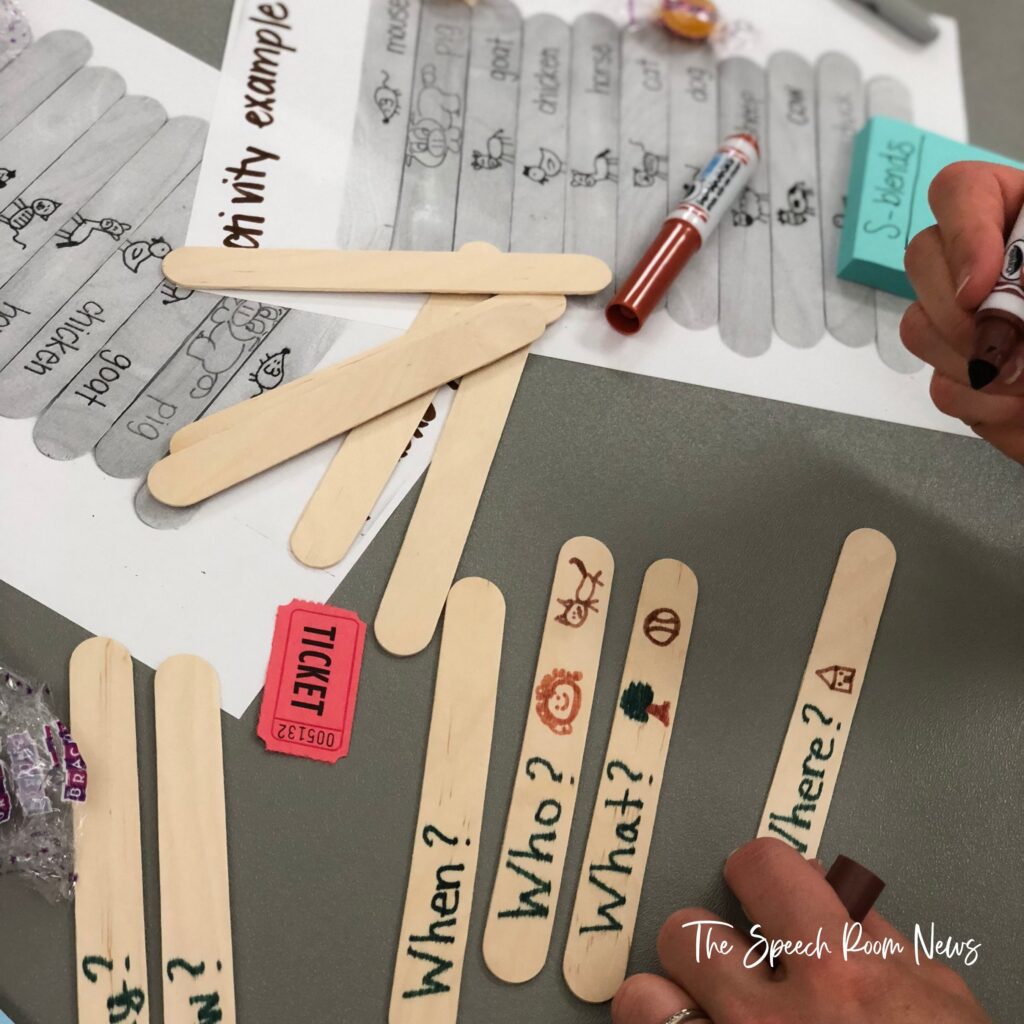
To maximize engagement and provide lasting value, SLPs should strongly consider incorporating an interactive "Make and Take" activity into their Curriculum Night presentation. This hands-on component transforms a passive listening experience into an active learning opportunity, allowing parents to create practical tools they can immediately use at home.
The benefits of a "Make and Take" are manifold:
- Active Learning and Retention: Adults, like children, learn more effectively by doing. The act of creating a resource helps solidify the concepts being taught and makes the information more memorable.
- Immediate Utility: Parents leave with a tangible item directly applicable to their child’s needs, reinforcing the practical, problem-solving focus of the presentation.
- Empowerment: By guiding parents to create their own tools, SLPs empower them to take an active role in their child’s therapeutic process, fostering a sense of ownership and capability.
- Diverse Examples: "Make and Take" activities can be tailored to various communication needs:
- Articulation Flipbooks: Simple cards with target sounds and corresponding pictures.
- Visual Schedule Strips: Laminated strips with images representing daily routines (e.g., "brush teeth," "eat breakfast") that parents can customize.
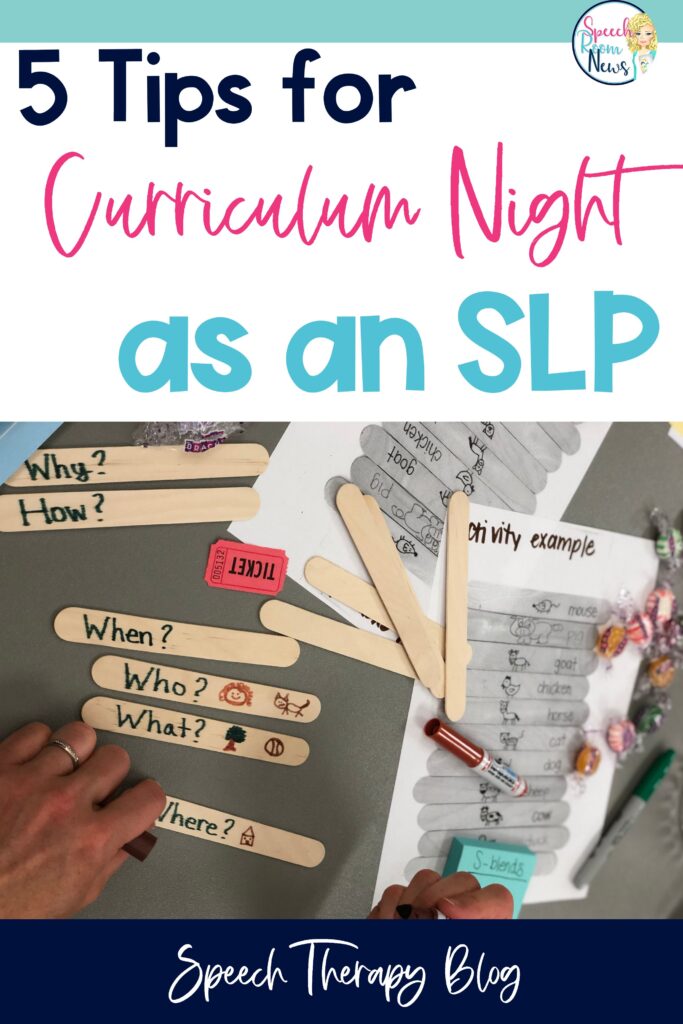
- "Wh-" Question Sticks: Popsicle sticks with different "wh-" questions (who, what, where, when, why) to encourage conversational skills.
- Emotion Cards: Simple drawings or pictures of different facial expressions to help children identify and express emotions.
- Communication Choice Boards: Laminated boards with pictures of preferred items or activities for children to point to, encouraging requesting.
- Sensory Bottles: Small bottles filled with water, glitter, and objects for calming or focus, especially useful for children with sensory regulation needs.
The process of creating these items, even if simple, encourages dialogue and allows SLPs to provide individualized guidance as parents work. It also models how therapy materials can be adapted and integrated into everyday routines without requiring expensive or specialized equipment. Research in adult learning theory consistently demonstrates that engagement through practical application leads to higher rates of skill acquisition and retention. The "Make and Take" embodies this principle, making the Curriculum Night experience both educational and immediately rewarding.
Sustained Support: The Value of Informative Handouts
While interactive activities are highly effective, the provision of well-designed, informative handouts is equally crucial for sustained parental support. Even the most engaging presentation can be overwhelming, and parents may not retain all the information shared. Handouts serve as a vital reference guide, ensuring that key points, strategies, and resources remain accessible long after Curriculum Night concludes.
Effective handouts should be:
- Concise and Clear: Summarize the main topics, key takeaways, and actionable strategies discussed. Avoid dense paragraphs; use bullet points, headings, and ample white space.
- Resource-Rich: Include recommended websites, apps, books, or community programs that can further support speech and language development.
- Contact Information: Clearly state the SLP’s name, school contact information, and preferred method of communication (e.g., email, phone extension).
- Action-Oriented: Reiterate the "Make and Take" activity instructions and provide additional ideas for home practice.
- Multilingual (where applicable): For diverse school populations, providing handouts in multiple languages demonstrates inclusivity and ensures that all families have equitable access to critical information. This aligns with best practices for serving culturally and linguistically diverse populations.
- Visually Appealing: Use simple graphics or illustrations to break up text and make the handout more inviting to read.
Handouts are not merely a formality; they are a critical tool for reinforcing learning and providing ongoing support. They acknowledge that parents have busy lives and may need to revisit information at a later, less hectic time. By providing a tangible resource, SLPs demonstrate their commitment to the child’s progress beyond the confines of the school building. Studies on information recall suggest that supplementary materials significantly improve retention rates, acting as an anchor for the information presented orally. Platforms like TeachersPayTeachers, as referenced in the original content, offer a wealth of pre-made, professionally designed handouts that SLPs can adapt, saving valuable preparation time while ensuring high-quality resources.
Broader Impact and Future Implications
The strategic engagement of Speech-Language Pathologists during Curriculum Night extends far beyond individual parent-therapist interactions, yielding significant broader impacts on the school community and the perception of the profession.
- Enhanced Parent-Professional Partnerships: Effective presentations foster trust and open lines of communication, leading to stronger partnerships. When parents feel informed and supported, they become more active participants in their child’s therapy goals, contributing to more consistent carryover and improved student outcomes. This collaborative model is a cornerstone of successful special education.
- Increased Visibility and Appreciation for SLPs: Curriculum Night provides a platform for SLPs to showcase their expertise and the vital role they play in student success, often extending beyond speech sound production to areas like language comprehension, social communication, and literacy. This increased visibility can lead to greater recognition and respect for the profession within the broader educational system and among the general public.
- Advocacy for Speech-Language Services: Informed parents are empowered parents. When families understand the complexities and benefits of speech-language therapy, they become stronger advocates for their children’s needs and for the importance of robust SLP services within schools, potentially influencing resource allocation and program development.
- Professional Development for SLPs: The process of preparing and delivering an engaging Curriculum Night presentation sharpens an SLP’s public speaking, communication, and educational outreach skills—competencies that are valuable across all aspects of their professional life.
- Future Trends: As technology continues to evolve, Curriculum Nights may increasingly incorporate virtual components, digital resources, and interactive online modules. This could further expand the reach and accessibility of SLP expertise, allowing more parents to engage regardless of scheduling conflicts or geographical barriers. Future iterations might see more integrated special education "resource fairs" where various therapists and specialists collaborate to offer a holistic view of support services.
In conclusion, Curriculum Night is not merely an obligation for Speech-Language Pathologists; it is a powerful opportunity to advocate for their profession, empower parents, and profoundly impact student success. By thoughtfully selecting relevant topics, focusing on practical problem-solving, employing clear and accessible language, incorporating interactive activities, and providing lasting resources, SLPs can transform this annual event into a cornerstone of collaborative education. The ultimate goal remains to ensure every child with communication needs receives comprehensive, informed, and sustained support, bridging the vital connection between home and school for optimal developmental outcomes.
