

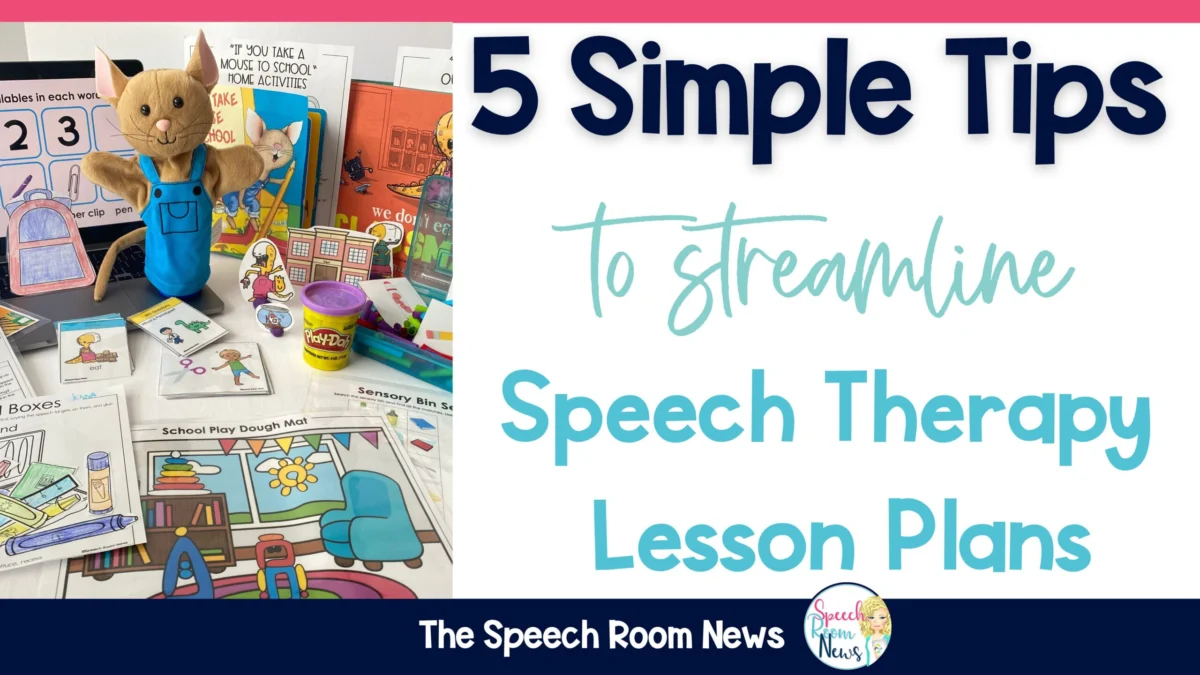
The landscape of school-based speech-language pathology is characterized by a persistent and growing challenge: balancing extensive caseloads with the imperative for individualized, effective therapy. Speech-Language Pathologists (SLPs) in educational settings are frequently tasked with developing comprehensive lesson plans for dozens of students, each presenting unique communication goals and learning profiles. This complex demand often leads to significant time expenditure on preparation, detracting from direct student interaction and contributing to professional burnout. However, a growing body of professional practice advocates for the adoption of strategic, streamlined planning methodologies designed to optimize efficiency without compromising therapeutic efficacy. These approaches, rooted in pedagogical best practices and evidence-based interventions, are becoming essential tools for SLPs navigating the intricacies of modern educational environments.
The Evolving Demands on School-Based Speech-Language Pathologists
School-based SLPs operate at the intersection of healthcare and education, responsible for assessing, diagnosing, and treating speech, language, and communication disorders that impact academic and social functioning. Their caseloads typically encompass a wide spectrum of ages, from pre-kindergarten to high school, and an even broader range of diagnoses, including articulation disorders, language impairments, fluency disorders, voice disorders, and pragmatic language difficulties. Each student requires an Individualized Education Program (IEP) that outlines specific, measurable goals, demanding tailored therapeutic interventions.
According to data compiled by organizations like the American Speech-Language-Hearing Association (ASHA), school-based SLPs often manage caseloads that can range from 40 to 60 students, and sometimes even higher, depending on district policies and student needs. This necessitates an exceptional degree of organizational prowess and adaptability. The initial phase of an SLP’s career, particularly, can be marked by an overwhelming learning curve as they grapple with managing diverse student populations and crafting individual lesson plans for each session, for each student, each week. This traditional approach, while seemingly thorough, often proves unsustainable and inefficient, highlighting the critical need for systemic improvements in planning strategies.
The Imperative for Streamlined Planning: A Shift Towards Efficiency and Effectiveness
The drive to streamline lesson planning is not merely about saving time; it is fundamentally about enhancing the quality and consistency of therapy and promoting SLP professional well-being. Excessive time spent on planning, resource creation, and administrative tasks can lead to reduced opportunities for professional development, collaboration with other educators, and direct therapeutic engagement. When SLPs can optimize their preparation time, they can allocate more resources to evidence-based intervention delivery, data collection, and family involvement—all critical components of successful outcomes.
Furthermore, efficient planning facilitates a more integrated approach to education. By aligning speech and language goals with classroom curriculum and broader educational objectives, SLPs can ensure that therapy is relevant, functional, and provides meaningful carryover into students’ daily academic lives. This shift from individualized, isolated lesson creation to a more integrated, thematic, or curriculum-based planning model represents a significant evolution in professional practice.
Core Strategies for Enhanced Efficiency and Therapeutic Impact
Several innovative strategies have emerged as highly effective in helping SLPs streamline their lesson planning, ensuring both efficiency and robust therapeutic outcomes.
1. Thematic Therapy: A Holistic and Reusable Approach
Thematic therapy stands out as a foundational strategy for simplifying lesson planning. By selecting a central theme for a week or month (e.g., "Fall Harvest," "Under the Sea," "Community Helpers"), SLPs can integrate a wide array of therapeutic activities and materials around a single concept. This approach allows for the coordination of books, toys, worksheets, and crafts that are versatile enough to address multiple speech and language goals across various students within a group.
The primary benefit of thematic planning is its inherent reusability. Once a thematic unit is developed and its associated materials are curated, it can be archived and redeployed in subsequent years, with minor updates or additions. This builds a robust library of pre-made resources, significantly reducing future preparation time. Moreover, thematic units naturally lend themselves to curriculum alignment, as many classroom teachers also employ thematic teaching. This fosters a sense of cohesion between general education and special education services, promoting generalization of skills and enriching the learning experience for students. For instance, a "Farm Animals" theme could target articulation of ‘f’ and ‘v’ sounds, vocabulary related to farm life, descriptive language (e.g., "The fluffy sheep"), and narrative skills through farm-themed stories.
2. Literacy-Based Intervention: Bridging Communication and Academics
Incorporating picture books and literature into speech and language therapy is another highly effective streamlining strategy. Literacy-based therapy leverages the rich linguistic and narrative structures found in books to target a multitude of speech and language goals simultaneously, often within mixed groups. This approach is particularly beneficial because it reduces the need for extensive material creation; the book itself serves as the central resource.
The framework for literacy-based intervention typically involves several stages:
- Pre-story Knowledge Activation: Engaging students in discussions about prior knowledge related to the book’s topic, activating relevant vocabulary and concepts.
- Shared Story Reading: Reading the book aloud, modeling fluent reading, and pausing for comprehension checks and targeted skill practice.
- Focused-Skill Activities: Implementing activities directly tied to the book’s content that address specific IEP goals (e.g., identifying story grammar elements, practicing target sounds in words from the book, discussing character emotions).
- Post-Story Comprehension Discussion: Reviewing the story, making connections, and summarizing key events, reinforcing language comprehension and expression.
A significant advantage is the natural alignment with classroom curricula. If an SLP utilizes books that are also being read in general education classrooms, it creates a powerful bridge between therapy and academic learning, facilitating carryover of skills into the broader school environment. This strategy can be adapted for students across various grade levels, extending well into secondary education with age-appropriate texts. The iterative use of books and related materials over multiple sessions further enhances efficiency and reinforces learning.
3. Narrative Language Development: Foundation for Academic and Social Success
While related to literacy-based therapy, the narrative language approach offers a distinct focus on the explicit teaching of storytelling skills alongside other speech and language targets. This approach recognizes that strong narrative skills are fundamental for academic success, social interaction, and cognitive organization.
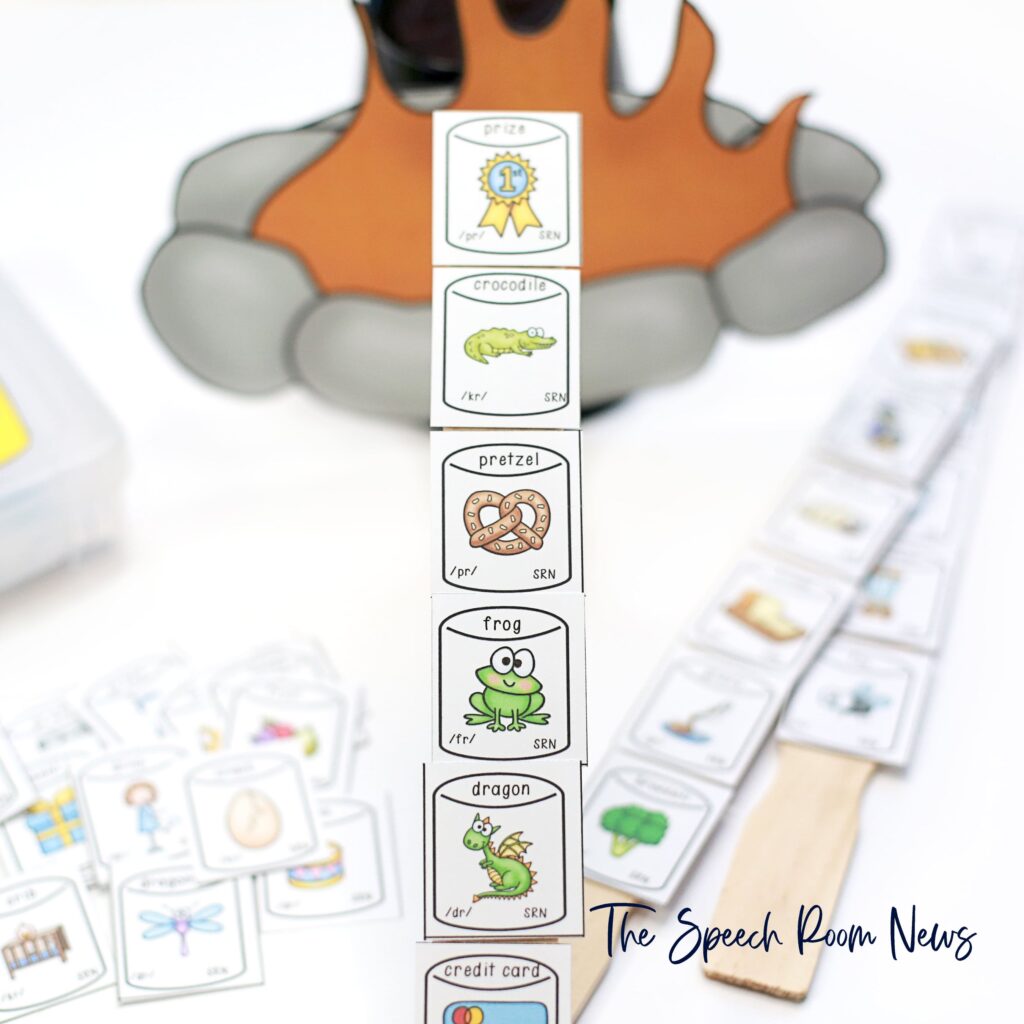
In narrative language intervention, the emphasis is often on presenting multiple stories that share similar structural elements over time, often one per session. The core activities typically revolve around story retelling and story generation tasks, prompting students to understand and produce coherent narratives. A greater focus is placed on dissecting story grammar elements (e.g., characters, setting, initiating event, internal response, plan, attempt, consequence, resolution) and developing complex syntax and robust vocabulary within narrative contexts.
The profound benefit of this approach lies in its direct impact on a student’s ability to comprehend and produce information in a structured, organized manner. Narrative skills are critical for understanding classroom lectures, reading comprehension, writing essays, and engaging in social conversations. By targeting these skills explicitly, SLPs ensure that students not only address their specific IEP goals but also develop a foundational competence essential for navigating the demands of school and life. Resources like visual story grammar icons can further support students in organizing their thoughts and retellings, making complex concepts more accessible.
4. Leveraging Versatile Materials: Maximizing Impact with Minimal Resources
One of the most practical and stress-reducing strategies involves selecting a single, versatile toy or game and adapting it to target a multitude of speech and language goals for diverse groups of students. This approach minimizes preparation time and material acquisition, allowing SLPs to focus on dynamic, play-based intervention.
Examples of highly adaptable materials include:
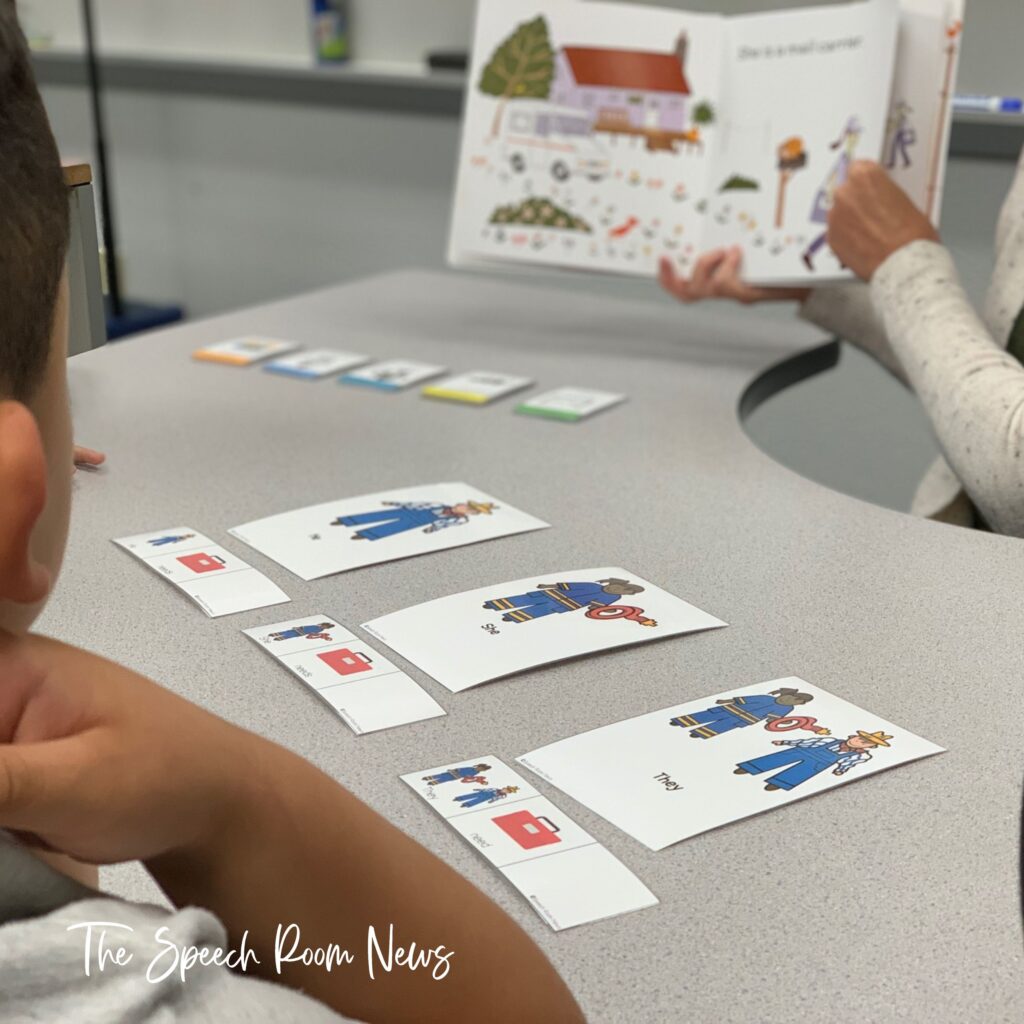
- Board Games (e.g., Candyland): A simple board game can be transformed into a comprehensive therapy tool. Instead of just moving pieces, students can be prompted to articulate target sounds, use descriptive language, answer comprehension questions, or practice social language skills before each turn. Custom-made cards can be created to align with specific IEP goals, such as identifying synonyms/antonyms, practicing irregular past tense verbs, or describing pictures, all while progressing through the game.
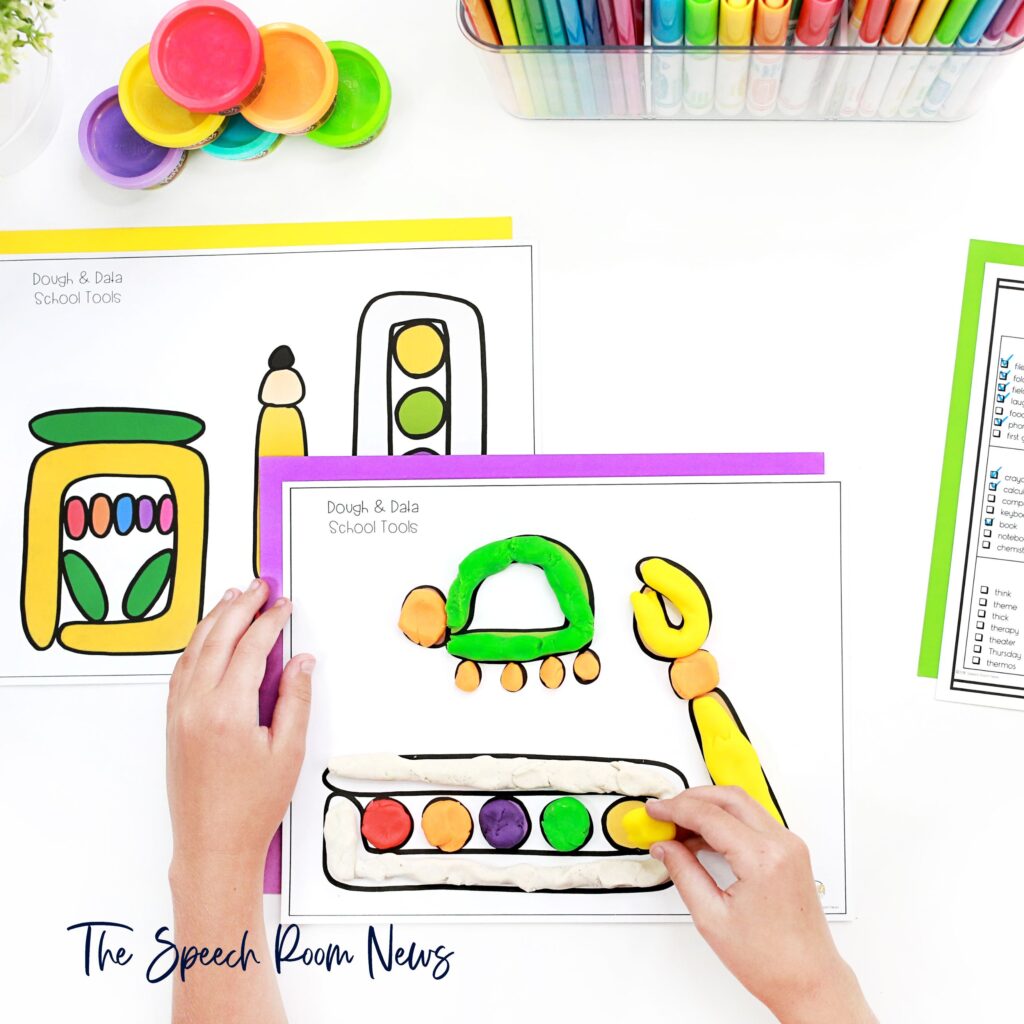
- Play-Doh: This malleable material is excellent for fine motor development but also serves as a fantastic medium for speech and language tasks. Activities can include following multi-step directions ("Roll a long snake, then cut it into three pieces"), describing shapes and colors, practicing articulation by molding objects that contain target sounds, or engaging in imaginative play scenarios. "Dough and Data Sets" can further streamline progress monitoring by integrating skill practice directly into play activities.
- Mini Objects: These small, tactile items are incredibly motivating and versatile. They can be used for articulation drills (e.g., finding objects with a specific sound), vocabulary building (naming and describing objects), categorization tasks (sorting by type, color, function), preposition practice (e.g., "put the bear under the blanket"), and narrative creation (using objects to tell a story). Their portability and reusability make them a staple for efficient therapy.
- Dramatic Play Sets (e.g., Ice Cream Shop, Doctor’s Kit): Pretend play scenarios offer rich opportunities for targeting a wide range of language skills in a naturalistic context. Students can practice requesting, commenting, turn-taking, problem-solving, using complex sentence structures, and developing social communication skills. For instance, an ice cream shop theme allows for practice with verbs ("scoop," "serve"), prepositions ("on top of"), descriptive adjectives ("cold," "sweet"), and social scripts for ordering and interacting. These activities also provide excellent opportunities for informal vocabulary assessment, particularly useful during preschool evaluations.
This approach capitalizes on student engagement, making therapy sessions feel less like work and more like play, which can significantly enhance motivation and generalization of skills.
5. Systematizing AAC Instruction: Empowering Communication for All Learners
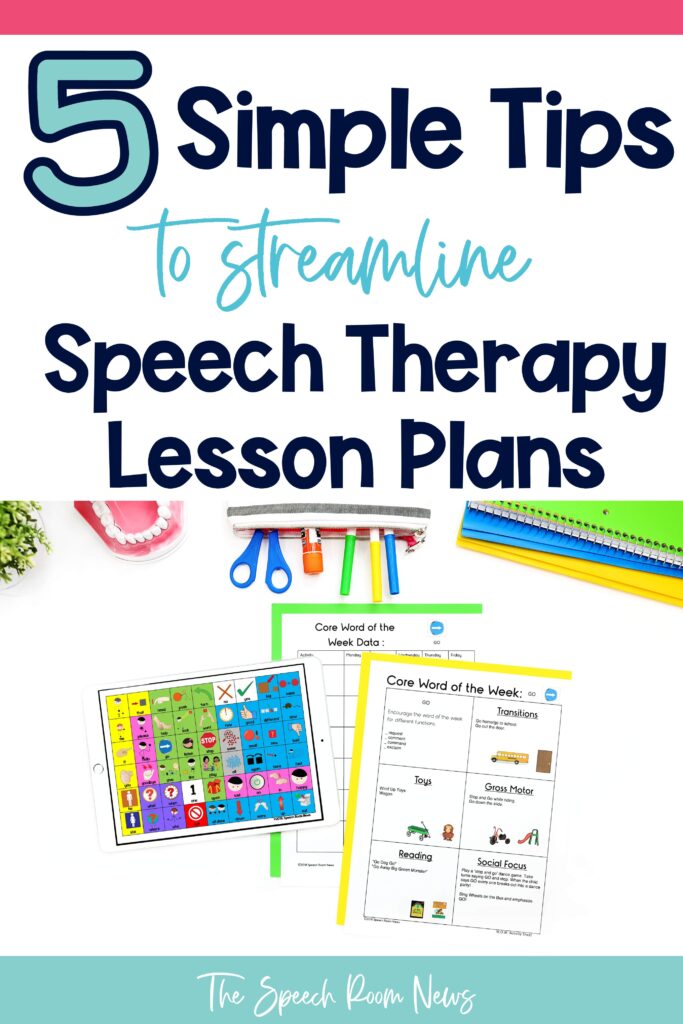
For students who utilize Augmentative and Alternative Communication (AAC) devices, a structured and consistent approach to instruction is paramount. The "AAC Core Word of the Week (WOW) Lessons" strategy offers a systematic framework for planning and delivering instruction on core vocabulary. Core words are high-frequency words that are applicable across various contexts and communicative functions (ee.g., "go," "want," "more," "stop," "in," "out").
This approach typically involves selecting 2-4 core words to focus on for a week or month. The lessons are designed to provide an entire month’s worth of instruction, ensuring consistent exposure and practice. Key benefits include:
- Structured Routine: Provides a predictable framework for therapy sessions, which benefits students and allows for easier planning.
- Team Involvement: Facilitates collaboration among the entire IEP team, including teachers, paraprofessionals, and parents, by providing shared vocabulary targets and instructional strategies. This promotes consistent modeling and use of AAC across all environments.
- Targeted Practice: Ensures focused instruction on essential communication vocabulary, leading to greater functional communication for AAC users.
- Resource Efficiency: Pre-designed lesson plans, often including visual aids, activity ideas, and parent letters, significantly reduce the SLP’s preparation time.
By systematically introducing and reinforcing core words, SLPs ensure that AAC users develop a robust vocabulary foundation, enabling them to express a wider range of thoughts and needs. This consistent, team-based approach is crucial for fostering communication independence and inclusion.
The Broader Impact: Elevating Professional Practice and Student Achievement
The adoption of these streamlined lesson planning strategies extends beyond mere time-saving; it profoundly impacts the quality of speech-language pathology services and the overall educational experience for students. By reducing the administrative burden, SLPs can dedicate more mental and physical energy to direct clinical work, ensuring that interventions are responsive, dynamic, and data-driven.
- Improved Student Outcomes: Efficient planning allows for more consistent, well-prepared, and engaging therapy sessions, leading to better skill acquisition and generalization. When therapy is integrated with the curriculum and daily routines, students are more likely to apply new communication skills in real-world contexts.
- Reduced SLP Burnout: The chronic stress associated with excessive planning and preparation is a significant contributor to SLP burnout and attrition. By adopting more efficient methods, SLPs can achieve a healthier work-life balance, fostering greater job satisfaction and professional longevity.
- Enhanced Collaboration: Strategies like thematic planning and AAC Core Word of the Week naturally encourage greater collaboration among SLPs, teachers, and other support staff. This creates a unified approach to student support, ensuring consistency in strategies and language across the school environment.
- Data-Driven Practice: With more time freed from planning, SLPs can dedicate more attention to systematic data collection and analysis, leading to more informed treatment decisions and stronger IEP goal attainment.
Preparedness and Flexibility: The Role of "Grab and Go" Resources
Complementing these planning strategies is the critical practice of maintaining a readily accessible set of "grab and go" materials. These pre-prepped resources serve as invaluable tools for filling unexpected gaps, providing substitute SLPs with ready-to-use activities, or addressing immediate therapeutic needs without extensive preparation.
Essential "grab and go" materials often include:
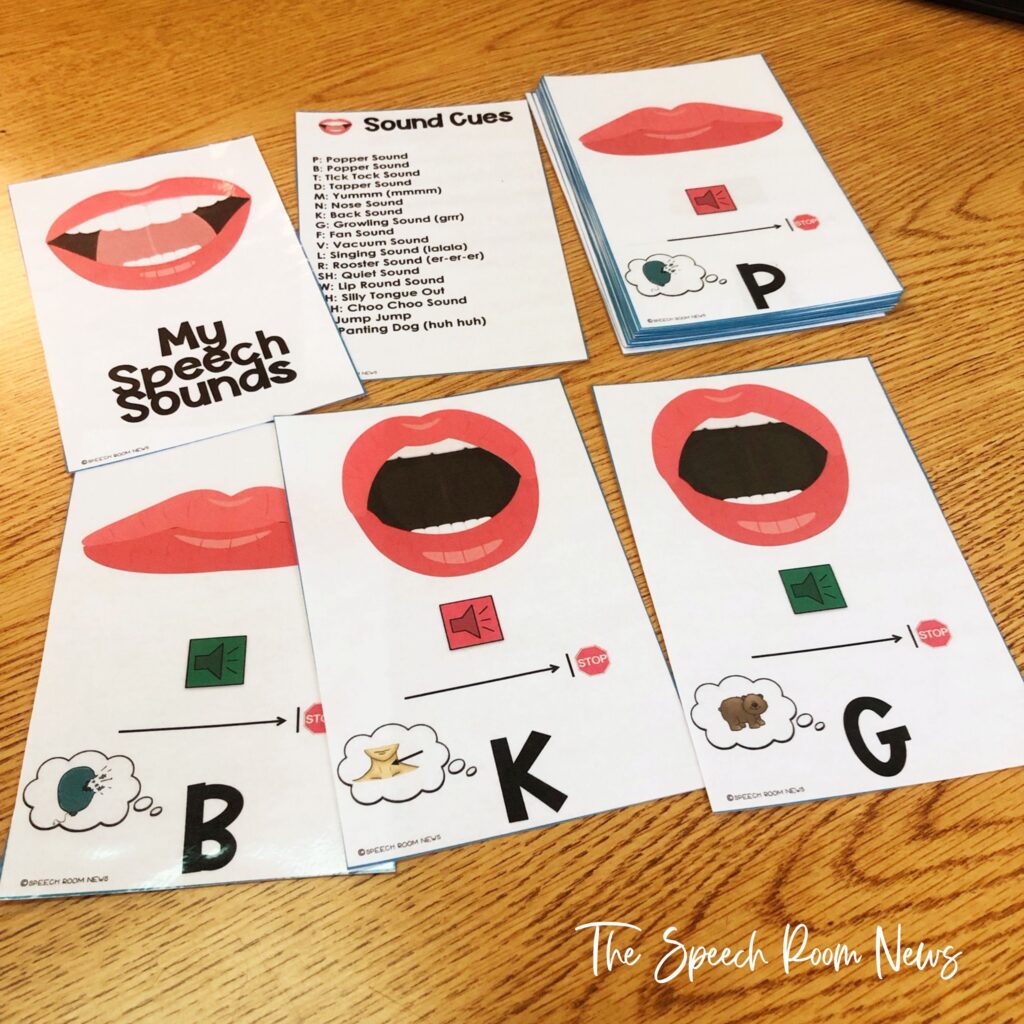
- Articulation Cards: Comprehensive sets targeting various phonemes in different word positions, allowing for quick drills.
- Visual Supports: Behavior charts, schedule strips, and communication boards that can be instantly deployed to support student regulation and understanding.
- Print-and-Go Home Packets: Ready-made activities for articulation or language practice that can be sent home with students for carryover.
- Mini-Books/Posters: Resources like "Speech Helpers" mini-books or articulation posters for quick reference and instruction.
These readily available resources provide a crucial safety net, ensuring that therapy sessions remain productive even when unforeseen circumstances prevent meticulous daily planning. They embody a proactive approach to efficiency, ensuring that SLPs are always prepared to deliver effective intervention.
In conclusion, the modern school-based SLP role necessitates a strategic shift from exhaustive individualized planning to streamlined, integrated methodologies. By embracing thematic therapy, literacy-based intervention, narrative language approaches, versatile material utilization, and systematic AAC instruction, SLPs can significantly enhance their efficiency. These strategies not only alleviate the pervasive challenge of time management but also elevate the quality of therapeutic services, fostering improved student outcomes, reducing professional burnout, and strengthening the collaborative fabric of the educational community. The future of speech-language pathology in schools lies in intelligent, adaptable planning that maximizes impact while honoring the demanding realities of the profession.
