

In an increasingly busy world, parents often struggle to find dedicated time to support their children’s developmental milestones, particularly in critical areas like speech and language. The daily routine, packed with school, extracurricular activities, and household responsibilities, leaves precious few moments for focused learning. However, experts are increasingly highlighting the untapped potential of an often-overlooked segment of the day: the car commute. This routine travel, frequently perceived as downtime or a source of boredom, can be intentionally transformed into a dynamic environment for fostering crucial communication skills. By adopting simple, engaging strategies, parents can not only maximize valuable time but also create enriching learning experiences that contribute significantly to a child’s linguistic growth.
The formative years, particularly from birth to age five, represent a critical window for speech and language acquisition. During this period, children’s brains are exceptionally receptive to linguistic input, rapidly absorbing vocabulary, grammatical structures, and the nuances of social communication. According to the American Speech-Language-Hearing Association (ASHA), approximately 8% to 12% of preschool-aged children experience some form of speech or language delay, making early and consistent intervention paramount. While professional speech-language pathology (SLP) services are vital for children with identified delays, the impact of daily parental engagement cannot be overstated. Consistent practice outside of therapy sessions reinforces learned skills and integrates them into natural conversational contexts, accelerating progress and improving long-term outcomes. Many parents, however, feel ill-equipped to facilitate these exercises or find it challenging to weave them into an already demanding schedule. This is where the strategic utilization of car rides emerges as an ingenious solution, offering a structured, yet informal, setting for targeted practice.
The Unique Advantages of In-Car Language Practice
The car environment, often considered a space for passive entertainment or quiet travel, presents several unique benefits for speech and language development. Foremost among these is the inherent reduction in external distractions. Unlike a busy home environment filled with toys, screens, and competing stimuli, the confines of a car naturally create a more focused setting. This "distraction-free zone" allows children to concentrate more effectively on auditory input and verbal exchanges, fostering deeper engagement with language activities. Furthermore, car rides inherently provide a captive audience, ensuring consistent interaction between parent and child, which is fundamental for conversational turn-taking and sustained dialogue.
Beyond the reduced distractions, the rhythmic, back-and-forth nature of car conversations mimics the natural flow of communication. This organic context is superior to rigid, structured drills, as it allows for spontaneous vocabulary expansion, imaginative play, and the development of pragmatic language skills (the social rules of language). As children observe road signs, passing scenery, and engage in discussions about their surroundings, they are exposed to a wealth of new words and concepts, contextualized by real-world experiences. This incidental learning is highly effective for building semantic networks and enhancing descriptive language. Moreover, transforming commute time into an interactive learning opportunity can significantly alleviate boredom for many children, turning potentially tedious journeys into enjoyable, educational adventures. This positive association with language activities can foster a lifelong love for communication and learning.
Speech-language pathologists and developmental experts consistently emphasize the importance of consistent exposure and practice. Dr. Eleanor Vance, a pediatric speech-language pathologist with over two decades of experience, notes, "The daily commute offers a golden opportunity for parents. It’s not just about filling time; it’s about intentionally creating a language-rich environment that supports therapy goals and general linguistic growth. These small, consistent interactions accumulate into significant developmental strides."
Expert-Recommended Strategies for Car Commutes
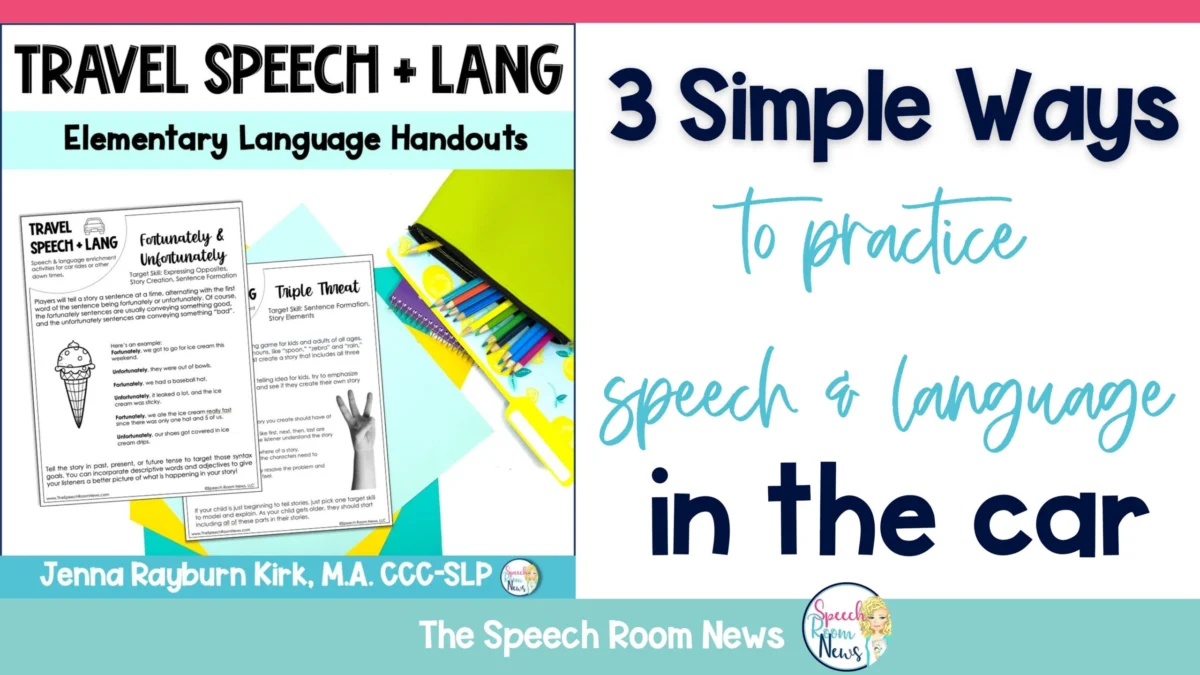
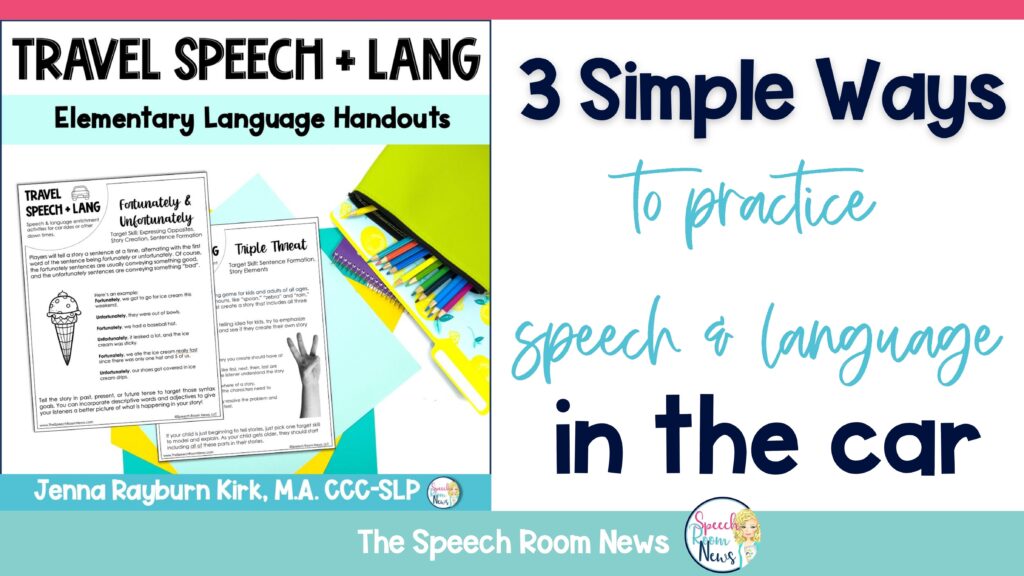
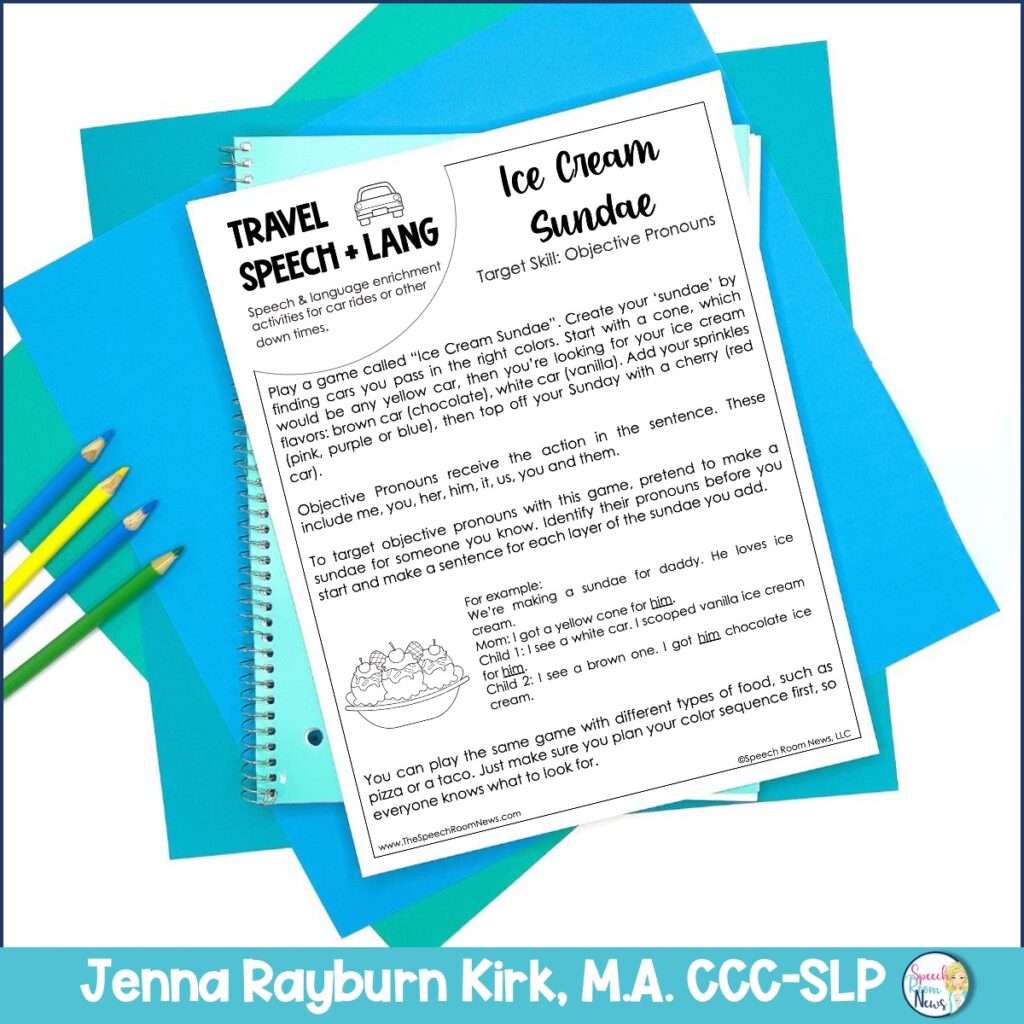
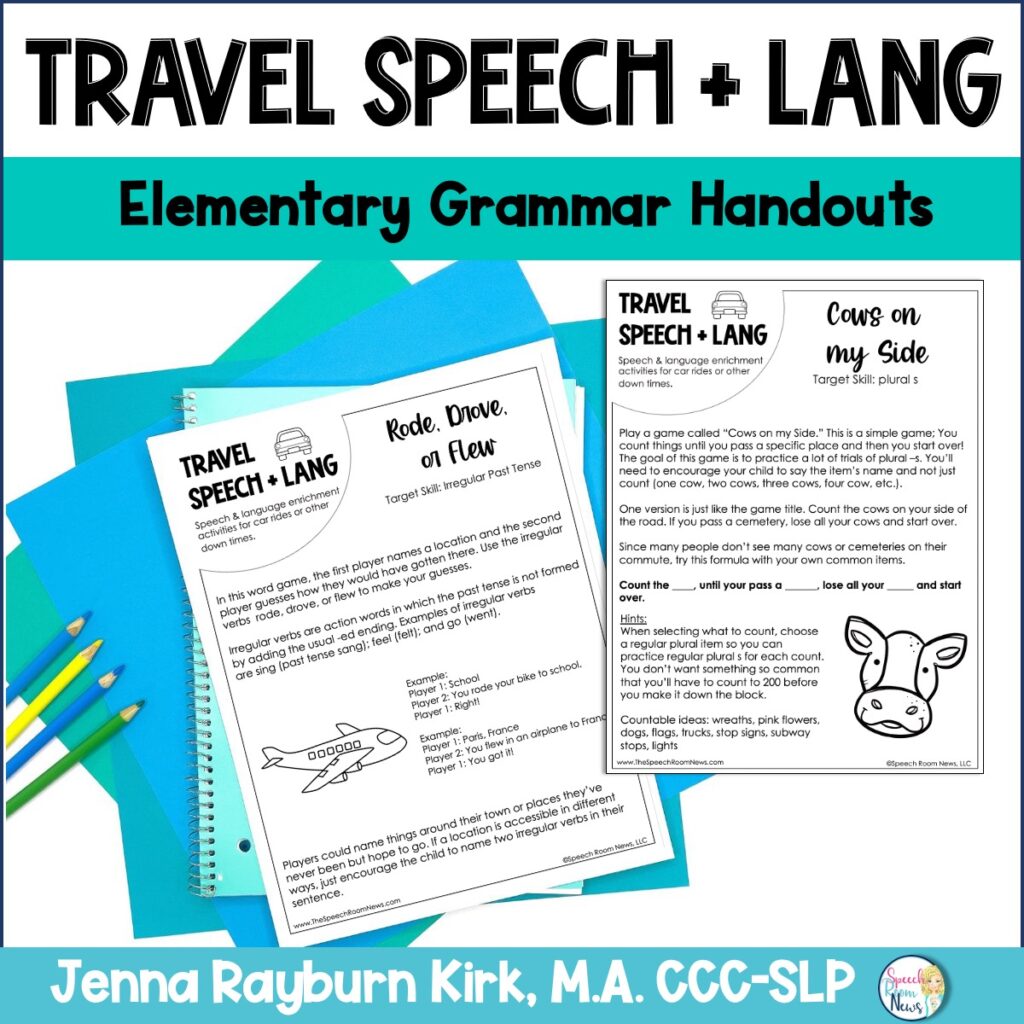
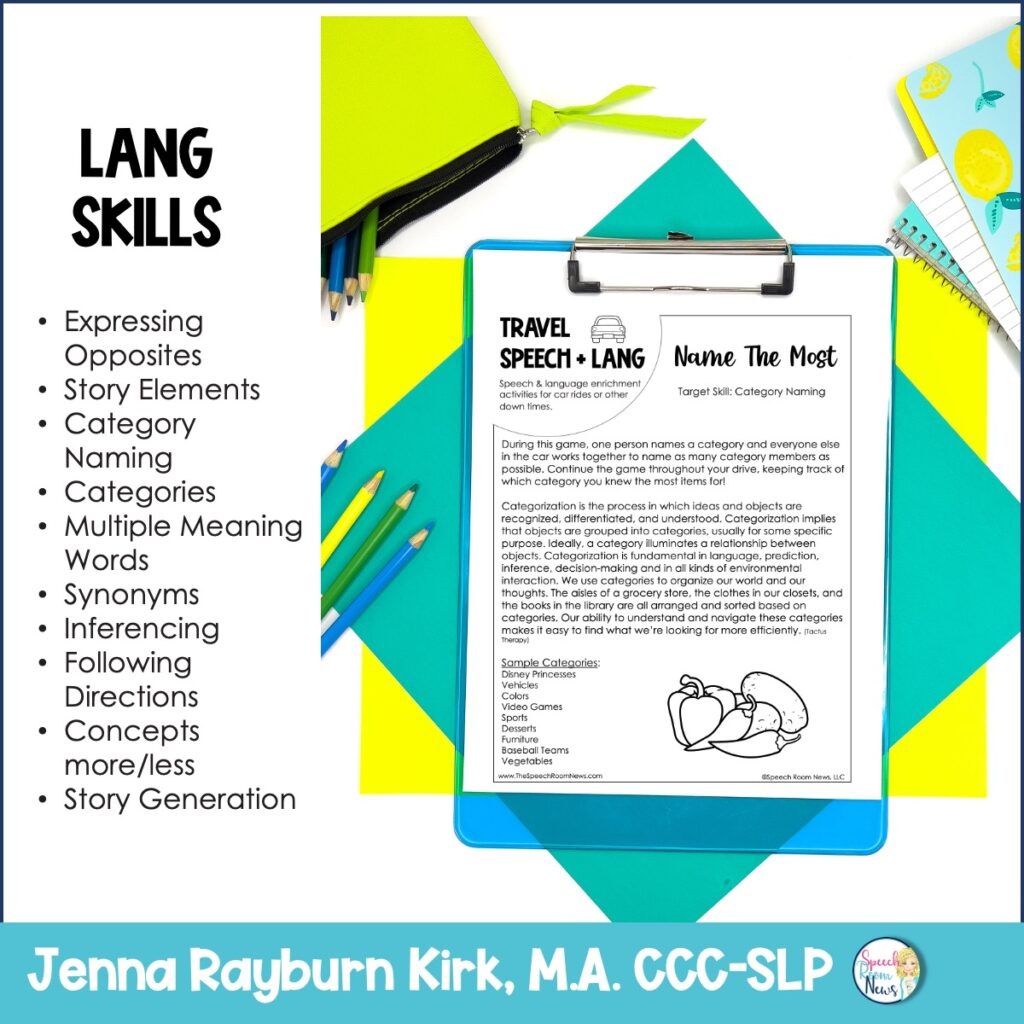
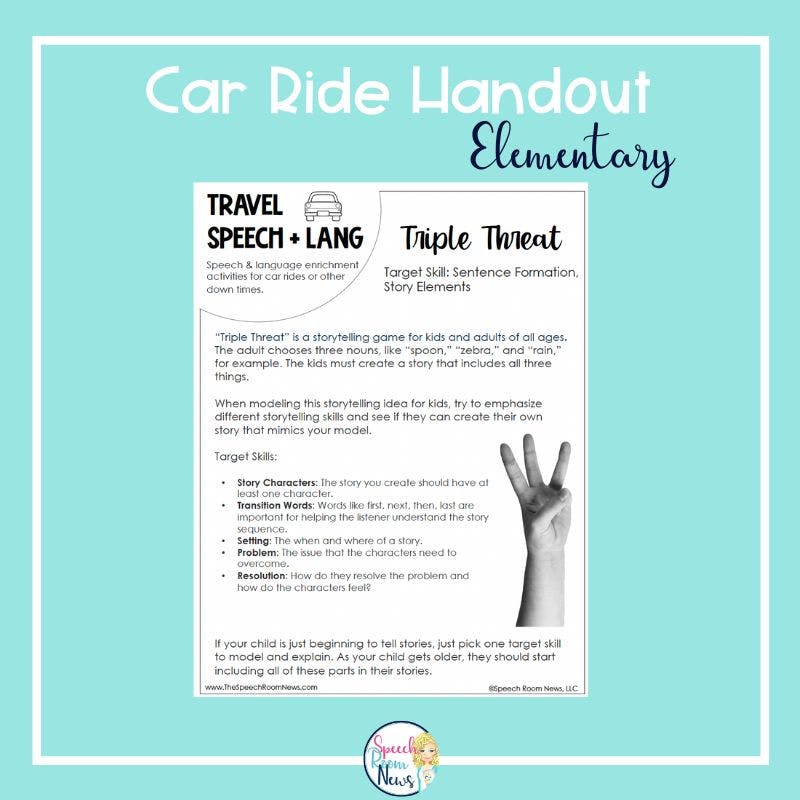
Several simple, yet highly effective, strategies can be implemented during car rides to target various speech and language goals. These activities are designed to be engaging, requiring minimal preparation and leveraging the unique context of vehicular travel. Such approaches empower parents, especially those with children experiencing speech or language delays, by providing practical ways to integrate therapeutic practice into the fabric of everyday life. Resources like the Travel Speech and Language Bundle offer comprehensive handouts with detailed explanations and examples, serving as invaluable guides for families and clinicians alike. These types of materials can be effectively utilized by speech-language pathologists (SLPs) for parent education, posted on clinic bulletin boards, or sent home to reinforce skills learned in therapy.
1. The Grocery Game: Mastering Question Formation
Objective: To enhance a child’s ability to formulate grammatically correct questions, expanding their functional communication and cognitive reasoning.
The Grocery Game is an excellent exercise for developing interrogative sentence structures. One player, typically the adult initially, thinks of a grocery item and keeps it secret. The other players, usually the child or children, take turns asking questions to deduce the item. This game naturally encourages the use of various question types and requires careful thought about word order and syntax.
How to Play:
- Choose a Secret Item: The designated player (e.g., parent) mentally selects an item commonly found in a grocery store.
- Ask Questions: Other players ask "yes" or "no" questions to narrow down possibilities.
- Model and Guide: The adult should model appropriate question structures and provide prompts if the child struggles. For instance, if a child says, "It fruit?" the parent can rephrase, "Is it a fruit?" to provide a correct model.
Targeted Language Skills:
- Question Formation (Grammar/Syntax): Directly addresses the construction of interrogative sentences (e.g., "Is it in the freezer aisle?", "Do you drink it?", "Can you…?", "Will it…?"). This helps children learn the correct auxiliary verbs and subject-verb inversion.
- Functions (Semantics): Encourages thinking about an item’s purpose or action (e.g., "Does it melt?", "Do you eat it for breakfast?").
- Actions (Verbs): Promotes the use of action verbs related to the item (e.g., "Do you bite it?", "Can you slice it?").
- Categories (Semantics/Categorization): Strengthens categorization skills by asking about broader groups (e.g., "Is it a vegetable?", "Is it a dairy product?").
- Associations (Semantics/Relational Concepts): Develops the ability to link items based on shared contexts or uses (e.g., "Is it something that goes on bread?", "Does it come in a box?").
- Inferencing and Deductive Reasoning: Children learn to use previous answers to inform subsequent questions, a crucial cognitive skill.
This activity is particularly effective because it’s open-ended and can be adapted for various age groups and skill levels. For younger children, start with simpler categories and concrete items. For older children, introduce more abstract items or require more complex questions. The focus remains on the process of inquiry, making it a powerful tool for cognitive and linguistic development.
2. Red Light Race: Articulation Practice on the Go
Objective: To provide repeated practice of target speech sounds in a fun, time-bound context, promoting auditory bombardment and phonetic awareness.
The Red Light Race cleverly integrates articulation practice into brief, natural pauses during travel. This game capitalizes on moments when the car is stationary, such as at traffic lights, allowing for focused bursts of sound production without disrupting the flow of driving. Auditory bombardment, where a child hears their target sound repeatedly, is a foundational technique in articulation therapy, helping them tune into and eventually produce the sound correctly.
How to Play:
- Choose a Target Sound and Category: Before starting, the parent and child agree on a specific speech sound (e.g., /s/, /r/, /th/) and a broad category (e.g., animals, foods, things found in a house).
- Race at Red Lights: Each time the car stops at a red light, players take turns naming as many items as possible from the chosen category that include the target sound.
- Model and Count: The adult should model the target sound clearly and consistently. One person names items, and the other counts how many are correctly produced.
Example Categories (with potential target sounds):
- Animals (targeting /s/, /sh/, /r/): Snake, Sheep, Squirrel, Horse, Mouse, Zebra, Shark, Rhino, Bear.
- Foods (targeting /t/, /d/, /k/, /g/): Toast, Doughnut, Cake, Grapes, Milk, Apple, Carrot, Cookie, Tomato.
- Things Found in a House (targeting /l/, /f/, /v/): Lamp, Sofa, Table, Fan, Television, Pillow, Wall, Floor, Light.
- Transportation (targeting /ch/, /j/, /z/): Train, Jet, Car, Bus, Bicycle, Motorcycle, Airplane, Taxi, Truck.
- Clothes (targeting /p/, /b/, /m/): Pants, Button, Shirt, Shoes, Hat, Mittens, Belt, Dress, Sweater.
- Places (targeting /n/, /ng/, /w/): Park, School, Bank, Store, Library, Playground, Restaurant, Hospital, Church.
The adult’s modeling is crucial here. By hearing the target sound repeatedly and correctly produced, children develop stronger auditory discrimination skills, which are prerequisites for accurate articulation. This game can be adapted to focus on sounds in different positions within words (initial, medial, final) or to increase the complexity of words as the child progresses.
3. Triple Threat: Cultivating Narrative and Sentence Structure
Objective: To develop a child’s ability to construct grammatically complex sentences, organize thoughts into a cohesive narrative, and foster imaginative storytelling.
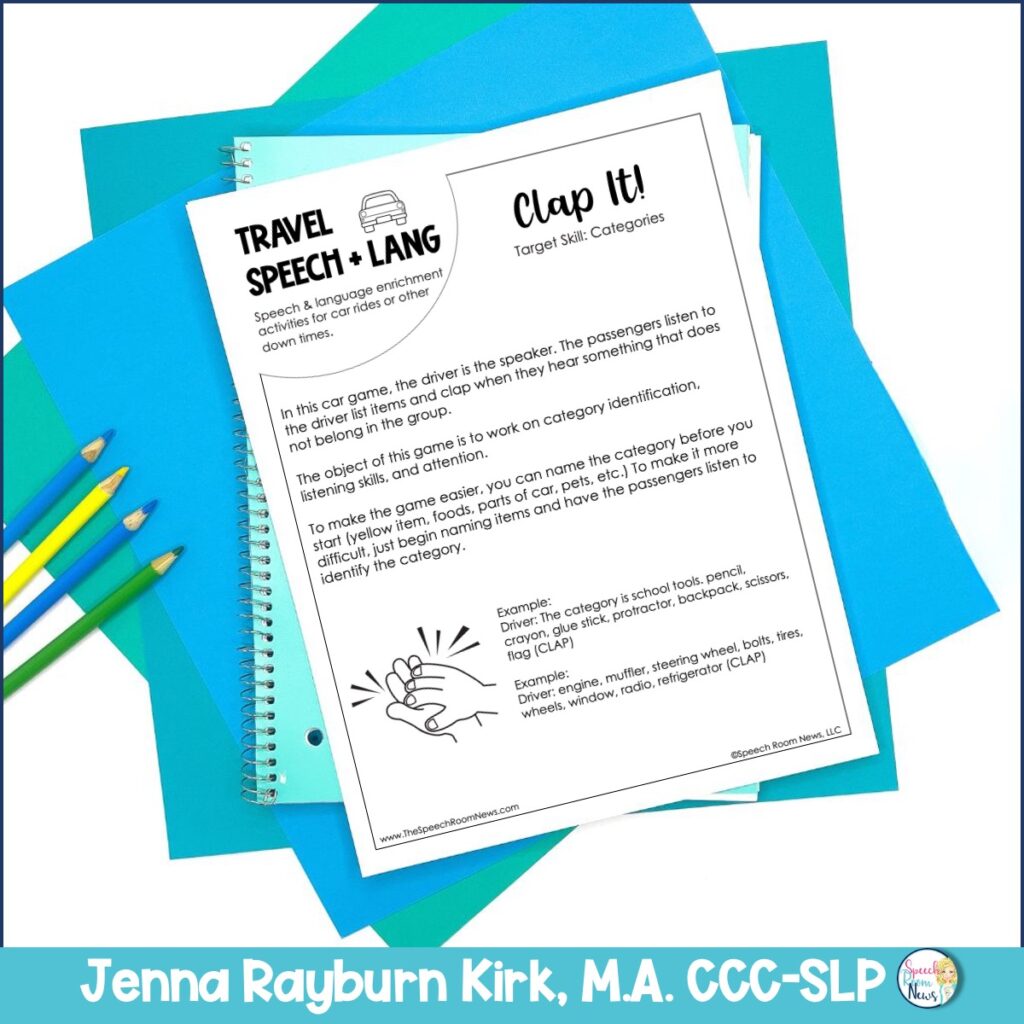
Triple Threat is a dynamic language game that stimulates creativity and strengthens foundational narrative skills. This activity encourages children to synthesize disparate elements into a coherent and often humorous story, promoting both linguistic flexibility and imaginative thinking. Narrative skills are directly linked to literacy development, academic success, and social communication, as they enable children to share experiences, understand concepts, and engage in more complex conversations.
How to Play:
- Choose Three Nouns: The adult selects three unrelated nouns (e.g., "dog," "milk," and "bike") and presents them to the child.
- Create a Story: The child’s task is to invent a story that incorporates all three nouns in a meaningful way. The sillier the story, the more fun and engaging it often becomes.
- Elaborate and Extend: Encourage the child to expand on their story, asking open-ended questions like, "What happened next?" or "How did the dog feel?"
Targeted Language Skills:
- Sentence Formation (Syntax/Grammar): Children must construct grammatically correct sentences to weave the nouns into a narrative. This can target subject-verb agreement, tense, and complex sentence structures.
- Story Retell (Narrative Skills): This activity builds the foundational elements of storytelling, including identifying a beginning, middle, and end, developing characters, and establishing a plot.
- Vocabulary Expansion (Semantics): As children create their stories, they naturally draw upon and expand their vocabulary to describe actions, emotions, and settings.
- Sequencing (Cognitive/Temporal Concepts): Requires children to organize events in a logical or chronological order, which is essential for comprehension and expression.
- Descriptive Language (Adjectives/Adverbs): Prompts the use of descriptive words to make the story more vivid and engaging (e.g., "a fluffy dog," "cold milk," "a shiny bike").
- Problem-Solving and Creativity: Challenges children to think flexibly and imaginatively to connect seemingly unrelated items into a coherent plot.
For children who find this challenging, parents can start with two nouns and gradually increase to three. Providing sentence starters or scaffolding the story with questions can also be helpful. The emphasis is not on perfection but on participation and the creative process of linking ideas through language.
Broader Impact and Implications
The integration of these speech and language activities into daily car commutes offers far-reaching benefits beyond immediate skill acquisition. For children with speech or language delays, consistent, low-pressure practice outside of formal therapy can significantly reduce the time needed to achieve therapy goals. It normalizes the practice, making it less like "work" and more like "play," thereby increasing intrinsic motivation. A 2022 study published in the Journal of Speech, Language, and Hearing Research highlighted that parental involvement in home-based language activities was a significant predictor of improved outcomes for children receiving speech therapy, underscoring the value of these integrated approaches.
Furthermore, these activities foster stronger parent-child bonds through shared, interactive experiences. They provide opportunities for meaningful dialogue, laughter, and mutual discovery, enriching the emotional landscape of the family. The skills developed—from question formation and articulation to narrative development—are fundamental building blocks for academic success, social competence, and emotional intelligence. Children who can communicate effectively are better equipped to express their needs, understand others, engage in collaborative learning, and build healthy relationships.

In an era dominated by screens and passive entertainment, these car-based language games also serve as a valuable alternative, promoting screen-free engagement and direct human interaction. They remind us that powerful learning opportunities can be found in the simplest of routines, requiring only intention and creativity.
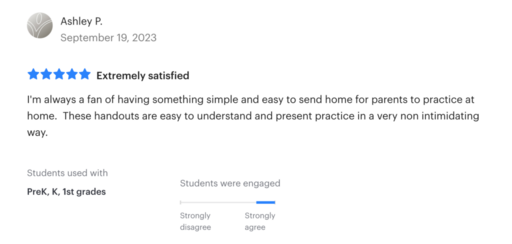
Speech-language pathologists are increasingly recognizing the need to equip parents with practical, actionable strategies for home practice. Resources like the Travel Bundle for Speech and Language, which offers 30 parent handouts with detailed explanations and examples for various games, become indispensable tools in this endeavor. Feedback from practitioners underscores their utility:
- "This bundle is fantastic! It offers parents practical, easy-to-understand ways to support their child’s speech and language development during everyday moments. My families love the ideas!" – An elementary SLP.
- "I use these handouts constantly. They empower parents by showing them how simple activities can make a huge difference. It’s truly a game-changer for home practice adherence." – A school-based SLP.
- "The variety of activities ensures there’s something for every target skill. I appreciate how it bridges the gap between therapy sessions and daily life, making learning continuous." – A private practice SLP.
By transforming routine commutes into dynamic language laboratories, parents and educators can collaboratively build a foundation for lifelong communication success. These intentional efforts, though seemingly small, contribute significantly to a child’s cognitive, social, and emotional development, proving that every journey, no matter how short, can be an opportunity for growth.
