

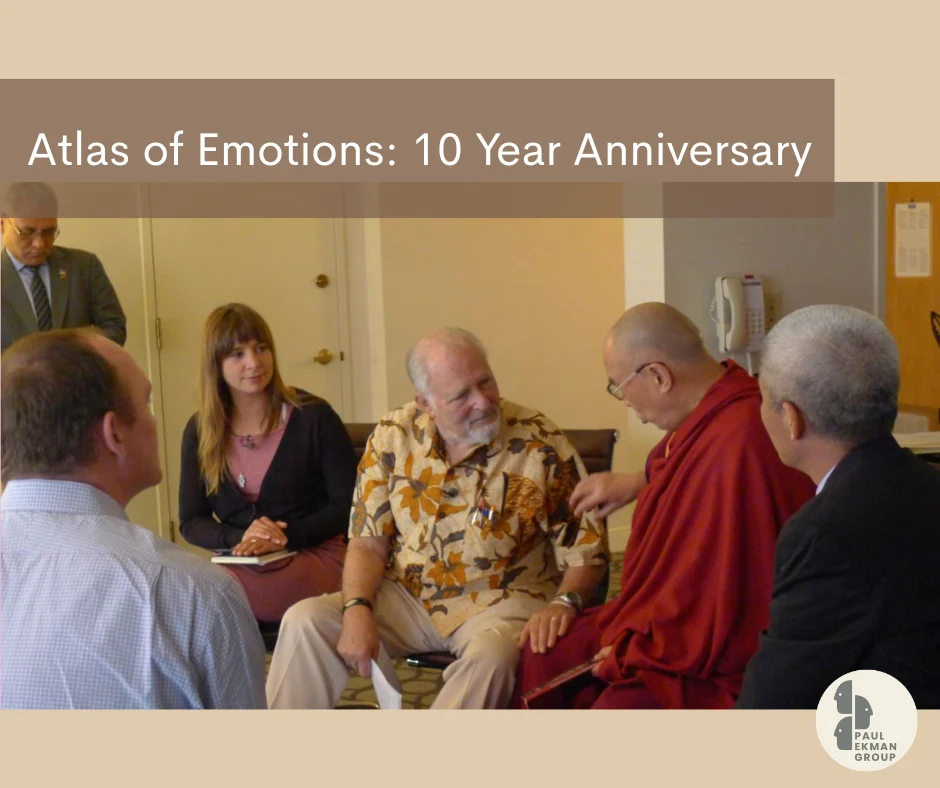
Ten years ago, the world was introduced to a groundbreaking initiative aimed at demystifying the complex terrain of human emotions: the Atlas of Emotions. Launched in 2016, this ambitious project emerged from a unique and profound collaboration between renowned psychologist Dr. Paul Ekman, his daughter and fellow researcher Dr. Eve Ekman, and His Holiness the 14th Dalai Lama. The Atlas was conceived with a singular, yet monumental, goal: to map the intricate landscape of human emotions in a manner that was both scientifically rigorous and universally accessible, fostering greater emotional awareness and understanding across diverse populations.
A decade on, the impact of this pioneering emotional awareness framework continues to resonate and expand. Its influence is demonstrably felt in a multitude of settings, from educational institutions and therapeutic practices to cutting-edge research laboratories and even in the fabric of everyday interpersonal dialogues worldwide. The Atlas has evolved from a novel concept into an indispensable tool for navigating the complexities of the human psyche.
A Rare Glimpse: Behind the Scenes of a Collaborative Genesis
To commemorate this significant tenth anniversary, a remarkable and previously unreleased piece of archival footage has been shared. This video offers a rare, intimate look into a working meeting between Dr. Paul Ekman, Dr. Eve Ekman, and His Holiness the Dalai Lama as they meticulously reviewed and refined the Atlas during its development. This behind-the-scenes glimpse provides invaluable insight into the collaborative spirit and intellectual synergy that underpinned the creation of this influential resource.
The genesis of the Atlas of Emotions was driven by Dr. Paul Ekman’s deep-seated desire to establish a consensus on the fundamental nature of human emotions. His ambition was to identify areas where the scientific community could find common ground, thereby building a robust and universally applicable foundation for understanding emotional states. The captured footage exemplifies the core ethos of this inquiry: an interdisciplinary approach that harmoniously blended rigorous psychological research with sophisticated graphic design and the profound contemplative wisdom of His Holiness the Dalai Lama. This collaborative endeavor was fundamentally built upon a bedrock of consensus. Dr. Ekman’s seminal survey, which polled nearly 250 leading emotion scientists, provided compelling evidence for this agreement, revealing a significant consensus on the nature of universal human emotions. This foundational agreement lent considerable scientific weight and credibility to the subsequent development of the Atlas.
From Initial Launch to Enduring Legacy
Upon its official launch in 2016, the Atlas of Emotions swiftly garnered significant global attention. Its innovative approach to mapping emotions and its success in making complex psychological concepts comprehensible to the general public were widely recognized. Notably, The New York Times featured the Atlas, highlighting its unique methodology and its potential to democratize emotional intelligence. This early and prominent media coverage played a crucial role in catalyzing widespread adoption and fostering a growing appreciation for the resource.
Over the past ten years, the Atlas of Emotions has found diverse applications across a spectrum of fields and contexts. Its utility has been documented in:
- Educational Settings: Teachers and educators have integrated the Atlas into curricula to help students develop emotional literacy, understand their feelings, and build healthier relationships. This has been particularly impactful in fostering social-emotional learning (SEL) programs, which have shown demonstrable improvements in student well-being and academic performance. Studies on SEL programs have indicated a correlation with increased academic achievement, improved classroom behavior, and enhanced social skills.
- Therapeutic Practices: Mental health professionals have utilized the Atlas as a tool to facilitate dialogue with clients, helping them to identify, label, and process a wide range of emotions. This has proven invaluable in various therapeutic modalities, including cognitive behavioral therapy (CBT) and dialectical behavior therapy (DBT), where precise emotional identification is a cornerstone of treatment. Research in psychotherapy has consistently shown that improved emotional awareness is linked to better therapeutic outcomes and reduced symptom severity.
- Research Laboratories: Academics and researchers have employed the Atlas as a framework for conducting studies on emotion regulation, cross-cultural emotional expression, and the neurological underpinnings of affect. The standardized categories and visual representation provided by the Atlas offer a consistent methodology for comparative research. For instance, studies utilizing the Atlas have contributed to a deeper understanding of how different cultural groups conceptualize and express emotions, reinforcing the universality of basic emotional states while acknowledging cultural nuances.
- Personal Development: Individuals worldwide have turned to the Atlas for self-exploration, seeking to enhance their self-awareness, improve their communication skills, and cultivate greater emotional resilience in their personal lives. The accessible nature of the Atlas empowers individuals to take a more proactive role in managing their emotional well-being.
- Conflict Resolution and Diplomacy: The principles underlying the Atlas have been applied in contexts requiring enhanced understanding and empathy, aiding in de-escalation and fostering more constructive dialogue. By providing a common language and framework for discussing emotions, the Atlas can facilitate more effective mediation and conflict resolution.
The broad adoption and varied applications underscore the Atlas’s significant contribution to fostering emotional intelligence on a global scale. Its ability to translate complex psychological theory into practical, everyday understanding has been a key driver of its enduring success.
Shaping the Future: A Call for User Insights
As the Atlas of Emotions celebrates this significant milestone, the focus is equally directed towards the future. The project team is actively seeking input from its global user community to inform the next phase of its development. This participatory approach reflects a commitment to ensuring the Atlas remains relevant, responsive, and continually evolving to meet the needs of its users.
"We are incredibly proud to reach this ten-year mark," stated a representative from the Atlas of Emotions project. "The journey has been profoundly rewarding, witnessing how the Atlas has empowered individuals and communities to engage more deeply with their emotional lives. Now, as we look ahead, we are eager to hear directly from those who have used the Atlas. Your experiences are invaluable in guiding our future endeavors and ensuring the Atlas continues to serve as a vital resource."
Users are invited to share their personal journeys and insights by answering a few key questions:
- How have you personally utilized the Atlas of Emotions in your life or work?
- What specific emotions or emotional dynamics has the Atlas helped you to better perceive or comprehend?
- In what ways has the Atlas contributed to positive changes or developments in your understanding or management of emotions?
The project has established a dedicated feedback portal, accessible via a Google Form, where individuals can submit their experiences. This direct line of communication is crucial for gathering qualitative data that will shape the strategic direction of future updates and initiatives.
Charting the Course Ahead: Innovations and New Frontiers
The celebration of the Atlas’s tenth anniversary is accompanied by exciting announcements regarding its future trajectory. Significant updates are planned for the online, interactive Atlas of Emotions, promising an even more dynamic and engaging user experience. These enhancements are expected to incorporate new features, expanded content, and refined navigation, building upon the existing robust platform.
Furthermore, Dr. Eve Ekman is currently undertaking the development of a comprehensive Atlas of Emotions book. This forthcoming publication, slated for release in 2027, is anticipated to be a seminal work that will significantly expand upon the foundational concepts of the original Atlas. The book will delve deeper into the scientific underpinnings of emotions, offer updated research insights, and explore novel applications for understanding and navigating the emotional spectrum that profoundly shapes human existence. This literary expansion represents a commitment to providing a more in-depth and scholarly exploration of emotional intelligence, making this vital knowledge accessible to an even wider audience.
The development of the book and the upcoming online updates signify a continued dedication to advancing the field of emotional awareness. By offering both enhanced digital resources and a comprehensive written guide, the Atlas of Emotions aims to solidify its position as a leading authority and a vital tool for fostering emotional well-being and understanding in an increasingly complex world. Individuals interested in being among the first to know about the book’s availability are encouraged to join the dedicated announcement list, ensuring they will be promptly informed of its release. The Atlas of Emotions continues to evolve, driven by a commitment to scientific rigor, collaborative spirit, and the enduring human pursuit of greater self-awareness and emotional mastery.
