

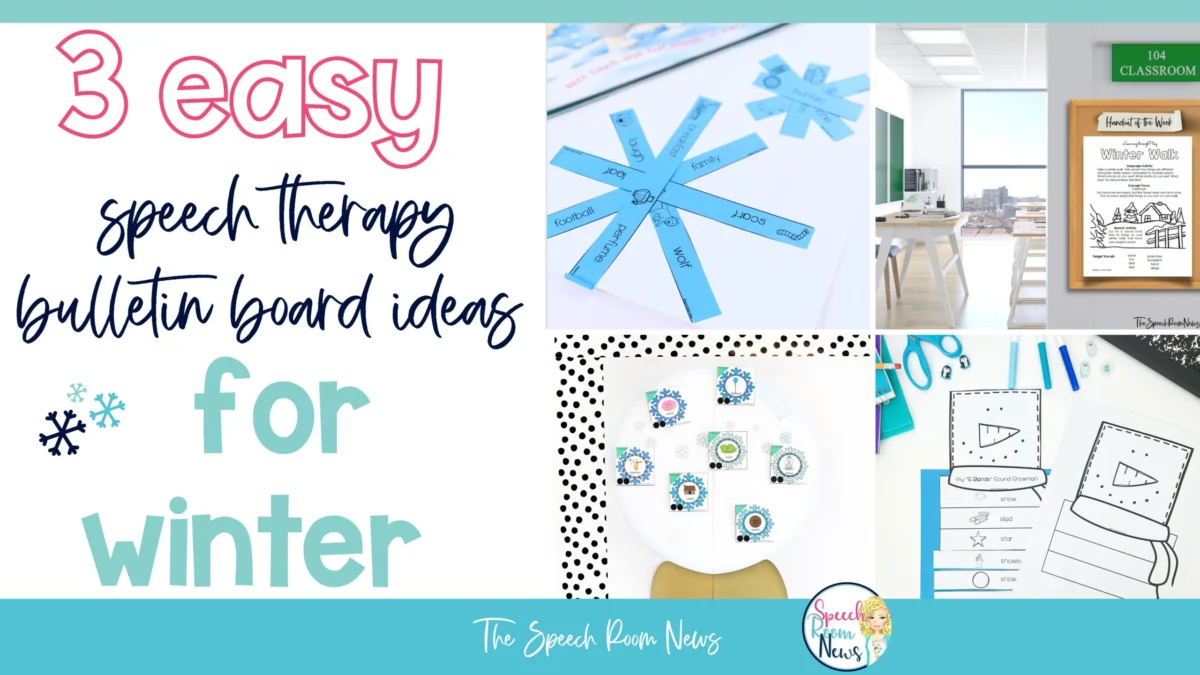
The strategic utilization of classroom and therapy room environments plays a pivotal role in fostering effective learning, particularly within specialized fields such as speech-language pathology (SLP). Beyond mere decoration, well-designed bulletin boards serve as dynamic educational tools that can significantly augment therapeutic interventions. For Speech-Language Pathologists, integrating visual aids and interactive displays into their practice is not just about aesthetics but about creating a rich, stimulating, and supportive learning ecosystem that reinforces therapeutic goals. This approach becomes particularly salient during distinct periods, such as the winter months, when seasonal themes can be leveraged to maintain student engagement and introduce novel therapeutic activities.
The Foundational Framework for Therapeutic Displays

Speech-Language Pathologists often categorize their bulletin board designs into three primary types to maximize their therapeutic impact and manage preparation time efficiently: demonstrative, interactive, and functional. This classification allows for a deliberate rotation throughout the academic year, aligning with curriculum cycles, student intake, and specific therapy goals. For instance, at the commencement of a new school year, an interactive or functional board might be prioritized to engage new students and their families, providing an immediate glimpse into the therapeutic process and fostering excitement for upcoming sessions. As the year progresses, and particularly during seasonal transitions like winter, these categories offer a structured approach to evolving the therapeutic environment.
Demonstrative Displays: Fostering Expression and Ownership
Demonstrative bulletin boards are characterized by showcasing student-created work, transforming the therapy room into a gallery of achievement. This approach not only celebrates individual progress but also provides tangible evidence of learning, which can be highly motivating for students. The process of creating these crafts is inherently therapeutic, addressing multiple skill areas beyond just speech and language. For the winter season, two particularly effective and easily implementable crafts are the Snowflake Paper Strip Craft and the Snowman Articulation Chop.
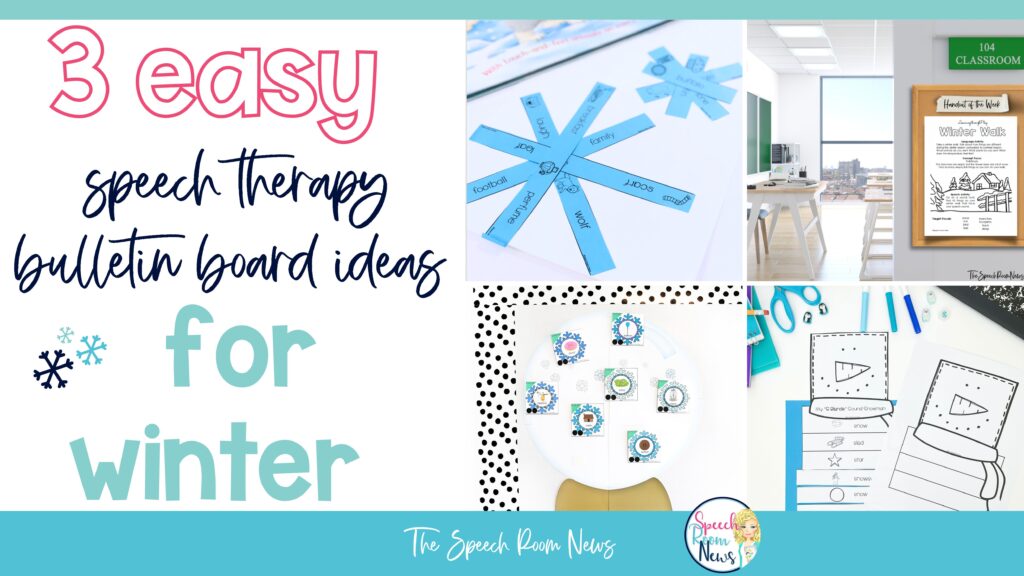
The Snowflake Paper Strip Craft exemplifies "fake crafting" due to its minimal preparation and high engagement potential. By utilizing pre-cut paper strips, students can focus on the linguistic tasks at hand without being overwhelmed by complex cutting or assembly. This craft, often sourced from comprehensive sets like "Year Round Craft Paper Strip Art for Articulation and Language," is highly adaptable. SLPs can print articulation targets or language prompts on the paper strips themselves. As students practice their target words or phrases, they then assemble the strips into a snowflake shape. This multisensory activity combines auditory practice with visual and kinesthetic input, reinforcing neural pathways for speech sound production. For students requiring additional motor support, printing on cardstock increases paper resistance, facilitating easier cutting and manipulation, thereby integrating fine motor skill development directly into the therapeutic activity. The completed snowflakes, each unique and bearing the student’s practiced words, are then displayed, creating a personalized and pride-inducing demonstrative board.
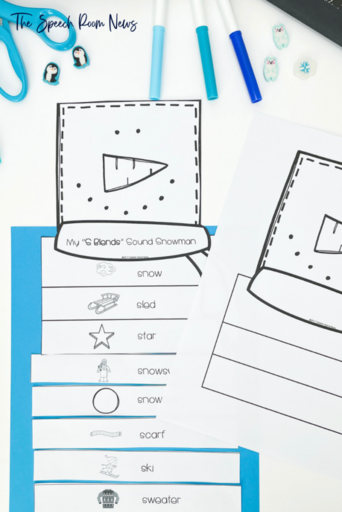
Similarly, the Snowman Articulation Chop offers a straightforward yet impactful craftivity. Students practice speech goals while cutting out strips of paper, which are then assembled to form a snowman. This activity targets articulation, phonological processes, and language concepts, depending on the words printed on the strips. The repetitive cutting action, coupled with verbal practice, aids in motor planning for speech and improves fine motor dexterity. The simplicity of adding a colored carrot nose or a construction paper hat allows for creative expression without significant time investment, making it a favorite among students and a practical option for SLPs. These student-generated displays serve as constant visual reminders of progress, fostering a sense of accomplishment and contributing to a positive therapeutic atmosphere. Research consistently highlights the importance of visual reinforcement and student agency in educational settings, with studies indicating that displaying student work can significantly boost self-esteem and intrinsic motivation, leading to improved therapeutic outcomes.
Interactive Boards: Engaging Active Learning and Reinforcement

Interactive bulletin boards transform passive displays into dynamic learning stations, encouraging students to actively engage with therapeutic materials. This approach is particularly effective in reinforcing skills through repetition and providing immediate, tactile feedback. Such boards can serve as transitional activities, warm-ups, or cool-downs, extending therapeutic practice beyond structured session times.
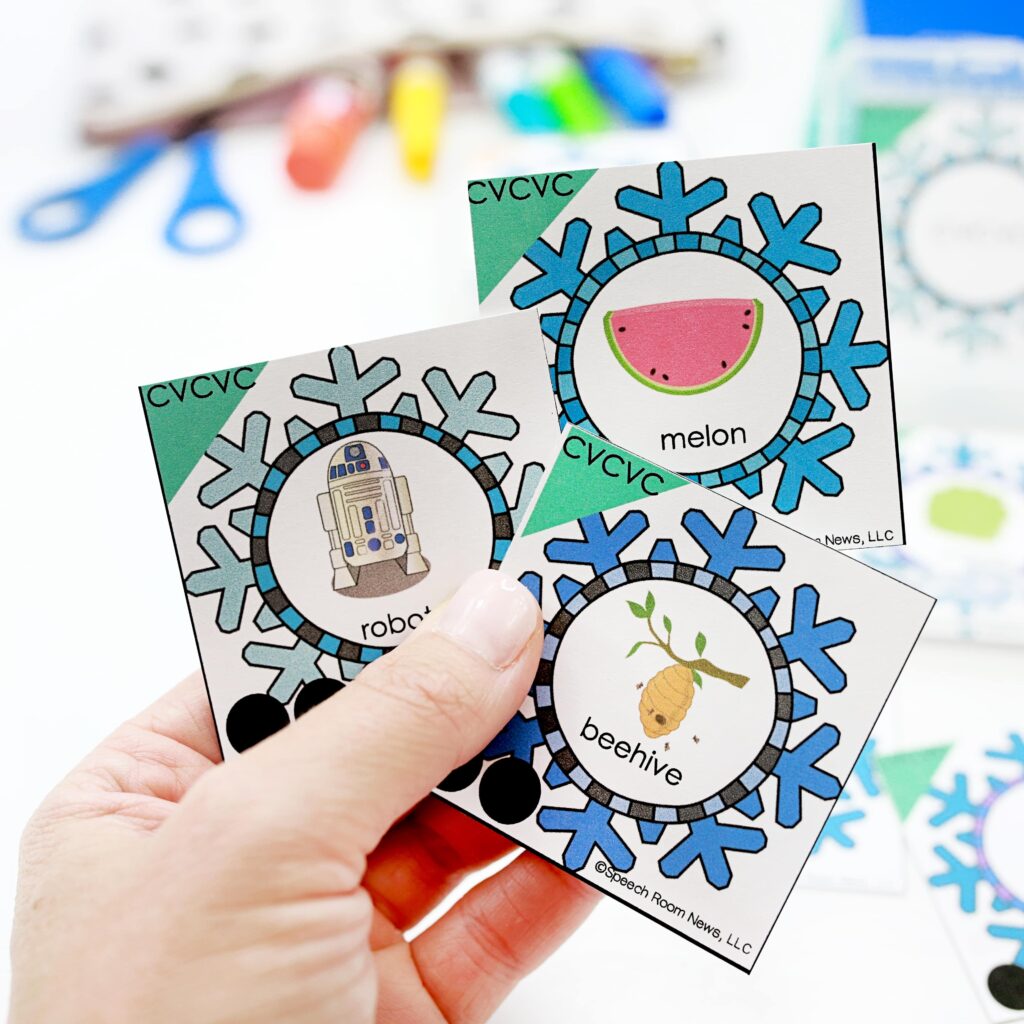
The "Falling Flakes: Apraxia Snowflakes" set provides an excellent example of an interactive winter-themed board. Each snowflake card features an image and a word, specifically designed for children with apraxia of speech. A crucial element is the inclusion of black dots in the bottom left corner, representing the number of syllables. Students are encouraged to touch these dots as they produce the corresponding sounds, providing a multisensory cue for syllable segmentation and pacing. The cards are further organized by color and syllable pattern in the top left corner, aiding in quick selection and targeted practice. By integrating a poster-sized snow globe with velcro dots on the bulletin board, and attaching corresponding velcro to the snowflake cards, students can physically add or remove flakes while practicing. This hands-on interaction transforms abstract linguistic concepts into concrete, manipulable elements, enhancing motor planning for speech and improving phonetic accuracy. The tactile engagement helps solidify the connection between visual, auditory, and kinesthetic input, a cornerstone of apraxia therapy.
Another powerful interactive tool is the "Falling Flakes: Phonology Activities" set, designed to target phonological disorders using minimal pairs. Minimal pairs are words that differ by only one sound (e.g., "fan" vs. "pan"), and their use is highly effective in helping children distinguish between sounds and modify their speech patterns. Similar to the apraxia set, these snowflake cards feature images and words, organized by color and pattern. An interactive poster-sized globe with velcro dots allows students to attach and detach snowflake cards as they practice minimal pairs. This repetitive, hands-on activity helps generalize targeted phonological processes into spontaneous speech. The availability of other winter-themed posters within the set ensures variety and sustained engagement throughout the winter months, preventing monotony and keeping the therapeutic environment fresh. The effectiveness of interactive learning is well-documented in educational psychology, with theories such as constructivism emphasizing that learners construct knowledge through active engagement with their environment. For speech therapy, this translates into more robust and generalized skill acquisition.
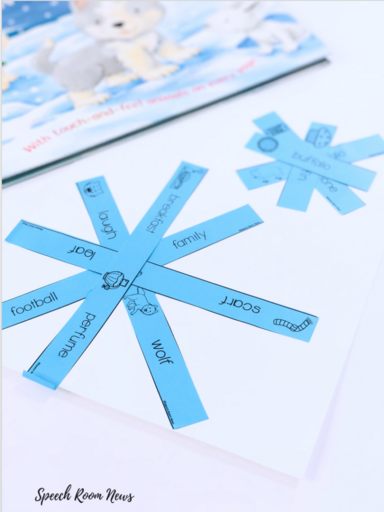
Functional Boards: Bridging Therapy and Home Environments
Functional bulletin boards serve a crucial role in extending therapeutic benefits beyond the therapy room by providing resources and guidance for parents and caregivers. These boards aim to empower families to integrate speech and language practice into daily routines, fostering skill generalization and strengthening the home-school connection. The "Winter Speech and Language Packet: Learning Through Play" exemplifies this category.
This packet offers a collection of parent handouts designed to help families leverage common winter activities to enhance their child’s communication skills through play. Activities such as "Snowball Fight," "Snowman Building," "Sledding," "Hot Chocolate Preparation," "Winter Clothing Exploration," and "Making Cookies" are broken down into simple, actionable steps that target various speech and language goals. For instance, during a "Snowball Fight," parents can be guided to encourage descriptive language ("big," "soft," "fast"), turn-taking, requesting ("more snowballs!"), and articulation practice for words containing specific sounds (e.g., "snow"). Preparing "Hot Chocolate" offers opportunities for following directions, sequencing, vocabulary related to ingredients and actions, and social communication skills.
The strategic placement of these handouts on a functional bulletin board makes them readily accessible to parents who might be waiting for their children or passing by the therapy room. This passive dissemination of information ensures that valuable strategies are shared without requiring direct, lengthy consultations with each family. Furthermore, the availability of a Spanish version of this packet underscores a commitment to inclusivity and cultural responsiveness, ensuring that resources are accessible to diverse linguistic communities. This not only supports non-English speaking families but also validates their cultural context within the therapeutic process. The implications of strong home-school collaboration are profound, with numerous studies demonstrating that parental involvement is a key predictor of academic and therapeutic success. By providing practical, play-based strategies, SLPs facilitate consistent practice in natural environments, which is essential for the generalization of newly acquired speech and language skills.
The Broader Pedagogical Context and Implications
The integration of demonstrative, interactive, and functional bulletin boards within speech-language pathology is rooted in established pedagogical principles and therapeutic best practices. The efficacy of visual aids in education is well-supported by research, demonstrating improved comprehension, retention, and engagement, particularly for visual learners and those with specific learning challenges. For children with speech and language disorders, who often struggle with auditory processing or memory, visual and tactile cues provide essential scaffolding.
Moreover, the emphasis on student-created work aligns with constructivist learning theories, where learners actively build knowledge through experience and reflection. Displaying student crafts fosters a sense of pride and ownership, contributing to a positive self-concept crucial for children navigating communication difficulties. Interactive boards, by promoting active engagement and immediate feedback, resonate with principles of active learning and spaced repetition, which are known to enhance skill acquisition and retention. The functional boards, by involving parents, exemplify the ecological approach to therapy, recognizing that a child’s development is influenced by their entire environment, including the home.
From a professional standpoint, strategic bulletin board planning offers SLPs a time-efficient method for environmental enrichment. Given the often-demanding caseloads and administrative responsibilities, having pre-planned, adaptable resources like those mentioned (e.g., "Year-Round Craft Paper Strip Art") can significantly reduce preparation time while maintaining high-quality therapeutic support. This systematic approach allows SLPs to focus more on direct student interaction and less on material creation.
The broader implications extend to fostering a more inclusive and supportive school environment. A therapy room adorned with engaging, purposeful displays signals a welcoming and dynamic space, reducing anxiety for students and families. It also educates the wider school community about the role of speech therapy, showcasing the diverse learning processes and achievements within the program. The adaptability of these winter-themed ideas to other seasons ensures that the therapeutic environment remains fresh and relevant throughout the year, maintaining student interest and providing endless opportunities for skill reinforcement. Ultimately, the thoughtful design and implementation of bulletin boards by Speech-Language Pathologists contribute significantly to creating an optimal learning environment that enhances therapeutic outcomes, empowers families, and celebrates student progress.
