

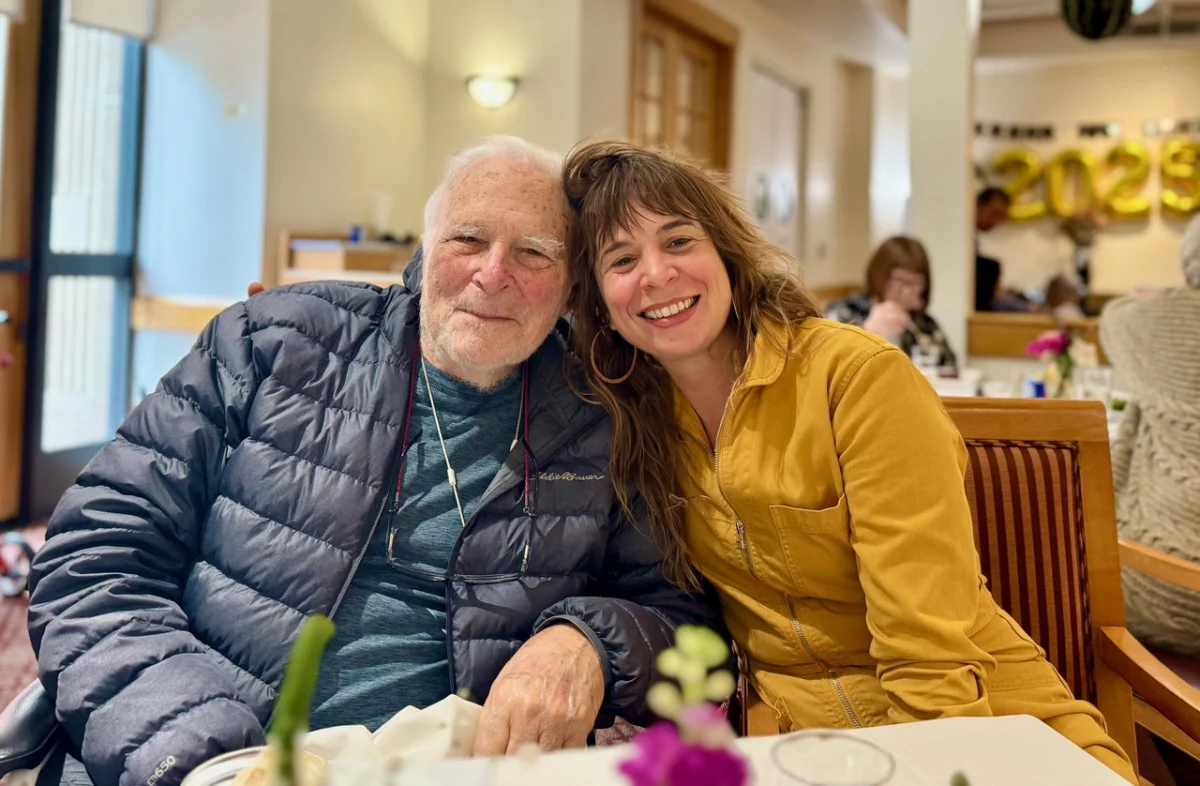
The passing of Dr. Paul Ekman, a pioneering figure in the study of human emotion and a renowned psychologist, marks the end of an era in scientific inquiry. Ekman, whose groundbreaking work on facial expressions and universal emotions shaped fields ranging from psychology and neuroscience to national security and animation, leaves behind a legacy that is both scientifically profound and deeply human. While recent discussions have centered on the controversies surrounding some aspects of his research, a comprehensive view reveals a life dedicated to rigorous scientific pursuit, profound personal transformation, and an unwavering commitment to reducing human suffering through a deeper understanding of emotion and the cultivation of compassion.
Ekman’s journey was profoundly shaped by early life experiences. Born into a world marked by loss and trauma, these formative years instilled in him a deep-seated drive to understand the roots of human suffering and the emotional responses that underpin it. This personal history, though not widely known to all, became a powerful motivator, fueling his lifelong dedication to becoming the kind of supportive and present parent he himself had yearned for. His daughter, Eve Ekman, a clinical social worker and a key figure in carrying forward his work, has spoken of his unwavering commitment to this ideal, describing him as a father who was not only a parental figure but a trusted friend and collaborator. "He wasn’t perfect, but he poured himself into being present, curious, loving, and supportive," she noted in a poignant reflection. "He became not only a parent to me and my brother, but a true friend and collaborator – someone who showed up in every chapter of my life with fierce loyalty and genuine delight, a real co-conspirator."
The Genesis of a Scientific Career
Paul Ekman’s academic career was characterized by a relentless pursuit of empirical evidence. His early research, conducted in the 1960s and 1970s, focused on the universality of facial expressions of emotion. Collaborating with Wallace V. Friesen, Ekman traveled to remote cultures, including the Fore people of Papua New Guinea, who had had no prior contact with the Western world. Their findings, published in seminal works like "Unmasking the Face" (1972) and "Emotion in the Human Face" (1971), provided compelling evidence that certain facial expressions associated with basic emotions—such as happiness, sadness, anger, fear, surprise, disgust, and contempt—were recognized across diverse cultures. This challenged prevailing theories that viewed emotional expression as solely a product of cultural learning.
The methodology employed by Ekman and Friesen involved showing photographs of various facial expressions to individuals in these isolated communities and asking them to match the expressions to specific emotion-laden stories. The high degree of agreement observed provided robust support for the concept of universal facial expressions, a cornerstone of his subsequent research. This work, replicated and expanded upon by numerous researchers over the decades, has been instrumental in developing tools for identifying deception, understanding cross-cultural communication, and informing therapeutic interventions. The impact of this research has permeated various sectors, including law enforcement, intelligence agencies, and even the entertainment industry, where animators and designers have utilized Ekman’s insights to create more emotionally resonant characters.
A Transformative Encounter and a Shift in Perspective
A pivotal moment in Paul Ekman’s life and career occurred in the year 2000. A meeting in Dharamsala, India, brought together Ekman, His Holiness the Dalai Lama, and a distinguished group of scientists and contemplatives to explore the nature of "Destructive Emotions." This gathering, intended to foster dialogue between scientific and contemplative traditions, proved to be a profound turning point for Ekman. For years, he had grappled with his own struggles with anger, a personal battle that deeply informed his professional inquiries. The experience in Dharamsala, as described by his daughter, offered him an "unmistakable, embodied sense of what it might feel like to live with less reactivity and anger."
This encounter was not merely an intellectual exercise but an experience that resonated deeply within him. He frequently spoke of this moment, admitting that he could never fully articulate the profound shift it engendered. The Dalai Lama’s aspiration, as conveyed by Eve Ekman, was to share the practical tools of Buddhist practice to alleviate suffering by fostering emotional understanding, cultivating a calm mind, and promoting kindness in an interconnected world. Paul Ekman embraced this philosophy wholeheartedly. His innate scientific curiosity, coupled with his newfound personal insight, propelled him to integrate his decades of research with the contemplative traditions he had come to deeply respect.
Cultivating Emotional Balance and Building Bridges
The convergence of Ekman’s scientific expertise and his deepened understanding of contemplative practices led to the development of innovative programs designed to help individuals manage their emotions and reduce suffering. A significant outcome of this transformative period was the creation of "Cultivating Emotional Balance" (CEB). Co-developed by Paul Ekman and Alan Wallace, a prominent scholar of Buddhist philosophy and meditation, CEB is an evidence-based training program that merges ancient wisdom with modern psychological science. The program aims to equip participants with practical tools to understand their emotional responses, cultivate mindfulness, and develop greater emotional regulation.
Eve Ekman, with her background as a clinical social worker specializing in trauma, played a crucial role in translating these concepts into practical applications. She has been instrumental in supporting and teaching CEB, which has been offered globally to diverse populations, demonstrating its broad applicability and effectiveness. This initiative underscores Ekman’s dedication to translating scientific discovery into tangible benefits for individuals and communities.
The Atlas of Emotions: A Global Lexicon for the Inner World
Furthering his commitment to enhancing emotional literacy, Paul Ekman, in collaboration with his daughter Eve, embarked on the creation of the "Atlas of Emotions." Commissioned by the Dalai Lama in 2016, this free online tool was designed to provide a universal vocabulary for describing the vast spectrum of human emotional experiences. The Atlas offers a comprehensive framework for understanding the nuances of emotions, their triggers, and their potential pathways. By providing a shared language, the Atlas aims to foster greater empathy, improve interpersonal communication, and ultimately contribute to a more compassionate world. The impending relaunch of the Atlas of Emotions, marking its ten-year anniversary, is a testament to its enduring relevance and the vision behind its creation. Both CEB and the Atlas of Emotions stand as powerful embodiments of Paul Ekman’s late-career focus: empowering individuals to understand their emotions as a pathway to reducing suffering for themselves and for others.
Addressing Scientific Discourse and Legacy
In the wake of his passing, discussions surrounding Paul Ekman’s work have, at times, been framed by the concept of "controversy," particularly in relation to critiques of his universalist theories. Eve Ekman has expressed her concern that some obituaries, such as one in The New York Times, have overemphasized a singular dissenting opinion, potentially overshadowing the vast body of peer-reviewed research that has supported, expanded, and refined his foundational contributions. She emphasizes that disagreement is an inherent and vital part of the scientific process, and that her father welcomed such discourse. However, she argues that presenting his life’s work primarily through a selective critique, rather than acknowledging the hundreds of studies and dozens of laboratories that have built upon his findings, misrepresents his significant scientific impact and the broader field of emotion research.
The implications of Ekman’s work extend far beyond academic circles. His research has demonstrably advanced global understanding of human emotion across a wide array of disciplines, including psychology, neuroscience, medicine, anthropology, national security, and even the creative arts. The ability to objectively identify and analyze emotional expressions has had practical applications in fields such as criminal justice, where it aids in lie detection, and in international relations, where it can facilitate cross-cultural understanding. In animation and film, his work has been crucial in developing characters with authentic and relatable emotional arcs.
A Legacy of Transformation and Service
Paul Ekman’s life was a testament to the power of personal transformation and the profound impact of dedicating one’s life to a cause greater than oneself. He not only pursued scientific truth with unwavering rigor but also engaged in a deeply personal journey of self-improvement. His willingness to share his own vulnerabilities, to mend relationships, and to soften over the years into a man characterized by joy, open-heartedness, and generosity is a powerful aspect of his legacy. He maintained deep and meaningful connections until the final months of his life, a testament to his enduring capacity for love and connection.
His daughter’s reflection paints a comprehensive picture: a scientist of immense influence, certainly, but also a man who rebuilt himself from painful beginnings, who underwent profound and visible personal change, and who skillfully brought together ancient wisdom and modern science. Above all, he was a human being who dedicated his life to understanding emotion and expanding compassion, and who never ceased learning how to love well. This nuanced understanding of his life—one that encompasses both his monumental scientific contributions and his deeply personal journey of growth—is the legacy that Eve Ekman hopes will be held, a story of scientific achievement intertwined with profound human transformation. The outpouring of well wishes from individuals around the world underscores the significant and positive impact of his work and his life.
