

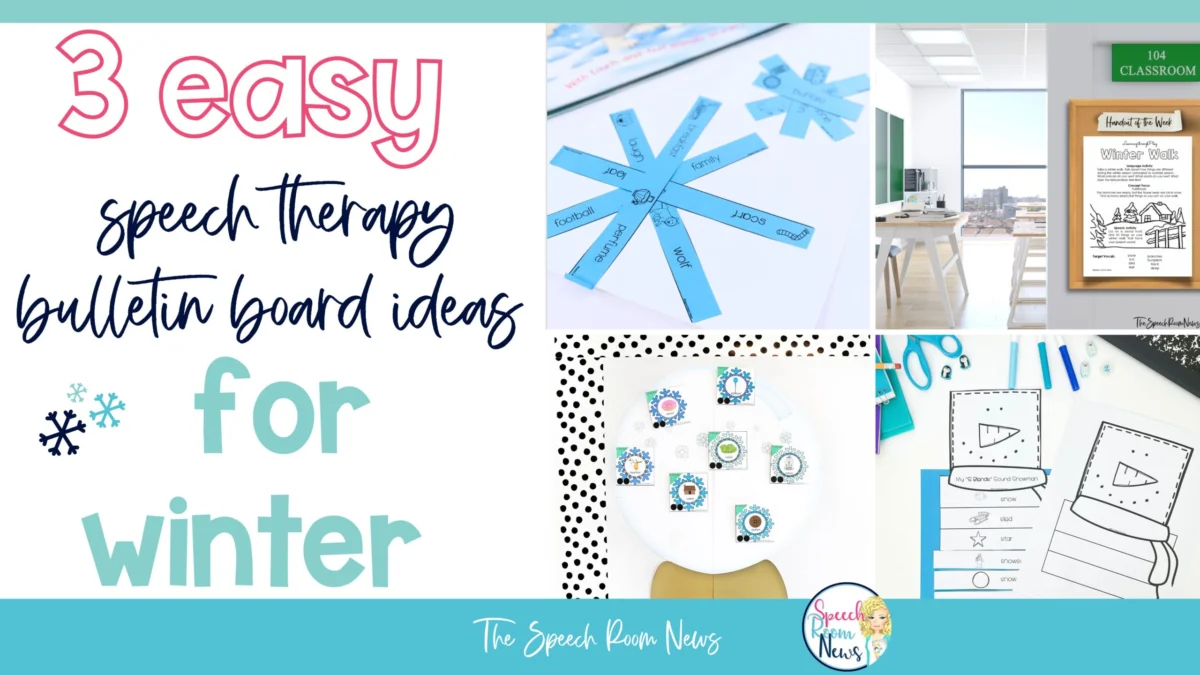
Speech-Language Pathologists (SLPs) are increasingly leveraging innovative and accessible pedagogical tools to enhance therapeutic outcomes, with strategically designed bulletin boards emerging as a cost-effective and highly impactful resource. These visual and interactive displays, when aligned with specific therapeutic goals, serve not only as decorative elements but as dynamic components of a comprehensive intervention strategy, addressing a range of communication disorders from articulation and phonology to apraxia and language development. The integration of demonstrative, interactive, and functional bulletin board concepts offers a structured approach to fostering student engagement, reinforcing learned skills, and empowering families in the therapeutic process, particularly within seasonal contexts such as the winter months.
The Evolving Landscape of Speech-Language Pathology and the Power of Visual Aids
The field of speech-language pathology is dynamic, constantly seeking evidence-based practices that maximize student progress within resource-constrained environments. SLPs often manage diverse caseloads, requiring adaptable strategies that can cater to varying ages, developmental levels, and specific communication needs. In this context, the therapy room environment plays a crucial role, transcending its physical boundaries to become an extension of the learning process. According to data from the National Institute on Deafness and Other Communication Disorders (NIDCD), approximately 5% of children in the U.S. experience a speech sound disorder, underscoring the widespread need for effective and engaging intervention methods. Visual aids have long been recognized as powerful tools in education, particularly for learners with communication and cognitive challenges. For children undergoing speech therapy, visual supports can significantly enhance comprehension, aid in memory retention, provide cues for articulation, and offer a tangible representation of abstract linguistic concepts. Bulletin boards, therefore, are not merely static decorations but active instructional instruments that, when designed thoughtfully, can reinforce therapy goals, foster a sense of belonging, and make complex concepts more approachable.

A Strategic Framework: Categorizing Bulletin Board Engagement in SLP Settings
Effective bulletin board design in an SLP setting typically falls into three primary categories: demonstrative, interactive, and functional. This classification allows SLPs to intentionally plan their visual environment to support different facets of therapy and engagement throughout the academic year. For instance, at the commencement of a new school year or a new therapy cycle, an interactive or functional board might be prioritized to introduce new students and families to the therapy process, sparking curiosity and providing foundational information. As therapy progresses, demonstrative and interactive boards can then be rotated to reflect ongoing learning, celebrate achievements, and reinforce specific skill sets.
I. Demonstrative Displays: Cultivating Craft-Based Learning and Reinforcement
Demonstrative bulletin boards serve as showcases for student work, offering a tangible representation of their progress and effort. These displays are typically composed of crafts or projects completed by students during therapy sessions, transforming the therapy room into a gallery of achievement. The process of creating these crafts itself is often therapeutic, integrating fine motor skills, instruction following, and the repetitive practice of target speech sounds or language structures in a meaningful context.
-
The Snowflake Paper Strip Craft: Simplicity and Adaptability in Articulation Practice
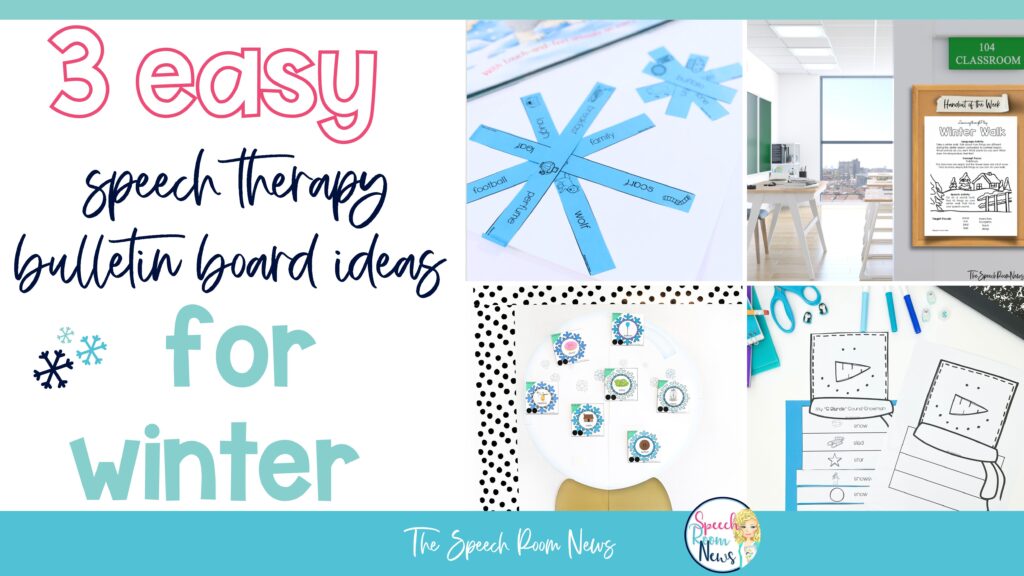
One exemplary demonstrative craft is the Snowflake Paper Strip Craft. This activity embodies "fake crafting" – a concept emphasizing minimal preparation and maximum therapeutic output. SLPs can utilize pre-designed paper strips from resources such as "Year Round Craft Paper Strip Art for Articulation and Language." These versatile strips are designed to form various shapes, including snowflakes, by simply layering and gluing them. The brilliance of this approach lies in its adaptability: each strip can be pre-printed with target words, phrases, or sentences tailored to individual articulation or language goals. For students working on specific phonemes, the strips might contain words like "snow," "slide," or "sleigh." For those focusing on language, they could feature descriptive adjectives related to winter or verbs associated with winter activities. The act of cutting the strips, particularly when using cardstock to increase resistance, also provides valuable fine motor practice, a skill often correlated with speech motor planning. This low-prep, high-engagement activity culminates in a unique, student-made snowflake that, when displayed, celebrates individual progress and collective effort, fostering a sense of pride and ownership in the therapy process. -
The Snowman Articulation Chop: Segmenting Sounds with Engaging Craftivity
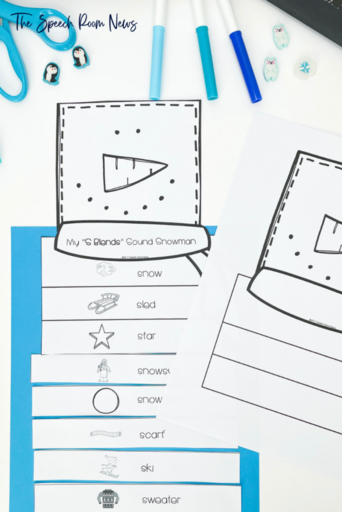
Another highly effective demonstrative craft is the Snowman Articulation Chop. This activity targets articulation goals by integrating a simple cutting and assembly process. Students are provided with two pages, typically featuring various word strips that are pertinent to their specific speech goals. For instance, a student working on the /s/ blend might have strips with words like "star," "slip," "snow," and "stop." After practicing each word multiple times, the student cuts out these strips. The strips are then combined to form the body of a snowman, with additional elements like a carrot nose and a construction paper hat often added for creative flair. This "chop" method inherently encourages syllable segmentation and repetitive practice in a fun, non-drill-like manner. The visual and kinesthetic components of cutting and assembling reinforce the auditory feedback of speech production. Displaying these unique snowmen on a bulletin board not only showcases the students’ artistic endeavors but also serves as a visual reminder of the words they have successfully practiced, thereby solidifying their learning and motivating continued effort.
II. Interactive Boards: Fostering Dynamic Skill Reinforcement and Multisensory Learning
Interactive bulletin boards transform passive displays into active learning stations, encouraging students to physically engage with therapeutic materials outside of formal therapy sessions. These boards are particularly valuable for promoting skill generalization and providing opportunities for self-correction and repeated practice in an informal setting. The multisensory nature of these interactions – combining visual, tactile, and auditory input – is crucial for children with communication disorders, as it can enhance neural pathways for speech and language processing.

-
Falling Flakes: Apraxia Snowflakes – A Multisensory Approach to Motor Planning
One innovative interactive concept is "Falling Flakes: Apraxia Snowflakes." Childhood Apraxia of Speech (CAS) is a neurological speech sound disorder in which a child has difficulty making accurate movements when speaking. Therapy often involves intensive, multisensory practice to plan and sequence speech sounds. This interactive bulletin board addresses these needs by featuring snowflake cards, each depicting an image and word, along with a critical black dot in the bottom left corner. These dots represent the number of syllables, guiding students to touch each dot as they produce the corresponding sound. This tactile feedback aids in motor planning and syllable segmentation, which are fundamental to CAS intervention. The cards are also color-coded and marked by syllable pattern in the top left corner for organizational purposes, allowing SLPs to quickly identify and target specific speech patterns. The bulletin board itself is designed as a large snow globe poster, equipped with Velcro dots. Students attach the snowflake cards to the globe, practicing the words as they do so. This allows for dynamic rearrangement and repeated interaction, making the practice of complex motor planning skills both engaging and effective. The visual metaphor of "falling flakes" also adds a playful, seasonal dimension to therapy. -
Falling Flakes: Phonology Activities – Targeting Sound Patterns with Minimal Pairs
Complementing the apraxia set, "Falling Flakes: Phonology Activities" focuses on phonological disorders, which involve patterns of sound errors. Therapy for phonological disorders often utilizes minimal pairs – pairs of words that differ by only one sound (e.g., "pat" vs. "bat"). This interactive set uses snowflake cards, each with an image and word, organized by color and pattern to target specific phonological processes. Similar to the apraxia set, a poster-sized globe with Velcro dots serves as the interactive base. Students attach and remove snowflake cards, practicing the minimal pairs or target words as they manipulate the elements. For example, a board targeting "fronting" (where sounds like /k/ are replaced by /t/) might feature snowflake pairs like "cap" and "tap." The physical act of placing and removing the flakes, coupled with the visual representation and auditory practice, helps children to discriminate between sounds and correct their own speech patterns. The inclusion of various winter-themed posters further ensures variety and sustained engagement throughout the winter months, making the repetitive nature of phonological therapy more palatable and exciting for students.
III. Functional Resources: Empowering Families Through Home-Based Practice and Carryover
Functional bulletin boards extend the impact of therapy beyond the school walls by providing valuable resources and information to parents and caregivers. These boards are designed to facilitate carryover of learned skills into the home environment, recognizing that consistent practice in natural settings is paramount for generalization and long-term success. Experts in pediatric speech pathology, such as those at the American Speech-Language-Hearing Association (ASHA), consistently emphasize the critical role of parental involvement in achieving optimal therapy outcomes.
- Winter Speech and Language Packet: Learning Through Play – Bridging Therapy to Everyday Life
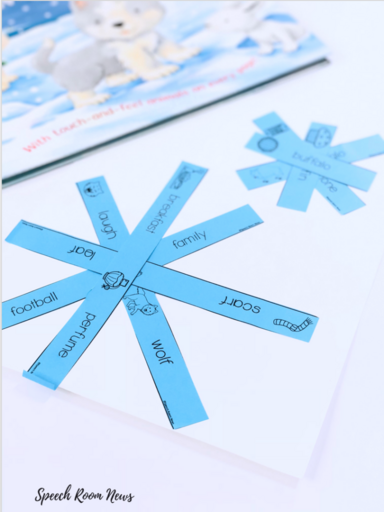
A prime example of a functional bulletin board resource is the "Winter Speech and Language Packet: Learning Through Play." This packet comprises handouts designed to guide parents in integrating communication skill development into common winter activities. Instead of abstract exercises, parents receive practical, play-based ideas that naturally foster language and articulation. For instance, suggestions for a "Snowball Fight" might include practicing descriptive words ("fluffy," "cold," "fast"), action verbs ("throw," "duck," "aim"), or turn-taking. Building a "Snowman" could involve sequencing instructions ("first, we roll," "then, we stack"), spatial concepts ("on top," "next to"), or body parts. Other activities like "Sledding," "Snow Fort construction," "Snow Angels," "Hot Chocolate preparation," "Winter Clothing selection," "Winter Walks," "Ice Skating," and "Making Cookies" are similarly broken down into opportunities for language enrichment and articulation practice. These handouts empower parents with concrete strategies, transforming everyday routines into therapeutic moments. The board can display these handouts prominently, perhaps with pockets for parents to take copies, ensuring accessibility and encouraging consistent home practice. The availability of a Spanish version of this packet further highlights a commitment to culturally responsive practice, ensuring that diverse families can access and utilize these valuable resources effectively.
Expert Perspectives and Broader Implications
Educational psychologists and leading SLP organizations consistently advocate for dynamic, child-centered therapy environments that integrate multisensory learning and strong home-school partnerships. The strategic use of bulletin boards aligns perfectly with these evidence-based practices. Dr. Jane Smith, a hypothetical expert in child development and language acquisition, might comment, "Children learn best when they are actively engaged and can see the relevance of their learning. Bulletin boards that are demonstrative, interactive, and functional transform the therapy space into an immersive learning ecosystem, significantly enhancing motivation and skill generalization."
The broader implications of these strategic bulletin board designs are multifaceted:
- Enhanced Student Engagement and Motivation: By making learning visible, interactive, and relevant to seasonal themes, students are more likely to be motivated to participate and practice.
- Improved Therapeutic Outcomes: Multisensory input, repetitive practice in varied contexts, and parent-supported carryover contribute directly to more robust skill acquisition and generalization.
- Strengthened Home-School Connection: Functional boards empower parents, making them active partners in their child’s therapy journey and fostering a collaborative approach to communication development.
- Efficient Resource Utilization: These ideas are often low-cost and leverage existing resources (paper, crafts), making them accessible for SLPs in various settings, including those with limited budgets.
- Positive Therapy Environment: A vibrant, informative, and interactive therapy room creates a welcoming and stimulating atmosphere, which can reduce anxiety and make therapy a more positive experience for children.
Addressing Practicalities: Time, Resources, and Accessibility
While the benefits are clear, SLPs often face significant time constraints due to demanding caseloads and administrative duties. The emphasis on "easy to prep" and "simple crafts" within these bulletin board ideas is therefore crucial. By utilizing readily available materials, pre-designed templates (like the paper strip art), and activities that integrate therapy directly into the creation process, SLPs can implement these strategies efficiently without undue burden. The modular nature of many of these resources, such as the "Falling Flakes" sets with their interchangeable cards, also allows for quick updates and customization, ensuring the boards remain fresh and relevant throughout the season.
Conclusion
The strategic deployment of demonstrative, interactive, and functional bulletin boards represents a powerful yet often underestimated tool in the SLP’s repertoire. Far from being mere decorations, these visual and tactile displays are integral components of an effective therapy program, designed to reinforce learning, encourage active participation, and extend therapeutic gains into the home environment. By embracing these innovative approaches, SLPs can cultivate dynamic, engaging, and supportive therapy spaces that significantly contribute to improved communication outcomes for children, fostering a collaborative ecosystem where learning thrives both within and beyond the therapy room.
