

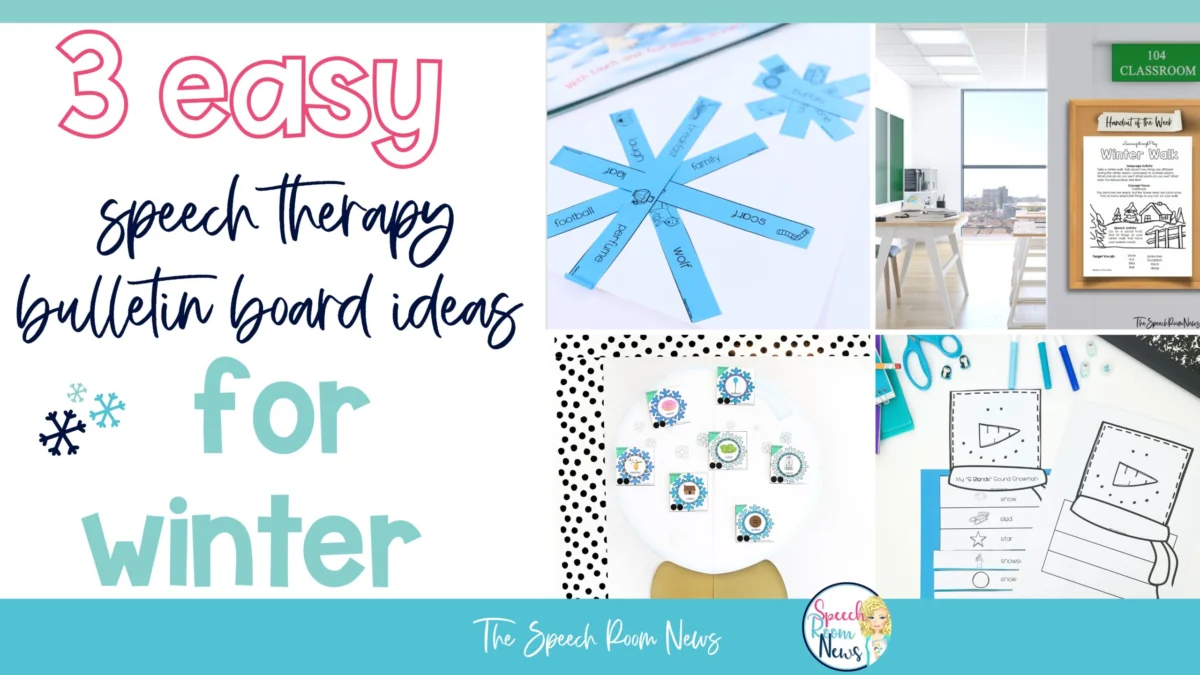
The deliberate design and implementation of bulletin boards within Speech-Language Pathology (SLP) environments serve as a critical, yet often underappreciated, pedagogical tool. Far from mere decoration, these visual displays are increasingly recognized as dynamic components of the therapeutic process, categorized primarily into demonstrative, interactive, and functional applications. This structured approach, advocated by experienced practitioners, facilitates student engagement, reinforces therapeutic goals, and fosters a vital home-school connection. The strategic rotation of these board types throughout the academic year allows SLPs to adapt to evolving student needs and optimize the learning environment, particularly during transitional periods like the start of a new school year when new students and families are introduced to therapy services.
The Foundational Role of Visual Aids in Speech Therapy
Speech-Language Pathologists are tasked with addressing a diverse array of communication disorders, including articulation, phonological processes, language comprehension and expression, fluency, and social communication. In this multifaceted role, visual supports are paramount. Research in cognitive psychology and educational neuroscience consistently highlights the efficacy of visual aids in enhancing memory, facilitating comprehension, and supporting the acquisition of new skills, especially for learners with specific communication needs. Bulletin boards, when thoughtfully designed, capitalize on these principles by transforming otherwise passive wall space into active learning zones. This integrated approach not only makes the therapy room more inviting but also embeds learning opportunities into the physical environment, contributing to a more immersive and effective therapeutic experience.

Demonstrative Bulletin Boards: Showcasing Progress and Promoting Pride
Demonstrative bulletin boards serve as a powerful medium for showcasing student achievements and reinforcing therapeutic concepts through tangible outputs. These boards typically feature crafts or projects completed by students during their therapy sessions, turning individual accomplishments into collective celebrations. The process of creating these items is intrinsically linked to therapeutic goals, making the display a direct reflection of learning and progress.
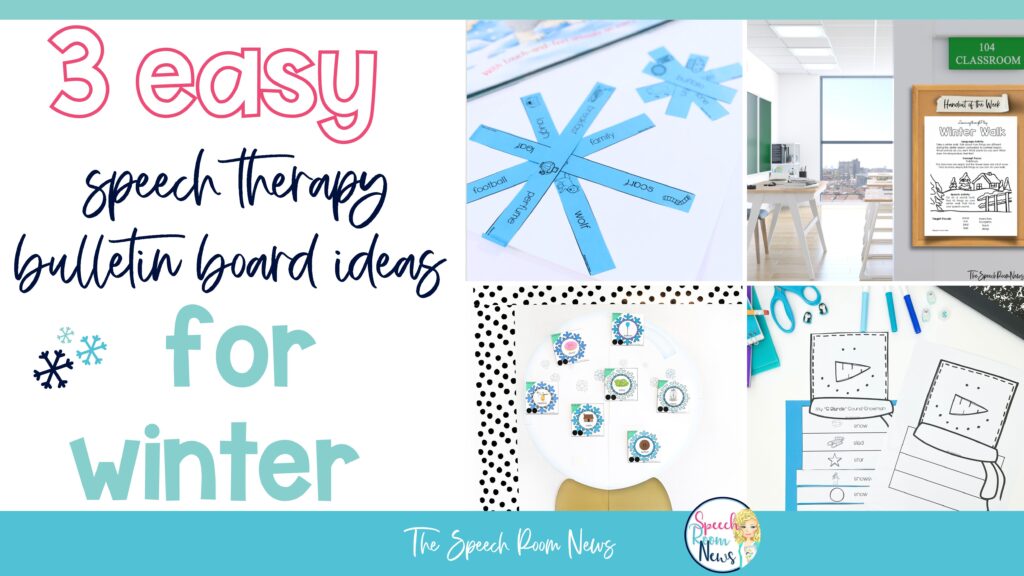
One highly effective and easily replicable demonstrative approach involves "fake crafting," a term used to describe crafts that are simple in execution but rich in therapeutic value. A prime example for the winter season is the Snowflake Paper Strip Craft. This activity leverages readily available materials, such as colored paper strips, which students cut and assemble after practicing targeted speech or language objectives. The "Year Round Craft Paper Strip Art for Articulation and Language" resource, for instance, provides templates and guidance for adapting paper strip crafts to various shapes and themes. For the snowflake craft, blue computer paper can be used, with cardstock offering increased resistance for students who may benefit from enhanced tactile feedback during cutting, thereby also developing fine motor skills crucial for academic readiness. The therapeutic integration occurs when students articulate specific words, phrases, or sentences associated with their speech goals before or during the cutting and gluing process. For example, a student targeting the /s/ sound might say "snip, snip, strip" or "seven strips of paper" while working. The finished snowflake, a visual representation of their effort and articulation practice, is then proudly displayed, fostering a sense of accomplishment and ownership over their therapy journey.
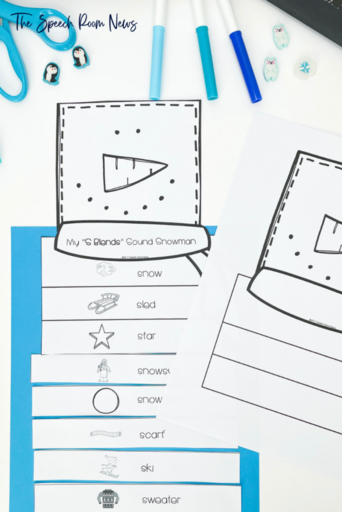
Another popular craftivity for demonstrative boards is the Snowman Articulation Chop. This activity involves printing specific articulation or language targets on strips of paper, which students then "chop" (cut) and assemble into a snowman figure. The "chopping" action can be linked to syllable segmentation, phoneme isolation, or breaking down longer words, directly correlating a physical action with a linguistic skill. For instance, a student working on multisyllabic words might say each syllable as they cut a strip. Beyond articulation, this craft can be adapted for language goals such as sequencing (first, next, last to build the snowman), describing (the snowman’s features), or following multi-step directions. The simplicity of the craft, often enhanced with minor additions like a colored carrot nose or a construction paper hat, makes it highly engaging for students and minimizes prep time for the SLP. The display of these personalized snowmen transforms the bulletin board into a gallery of progress, motivating students and illustrating the practical application of their therapeutic work.
The pedagogical rationale behind demonstrative boards extends beyond mere aesthetics. Displaying student work promotes self-esteem and provides positive reinforcement, critical elements for sustained engagement in therapy. It also offers a visual record of their journey, allowing students to reflect on their past efforts and current achievements. For other students, these boards can serve as inspiration and peer modeling, demonstrating that successful outcomes are attainable through consistent effort.
Interactive Bulletin Boards: Fostering Active Learning and Incidental Practice
Interactive bulletin boards transform passive observation into active participation, offering dynamic opportunities for students to engage with therapeutic materials outside of formal session times. These boards are particularly valuable in high-traffic areas, such as hallways or waiting rooms, where students can spontaneously practice skills, reinforce concepts, and explore language in a low-pressure environment. The design principle here is to create a hands-on experience that encourages repetition and generalization of learned skills.
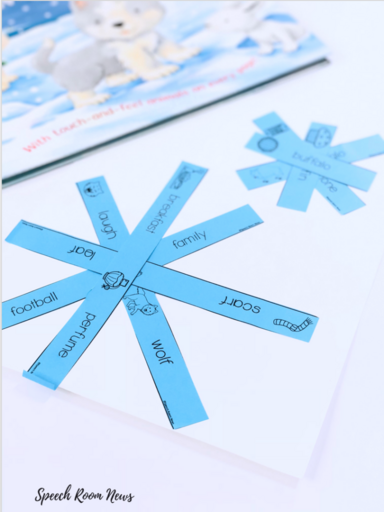
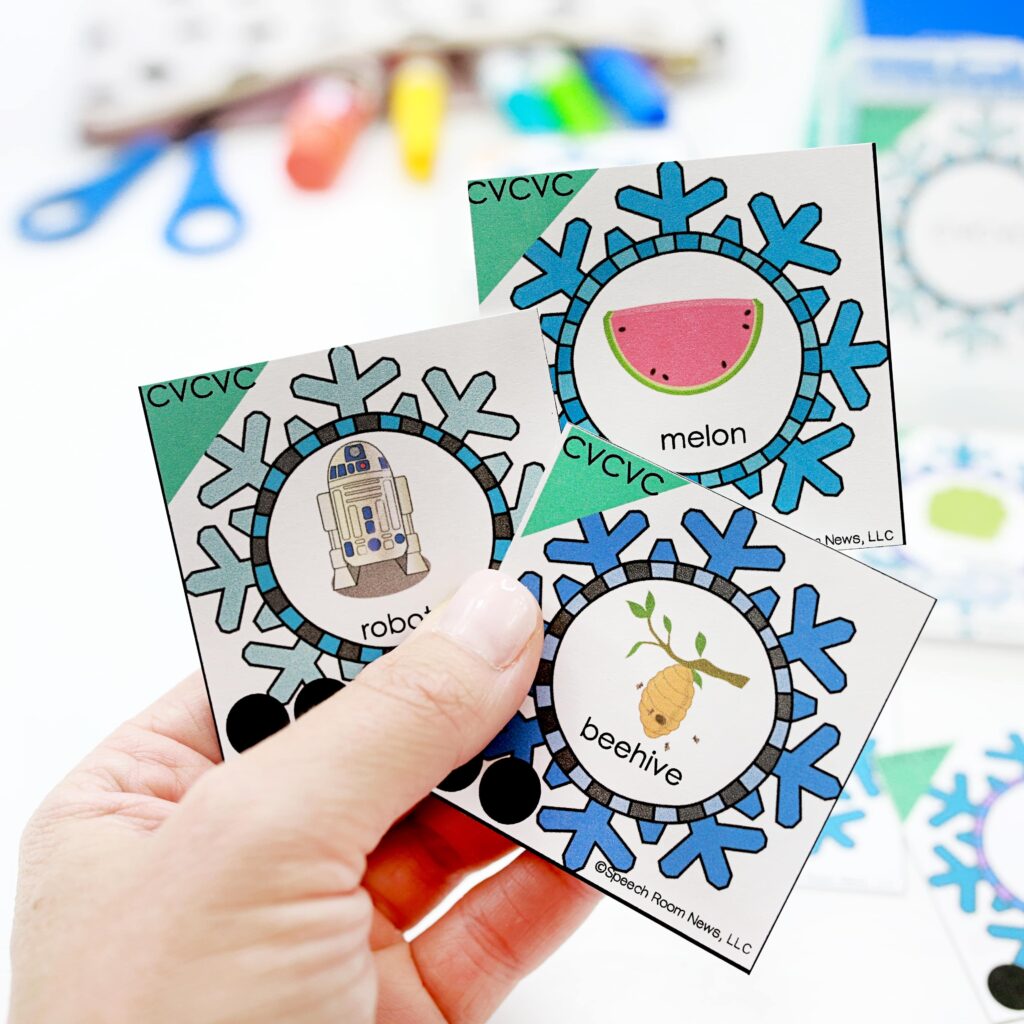
A compelling example of an interactive winter-themed board is the "Falling Flakes: Apraxia Snowflakes" set. This resource targets Childhood Apraxia of Speech (CAS), a motor speech disorder that impacts the planning and sequencing of movements required for speech. Each snowflake card in the set features an image and a word, crucially accompanied by black dots in the bottom left corner. These dots correspond to the number of syllables in the word, serving as multisensory cues for students to touch as they produce each syllable. This tactile-kinesthetic input is vital for students with CAS, helping to establish motor plans for speech. The cards are also color-coded and patterned by syllable structure (e.g., CV, CVC, CVCV) to aid organization and targeted practice. To make this interactive, a large poster of a snow globe can be affixed to the bulletin board, equipped with velcro dots. Students then attach velcro to the back of the snowflake cards, allowing them to place and remove flakes from the globe while practicing the words. This setup encourages repeated practice, self-monitoring, and a playful approach to a challenging disorder. The ability to manipulate the cards physically adds a layer of engagement that static displays cannot achieve.

Complementing the apraxia set, the "Falling Flakes: Phonology Activities" offers another interactive option, focusing on phonological disorders through minimal pairs. Minimal pairs therapy is an evidence-based approach where pairs of words that differ by only one phoneme (e.g., "pat" vs. "bat") are used to highlight phonological contrasts and improve speech sound production. Similar to the apraxia set, these snowflake cards feature images and words, with color and pattern coding for easy organization. A poster-sized globe with velcro dots allows students to attach and remove the minimal pair snowflake cards. This hands-on interaction encourages students to actively discriminate between sounds, produce target words, and correct their own errors. The visual nature of the snowflakes, combined with the tactile engagement, creates a memorable and effective learning experience. By offering different poster options for various winter months, the board can maintain novelty throughout the season, sustaining student interest.
The benefits of interactive boards extend to incidental learning. Students waiting for therapy, or even those simply passing by, can engage with the materials, reinforcing concepts without direct instruction. This unstructured practice can reduce anxiety associated with formal therapy sessions and promote the generalization of skills into everyday communication. Furthermore, these boards can spark conversations among students, encouraging peer learning and social interaction around speech and language concepts.
Functional Bulletin Boards: Bridging the Gap Between Therapy and Home
Functional bulletin boards are designed with the primary goal of extending therapeutic benefits beyond the therapy room, particularly by engaging parents and caregivers in the generalization process. These boards typically feature educational handouts, practical tips, and activity ideas that parents can implement at home to support their child’s communication development. The emphasis is on practicality and ease of integration into daily routines, recognizing that consistent practice in natural environments is crucial for lasting progress.
A highly effective resource for a functional winter bulletin board is the "Winter Speech and Language Packet: Learning Through Play." This packet provides a collection of handouts that guide parents on how to utilize common winter activities to foster communication skills. The underlying principle is "learning through play," which recognizes that children learn best when engaged in enjoyable, meaningful interactions.
The packet offers numerous activity ideas, each adaptable for various speech and language goals:
- Snowball Fight: Can be used to practice turn-taking, requesting (e.g., "more snowballs"), or describing actions (e.g., "throw," "duck," "run").
- Building a Snowman: Ideal for sequencing (e.g., "first, we make a big ball"), descriptive language (e.g., "round," "white," "tall"), and spatial concepts (e.g., "on top," "next to").
- Sledding: Provides opportunities for action verbs (e.g., "slide," "go," "push"), prepositions (e.g., "down the hill"), and expressing excitement.
- Snow Fort: Encourages imaginative play, planning, and collaborative communication.
- Making Snow Angels: Focuses on body parts, actions, and following directions.
- Hot Chocolate: Excellent for sequencing (e.g., "first, milk; then, cocoa"), requesting (e.g., "marshmallows, please"), and sensory vocabulary (e.g., "warm," "sweet," "foamy").
- Winter Clothing: Promotes vocabulary development, categorization, and functional communication (e.g., "I need my hat").
- Winter Walk: Encourages observation, description of environment, and answering "wh-" questions (e.g., "What do you see?").
- Ice Skating: Focuses on action verbs and expressing feelings.
- Making Cookies: A rich context for sequencing, following recipes, and using descriptive language.
By providing these concrete, actionable ideas, the functional bulletin board empowers parents to become active participants in their child’s therapy. Handouts can be easily taken from the board, offering a convenient way for parents to access strategies and activities. The availability of this packet in a Spanish version further underscores the commitment to inclusive practice, ensuring that resources are accessible to diverse linguistic communities within the school or clinic. This multilingual provision acknowledges the growing need for culturally and linguistically responsive services in speech-language pathology, facilitating better communication and carryover for a broader range of families.
The implication of functional boards is profound. When parents are equipped with practical strategies, the frequency and quality of language-rich interactions at home increase significantly. This carryover is essential for reinforcing newly acquired skills and promoting generalization across different contexts, ultimately leading to more robust and sustained improvements in communication abilities. It also strengthens the therapeutic alliance between the SLP and the family, fostering a collaborative environment focused on the child’s success.
Broader Implications and Future Directions
The strategic use of demonstrative, interactive, and functional bulletin boards by Speech-Language Pathologists represents a comprehensive approach to creating an engaging and effective therapeutic environment. This method transcends traditional notions of classroom decoration, elevating bulletin boards to an integral component of therapy delivery.
The benefits extend beyond individual student progress:
- Enhanced Visibility and Understanding of SLP Services: Thoughtfully designed boards can educate the broader school community – teachers, administrators, and other students – about the scope and importance of speech-language pathology services, fostering a more inclusive and supportive environment.
- Professional Development for SLPs: The process of conceptualizing and creating these boards can encourage SLPs to continually think creatively about therapy materials and environmental supports, contributing to ongoing professional growth.
- Addressing Diverse Learning Needs: Visual and interactive displays are particularly beneficial for students with varying learning styles, cognitive abilities, and attention spans. They provide multiple entry points for engagement and understanding, aligning with universal design for learning principles.
- Community Building: Functional boards, especially those offering parent resources, strengthen the school-home partnership, critical for holistic child development.
In an era where educational resources are often stretched, leveraging existing spaces like bulletin boards for maximum therapeutic impact is a cost-effective and highly impactful strategy. As the field of speech-language pathology continues to evolve, the integration of such environmental supports, informed by pedagogical research and practical experience, will remain a cornerstone of effective and child-centered therapy. The ongoing assessment of their impact, perhaps through informal observation of student engagement or parent feedback, can further refine these practices, ensuring that bulletin boards continue to serve as vibrant, purposeful extensions of the speech therapy room.
