


Securing budget approval is not merely a procedural hurdle; it is the foundational step that unlocks innovation, facilitates market expansion, fortifies internal infrastructure, and enables an organization to articulate its vision on the global stage. This crucial initial endorsement, often perceived as a mere financial transaction, is in fact the genesis of a cascade of strategic outcomes. Yet, the path to obtaining this green light is frequently fraught with challenges, as budget decision-makers, operating under immense pressure, often anchor their considerations solely to numerical projections and immediate fiscal accountability. In an environment where the health of a company and fiduciary responsibility are paramount, budget conversations tend to fixate on the dollar amount, leaving the broader strategic vision obscured.
Communication experts and leading business strategists are increasingly advocating for a paradigm shift in how project proposals are presented. They argue that while financial rigor remains non-negotiable, a purely quantitative approach, devoid of a compelling narrative, fails to capture the imagination and secure the deep-seated buy-in required for truly transformative projects. The challenge for budget seekers, therefore, lies in illuminating the full, technicolor picture of potential outcomes—a narrative that no dashboard or spreadsheet can convey on its own. This article explores the evolving landscape of budget approval, highlighting three critical narrative techniques championed by communication specialists to transform abstract financial requests into vibrant, actionable visions that resonate with decision-makers.
The Evolving Landscape of Budget Approval
In the contemporary corporate climate, characterized by rapid technological shifts, intense market competition, and often volatile economic conditions, the scrutiny applied to budget requests has intensified. Decision-makers, from CFOs to executive boards, are tasked with navigating complex financial landscapes, ensuring resource optimization, and mitigating risk. According to a 2023 survey by PwC, 85% of executives report increased pressure to justify spending, with a significant emphasis on measurable return on investment (ROI) and alignment with core business objectives. This heightened accountability often translates into a conservative approach to funding, favoring low-risk, incremental projects over bold, potentially disruptive initiatives.
Historically, budget proposals have relied heavily on detailed financial models, cost-benefit analyses, and projected metrics. While essential for due diligence, this data-centric approach can inadvertently create a disconnect. Budget approvers, focused on the immediate financial implications and potential liabilities, may struggle to envision the long-term strategic advantages or the qualitative benefits that a project could deliver. This often results in proposals being evaluated in isolation, rather than as integral components of a larger organizational journey. Studies by the Project Management Institute (PMI) consistently show that a significant percentage of projects—estimated between 20-30% annually—fail or face significant challenges not due to technical flaws, but due to a lack of clear strategic alignment or insufficient stakeholder buy-in, often stemming from poorly communicated value propositions during the approval phase. The "event" here is the ongoing, critical process of securing organizational resources, a process that requires more than just numbers to succeed.
The Narrative Imperative: Beyond Numbers and Dashboards

To bridge this gap, business communication strategists argue that budget seekers must adopt the mindset of storytellers. The objective is not to obscure financial realities but to contextualize them within a compelling vision that resonates on both analytical and emotional levels. As one communication expert from Duarte, a leading communication firm, stated, "Budget conversations need to move beyond mere fiscal calendars and project allocations. Leaders need to grasp what their approval could truly mean in full technicolor, like Dorothy stepping into Oz." This sentiment underscores the transformative power of narrative in turning a patch of dirt into a garden—a compelling future vision where investment yields profound benefits beyond the balance sheet.
The art of painting this picture requires a deliberate shift from a transactional request to a persuasive narrative that secures not just capital, but also invaluable time, resources, and organizational backing—the true ingredients of project success. Here are three narrative techniques that communication thought leaders advocate for bringing budget proposals to life:
1. Cultivating Approvers as Architects of Return on Investment (ROI Heroes)
The conventional approach to ROI often focuses on the direct financial return expected from an investment. However, strategic storytelling reframes this by positioning budget approvers not merely as evaluators of financial forecasts, but as the central figures who enable extraordinary returns and shape the organization’s future. This technique transforms the conversation from "how much money will disappear?" to "how will this investment reappear in amplified value, and how will you be instrumental in that transformation?"
Communication specialists emphasize the use of a compelling narrative arc, often drawing parallels from cinematic storytelling. Just as film producers review scripts and storyboards to envision the final cut before bankrolling a movie, decision-makers need a clear, evocative vision of the project’s ultimate success. The concept of a "3-act structure"—beginning, middle, and end—is highly effective. The "beginning" establishes the current state and the inherent challenge or opportunity. The "middle" outlines the proposed solution and the journey (the investment, the effort, the potential obstacles). The "end" vividly portrays the transformed future state, highlighting the monumental impact and the return on investment.
Consider the example of a hypothetical film pitch. A purely data-driven proposal might state: "With a $40 million budget, the film is projected to gross upwards of $100 million at the box office, achieve a runtime of 130 minutes, and aggregate a 76% on Rotten Tomatoes based on 208 reviews." While precise, this presentation is devoid of life and emotional resonance.
In contrast, a narrative-driven pitch using the 3-act structure would engage decision-makers more profoundly: "With your help in approving our $40 million budget, this film will be a stunning reimagining of Christopher Priest’s award-winning novel, featuring stellar performances by Hugh Jackman, Christian Bale, Scarlett Johansson, Michael Caine, and David Bowie in a role reminiscent of his iconic performance in Labyrinth. The adaptation demands painstaking detail, but its cross-over appeal into fantasy and science fiction genres, combined with the cast’s immense star-power, will attract diverse global audiences. Given the caliber of craft and talent behind this project, we confidently project its potential to delight and puzzle generations of viewers, earn critical accolades, and achieve over 200% ROI at the box office and beyond, cementing its place in cinematic history."
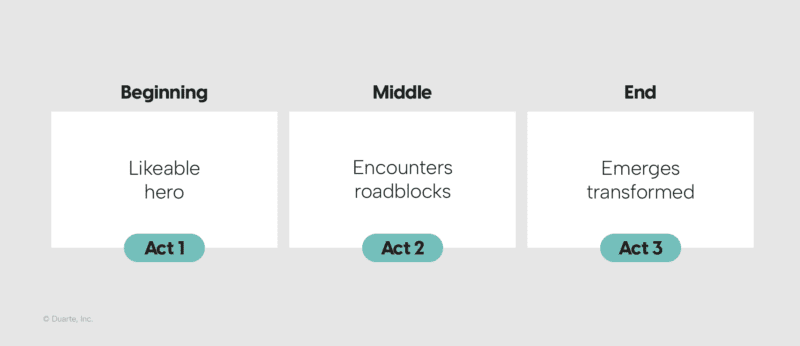
This revised pitch does several things: it explicitly centers the budget approver as the catalyst ("With your help"), acknowledges the complexity of the "middle" ("painstaking detail"), and vividly paints the "new bliss" of the "end" with both tangible (200% ROI) and intangible (delight generations, critical accolades, cinematic history) benefits. It elevates the conversation beyond mere metrics, combining projected ROI with loftier dimensions like legacy and cultural capital. By making the approver the hero who initiates this process, the proposal fosters a sense of shared purpose and investment in the project’s grander vision. This approach aligns expectations and builds a foundation of shared enthusiasm, making the financial commitment feel less like an expense and more like a strategic investment in a compelling future.
2. The Power of the "Called Shot": Demonstrating Confidence and Competence
Beyond a compelling vision, budget seekers must instill confidence in their ability to execute. This isn’t about baseless bravado, but a strategic display of conviction rooted in deep preparation and a proven track record. Communication experts refer to this as "calling your shot"—a term popularized by Babe Ruth’s legendary gesture in the 1932 World Series, where he purportedly pointed to the outfield fence before hitting a home run. While the exact details of Ruth’s "called shot" remain debated, its enduring legend highlights the power of audacious confidence when backed by genuine capability.
In the context of budget conversations, calling your shot translates to presenting a proposal with a level of assurance that inspires belief. It means demonstrating an understanding of potential challenges, articulating a clear plan to overcome them, and projecting certainty in achieving the desired outcomes. This confidence is not merely performative; it is built on rigorous analysis, meticulous planning, and a realistic assessment of one’s team’s strengths. As a 2022 Harvard Business Review article on executive presence noted, "Leaders who can articulate a clear vision, demonstrate composure under pressure, and convey unwavering belief in their team’s ability are far more likely to secure stakeholder buy-in for ambitious initiatives."
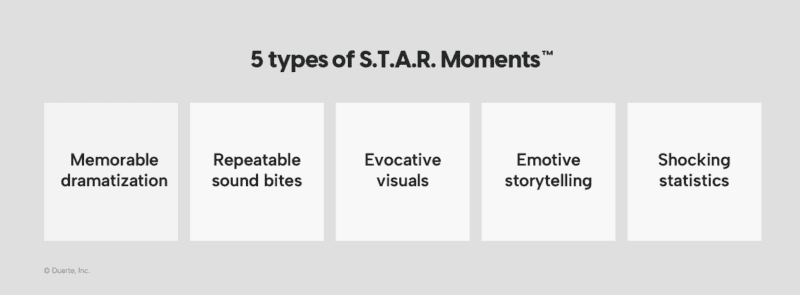
Organizations like Duarte emphasize the creation of "S.T.A.R. moments" (Something They’ll Always Remember) within presentations. These can be memorable dramatizations, repeatable sound bites, evocative visuals, emotive storytelling, or shocking statistics—all designed to make a proposal unforgettable. For a budget request, a S.T.A.R. moment could be a concise, powerful statement that encapsulates the project’s impact and the team’s unwavering commitment to its success. It could involve a live demonstration of a prototype, a compelling testimonial from a potential user, or a striking visual metaphor that crystalizes the "new bliss."
For instance, instead of merely detailing project timelines and resource allocations, a budget seeker might craft a S.T.A.R. moment by confidently stating, "This investment of $X million will not just launch a product; it will fundamentally redefine how our customers interact with our brand, driving a 15% market share increase within two years. We have meticulously stress-tested every variable, and we are ready to deliver this home run for the organization." This declaration, when supported by thorough research and a credible team, transforms a routine request into a memorable commitment.
Crucially, this confidence must be presented in an "audience-first" manner. The focus should shift from "Here’s what I can do" to "With your help, here’s what we can achieve." By centering the approver in this S.T.A.R. moment, they are invited to participate as more than a financier; they become a co-architect of the success. This approach builds trust and credibility, showing that the proposal is not just a personal ambition but a shared organizational endeavor. The implications are profound: a confident, well-prepared presentation can turn skepticism into conviction, making decision-makers not just approve a budget, but actively champion the project.
3. Beyond the Balance Sheet: Tapping into Deeper Motivations
While ROI and confidence are vital, truly transformative budget approvals often hinge on connecting with decision-makers on a deeper, more emotional level. Even the most analytical leaders are ultimately human, driven by purpose, legacy, and the desire for meaningful impact. Communication strategists argue that successful budget proposals transcend mere financial arguments by tapping into these intrinsic motivations, encouraging approvers to believe in something more profound than just money.
This technique involves balancing the financial aspects of a budget request with the "new bliss" of its potential outcomes. The "new bliss," as defined by communication thought leaders, represents the desirable future state that audiences stand to gain after navigating the "messy middle" of working toward a goal or implementing change. It’s about articulating the tension between "what is" and "what could be," guiding approvers to genuinely crave the future outlined in the proposal.
To achieve this, budget seekers must practice audience-first empathy, delving into the inner lives and motivations of their decision-makers. For example, a CFO might need reassurances on spend, but they might also deeply value work-life balance or be anxious about the company’s reputation. A CEO might prioritize profitability, but also yearn to create a product that genuinely helps people or leaves a lasting legacy.
Consider a project aimed at implementing a new, more efficient workflow system. A purely financial pitch would detail cost savings, reduced operational expenses, and increased output. While important, an empathy-driven approach would also highlight how this efficiency could translate into tangible human benefits: "This investment will not only streamline our operations, saving X dollars annually, but it will also free up countless hours for our teams, reducing burnout and enabling them to dedicate more time to innovative work—and perhaps even spend more quality time with their families. Imagine a future where our employees are not just productive, but truly thriving, and our company is recognized as an industry leader in both efficiency and employee well-being."
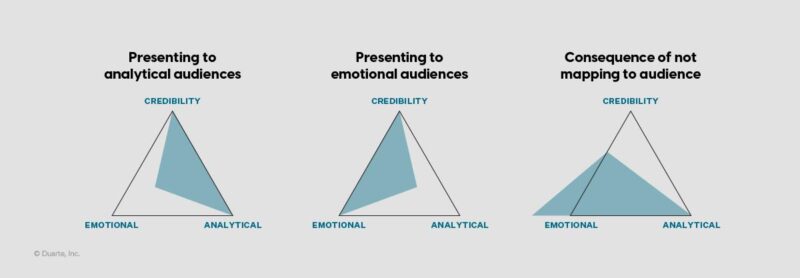
This narrative appeals to multiple levels: the analytical mind appreciates the cost savings and productivity gains, while the emotional side connects with improved work-life balance, employee satisfaction, and a positive company culture. It shows that the project is not just about financial gains, but about creating a better organization for everyone involved. The renowned "Duarte Method" emphasizes that effective communication combines delivery, visuals, and story, all rooted in strategy and, crucially, empathy, to meet audience needs and elevate business storytelling.
By calibrating the perfect balance between sound financial reasoning and details that register emotionally, budget proposals can transform mere buy-in into profound belief. This deeper connection fosters a personal commitment to the project, encouraging stakeholders to become passionate advocates rather than passive approvers. The implications are far-reaching: a budget story that resonates emotionally secures not just financial capital, but also invaluable organizational backing, transforming individual decisions into collective passion and propelling projects towards unprecedented success.
Overall Impact and Future Outlook
The era of merely presenting spreadsheets and expecting immediate budget approval is waning. In an increasingly complex and competitive business environment, the ability to articulate a compelling vision—to tell a story—has become an indispensable leadership skill. By integrating the narrative techniques of positioning approvers as ROI heroes, demonstrating confidence through "called shots," and tapping into deeper emotional motivations, organizations can revolutionize their approach to project funding.
This strategic shift leads to more successful project initiations, fosters stronger stakeholder relationships, and cultivates a more innovative and engaged organizational culture. It ensures that valuable ideas are not stifled by a lack of vision or persuasive communication. As businesses continue to navigate disruption and pursue ambitious goals, the capacity to translate complex proposals into clear, empathetic, and inspiring narratives will be paramount for leaders and project proponents alike. Ultimately, a budget story that is structured, empathetic, and boosted by well-placed S.T.A.R. moments is rubberstamp-ready, paving the road ahead for innovation, growth, and lasting impact.
