


Gaining approval for a budget is the critical first stride in transforming conceptual ambition into tangible reality, setting the stage for every subsequent act of innovation, market introduction, internal system enhancement, and global brand narrative. This cascade of potential outcomes originates from a singularly vital endeavor: persuasively articulating why decision-makers should invest in a specific idea. Once the green light is secured, the intricate process of cultivating plans and trellising them into concrete achievements can commence. However, the ability to envision a thriving garden within a mere patch of earth is not universally shared.
Budget-approvers, typically occupying roles with significant fiduciary responsibility, operate primarily within a framework of quantifiable metrics. Their lens on the future is less abstract and more attuned to immediate financial implications and long-term fiscal health. Burdened by immense pressure to make choices that safeguard the company’s well-being and ensure project success, their focus remains anchored to the bottom line. This inherent predisposition often funnels budget discussions into a singular fixation on dollar amounts. While the precision of dashboards and spreadsheets is undeniably crucial for financial accountability—indeed, expenses must not only be meticulously balanced but also demonstrably add up—they frequently fail to convey the holistic vision. It falls upon the budget seeker to transcend these numerical confines, crafting a narrative that pulls leadership beyond mere project allocations and fiscal calendars, allowing them to grasp the profound, technicolor implications of their approval, akin to Dorothy’s transformative step into the Land of Oz.
Such a compelling portrayal of the road ahead is instrumental in securing the trifecta of project success: time, resources, and robust organizational backing. To empower individuals seeking funding for their next venture, three narrative techniques stand out for their efficacy in bringing projects vividly to life. These strategies—centering approvers as heroes of ROI, employing confident "called shots," and fostering belief beyond monetary returns—are not mere rhetorical flourishes but integral components of strategic communication, designed to resonate with both the analytical and emotional facets of executive decision-making.
The Foundational Challenge: Bridging the Fiduciary Divide
The chasm between an innovative idea and its funded reality is often defined by the inherent tension between visionary aspiration and financial pragmatism. Corporate boards, CFOs, and executive committees are tasked with allocating finite resources, a responsibility steeped in risk assessment and accountability. Their world is often governed by quarterly reports, shareholder expectations, and rigorous financial projections. A 2023 survey by PwC, for instance, highlighted that over 60% of executives cite "financial viability and ROI" as the primary drivers for project approval, underscoring the dominance of numerical considerations. The challenge for innovators, then, is not to dismiss these concerns but to integrate them into a broader, more persuasive narrative that elevates the discussion from mere cost to comprehensive value.
Project failure rates, often attributed to inadequate funding, scope creep, or a lack of stakeholder buy-in, further intensify the cautious stance of budget approvers. A report by the Project Management Institute (PMI) indicated that roughly 14% of projects fail outright, and 31% do not meet their original goals, with insufficient budget and poor communication being leading causes. This backdrop of financial scrutiny and historical caution necessitates a refined approach to budget proposals—one that speaks not only to the numbers but to the strategic imperative and the transformative potential.

Strategy 1: Elevating Approvers to Heroes of Return on Investment (ROI)
It is insufficient for a budget proposal merely to detail expenditures; it must meticulously articulate how that investment will reappear—and ideally, multiply—in the form of demonstrable ROI. While precise future prediction remains elusive, a well-constructed narrative around a vision can powerfully align budget-approvers’ expectations. Much like film producers meticulously review scripts and storyboards before bankrolling a motion picture, decision-makers require a clear, compelling vision of the "final cut" of a project. This involves more than just presenting figures; it’s about weaving those figures into a story where the approver is not just a signatory but the catalyst for monumental success.
The Three-Act Structure: A Cinematic Approach to Finance
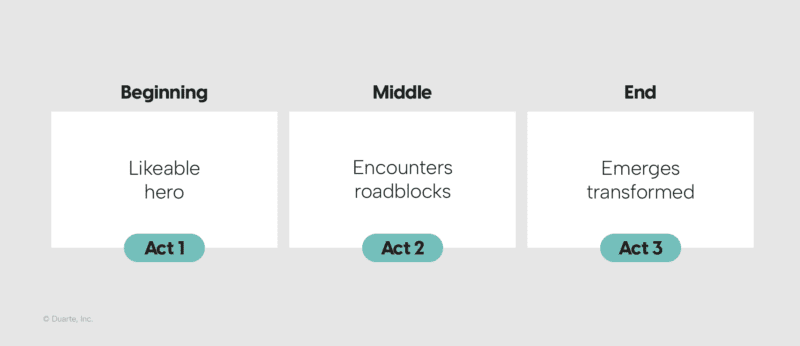
At Duarte, a renowned communication firm, the application of a three-act story structure—beginning, middle, and end—is advocated for all persuasive narratives, from research-backed recommendations to calls for embracing new ideas. This framework can be powerfully adapted to budget proposals, transforming a dry financial document into a compelling saga of potential.
Consider the cinematic analogy: Before Christopher Nolan could command a $250 million budget for a reimagining of The Odyssey, he successfully helmed The Prestige with a comparatively modest $40 million. Set in Victorian London, this 2006 film, depicting a rivalry between two magicians, opens with Michael Caine’s voiceover describing the three parts of a magic trick: "The Pledge, The Turn, and The Prestige."
- The Pledge (Beginning): This is where the project seeker introduces the current reality, the problem or opportunity, and the initial investment required. It sets the stage, introduces the "likable hero" (the project or the team), and outlines the current state of affairs that necessitates change. In a budget proposal, this means clearly defining the problem your project solves or the opportunity it seizes, along with the precise financial commitment requested.
- The Turn (Middle): This act describes the journey, the complexities, and the challenges the project will navigate. It acknowledges the "roadblocks" and the strategic decisions required. For a budget proposal, this translates to outlining the project plan, key milestones, resource allocation, and anticipated hurdles, demonstrating a realistic understanding of the execution phase. This is where the budget approver can see how their investment will be deployed and the strategic thinking behind it.
- The Prestige (End): This is the grand reveal, the transformation, and the tangible return on investment. The hero "emerges transformed." In a budget context, this means vividly illustrating the desired future state, the quantifiable ROI, and the broader benefits. It’s about showing the magic trick’s stunning conclusion—the new product launched, the system optimized, the market share gained, or the cultural impact achieved.
Let’s illustrate the difference with an example from the original article, adapted for broader context:
A Budget Proposal Light on Story:
"With a $40 million budget, this film project is projected to gross upwards of $100 million at the box office, achieve a runtime of 130 minutes, and ultimately aggregate a 76% on Rotten Tomatoes based on 208 reviews, yielding a direct ROI of 150%."
While precise and data-backed, this statement, as the original article correctly notes, is utterly devoid of life. It’s a series of numbers, not an invitation to participate in a vision.
A Budget Proposal with a 3-Act Structure:
"With your pivotal approval of our $40 million budget, this endeavor will fund a stunning reimagining of Christopher Priest’s award-winning novel, The Prestige, assembling an unparalleled cast including Hugh Jackman, Christian Bale, Scarlett Johansson, Michael Caine, and David Bowie in a role that echoes his iconic performance in Labyrinth. This adaptation demands painstaking detail, but its inherent cross-over appeal across fantasy and science fiction genres, coupled with the immense star-power of its cast, promises to attract diverse global audiences. Given the caliber of craft and talent committed to this project, we confidently project its potential to captivate and challenge generations of viewers, secure critical accolades, and deliver over 200% ROI at the box office and through subsequent distribution channels, establishing a new benchmark for intellectual thrillers."
The stark contrast is evident. The second example positions the budget-approver as the indispensable hero, the enabler of a transformative process. It acknowledges the significant investment and effort ("painstaking detail") while elevating the dollar amount into a fully formed, inspiring vision of a finished product. It transcends mere metrics, combining projected ROI with loftier dimensions like cultural legacy, brand enhancement, and artistic achievement. This approach fosters a sense of co-ownership, shifting the narrative from "what I need" to "what we can achieve together."
Strategy 2: The Art of the "Called Shot": Demonstrating Unwavering Confidence and Credibility
Securing budget approval often hinges on demonstrating the unwavering confidence of a seasoned professional, the "career slugger" who not only promises success but embodies the conviction to deliver it. This is not about making unsubstantiated bold claims—a path famously exemplified by the Fyre Festival debacle, a cautionary tale in over-promising and under-delivering. Instead, it’s about a confidence built on deep thinking, meticulous preparation, and a proven track record. Budget-seekers understand their capabilities and how they overcome challenges; the crucial task is to convince budget-approvers of this same reality. Before goals can be achieved, decision-makers must be "wowed" into believing in the likelihood of success. This demands a blend of persuasive swagger and demonstrable skill.
Babe Ruth’s infamous "called shot" in Game 3 of the 1932 World Series serves as a powerful analogy. As the New York Yankees faced the Chicago Cubs at Wrigley Field, with animosity simmering between the teams and a hostile crowd, Ruth stepped up to bat in the 5th inning. After taking two strikes from pitcher Charlie Root, Ruth made a pointing gesture towards the stands, ostensibly indicating where he would hit the ball. On the very next pitch, he launched a colossal home run, contributing to the Yankees’ eventual sweep of the series.
The legend of the "called shot" transcended the game itself, capturing the popular imagination despite ongoing debates about the exact nature of Ruth’s gesture. Reporter Joe Williams’s headline, "RUTH CALLS SHOT AS HE PUTS HOME RUN NO. 2 IN SIDE POCKET," cemented its place in sports lore. This incident encapsulates the essence of what Duarte refers to as "S.T.A.R. moments"—Something They’ll Always Remember. These are strategically deployed opportunities to stand out and create lasting impact.
S.T.A.R. Moments: Making Your Pitch Unforgettable
S.T.A.R. moments, effectively utilized in contexts ranging from Academy Award-winning documentaries to high-stakes keynote presentations, can also be the linchpin in winning over budget-approvers. They come in various forms:
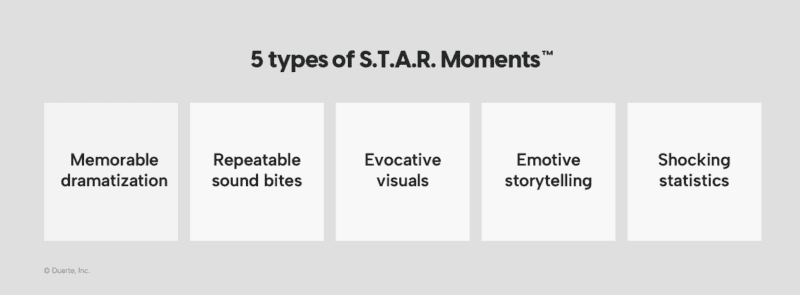
- Memorable Dramatization: A live demonstration of a product prototype, a compelling simulation, or a vivid narrative that puts the approver directly into the user’s experience.
- Repeatable Sound Bites: Concise, impactful phrases that encapsulate the project’s essence and its value proposition, making them easy for approvers to recall and repeat to others.
- Evocative Visuals: Not just charts and graphs, but professionally designed infographics, short videos, or compelling imagery that communicate complex ideas instantly and emotionally.
- Emotive Storytelling: Personal anecdotes or testimonials that highlight the human impact of the project, connecting with approvers on a deeper, more relatable level.
- Shocking Statistics: Data points presented in a surprising or counter-intuitive way that grabs attention and underscores the urgency or scale of the opportunity.
For a budget talk, integrating multimedia elements can deliver a crisp, clear budget story that not only showcases competence but positions the approver as instrumental. Before any meeting, project leaders should reflect: "How do I convince budget-approvers my next swing will be a home run?" This necessitates moving beyond a simple declaration of "Here’s what I can do" to a more inclusive and empowering statement: "With your help, here’s what we can achieve."
This shift in framing is crucial. By centering the approver within the S.T.A.R. moment, project leaders subtly nudge them toward active participation rather than passive assessment. This approach, rooted in deep thinking, practice, and preparation, builds a durable confidence. Ruth’s confidence in 1932 was not baseless; he was batting .341 and had already hit 41 home runs that season. Similarly, a budget-seeker’s "called shot" must be backed by thorough research, a sound strategic plan, and a track record of competence to build trust and earn credibility. Failing to do so can lead to a loss of attention and, ultimately, funding.
Strategy 3: Cultivating Belief Beyond the Balance Sheet: The "New Bliss" Factor
Beyond the mechanics of ROI and the theatrics of confidence, the most profound impact on budget approval often comes from forging an emotional connection, inspiring belief in something greater than mere financial return. This involves crafting a message imbued with empathy and emotional heft, transcending dry facts and figures to tap into deeper human elements. It explains why audiences connect passionately with films and sporting events, and why even well-crafted commercials can evoke tears.
One potent method to engage both analytical and emotional audiences is to balance the financial aspects of a budget request with the promise of "new bliss." At Duarte, "new bliss" signifies the enhanced future state, the profound gains audiences stand to realize after navigating the "messy middle" of achieving a goal or implementing significant change. For budget-seekers, articulating the tension between "what is" and "what could be" can ignite a genuine craving among approvers for the "new bliss" outlined in the proposal.
This requires incorporating a compelling narrative structure and story elements into the budget proposal, allowing it to speak to financial realities while simultaneously encouraging decision-makers to envision a transformed future. This "audience-first empathy" demands understanding the specific motivations and concerns of individual approvers:
- Perhaps a CFO, while focused on spend, also values work-life balance and misses family events. A proposal demonstrating how a project could streamline operations and reduce overtime might resonate on a personal level.
- Leadership might be anxious about the company’s competitive standing. A project promising to reinvigorate brand perception or capture new market segments speaks directly to this strategic concern.
- Executives often aspire to create products or services that are not only profitable but genuinely enhance people’s lives or solve critical societal problems. Highlighting this broader impact can elevate the discussion beyond quarterly earnings.
Centering a proposal solely on "making a boatload of money" is a valid approach, but one that risks overlooking deeper, more compelling drivers. Imagine a budget story that illustrates how an investment in a new workflow system could grant every employee, including the CFO, more quality time outside work. Or how a proposed innovation could reignite public interest and loyalty in the brand. Or how, with proper funding, a clear customer pain point can be eliminated, significantly improving user experience and satisfaction. These narratives transform a financial transaction into a personal commitment, fostering a profound sense of ownership and advocacy for the project.
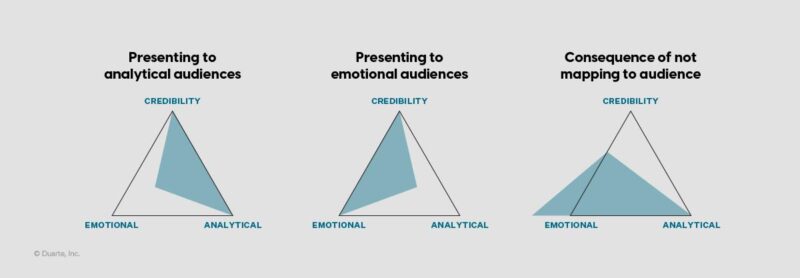
The ultimate goal is to calibrate the perfect balance, rooting the story in audience-first empathy. By acknowledging the inner lives, aspirations, and even personal challenges of budget approvers, project leaders can structure their narratives to integrate sound financial reasoning with details that register on an emotional wavelength. Beyond the immediate financial and temporal backing, securing robust organizational support is paramount for a project’s long-term success. This requires translating mere "buy-in" into a deep-seated "belief" that resonates at every organizational level. However, caution is advised; becoming overly sentimental risks losing sight of the tangible stakes and the serious financial implications.
A budget story that is structured, empathetic, and punctuated by well-placed S.T.A.R. moments creates an irresistible case. It paves the way for a rubber-stamp approval, transforming abstract concepts into funded initiatives and ensuring that the journey from idea to impact is not just financed, but passionately championed. Mastering these narrative techniques is not merely a soft skill; it is a strategic imperative for innovation, growth, and sustained organizational success in an increasingly competitive landscape.
