


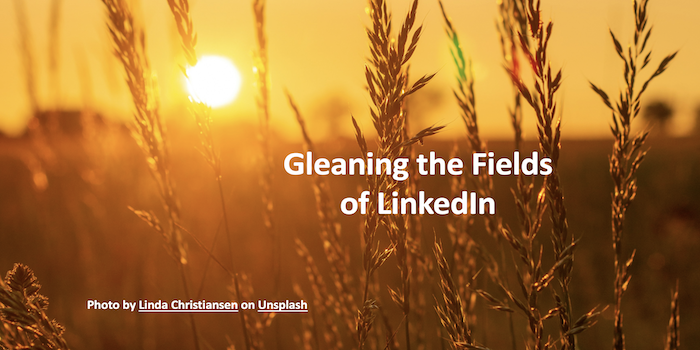
The ancient practice of gleaning, deeply rooted in the Old Testament, offers a profound metaphor for professional growth in the digital age. This agrarian tradition, where landowners were instructed not to harvest their fields to the very edges and to leave fallen grain for the less fortunate, was not an act of waste but a divinely ordained system of generosity. It created an essential safety net for vulnerable populations—widows, orphans, and foreigners—who lacked their own resources. These individuals were permitted to gather the abandoned harvests, ensuring their sustenance and a measure of dignity.
The biblical narrative of Ruth, a foreign widow, stands as a paramount illustration of this principle. Ruth’s humble act of gleaning in the fields of Boaz, a benevolent landowner, led to a remarkable transformation in her life. Boaz, upon noticing Ruth, intentionally instructed his reapers to leave extra grain for her, a simple yet impactful gesture of compassion. This act of generosity paved the way for their eventual marriage and, through their lineage, the birth of King David, a pivotal figure in Israelite history. The profound impact of this story underscores the power of leaving something behind, a principle that resonates with striking relevance in today’s interconnected professional landscape.
LinkedIn as a Modern-Day Field of Opportunity
In contemporary society, platforms like LinkedIn have emerged as digital parallels to these ancient fields, offering an unprecedented abundance of readily accessible, high-quality professional knowledge. The platform serves as a vast repository of insights, shared daily by a diverse array of experts, including researchers, seasoned practitioners, C-suite executives, innovative entrepreneurs, and skilled trainers. For individuals who may face financial barriers to attending professional conferences or whose organizations do not heavily invest in ongoing employee development, LinkedIn provides access to learning opportunities that would have been unimaginable just a generation ago.
Consider the extensive contributions of individuals like Brian Ahearn, who has been publishing weekly blog posts for nearly two decades and daily posts on LinkedIn. His prolific output, numbering in the thousands of pieces of content, is dedicated to illuminating and facilitating the application of the science of ethical influence. Ahearn’s work, along with that of countless others, demonstrates that LinkedIn offers a fertile ground for professionals to glean wisdom on a wide spectrum of subjects, including sales strategies, leadership techniques, effective communication, negotiation tactics, productivity enhancement, and mindset cultivation. This wealth of information is available at no cost, empowering individuals to continuously expand their skill sets and professional acumen.
The Imperative of Active Engagement: Harvesting the Knowledge
However, the mere availability of this vast knowledge base does not guarantee its assimilation or application. The core principle remains consistent with the ancient practice of gleaning: one must actively participate to benefit. Just as Ruth had to physically enter the fields and gather the grain, professionals today must demonstrate intention and effort to harvest the knowledge available on platforms like LinkedIn.
The act of reading a post requires a conscious decision. Reflecting on the content demands further cognitive engagement. Crucially, applying the insights gleaned necessitates tangible effort and strategic planning. For instance, while reading seminal works by social scientists like Dr. Robert Cialdini, or engaging with the practical applications presented by professionals like Brian Ahearn, provides foundational understanding, true professional advancement stems from the practical implementation of these principles. The critical question for any professional is not merely what they have learned, but how they intend to translate that knowledge into actionable results and demonstrable outcomes.
The Art of Translation: Bridging Theory and Practice
The effectiveness of professional development often hinges on the ability to translate complex theories and research into practical, actionable strategies. Dr. Robert Cialdini, a preeminent social psychologist, dedicates his career to meticulous research and the study of human behavior. Brian Ahearn, conversely, has spent his career in the business world, particularly within the property-casualty insurance industry, focusing on bridging the gap between Cialdini’s academic research and its real-world application. This translation is critical for professionals across all sectors, as success in various domains—from sales and leadership to everyday professional interactions—often relies on a series of affirmative responses, a cumulative building of "yes" moments.
In sales, for example, achieving a successful transaction is rarely the result of a single interaction. It is a multi-stage process that involves diligent prospecting, engaging conversations, securing commitment, consistent follow-through, and cultivating a network of referrals. Each of these stages requires the skillful application of influence and persuasive techniques.
Similarly, effective leadership is not characterized by a solitary act of command but by a sustained effort to guide, inspire, and facilitate collective progress. Leaders are tasked with a multitude of responsibilities that require the consistent garnering of buy-in and cooperative action. These include:
- Motivating Teams: Inspiring individuals to achieve shared objectives requires understanding their motivations and aligning personal goals with organizational imperatives. This often involves persuasive communication and the creation of a compelling vision.
- Navigating Complex Challenges: Leading through uncertainty and overcoming obstacles necessitates the ability to build consensus, manage differing perspectives, and foster a collaborative problem-solving environment.
- Driving Innovation: Encouraging new ideas and fostering a culture of creativity demands an environment where individuals feel empowered to share their thoughts and where their contributions are valued. This requires a leader who can influence others to embrace change and experimentation.
- Ensuring Ethical Conduct: Upholding organizational values and promoting integrity within a team or company relies on setting clear expectations and modeling ethical behavior, which itself is a form of subtle, principled influence.
- Facilitating Growth: Supporting the professional development of team members involves providing opportunities for learning, offering constructive feedback, and guiding individuals toward achieving their full potential, all of which are influenced by effective coaching and mentorship.
Even for professionals not operating within formal sales or leadership roles, the ability to gain agreement and inspire action remains a cornerstone of career advancement. Consider the everyday professional interactions that shape our work lives:
- Seeking Project Approval: Obtaining sign-off on a new initiative often requires presenting a compelling case and persuading stakeholders of its value and feasibility.
- Collaborating with Colleagues: Working effectively in teams necessitates the ability to influence peers, negotiate priorities, and foster a spirit of cooperation.
- Presenting Ideas: Sharing insights and proposals in meetings or through written reports requires persuasive communication to ensure your message is understood and acted upon.
- Managing Upwards: Effectively communicating needs and gaining support from supervisors involves influencing their perceptions and demonstrating the benefits of your requests.
- Influencing External Stakeholders: Engaging with clients, vendors, or partners to achieve mutually beneficial outcomes requires persuasive dialogue and relationship-building.
In essence, the trajectory of our professional lives is frequently shaped by our capacity to elicit positive responses and foster productive collaboration.
Encouragement for Continuous Gleaning and Deeper Mastery
The encouragement derived from the ancient practice of gleaning is clear: be intentional in your pursuit of knowledge. Critically assess what you consume on platforms like LinkedIn, aligning your learning with your desired professional growth objectives. Actively save valuable posts, dedicate time for thoughtful reflection, and commit to applying at least one new idea each week. The abundant free content available is a resource waiting to be harvested, much like the grain left in the field for Ruth.
Concurrently, it is vital to recognize the distinction between gleaning and ownership. While gleaning provides essential sustenance and foundational insights, achieving deeper mastery, accelerating growth, and cultivating structured development often necessitates more focused pathways. These include engaging with comprehensive resources such as books, structured online learning programs, intensive workshops, personalized coaching, and formal certification programs. Free content can serve as a powerful catalyst for initial insight, sparking curiosity and providing broad understanding. However, focused training and development initiatives are instrumental in building robust skills and achieving a higher level of proficiency. Both approaches possess inherent value and serve distinct purposes in a professional’s learning journey.
The overarching question that professionals must continually ask themselves is whether they are merely passing by a field brimming with opportunity, or if they are actively stepping into it, engaging with its resources, and diligently gathering the knowledge and skills that will propel their careers forward.
To further foster this culture of learning and knowledge sharing, professionals are encouraged to reflect on their own experiences. By answering the question, "What is one piece of insight you’ve gleaned on LinkedIn that has made a meaningful difference in your work?" individuals can contribute to a collective repository of practical wisdom, inspiring others to actively engage with the platform and harness its potential for personal and professional advancement. This reciprocal exchange of knowledge strengthens the professional community and underscores the enduring power of shared learning.
