

The pursuit of self-understanding, a quest as old as human consciousness itself, has been likened by historical figures to some of the most formidable endeavors. Benjamin Franklin, the polymath and Founding Father of the United States, famously declared, "Three things are extremely hard; steel, a diamond, and to know one’s self." While the physical properties of steel and diamonds have been mastered and manipulated through scientific advancement, the internal landscape of human self-awareness continues to present a profound and ongoing challenge. In an era characterized by unprecedented levels of digital engagement, information overload, and the pervasive influence of social media, the arduous task of introspection has become even more complex, demanding a deliberate and sustained effort that often runs counter to the prevailing currents of modern life.
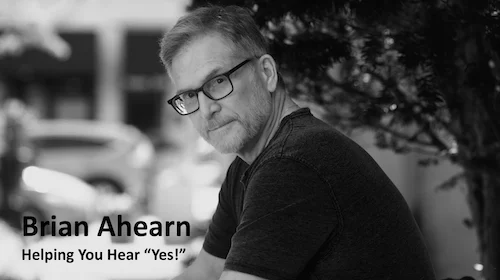
Recent insights into this perennial challenge have emerged from a unique personal exploration, offering a compelling narrative of personal growth and the evolving nature of self-perception over time. Brian Ahearn, Chief Influence Officer at Influence PEOPLE and a faculty member at the Cialdini Institute, undertook a retrospective analysis of his own life by delving into personal journals spanning from 1993 to 2001. This initial deep dive was then juxtaposed with journals he recommenced in 2022, utilizing artificial intelligence to synthesize thematic patterns from these distinct periods. The findings of this introspective project, as detailed in his reflections, highlight a significant transformation in his approach to challenges, relationships, and his understanding of personal influence.
The Intensified Drive of Young Adulthood (1993-2001)
Ahearn’s earlier journals, dating back to his late twenties and early thirties, paint a picture of a man grappling with intense internal and external pressures. This period was marked by significant life events and personal developmental hurdles, including navigating the complexities of marriage, wrestling with spiritual questions, and confronting unmet expectations. This phase of life, common for many individuals entering their prime professional and personal years, was characterized by a palpable sense of urgency and a proactive, almost demanding, approach to problem-solving.
"In the 1990s, I was intense and driven," Ahearn noted, reflecting on the raw entries from this formative decade. "I was wrestling with God, with myself, with my marriage, and with unmet expectations." This internal wrestling match was mirrored in his external actions. He describes a consistent pattern of external processing, a constant stream of writing, and an analytical focus on deciphering the motivations behind his own actions and those of others. This approach, while indicative of a desire for rapid transformation, also revealed potential pitfalls.
The urgency he felt was not merely a desire for progress but often bordered on a compulsion to "fix" anything he perceived as not being right, "ASAP." This intensity, he now recognizes, was his interpretation of self-awareness. "I thought self-awareness meant intensity," he reflected. "I’ve come to learn it meant humility." This realization underscores a common misconception in early adulthood: that a forceful and analytical approach is the sole or primary indicator of deep personal understanding. The data suggests that while growth was indeed occurring, this period was also marked by what he now identifies as negative patterns, though specific examples were not detailed in the initial disclosure. The implication is that this driven approach, while productive in some respects, may have also led to interpersonal friction or an overestimation of one’s ability to control external outcomes.
The Evolving Landscape of Maturity and Self-Acceptance (2022-Present)
The decision to resume journaling in 2022 marked a significant shift, reflecting not only the passage of time but also the accumulation of life experiences. Decades of continued marriage, the profound responsibilities of fatherhood, and the entrepreneurial journey of building his own business had all contributed to a substantially altered perspective. Ahearn observed a marked difference in his internal dialogue and external reactions.
"When I began journaling again in 2022, I wasn’t the same man," he stated. "I had several more decades of marriage under my belt, had become a father, and started my own business, to name just some of the changes." The core desires for connection, growth, and impact remained, but the methodology had undergone a profound evolution. The need for immediate action in response to discomfort had softened.
"I still care deeply. I still want connection, growth, and impact," he explained. "But I no longer assume that every uncomfortable emotion or situation requires my immediate action." This shift represents a maturation of emotional regulation and a deeper understanding of the dynamics of personal and interpersonal change. He articulated this evolution through a series of learned lessons: "I’ve learned that some wounds don’t need analysis, they need time. Some conversations don’t need pressure, they need safety. Some change doesn’t come from force, it comes from surrender."

The most striking change identified is the evolution of his core question when facing challenges. Previously, the dominant inquiry was, "How do I fix this?" This has now transitioned to, "What is this revealing to me?" This fundamental reorientation from an outward, problem-solving focus to an inward, learning-oriented perspective is a hallmark of advanced self-awareness. This paradigm shift, he suggests, "changes everything." His analogy to Jacob wrestling with the angel of the Lord further illustrates his ongoing commitment to holding onto deeply held values and beliefs, seeking the blessings that accompany such steadfastness, but now with a more nuanced understanding of the process.
The Persistent Echoes of Past Patterns
A particularly insightful aspect of Ahearn’s reflection lies in the discovery of persistent thought patterns. Even after three decades, certain ingrained assumptions and expectations from the 1990s continued to subtly influence his reactions in 2022. "As I revisited my journals, I saw how certain thinking patterns from the 1990s were still influencing my reactions in 2026," he noted, indicating a backward-looking analysis that continues to inform his present. "Not in dramatic ways, but in subtle assumptions and expectations that were hindering joy in many cases."
This observation offers a critical piece of data for understanding the long-term nature of personal development. It suggests that while significant transformation is possible, the process of eradicating deeply embedded cognitive biases and habitual reactions is a lifelong endeavor. The impact of these subtle patterns, though not overtly disruptive, could lead to missed opportunities for greater fulfillment and connection. This underscores the necessity of ongoing self-examination, even when significant life changes have occurred. The implications here are far-reaching: for individuals seeking to break free from limiting beliefs or for organizations aiming to foster genuine, sustainable change, recognizing the enduring power of past conditioning is paramount.
The Interplay of Self-Knowledge and Influence
Ahearn’s professional work as a leading figure in the field of influence and persuasion provides a compelling context for his personal journey. He observes that individuals frequently seek tangible strategies for influencing others—tactics, language, and frameworks. While acknowledging the importance of these elements, his findings lead him to a more profound conclusion: true and lasting influence is inextricably linked to one’s willingness to be influenced.
He draws parallels between personal growth and the dynamics of influence. The capacity to foster genuine influence, he posits, is directly proportional to one’s internal state, including their unresolved fears, ingrained narratives, need for external validation, pace, and patience. "Influence isn’t just what you say. Much of it is the emotional climate you create," he asserts. This emotional climate, he explains, is a direct manifestation of one’s internal landscape. A leader or communicator who has not undertaken the difficult work of self-examination may inadvertently project anxieties, insecurities, or rigid adherence to outdated paradigms, thereby undermining their efforts to connect and persuade authentically.
The implications for leadership, sales, and interpersonal communication are substantial. A leader who is rigid and unwilling to consider new perspectives, for example, may stifle innovation and demoralize their team. A salesperson who is overly focused on their own needs and unable to empathize with a client’s concerns will likely struggle to build trust and close deals ethically. Ahearn’s experience suggests that the most effective influencers are those who have cultivated a degree of humility and openness, demonstrating that they too are capable of learning and adapting. This creates a reciprocal environment where influence can flow more freely and authentically.
The Courage to Confront the Past
The act of reviewing decades-old personal writings is, by its nature, a deeply humbling experience. Ahearn candidly admits that while some entries evoked gratitude, others elicited a sense of cringe. This visceral reaction highlights the essential role of discomfort in the growth process. "Growth requires knowing the truth—good and bad—about ourselves."
He revisits Franklin’s assertion about the hardness of steel, diamonds, and self-knowledge, drawing a potent metaphor: all three are forged under pressure. While inanimate objects like steel and diamonds are passive recipients of this pressure, humans possess the agency to choose their response. They can embrace the transformative pain of change, attempt to numb it, or flee from it. Ahearn advocates for embracing this pressure, as it is through this active engagement that genuine, sustainable change occurs.
This form of influence, he argues, is the kind that truly endures—the influence that sustains marriages, strengthens teams, nurtures families, and builds resilient organizations. It transcends mere polished messaging and originates from individuals who possess a profound understanding of their own vulnerabilities, who take ownership of their habitual patterns, and who remain committed to continuous growth. This, he concludes, is the ultimate form of influence he aspires to cultivate, and it begins with the courage to undertake the challenging, yet ultimately rewarding, journey of self-knowledge. The enduring wisdom of figures like Benjamin Franklin, it seems, continues to resonate, offering timeless guidance for navigating the complexities of the human condition and the pursuit of meaningful impact.
