

The practice of “debreathing” voice-over recordings, a technical process of removing audible breaths from audio performances, is a subject often shrouded in misconception within the professional voice-over community. While seemingly a straightforward audio editing technique, its application is nuanced, with critical implications for the authenticity and effectiveness of vocal performances across various media. This article delves into the intricacies of debreathing, exploring its historical context, technical execution, and the crucial distinctions in its application, particularly between commercial advertising and other forms of voice-over work. Understanding when and why to debreath is not merely a technical choice but a strategic decision that can significantly impact listener perception and the overall success of an audio project.
Defining Debreathing: A Technical Overview
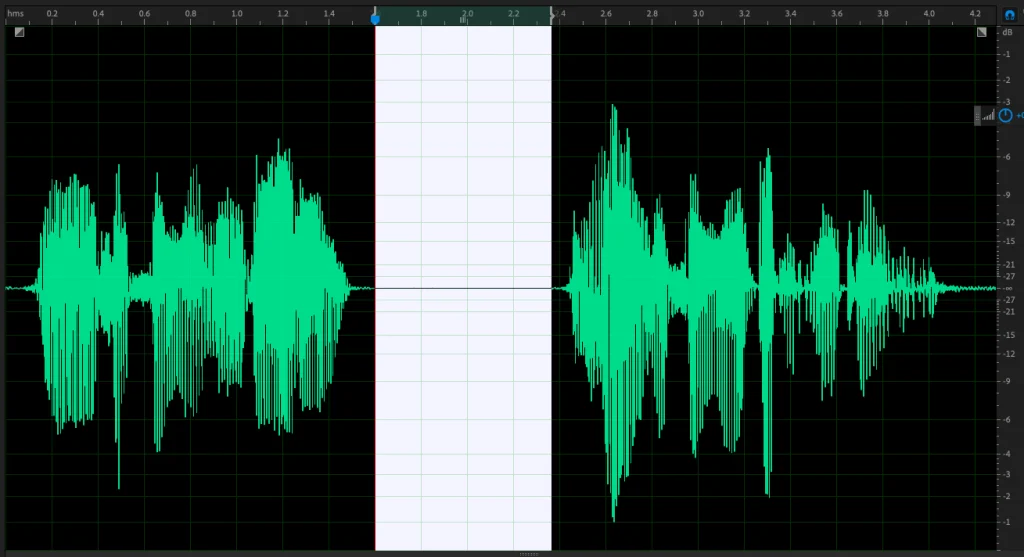
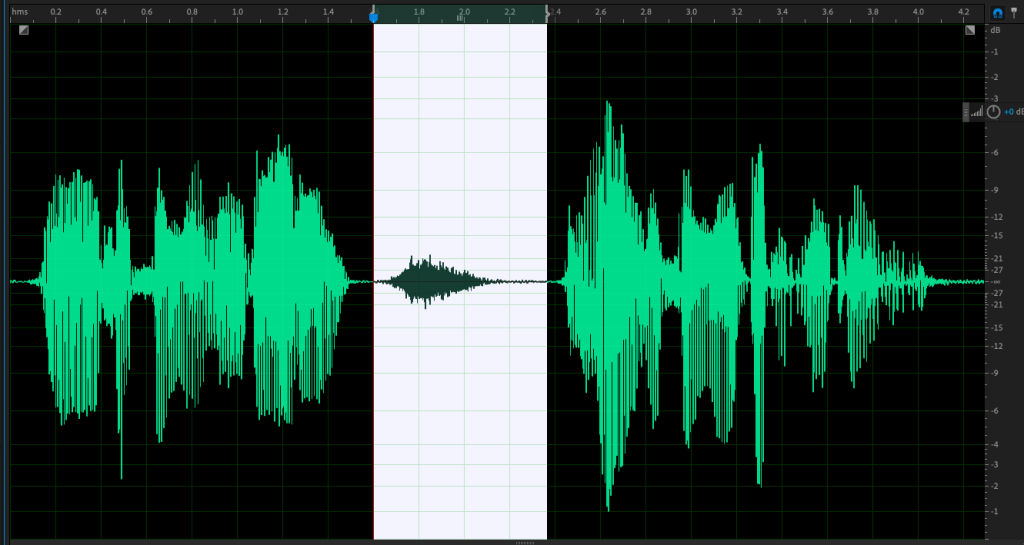
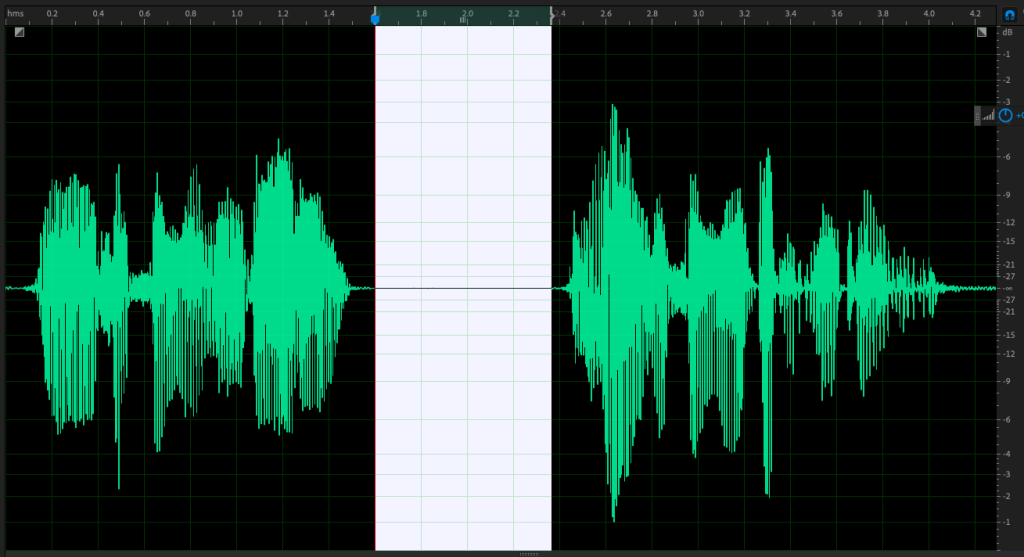
At its core, debreathing involves the precise identification and subsequent removal or silencing of audible inhalations within a recorded voice-over. This process is typically executed using Digital Audio Workstations (DAWs) such as Adobe Audition, Pro Tools, or Logic Pro. In these software environments, audio waveforms visually represent sound. Breaths often appear as distinct, albeit sometimes subtle, peaks or troughs in the waveform, particularly noticeable in quieter sections of a recording.
The technical execution can be approached in two primary ways: silencing or deletion. Silencing a breath involves reducing its amplitude to an inaudible level, effectively muting it without altering the temporal flow of the recording. This method preserves the natural pacing of the spoken word, as the pause created by the breath remains. Conversely, deleting a breath involves excising the audio segment entirely, including the time it occupied. This creates a more pronounced gap in the audio, potentially affecting the rhythm and natural cadence of the performance if not handled with extreme care.
Illustrative examples in audio editing software showcase these distinctions. A waveform might display a prominent spike corresponding to an inhalation. Silencing this spike would render the breath inaudible while maintaining the continuity of the spoken sentence. Deleting the spike, however, would remove both the sound and the fractional second it occupied, potentially leading to abrupt transitions between words or phrases. The choice between silencing and deleting is often dictated by the desired outcome and the specific demands of the project.
Historical Context and Traditional Application
Historically, the practice of debreathing voice-over recordings became prevalent primarily within the realm of commercial advertising. The underlying rationale was rooted in the pursuit of a polished, highly controlled, and uninterrupted delivery. Commercials, particularly those for television and radio, aimed to convey a message with maximum impact and minimal distraction. In this context, audible breaths were perceived as potential interruptions, detracting from the clarity and persuasiveness of the advertised message.
The goal was to present a voice that sounded almost superhumanly composed, projecting an image of effortless authority and perfect articulation. This was especially true for shorter, punchy advertisements where every second counted, and the message needed to be delivered with laser-like focus. The prevalence of background music and sound effects in commercials often masked subtle edits, making the absence of breaths less noticeable to the average listener.
The Nuance of "Commercial" Voice-Over: A Semantic Divide
A critical point of divergence and potential confusion arises from the dual interpretation of the term "commercial voice-over." This ambiguity has led many voice-over artists to debreath recordings that, by a more precise definition, should have retained their natural breaths.
The first interpretation of "commercial" refers to any voice-over work for which the artist is paid. This broad definition encompasses a vast spectrum of audio projects, including corporate narration, e-learning modules, video game characters, documentaries, and audiobooks. By this definition, nearly all professional voice-over work could be considered "commercial."
The second, and more pertinent, interpretation of "commercial voice-over" specifically refers to audio content created for advertisements. This includes television commercials, radio spots, cinema advertisements, and online video ads. It is this latter category – actual advertisements – where the practice of debreathing has historically found its most consistent and justifiable application.
The distinction is crucial: voice-over used by a company for internal training or marketing materials, while paid, does not necessarily demand the same level of breath removal as a television advertisement designed to capture immediate consumer attention. Failing to differentiate between these two definitions can lead to the unnecessary and detrimental removal of breaths from a wide array of voice-over projects.
The Case Against Debreathing Non-Advertising Voice-Over
The reasons for refraining from debreathing voice-over for applications beyond advertising are multi-faceted and deeply rooted in human psychology and the evolving trends in audio production.
1. The Naturalness of Human Speech
Humans are accustomed to hearing breath sounds as an integral part of natural conversation. The absence of these sounds can create an unsettling, almost uncanny, effect on the listener. When breaths are meticulously removed from a narrative or dialogue, the resulting performance can feel artificial and disconnected. Listeners may unconsciously experience a sense of unease, as if waiting for a natural human function that never occurs. This phenomenon is amplified in situations where the voice is the sole auditory element, such as in audiobooks or podcasts.
The evolution of text-to-speech (TTS) technology further underscores this point. Early TTS systems, like rudimentary versions of Siri or Google Assistant, often lacked audible breathing, resulting in somewhat robotic and monotonous output. As the technology matured, developers began incorporating subtle breathing cues into synthetic voices. This enhancement was a direct response to listener feedback, recognizing that the inclusion of breath sounds contributes significantly to a more natural, human-like, and engaging vocal delivery. The trend in professional voice-over production mirrors this evolution, with an increasing emphasis on authenticity and naturalistic delivery.
2. The Role of Breath in Listener Comprehension
Breaths serve as natural pauses within speech. These pauses are not merely physiological necessities for the speaker; they are also critical junctures for the listener. During these brief moments of silence, the listener’s brain has an opportunity to process the information just received, assimilate it, and prepare for the next segment of communication. This cognitive processing time is essential for comprehension, retention, and the formation of understanding.
When breaths are removed, and consequently, these natural pauses are eliminated, the speech can become relentless and overwhelming. The continuous flow of words can leave the listener struggling to keep pace, hindering their ability to fully absorb and retain the content. This is particularly problematic in educational materials, corporate training, or any context where deep understanding is paramount. The audience may find themselves retaining less information, undermining the very purpose of the voice-over. This issue has been observed in various forms of American radio commercials where the aggressive removal of breaths has led to a loss of listener engagement and message recall.
3. Preserving the Artistry and Intent of the Performance
In the contemporary voice-over landscape, naturalness and authenticity are highly valued. The trend has shifted away from overly produced, stilted performances towards deliveries that feel genuine and relatable. Breathing is an intrinsic element of a natural vocal delivery. It signals a human speaking, conveying emotion, pace, and rhythm in a way that is instinctively understood by the audience.
By removing breaths, voice-over artists inadvertently strip away a layer of this naturalness. The performance, while technically clean, can lose its organic quality, becoming less expressive and less impactful. This is especially true for genres like dramatic narration, character work in video games, or intimate storytelling, where the emotional connection between the performer and the audience is paramount. The breath is a subtle but powerful indicator of the human element within the performance, and its removal can diminish the overall artistic integrity of the work.
The Peril of Accidental Debreathing: Noise Gates and Expanders
A common pitfall for less experienced audio engineers and voice-over artists is the accidental removal of breaths through the misuse of audio processing tools, specifically noise gates and expanders. These tools are designed to reduce or eliminate unwanted background noise, such as room hum, air conditioning, or distant sounds.
A noise gate, for instance, works by setting a threshold below which any audio signal is silenced. While effective at removing ambient noise during quiet moments, it can inadvertently silence audible breaths if their amplitude falls below the set threshold. Similarly, expanders, which can amplify quiet signals while also reducing loud ones, can have a similar unintended consequence.
The motivation behind using these tools is often to "clean up" a recording, particularly when working in less-than-ideal acoustic environments. However, the consequence of this approach is the same as deliberate debreathing: the removal of a natural element of the human voice. This leads to the loss of authenticity and can result in the same unsettling effect on the listener.
Industry professionals advocate for addressing poor recording environments directly through acoustic treatment and proper microphone technique, rather than attempting to "fix" them with post-processing tools like noise gates and expanders. The latter is often seen as a workaround that compromises the integrity of the vocal performance, characteristic of an amateur approach.
The Importance of Client Communication and Industry Standards
In conclusion, the decision to debreath voice-over recordings is not a universal rule but a context-dependent practice. The prevailing consensus within the professional voice-over industry is to retain breaths unless explicitly instructed otherwise by the client or hirer.
For actual advertisements (television, radio, cinema, web ads), debreathing may be a standard practice, but even in these cases, confirming the client’s preference is a prudent step. This ensures that the audio meets the specific aesthetic and functional requirements of the advertising campaign.
For all other forms of voice-over work – including corporate narration, e-learning, video games, audiobooks, and any project where a natural and engaging delivery is desired – breaths should be preserved. In an era where artificial intelligence-generated voices are becoming increasingly sophisticated, the authentic human breath serves as a vital differentiator, highlighting the unique qualities of human performance. Embracing and showcasing our humanity, including the natural rhythm of our breathing, is a key advantage for voice-over artists in competing with AI.
Ultimately, the voice-over artist is a service provider. If a client or employer specifically requests the removal of breaths from any type of voice-over project, regardless of the broader recommendations, that instruction should be followed. The fee paid for the service dictates the adherence to the client’s specifications. However, in the absence of such specific requests, the default and often superior approach is to preserve the natural breath sounds, thereby enhancing the authenticity, relatability, and effectiveness of the vocal performance. This nuanced understanding of debreathing contributes to higher quality audio production and a more positive listening experience for audiences across diverse media platforms.
