


Securing budget approval is not merely a financial transaction; it is the foundational step for innovation, market expansion, systemic improvements, and global brand projection. This critical juncture, where ambitious ideas transition from concept to concrete plans, fundamentally relies on an articulate and compelling case for why decision-makers should invest in a particular vision. While the allure of a meticulously balanced spreadsheet is undeniable, the true catalyst for turning a patch of dirt into a thriving garden lies in the power of narrative, transforming abstract numbers into tangible, inspiring realities. This strategic approach elevates budget discussions from mere fiscal reviews to opportunities for visionary leadership and shared commitment.
The Strategic Imperative: Moving Beyond the Numbers
In the corporate landscape, budget-approvers, often stewards of immense fiduciary responsibility, operate primarily within the rigorous confines of financial metrics. Their world is defined by profit and loss, return on investment (ROI), and the overarching health of the company. This intense focus on the bottom line is understandable, creating a pressure-cooker environment where the stakes for making the ‘right’ choice are exceptionally high. Consequently, budget conversations frequently devolve into a fixation on dollar amounts, often obscuring the broader strategic value and transformative potential of a proposed project.
However, an exclusive reliance on dashboards and spreadsheets, while essential for accountability, fails to convey the full spectrum of an idea’s impact. For budget-seekers, the challenge—and opportunity—is to bridge this gap. It’s about presenting the financial prudence and weaving a narrative so vivid and persuasive that it pulls leaders away from the immediate concerns of project allocations and fiscal calendars, allowing them to truly grasp the profound implications of their approval. This shift from a purely quantitative pitch to a qualitative narrative, akin to Dorothy’s transition from monochrome Kansas to the vibrant world of Oz, is paramount for securing not just funds, but genuine organizational backing. Research consistently shows that humans are hardwired for stories; narratives are approximately 22 times more memorable than facts alone, according to studies by cognitive psychologist Jerome Bruner. This innate preference for story over raw data provides a powerful strategic advantage in high-stakes budget discussions, enhancing comprehension and retention of complex information.
Narrative Technique 1: Cultivating Vision and ROI as a Shared Triumph – Making Budget-Approvers the Heroes of ROI
It is insufficient for a budget proposal to merely account for the expenditure of capital; it must illustrate the reappearance of that capital, magnified and enriched, in the form of tangible ROI. While predicting the future is inherently speculative, the narrative constructed around a project’s vision serves to align and manage the expectations of budget-approvers. This is akin to how film producers meticulously review scripts and storyboards before committing significant financial resources to a movie; decision-makers require a clear, compelling vision of the ‘final cut’ to justify their investment.

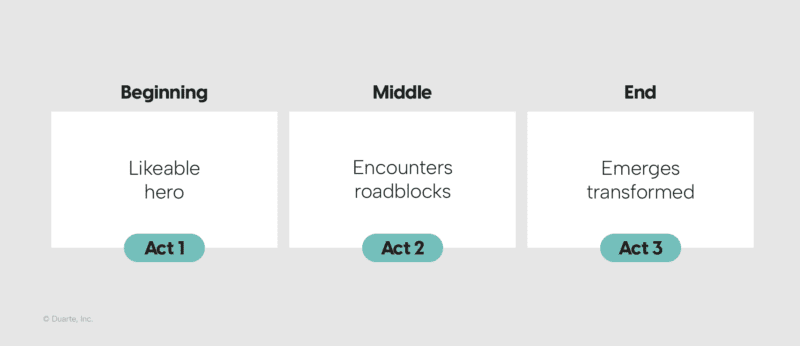
Consider the cinematic world, where massive investments hinge on a compelling vision. Before Christopher Nolan embarked on ambitious projects like his reported $250 million reimagining of The Odyssey (a project still in speculative development but widely discussed in industry circles), he demonstrated his prowess with The Prestige. This 2006 film, based on Christopher Priest’s novel, was brought to life with a comparatively modest $40 million budget. Set in Victorian London, it explores the intense rivalry between two illusionists, masterfully framed by a voiceover from Michael Caine describing the three acts of a magic trick: the Pledge (presenting something ordinary), the Turn (making it do something extraordinary), or the Prestige (making it reappear, transformed).
This narrative structure offers a potent metaphor for budget proposals. The "pledge" of your budget proposal outlines the current state and the resources required. The "turn" details the innovative processes, challenges overcome, and the journey of transformation. The "prestige" reveals the remarkable, desired outcome – the ROI, both financial and qualitative. This three-act structure, advocated by communication experts like Duarte, helps frame any story, from strategic recommendations to persuasive pitches, in a way that resonates deeply with audiences. By providing this arc, budget-approvers can better visualize the journey and the ultimate success, making them feel like integral parts of the creative and financial achievement.
A Contrast in Communication:
To highlight the transformative effect of narrative, let’s examine two hypothetical budget descriptions for The Prestige presented to a fictional studio executive:
-
Approach 1 (Data-Centric): "With a $40 million budget, the film is projected to gross upwards of $100 million at the box office, achieve a runtime of 130 minutes, and ultimately aggregate a 76% score on Rotten Tomatoes based on 208 critical reviews. Production will commence in Q3 and conclude in Q4, targeting a Q2 release next year." This statement, while precise and data-backed, is utterly devoid of life, failing to ignite imagination or foster commitment. It speaks only to numbers, not to potential. A studio executive might see the numbers and evaluate risk, but without a compelling narrative, it remains a detached financial proposition.
-
Approach 2 (Narrative-Driven): "With your crucial approval of our $40 million budget, this film will be a stunning reimagining of Christopher Priest’s award-winning novel, featuring stellar performances by Hugh Jackman, Christian Bale, Scarlett Johansson, Michael Caine, and David Bowie in a role reminiscent of his iconic performance in Labyrinth. The adaptation demands painstaking detail in its execution, but its cross-over appeal into fantasy and science fiction genres, combined with the immense star-power of its cast, will attract diverse global audiences, particularly the coveted 18-34 demographic. Given the caliber of craft and talent behind this project, we confidently project its potential to delight and puzzle generations of viewers, earn critical accolades, and achieve over 200% ROI at the box office and beyond, establishing a new benchmark for intellectual thrillers and enhancing our studio’s reputation for innovative storytelling. This project is not just a film; it’s a cultural event that you, as our visionary leader, will enable."
The difference is stark. The second example immediately casts the budget-approver as a pivotal hero, the enabler of this grand vision. It acknowledges the inherent challenges ("painstaking detail") but elevates the dollar amount into a fully formed, captivating vision of the finished product. While the first example hyper-focuses on purely quantitative metrics, the second masterfully combines projected ROI with loftier, more resonant dimensions like cultural legacy, critical acclaim, and broad audience engagement. It’s the distinction between presenting a story as a static chart and bringing it to life for the silver screen of the mind. This approach moves budget-approvers from passive evaluators to active participants, fostering a sense of ownership and shared destiny in the project’s success. It leverages the psychological principle that people are more likely to support initiatives when they feel a personal connection to the outcome and are seen as instrumental in its realization, creating a sense of shared triumph.
Narrative Technique 2: Demonstrating Conviction and Credibility with "Called Shots" – Call your Shots in Budget Conversations
When presenting a budget story, confidence is paramount, akin to a career slugger stepping up to the plate. However, this confidence must be rooted in substance, not hubris. The aim is not to make bold, unsubstantiated claims, risking a debacle akin to the infamous Fyre Festival, which famously collapsed due to a profound disconnect between ambitious promises and logistical reality. Rather, it is about demonstrating a deep understanding of one’s capabilities, the challenges ahead, and a clear path to overcoming them. While budget-seekers typically possess this self-awareness, it is the budget-approvers who require conviction. Before goals can be achieved, decision-makers must be inspired to believe in the presenter’s capacity to deliver. This demands a blend of swagger and demonstrable skill, perfectly encapsulated by Babe Ruth’s legendary "called shot."
The incident, enshrined in baseball folklore, occurred during Game 3 of the 1932 World Series between the New York Yankees and the Chicago Cubs at Wrigley Field. Amidst palpable animosity between the teams and a hostile crowd—with players exchanging insults and fans jeering—Babe Ruth stepped up to bat in the 5th inning. After taking two strikes from Cubs pitcher Charlie Root, Ruth famously made a pointing gesture towards the center field stands. On the very next pitch, he launched a towering home run, contributing significantly to the Yankees’ eventual sweep of the series. The psychological impact on both teams and the roaring crowd was immense; Ruth’s confidence seemingly demoralized the Cubs and electrified the Yankees.
While historical accounts, eyewitness testimonies, and grainy footage continue to litigate the precise nature of Ruth’s gesture—whether it was a true "called shot" or a general taunt—the narrative cemented by reporter Joe Williams’ iconic headline, "RUTH CALLS SHOT AS HE PUTS HOME RUN NO. 2 IN SIDE POCKET," captured the public imagination. This incident transcended a mere sporting event; it became a powerful emblem of audacious confidence and self-belief, forever altering Ruth’s legacy.
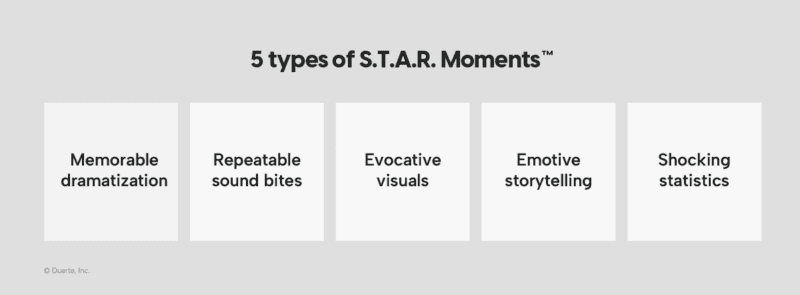
In strategic communication, such moments are often termed S.T.A.R. (Something They’ll Always Remember) moments. These are deliberate opportunities to make a presentation unforgettable, leaving a lasting impression on the audience. S.T.A.R. moments can manifest as memorable dramatizations, repeatable sound bites, evocative visuals, emotive storytelling, or shocking statistics. They have been deployed effectively in diverse contexts, from Academy Award-winning documentaries like Al Gore’s An Inconvenient Truth to high-stakes corporate keynote presentations for companies like Henkel, where a carefully orchestrated demonstration created a lasting impact. For budget-seekers, crafting a S.T.A.R. moment can be the decisive factor in securing project funding. The key question to ask before any budget discussion is: how do I convince budget-approvers my next swing will be a home run?
This doesn’t imply reckless bravado. Ruth, in 1932, was batting an impressive .341 and had already amassed 41 home runs before his legendary at-bat. His "called shot" was not a fluke; it was a demonstration of supreme confidence built upon a foundation of consistent performance and deep skill. Similarly, for a budget-seeker, credibility is earned through meticulous preparation, sound industry analysis, and a proven track record. When the spotlight is on, there is only one chance to demonstrate competence, build trust, and earn the crucial credibility needed for approval.
It’s tempting to dwell on personal accomplishments or intricate analyses. However, a more effective strategy is to create a S.T.A.R. moment that centers the approver. Instead of a self-focused declaration like, "Here’s what I can do," frame the proposal as: "With your help, here’s what we can do." This subtle but profound shift transforms the budget approver from a mere signatory into an active participant, nudging them towards a personal investment in the project’s success beyond a simple line item. Utilizing multimedia elements, clear visuals, and a crisp delivery can amplify this message, ensuring the budget story is not just heard, but felt. This collaborative framing fosters a sense of shared responsibility and mutual success, making it far more likely for approvers to champion the project.
Narrative Technique 3: Forging Deeper Connections Through Empathy and "New Bliss" – Make Budget-Approvers Believe in Something More than Money
Beyond the allure of magic and the confidence of a "called shot," lies the profound power of empathy and emotional resonance. Crafting a message infused with genuine emotional heft can forge deep connections, transcending mere transactional details. This involves channeling universal human elements that move beyond dry plots and figures, helping audiences—including astute budget approvers—to perceive a larger, more meaningful purpose. It’s the reason why culturally significant films and sporting events evoke strong emotions, and why even well-crafted commercials can bring tears to viewers’ eyes.
One highly effective method to engage both analytical and emotional audiences is to skillfully balance the financial imperatives of a budget request with the aspirational "new bliss" that the project promises. The "new bliss," in this context, represents the ideal state, the transformative outcome that audiences (or stakeholders) stand to gain after navigating the "messy middle" of implementing a new goal or change within their organization. For budget-seekers, illustrating the compelling tension between the current reality ("what is") and the envisioned future ("what could be") can inspire approvers to crave the "new bliss" outlined in the proposal.
Incorporating a robust structure and compelling story allows a budget proposal to speak directly to financial realities while simultaneously encouraging decision-makers to envision this "new bliss." Consider the diverse motivations of budget approvers. A Chief Financial Officer (CFO) might seek rigorous reassurances on spending, ensuring fiscal responsibility, but they might also be struggling with work-life balance, missing family events. A CEO might be anxious about the company’s competitive standing in the industry, yearning for market leadership. Or, a senior executive might genuinely aspire to create a product, service, or solution that is not only profitable but also genuinely impactful and beneficial to people, aligning with broader corporate social responsibility goals.
Centering a proposal solely on how a project will generate substantial revenue is certainly one approach. However, a far more powerful strategy is to craft a budget story that highlights how a proposed innovation – perhaps a more efficient workflow or a new technological integration – could provide everyone, including the CFO, with more precious family time by reducing overtime. Or how an investment in a new marketing campaign could reinvigorate public interest and market share, directly addressing leadership’s anxieties about industry status. Or how, with proper funding, a team aims to eliminate a significant pain point from the customer experience, fostering deep brand loyalty and goodwill, leading to sustainable growth. This nuanced approach helps stakeholders develop a personal commitment to the project, extending far beyond the mere act of giving their approval. By tapping into these deeper, often unstated, motivations, a presenter can foster an emotional resonance that purely financial metrics cannot achieve.
The key to achieving this perfect balance lies in rooting the story in audience-first empathy. By acknowledging the inner lives, aspirations, and even the subtle anxieties of budget approvers, a proposal can be structured to seamlessly integrate sound financial reasoning with emotionally resonant details. Beyond just time and money, securing strong organizational backing is a critical indicator of a project’s long-term success. This requires transforming mere buy-in into passionate belief, creating a story that reverberates at every level of the organization. However, it’s crucial to avoid excessive sentimentality, ensuring the high stakes of the financial investment are never overshadowed. The objective is to connect, not to manipulate, building trust through a holistic vision.
Synthesis and Broader Implications: The Path to Transformative Approval
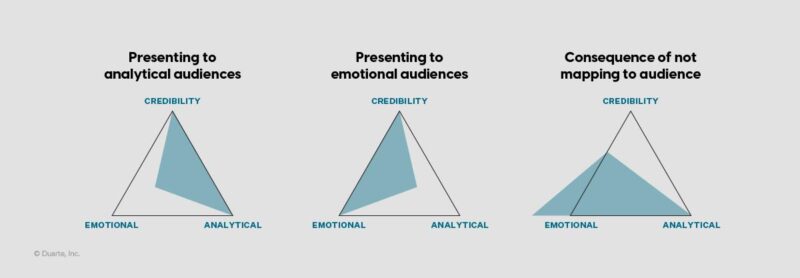
The integration of these narrative techniques – casting approvers as heroes of ROI, demonstrating conviction through "called shots," and appealing to deeper aspirations with "new bliss" – represents a sophisticated evolution in corporate communication. As championed by methodologies like the Duarte Method, which emphasizes the interplay of Delivery, Visuals, and Story, all rooted in Strategy and Empathy, this approach moves beyond conventional presentations to create truly impactful engagements. It acknowledges that even in the most data-driven environments, human decision-making is profoundly influenced by connection, trust, and a compelling vision of the future.
In an increasingly competitive landscape for resources, the ability to articulate a vision in a compelling, human-centric manner provides a significant strategic advantage. Organizations that cultivate a culture of compelling storytelling are better positioned to foster internal alignment, attract top talent, and secure the necessary capital for transformative initiatives. This is not merely about securing a single budget; it’s about embedding a powerful communication framework that enhances executive presence and drives sustained organizational growth and innovation across all departments.
The future of business communication demands more than just data literacy; it requires narrative fluency. As companies navigate complex markets, rapid technological change, and evolving stakeholder expectations, the capacity to inspire and galvanize stakeholders around a shared vision becomes indispensable. By delivering budget stories that are structured, empathetic, and punctuated by well-placed S.T.A.R. moments, budget-seekers are not just asking for funds; they are paving the road ahead, rubberstamp-ready, for a future where ideas are not just approved, but passionately championed. This strategic shift ensures that the investment made is not just in a project, but in
