

The practice of "debreathing" voice-over recordings, the deliberate removal or silencing of vocal breaths, is a nuanced aspect of audio production that often sparks debate. While seemingly a simple editing technique, its application carries significant implications for the naturalness, authenticity, and even the effectiveness of a voice performance. This article delves into the complexities surrounding debreathing, examining its historical context, its perceived necessity in certain genres, and the growing arguments against its widespread adoption across the broader voice-over landscape.
Understanding the Mechanics of Debreathing
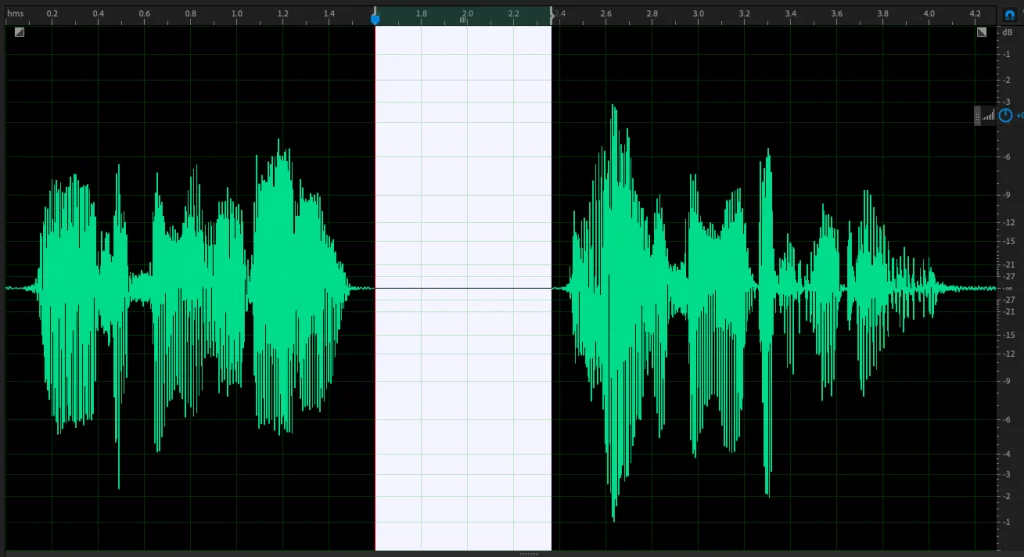
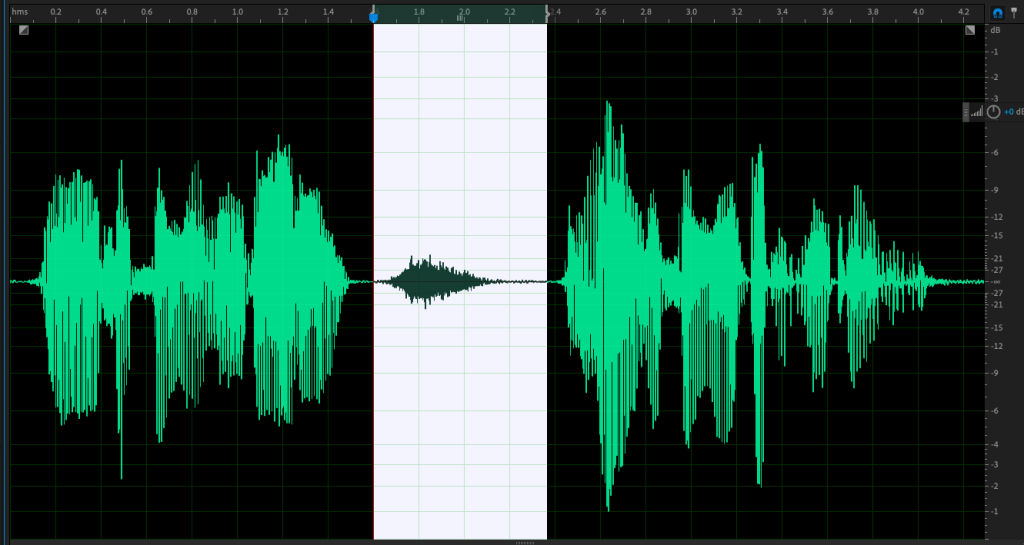
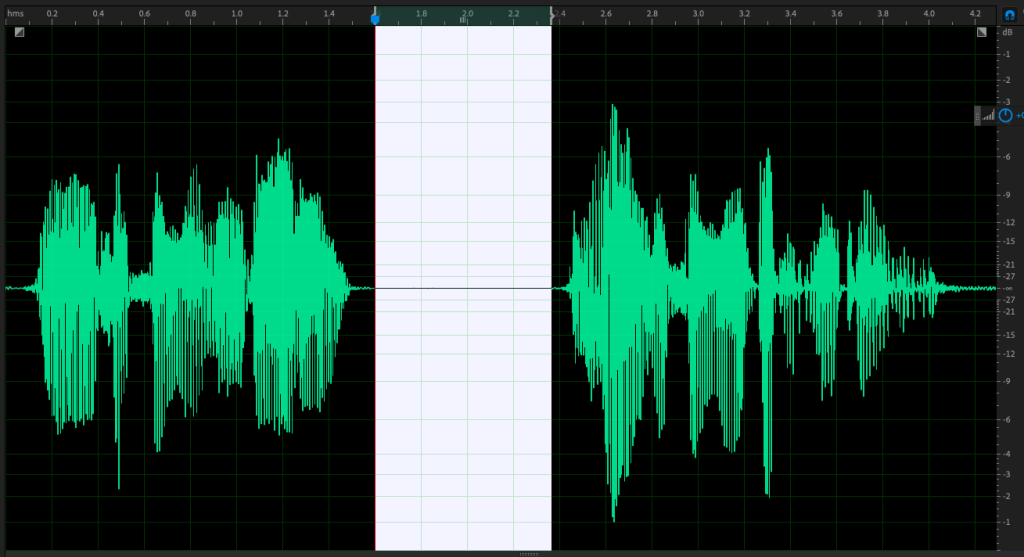
At its core, debreathing involves isolating and manipulating the audible intake of air during a recorded vocal performance. This can be achieved through two primary methods: silencing the breath sounds or completely removing the breath and the associated silence that follows. Modern digital audio workstations (DAWs) like Adobe Audition offer sophisticated tools that allow editors to pinpoint these subtle vocalizations. Visual representations within these software programs clearly delineate the breath sounds, often appearing as distinct waveform spikes separate from the spoken word. The distinction between silencing and outright removal is crucial; silencing preserves the natural rhythm and pacing of speech, while removal can lead to an unnaturally abrupt transition between phrases.
Historically, debreathing was largely confined to specific sectors of the voice-over industry, primarily commercial advertising. The rationale behind this practice was rooted in the perceived need for a pristine, uninterrupted delivery that prioritized the clarity and impact of the marketing message. In advertisements, where every second counts and the goal is to capture and retain listener attention, extraneous sounds like breaths were often seen as potential distractions. The prevalent belief was that a "cleaner" vocal track would enhance the overall professionalism and persuasive power of the advertisement.

The Shifting Landscape of Commercial Voice-Over
The definition of "commercial voice-over" itself has become a point of contention when discussing debreathing. Traditionally, it referred to voice work for advertisements broadcast across various media – television, radio, cinema, and digital platforms. However, the term can also encompass any voice-over work undertaken for a company or client in a professional, paid capacity. This broader interpretation has led to the application of debreathing to a wider range of content than was perhaps originally intended.
Industry veterans often adhere to a stricter interpretation: debreathing should be reserved for actual advertisements where the primary objective is to deliver a concise, impactful message without any potential for distraction. In this context, the presence of music beds and sound effects in commercials can often mask the absence of breaths, making the edited vocal track sound natural to the listener. The focus remains squarely on the spoken word, ensuring that the advertiser’s message is received with maximum clarity and minimal interruption.
The Argument Against Universal Debreathing
The debate intensifies when considering the application of debreathing to genres beyond traditional advertising. Voice-over work for corporate narration, documentaries, audiobooks, gaming, and dramatic performances often benefits from, or even necessitates, the inclusion of vocal breaths. Several compelling arguments support this perspective:
-
The Naturalness Factor: Humans naturally breathe when they speak. Our auditory system is conditioned to perceive breathing as an integral part of human communication. The absence of these sounds in extended spoken passages can create an uncanny and unsettling listening experience. Listeners may subconsciously perceive the performance as robotic or unnatural, leading to a disconnect with the content. This phenomenon has been observed in the evolution of text-to-speech technologies. Early iterations, while technically proficient, often lacked audible breathing, sounding sterile and less human. More recent advancements have incorporated breathing sounds, acknowledging their role in creating more lifelike and engaging vocalizations.
-
The Role of Pauses: Vocal breaths serve as natural pauses, providing listeners with crucial moments to process information. These pauses allow for cognitive assimilation, enabling the listener to absorb, reflect upon, and internalize the spoken content. In non-advertisement contexts, where the depth and nuance of the message are paramount, these breathing pauses can be instrumental in facilitating comprehension and retention. Conversely, the aggressive removal of breaths in corporate narration or audiobooks can lead to a relentless, high-speed delivery that overwhelms the listener, hindering their ability to fully engage with the material. This can result in a superficial understanding, where the listener retains little of the communicated information.
-
Authenticity and Emotional Resonance: For genres that rely on emotional depth and authentic delivery, breathing is a powerful indicator of performance style. It signals human effort, emotion, and the natural cadence of speech. Removing breaths can strip away these essential elements, transforming a genuine performance into something sterile and artificial. In narrative voice-overs, for example, the subtle intake of breath can convey anticipation, vulnerability, or contemplation, enriching the storytelling.
Unintended Consequences: Noise Gates and Expanders
A significant concern within the voice-over community is the inadvertent removal of breaths through the misuse of audio processing tools like noise gates and expanders. These tools are typically employed to reduce background noise in a recording. However, when set too aggressively, they can also attenuate or eliminate quieter sounds, including vocal breaths, along with unwanted ambient noise. This often occurs when producers or engineers attempt to "clean up" a subpar recording environment rather than addressing the root cause of the noise.
The consequence of such indiscriminate processing is a vocal track that, while potentially quieter, has lost a critical element of its human expressiveness. This practice is often seen as a shortcut, a "fudging" of the audio that ultimately detracts from the performer’s artistry and the natural quality of the recording. Industry professionals emphasize that investing in proper acoustic treatment for recording spaces is a far more effective and artistically sound approach than relying on aggressive noise reduction techniques that compromise the vocal performance.
A Call for Discretion and Client Consultation
In conclusion, the practice of debreathing voice-over recordings is not a universal requirement. While it may hold a place in the production of certain types of advertisements, its application beyond that specific context warrants careful consideration and often, explicit instruction from the client. The general consensus among many voice-over artists and audio engineers is to err on the side of retaining breaths unless specifically instructed otherwise.
The current industry trend favors naturalness and authenticity in voice performances. As artificial intelligence-generated voices become increasingly sophisticated, the unique human qualities of a voice actor – including their breathing – become even more valuable. These subtle vocalizations are not mere technical imperfections but integral components of the human condition that contribute to a genuine and relatable performance. Therefore, unless a client explicitly requests the removal of breaths for a specific project, preserving them is generally considered the professional and artistically sound approach.
However, it is paramount for voice-over professionals to adhere to client specifications. If a client in the corporate, gaming, or any other sector specifically requests debreathing, then that instruction should be followed. The client bears the ultimate responsibility for the final product and has the right to dictate the desired aesthetic. The overarching principle is to understand the purpose of the recording and to collaborate with the client to achieve the most effective outcome. For advertisements, a quick confirmation with the client regarding debreathing is always advisable. For other forms of voice-over work, the default should be to retain the natural breathing unless a contrary directive is provided. This nuanced understanding ensures that voice performances are both technically sound and artistically resonant.
