

Choosing the right microphone is a critical decision for any aspiring or established voiceover artist. The nuances of vocal performance, from the subtle inflections of a narrator to the dynamic range of a character actor, demand equipment that can accurately capture every sonic detail. This comprehensive guide delves into the diverse landscape of microphones suitable for voiceover work, catering to a spectrum of budgets and experience levels, from beginners taking their first steps into the industry to seasoned professionals seeking to refine their sonic toolkit. Understanding the technical specifications, the unique characteristics of different microphone types, and the critical role of accessories is paramount to achieving professional-quality recordings that will impress clients and stand out in a competitive market.
Understanding the Essential Voiceover Recording Setup
Before diving into microphone specifics, it’s crucial to establish a foundational understanding of the equipment required for effective voiceover recording. A well-rounded setup typically includes a microphone, an audio interface or mixer, headphones, and acoustic treatment for the recording space. This basic configuration provides the necessary tools to capture clear audio, produce compelling demo reels, and effectively audition for roles. For newcomers, an initial assessment of vocal suitability for the voice acting industry is a prudent first step, often involving feedback from industry professionals or vocal coaches.
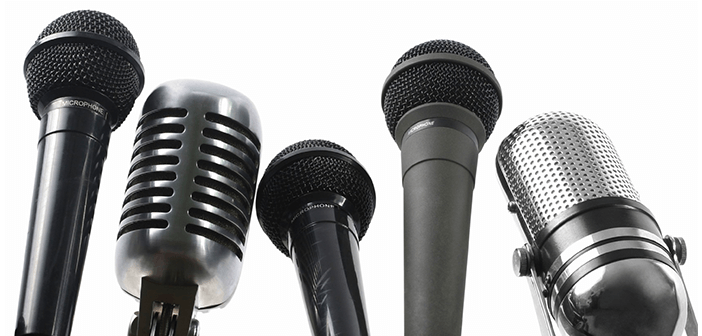
Deciphering Microphone Technologies: Dynamic vs. Condenser
At the heart of any recording setup lies the microphone, and understanding the fundamental differences between the primary types used in voiceover work is essential.
Dynamic Microphones: Robust and Reliable
Dynamic microphones operate on the principle of electromagnetic induction. Sound waves cause a diaphragm to vibrate, which in turn moves a coil within a magnetic field, generating an electrical signal.
-
Pros:
- Durability: Generally more robust and less susceptible to damage from drops or mishandling, making them ideal for less controlled environments or for artists who travel frequently.
- High SPL Handling: Can handle very loud sound pressure levels without distortion, though this is less critical for typical voiceover applications compared to live music recording.
- No Phantom Power Required: They do not require an external power source, simplifying setup and reducing potential compatibility issues.
- Cost-Effective: Often more affordable than comparable condenser microphones, offering excellent value for budget-conscious beginners.
- Reduced Sensitivity to Background Noise: Their lower sensitivity can be advantageous in untreated home studios, helping to minimize the pickup of ambient room noise.
-
Cons:
- Lower Sensitivity: Require more gain from the preamplifier, which can sometimes introduce more noise into the signal, especially with lower-quality audio interfaces.
- Less Detailed High-Frequency Response: Tend to have a less extended and detailed high-frequency response compared to condenser microphones, which can affect the capture of subtle vocal nuances and sibilance.
- Less "Airy" Sound: May not produce the same sense of "air" or spaciousness in the vocal recording as condenser microphones.
Large Diaphragm Condenser Microphones: Capturing Nuance and Detail
Condenser microphones utilize a capacitor (or condenser) formed by a thin, conductive diaphragm placed close to a fixed metal backplate. An electrical charge is applied to these plates, and sound waves cause the diaphragm to vibrate, altering the capacitance and thus the electrical output.
-
Pros:
- Superior Sensitivity and Detail: Exhibit a much higher level of sensitivity, allowing them to capture the subtlest details, nuances, and transient information in a vocal performance.
- Extended High-Frequency Response: Offer a broader and more detailed frequency response, particularly in the upper ranges, resulting in a more open, airy, and natural sound.
- Faster Transient Response: Capable of accurately reproducing the rapid attack of sounds, such as consonants and percussive elements, leading to clearer articulation.
- Warmer and Richer Tone: Often lauded for their ability to impart a warm, rich, and polished quality to the voice, which is highly desirable in many voiceover applications.
-
Cons:
- Require Phantom Power: Necessitate a 48V phantom power supply, typically provided by an audio interface or mixer, to operate.
- More Fragile: Their delicate construction makes them more susceptible to damage from physical impact, humidity, and extreme temperatures.
- More Sensitive to Room Acoustics: Their high sensitivity means they will pick up more of the room’s ambient noise and reverberation, making acoustic treatment of the recording space crucial.
- Higher Cost: Generally more expensive than dynamic microphones, especially high-quality models.
The Importance of Phantom Power
Phantom power is a direct current voltage (typically +48V) that is sent from the audio interface or mixer through the microphone cable to power the internal electronics of condenser microphones. It’s a standard feature on most professional audio interfaces and is essential for the operation of most condenser microphones. While the concept might seem intimidating, it’s a straightforward feature to manage; ensure your interface is turned on and phantom power is engaged when using a condenser mic.
The Advantage of USB Microphones
USB microphones offer a simplified approach to home recording by integrating the microphone and audio interface into a single unit.
-
USB Microphone Pros:
- Plug-and-Play Simplicity: Connect directly to a computer via USB, eliminating the need for separate audio interfaces or complex driver installations.
- Cost-Effective Entry Point: Often more affordable than traditional XLR microphones paired with an audio interface, making them accessible for beginners.
- Portability: Their all-in-one design makes them highly portable for on-the-go recording.
- Reduced Setup Time: Significantly speeds up the process of getting a recording setup operational.
-
USB Microphone Cons:
- Limited Upgrade Path: Once you outgrow a USB microphone, you typically need to replace the entire unit, rather than upgrading individual components.
- Potential for Latency: Some USB microphones can introduce slight latency (delay) in the audio signal, which can be distracting during recording.
- Lower Quality Preamps and Converters: The integrated preamplifiers and analog-to-digital converters are often of lower quality compared to dedicated professional audio interfaces, potentially limiting sonic fidelity.
- Less Flexibility: Offer fewer connectivity options and often lack the sophisticated features found on professional audio interfaces, such as multiple inputs and outputs.
Understanding Polar Patterns: Directivity of Sound Capture
Polar patterns describe a microphone’s directional sensitivity, dictating from which directions it is most likely to pick up sound. This is a crucial factor in managing room acoustics and isolating the desired vocal source.
-
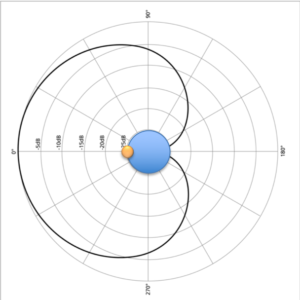
Cardioid: The most common pattern for voiceover work. It exhibits maximum sensitivity to sound arriving from the front of the microphone, with significant rejection of sound from the sides and rear. This directional pickup helps to minimize room reflections and background noise. A well-designed cardioid microphone will offer excellent rejection of plosives (popping sounds from P and B consonants) when positioned correctly, typically slightly off-axis.
-
Omnidirectional: Picks up sound equally from all directions. While offering a very natural and open sound, it also captures a significant amount of room ambiance, making it less suitable for untreated recording spaces.
-
Bidirectional (Figure-8): Picks up sound equally from the front and rear of the microphone, with maximum rejection from the sides. This pattern is often used for interviews or recording duets, where two sources are placed on opposite sides of the microphone.
-
Hypercardioid: A tighter version of the cardioid pattern, with even greater side rejection but a small lobe of sensitivity directly at the rear. This pattern offers excellent isolation but requires precise positioning to avoid capturing unwanted rear sound.
For most voiceover artists, the cardioid polar pattern is the most practical and effective choice, offering a balance of directivity and ease of use. Some high-end microphones, like the Neumann U87, offer switchable polar patterns, providing greater versatility for different recording scenarios.
The Role of Pads and Filters
-
Pads: Pad switches reduce the input signal level to the microphone’s internal circuitry. While useful for extremely loud sound sources like amplified instruments, they are generally not necessary for voiceover recording unless dealing with exceptionally loud vocalists or unexpected signal peaks.
-
High-Pass Filters (Low-Cut Filters): These filters progressively reduce the level of low-frequency sounds below a certain point (e.g., 80Hz or 120Hz). This is highly beneficial in voiceover work to minimize unwanted low-frequency noise such as rumble from HVAC systems, traffic noise, or proximity effect (an artificial boost in bass when speaking very close to the microphone).
Connectors: XLR vs. Jack
-
XLR Connectors: These are the standard for professional microphones, particularly those requiring phantom power. The 3-pin XLR connector provides a balanced audio connection, which is crucial for long cable runs and helps to eliminate electromagnetic interference and noise pickup. All microphones requiring phantom power will use XLR connections.
-
Jack Connectors (TS/TRS): Commonly found on musical instruments and some consumer-grade audio equipment. While TRS (Tip-Ring-Sleeve) jacks can offer balanced connections, they are less robust and more susceptible to noise over longer distances compared to XLR. For professional voiceover work, microphones with only a jack output are generally not recommended.
Key Considerations When Choosing Your Voiceover Microphone
The "best" microphone for voice acting is a subjective choice, heavily influenced by individual vocal characteristics, intended use, and budget. The goal is to find a microphone that minimizes technical challenges while capturing the most accurate and flattering representation of your voice.
- Vocal Type and Tonality: Consider how the microphone’s frequency response complements your natural voice. Some microphones have a slight boost in certain frequencies that can enhance or detract from particular vocal qualities. For instance, a microphone with an exaggerated high-frequency lift might make female voices sound overly sibilant.
- Recording Environment: The acoustic treatment of your recording space is as important as the microphone itself. A sensitive condenser microphone will reveal imperfections in your room, while a less sensitive dynamic mic might be more forgiving in a less-than-ideal acoustic setting.
- Budget Allocation: It’s wise to set a realistic budget and explore the best options within that range. While high-end microphones are often impressive, excellent results can be achieved with more affordable options, especially when paired with proper technique and acoustic treatment.
- Frequency Response: Aim for microphones with a relatively "flat" frequency response, meaning they reproduce the sound source as accurately as possible without adding significant coloration. However, some microphones are designed with specific tonal characteristics that can be advantageous for certain voices or genres.
A Spectrum of Voiceover Microphones: Recommendations Across Budgets
This curated list presents a range of highly regarded microphones for voiceover work, categorized by their approximate price points and highlighting their key strengths.
Entry-Level & Budget-Friendly Options (Under $200)
- Blue Yeti (approx. $129): A popular USB microphone that offers surprising versatility for its price. It features multiple polar patterns, making it adaptable for various recording situations. While not a professional studio standard, it’s an excellent starting point for budget-conscious beginners. The Yeti Pro offers an XLR output for greater future flexibility.
Mid-Range Excellence ( $200 – $500)
-
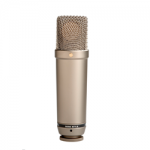
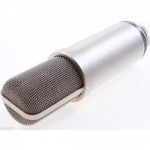
Rode NT1/NT1-A (approx. $249): Renowned for its exceptionally low self-noise, the Rode NT1 is a workhorse condenser microphone that provides a clean, neutral, and detailed sound. It’s a fantastic value for its performance, offering a wide dynamic range and a clear reproduction of vocals. While some experienced engineers can identify its "Rode sound," for most voiceover applications, it delivers professional-grade results.
-
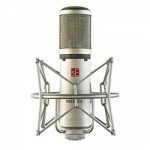
sE Electronics sE2200a II C (approx. $299): This versatile large-diaphragm condenser microphone is praised for its upfront and clear sound. It includes useful features like a high-pass filter and a pad switch, offering sound-shaping capabilities for different vocalists and environments. Its robustness and detailed audio capture make it a solid choice for emerging voice actors.
-
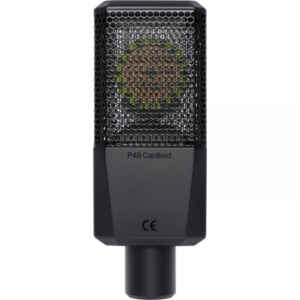
Lewitt LCT 440 Pure (approx. $245): A newer contender in the mid-range market, the LCT 440 Pure is a cardioid condenser microphone that delivers a clear and crisp sound. Its innovative design, including an open front and magnetic pop-shield, contributes to its sonic clarity. At its price point, it represents excellent value for its performance and build quality.
-
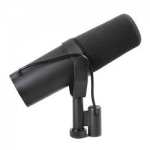
Shure SM7B (approx. $349): A legendary dynamic microphone, the SM7B is a staple in radio broadcasting and podcasting, and increasingly popular for voiceover. It excels at capturing a warm, present, and clear vocal tone with excellent off-axis rejection, making it ideal for untreated rooms. It requires a good amount of gain from a preamplifier, often necessitating a quality audio interface or a dedicated preamp like a Cloudlifter.
-
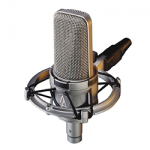
Audio-Technica AT4033a (approx. $399): This cardioid condenser microphone is known for its excellent transient response and clean output. It features an 80Hz high-pass filter to reduce low-frequency noise and rumble, making it a versatile option for capturing clear vocals. Its robust construction and consistent performance make it a reliable choice.
Professional Grade & Investment Options ($500+)
-
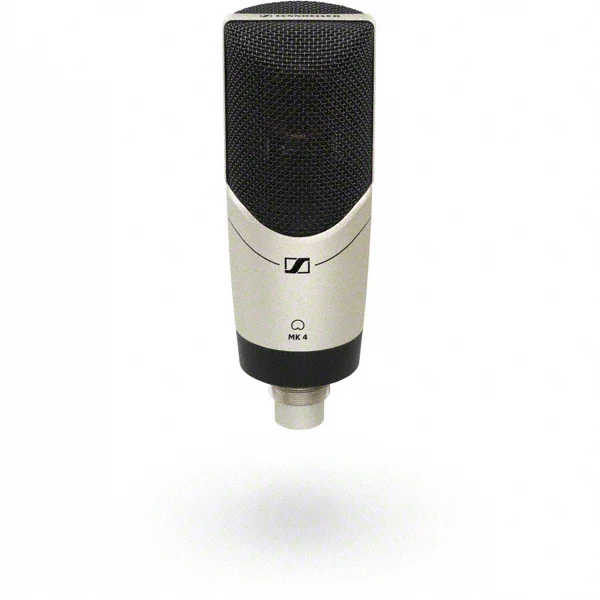
Sennheiser MK4 (approx. $350 – $400): While often positioned in the mid-range, the MK4 offers exceptional value and performance, rivaling microphones in higher price brackets. Notably, Sennheiser owns Neumann, and the MK4’s diaphragm capsule was developed by the same team behind the iconic Neumann U87. It’s a cardioid-only condenser with a robust build, delivering a wonderful sound for both male and female voices. Its combination of performance, durability, and price makes it a top recommendation for working voice artists.
-
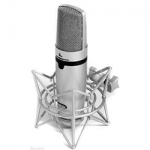
Rode NTK (approx. $529): This vacuum tube condenser microphone offers a distinctively warm and rich character. The NTK is ruggedly built and provides a smooth, clear sound that is highly sought after for voiceover work, particularly for narration and character performances.
-
Audio-Technica AT4047/SV (approx. $699): Designed with sonic characteristics reminiscent of vintage FET studio microphones, the AT4047/SV offers a transformer-coupled output for a smooth, pleasing sonic signature. It boasts low self-noise, a wide dynamic range, and high SPL capability, making it a versatile and high-performing choice for professional voiceover.
-
Miktek C7 (approx. $899): A versatile large-diaphragm FET condenser microphone, the C7 features three selectable pickup patterns (cardioid, omnidirectional, and bidirectional). This flexibility makes it suitable for a wide range of voiceover applications, including interviews and dual-voice recordings. It’s known for its sweet-sounding and user-friendly performance.
-
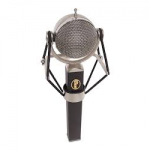
Blue Dragonfly (approx. $249): Despite its more accessible price point, the Dragonfly delivers a sweet, vintage-inspired sound that evokes classic Neumann and AKG microphones. Its unique capsule design allows for a wide range of positioning, offering sonic opportunities for creative voice artists.
-
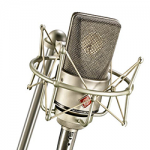
Neumann TLM 103 (approx. $1,099): Although not specifically designed for voiceover, the TLM 103 is a widely recommended microphone by many voice actors. It features a transformerless circuit for low self-noise and wide dynamic range. Its cardioid capsule is finely tuned for acoustic balance. A notable characteristic is its slight high-frequency lift, which can sometimes accentuate sibilance in higher female voices.
-
AKG C414 XLII (approx. $1,100): A legendary studio workhorse, the AKG C414 is a highly versatile microphone with nine switchable polar patterns, providing exceptional flexibility. It offers a brilliant pickup range with a pleasingly flat frequency response and robust build quality. Its multiple settings and professional-grade audio capture make it an excellent investment for any serious voiceover artist.
-
Neumann U87 Ai (approx. $3,180): Often considered the benchmark for vocal recording, the U87 Ai is the standard in professional studios worldwide. Its reputation is built on exceptional build quality, unparalleled performance, and its ability to capture a wide range of vocal nuances with a flat frequency response. It features switchable polar patterns and a pad. While a significant investment, it offers a timeless sound that remains relevant across various voiceover genres. The Sennheiser MK4 is often cited as a more affordable alternative that captures much of the U87’s sonic essence.
-
Sennheiser MKH 416 (approx. $700 – $800): This hypercardioid shotgun microphone is ubiquitous in film and television sound recording and has found a niche in voiceover, particularly for commercials. Its focused pickup pattern and robust design make it an excellent travel microphone. When positioned correctly and used for close-miking, it delivers a punchy, commercial-ready sound. Due to its hypercardioid pattern, precise on-axis positioning is crucial, and many professionals pair it with a large-diaphragm condenser for greater versatility.
Final Recommendations and Moving Forward
Selecting the best microphone for voiceover work is a journey that begins with understanding your needs, your budget, and the technical aspects of audio capture. For beginners, starting with a reliable USB microphone like the Blue Yeti or a budget-friendly dynamic or condenser microphone paired with an affordable audio interface is a prudent first step. As your career progresses and your understanding of audio deepens, investing in mid-range or professional-grade microphones like the Rode NT1, Shure SM7B, Sennheiser MK4, or Neumann TLM 103 will significantly elevate the quality of your recordings.
Ultimately, the most effective microphone is one that complements your unique voice, integrates seamlessly into your recording environment, and allows you to perform with confidence. The microphones listed represent a strong starting point for exploration, each offering distinct advantages for the discerning voiceover artist. Continuous learning, experimentation, and attention to acoustic treatment will further enhance the sonic results achievable with any of these excellent tools.
