


Father’s Day, observed annually on the third Sunday of June, traditionally offers a dedicated moment for families to honor and celebrate the paternal figures in their lives. This year, as many households engaged in expressions of gratitude, the occasion also brought to the forefront the complex and often profound impact fathers have, extending far beyond a single day of recognition. For a significant portion of the population, the concept of "Father’s Day" can evoke a spectrum of emotions, ranging from deep appreciation to profound sadness and even pain, stemming from a diverse array of personal experiences.
The very notion of addressing a higher power as "Father," a common practice in many religious traditions, can be a source of difficulty for individuals whose relationships with their earthly fathers were fraught with hardship. These challenges can manifest in numerous ways: the absence of a father figure altogether, experiencing neglect or abandonment, enduring abuse, or simply navigating a relationship characterized by emotional distance. This reality, while somber, underscores a critical truth that often goes underemphasized in societal discourse: fathers play a role of immense significance, a significance that warrants a deeper societal acknowledgment than is typically afforded.
The Profound Impact of Father Absence: Data and Evidence
Research consistently illuminates the detrimental effects of father absence on child development. Studies have indicated that boys from fatherless homes are at a higher risk of engaging in antisocial behaviors, a trend that can persist into adolescence and adulthood. For girls, the absence of a father figure has been linked to increased challenges with self-esteem and a greater susceptibility to mental health issues. These findings are not merely statistical anomalies; they represent tangible impacts on individuals and, by extension, on the fabric of society.
For instance, longitudinal studies, such as those conducted by the National Fatherhood Initiative, have correlated father involvement with a host of positive outcomes for children. These include improved academic performance, lower rates of juvenile delinquency, and enhanced emotional well-being. Conversely, the lack of paternal engagement has been associated with increased risks of poverty, substance abuse, and teenage pregnancy. The data suggests that a father’s presence, whether biological or a surrogate caregiver, can serve as a protective factor, offering guidance, support, and a stable presence that contributes to a child’s healthy development.
Fathers as Primary Influencers: A Lifelong Imprint
Whether a father is actively present or largely absent, deeply engaged or emotionally detached, encouraging or consistently critical, his influence is indelible. This imprint, whether positive or negative, is an unavoidable consequence of the paternal role. Understanding this dynamic is crucial, particularly for those who have dedicated years to studying the science of influence. While influence is often discussed in contexts such as sales, leadership, negotiations, or business strategy, its origins are far more fundamental, commencing within the domestic sphere.
Parents, by their very nature, are among the earliest and most impactful influencers in a child’s life. Fathers, in particular, occupy a unique position in shaping a child’s perception of themselves, their understanding of interpersonal relationships, and their broader worldview. This understanding underscores the importance of intentionality in parenting. Many parents, reflecting on their own upbringing, grapple with the complex task of building upon the positive aspects of their parental inheritance while mitigating the negative lessons learned. This process of reflection and conscious effort is a vital mechanism through which societal progress is fostered, impacting one child, one family, and one generation at a time.
A Legacy of Intentional Parenting: Personal Reflections
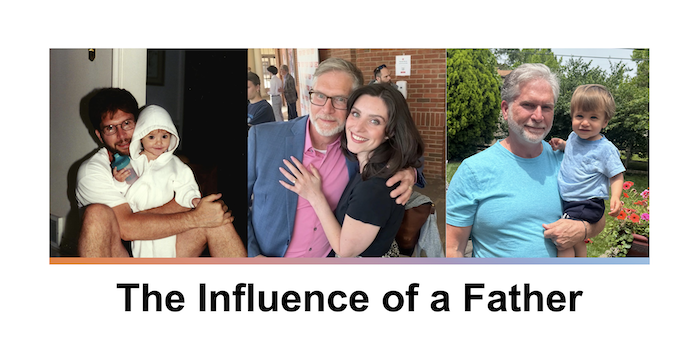
For Brian Ahearn, Chief Influence Officer at Influence PEOPLE and a faculty member at the Cialdini Institute, this intentionality was a cornerstone of his parenting philosophy. Reflecting on his more than 17 years of blogging, Ahearn recalls that in the early days, when his daughter Abigail was just 13, many of his writings focused on parenting. This emphasis stemmed from a deliberate effort by him and his wife, Jane, to cultivate a nurturing and impactful environment for their daughter. Their approach was rooted in a dual inquiry: "What did we want to emulate from our parents, and what mistakes did we want to avoid repeating?" This introspective process is a common thread among many parents striving to offer their children a more positive experience.
The long-term effects of such intentionality are often profound. Ahearn notes that his daughter Abigail, now 30 years old, has surpassed his own developmental achievements at the same age, a testament he attributes not to chance but to consistent effort and mindful guidance. This observation aligns with principles of child psychology, which highlight the continuous learning process children undergo by observing, listening, and experiencing their environment. They absorb lessons from how their parents navigate adversity, the language they use in interactions, and the congruence between their spoken words and their actions.
The Principle of Consistency: A Foundation of Credibility
The psychological principle of consistency, as articulated by Robert Cialdini, plays a significant role in everyday parenting. Children are remarkably attuned to whether their parents’ actions align with the values they espouse. When parents demonstrate consistency, their credibility is enhanced in the eyes of their children. Conversely, discrepancies between words and deeds can erode trust and undermine parental authority. This fundamental lesson, learned long before children can articulate the concept of influence, establishes credibility as a cornerstone of effective guidance.
The Evolving Role of Fatherhood: From Parent to Grandparent
The experience of fatherhood often evolves, offering new perspectives and responsibilities. Ahearn now embraces the role of grandfather to 15-month-old Emmett. Living in close proximity to his daughter Abigail and her husband Tyler allows for frequent and extended visits, providing a unique vantage point from which to observe the unfolding of early childhood development. Witnessing Emmett’s growth reinforces the profound influence adults wield over the lives of children. Every gesture of affection, every word of encouragement, and every moment of focused attention carries weight and contributes to a child’s developing self.
A Universal Message to Fathers: The Unwavering Power of Influence
The recurring theme of influence, particularly as it relates to fatherhood, leads to a singular, powerful message for fathers everywhere: "Never underestimate your influence." Children are perpetually observant, absorbing the subtle and overt messages conveyed by their fathers, even when it may not appear so. A father’s presence, his words, his example, and most importantly, his love, all leave an indelible mark.
The aspiration to be a "perfect" father is often an unattainable ideal, as human imperfection is universal. However, the capacity for intentionality is within reach for all fathers. This intentionality allows them to consciously shape memories, beliefs, and habits that can endure a lifetime. The fundamental question is not if a father will influence his children—that influence is already a given. The critical question is what kind of influence will be exerted. Will it be one that fosters resilience, self-worth, and a positive outlook on the world?
Societal Implications and Future Directions
The profound and multifaceted influence of fathers extends beyond the immediate family unit, impacting community dynamics and societal well-being. Recognizing and supporting the vital role fathers play is not merely a matter of familial sentiment but a strategic investment in building stronger families and more stable communities. Initiatives aimed at promoting responsible fatherhood, providing resources for paternal engagement, and fostering positive father-child relationships can yield significant long-term benefits.
As society continues to evolve, so too does our understanding of family structures and the diverse ways in which individuals fulfill the role of caregiver. Regardless of the specific familial arrangement, the principles of intentionality, consistent positive influence, and unwavering love remain central to nurturing healthy development in children. Father’s Day serves as a valuable reminder of this enduring truth, urging a deeper societal appreciation for the paternal figures who, through their presence and actions, shape the future, one generation at a time.
About the Author:
Brian Ahearn is the Chief Influence Officer at Influence PEOPLE and a faculty member at the Cialdini Institute. He is a renowned author, TEDx presenter, international speaker, coach, and consultant dedicated to helping clients ethically apply influence in everyday situations to achieve enhanced results. As one of a select group of Cialdini Method Certified Trainers globally, Ahearn received direct training and endorsement from Robert Cialdini, Ph.D., a leading figure in social psychology and the science of ethical influence. His book, Influence PEOPLE, has been recognized as one of the 100 Best Influence Books of All Time by Book Authority. Ahearn’s other works, Persuasive Selling and Influenced from Above, have achieved bestseller status on Amazon. His LinkedIn Learning courses on persuasive selling and coaching have garnered over 850,000 views worldwide, and his TEDx Talk on pre-suasion has surpassed one million views.
