

The trajectory of a child’s linguistic development is a cornerstone of their overall growth, profoundly influencing their cognitive, social, and emotional well-being. Within this critical developmental journey, the significance of early intervention speech therapy cannot be overstated, serving as a pivotal mechanism for addressing emerging communication challenges. For both seasoned speech-language pathologists (SLPs) and parents navigating the complexities of a young child’s nascent speech, understanding and actively engaging in this crucial period is paramount. This comprehensive exploration delves into the scientific underpinnings, practical applications, and far-reaching implications of early intervention, offering insights into effective strategies and the indispensable role of meticulous developmental tracking.
Understanding the Landscape of Early Language Development
Human language acquisition is a complex and fascinating process, unfolding rapidly during the first few years of life. Typically, infants begin to babble around 6-9 months, producing consonant-vowel (CV) combinations like "ba-ba" or "ma-ma." These early vocalizations are precursors to true words, which usually emerge between 10 and 15 months, with an average of 12 months for the first word. By 18 months, a child’s vocabulary typically expands to 10-50 words, and by 24 months, they often possess a vocabulary of 50 or more words and begin combining two words into simple phrases, such as "more juice" or "daddy go." These milestones are not rigid deadlines but rather general indicators, providing a framework for monitoring development.
However, not all children follow this typical progression. A significant subset, often referred to as "late talkers," exhibit fewer than 50 words and no two-word combinations by 24 months of age. Research indicates that approximately 10-15% of toddlers fall into this category. While some late talkers spontaneously catch up to their peers by preschool age, a substantial proportion (estimated between 40-50%) continue to experience language difficulties, potentially leading to later academic challenges, literacy issues, and social communication deficits. This variability underscores the importance of vigilance and professional consultation when developmental milestones appear delayed.
The Critical Window: Why Early Intervention is Indispensable
The period from birth to age three is often described as a "critical window" for brain development, characterized by remarkable neuroplasticity. During this time, the brain forms millions of neural connections daily, laying the groundwork for all future learning and development, including language. Early intervention capitalizes on this heightened plasticity, providing targeted support when the brain is most receptive to learning and reorganization. Addressing speech and language delays during these formative years can significantly alter a child’s developmental trajectory, minimizing the need for more intensive and prolonged interventions later in life.
The implications of unaddressed speech and language delays are far-reaching. Children who struggle with communication may experience difficulties in social interaction, leading to frustration, isolation, and behavioral challenges. Academically, language forms the foundation for literacy, reading comprehension, and overall school success. Delays in expressive and receptive language can impede a child’s ability to follow instructions, participate in classroom discussions, and develop strong reading and writing skills. Furthermore, ongoing communication difficulties can impact a child’s self-esteem and confidence, affecting their emotional well-being.
Conversely, the benefits of early intervention are well-documented. Studies consistently demonstrate that children receiving timely speech therapy show marked improvements in their expressive and receptive language skills, phonological awareness, and social communication. This proactive approach not only supports the child’s immediate needs but also fosters a more robust foundation for future learning and successful integration into educational and social environments. The long-term cost-effectiveness is also notable; early investment in therapy can reduce the need for special education services, tutoring, and other support systems in later school years.
The Expertise of Speech-Language Pathologists (SLPs)
Speech-Language Pathologists are highly trained healthcare professionals specializing in the diagnosis, assessment, and treatment of communication disorders. Their expertise encompasses a wide range of areas, including articulation, phonology, language (receptive and expressive), fluency, voice, and social communication. In early intervention, SLPs play a pivotal role by conducting comprehensive assessments to identify specific areas of delay, developing individualized therapy plans, and, crucially, empowering parents to become active participants in their child’s therapeutic journey.
A common and highly effective model in early intervention is the coaching approach, where SLPs work collaboratively with parents and caregivers. Rather than simply delivering therapy to the child, the SLP guides parents in integrating therapeutic strategies into daily routines and naturalistic interactions. This approach recognizes that parents are the child’s primary communicators and educators, spending the most time with them. By equipping parents with practical tools and knowledge, SLPs ensure that language-rich learning opportunities are maximized throughout the child’s day, fostering consistent practice and generalization of skills.
Empowering Parents: The Frontline of Support
For parents of children with speech delays, the journey can be emotionally challenging, often marked by concern, confusion, and a desire to do everything possible to help their child. The perspective of a professional, such as a speech pathologist who also experiences being a parent of a late talker, offers a unique and invaluable insight. This dual role underscores the universal nature of parental concern and highlights how even experts can gain a deeper understanding of the practical and emotional realities from a parent’s vantage point.
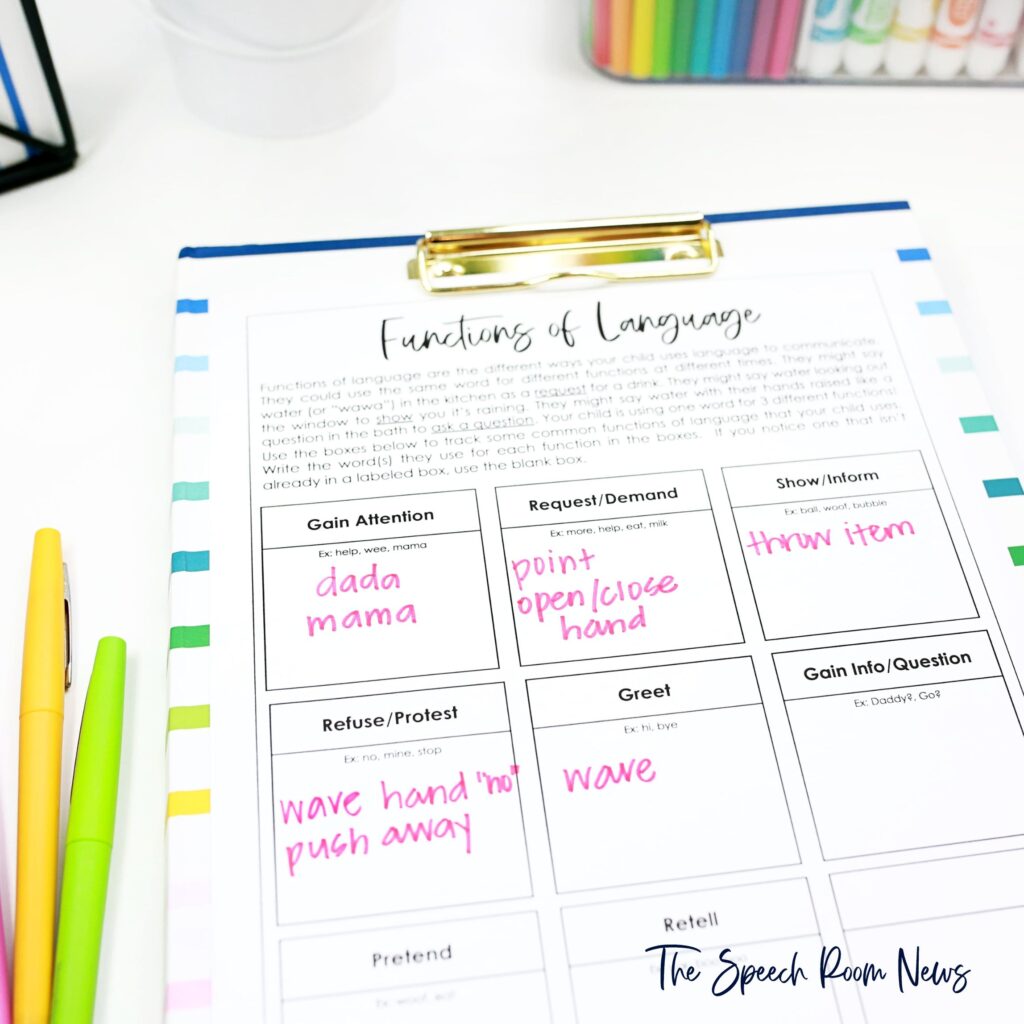
When facing the reality of a child not meeting expected communication milestones, the initial enthusiasm for documenting developmental steps can shift to a more focused, almost clinical, approach to tracking progress. This transition, born out of necessity, emphasizes the critical role parents play as observant data collectors. Their consistent presence allows for the capture of nuanced changes in speech patterns, emerging sounds, and first words—information that is vital for informing the therapy process.
The Indispensable Tool: Tracking Speech Development
Tracking a child’s early sounds and words serves multiple vital functions in early intervention. Firstly, it provides objective data that helps parents and therapists monitor growth and change over time. Human memory can be fallible, especially when trying to recall the exact emergence of dozens of new words and sounds. A systematic record eliminates guesswork, offering a clear, factual basis for discussion during therapy sessions.
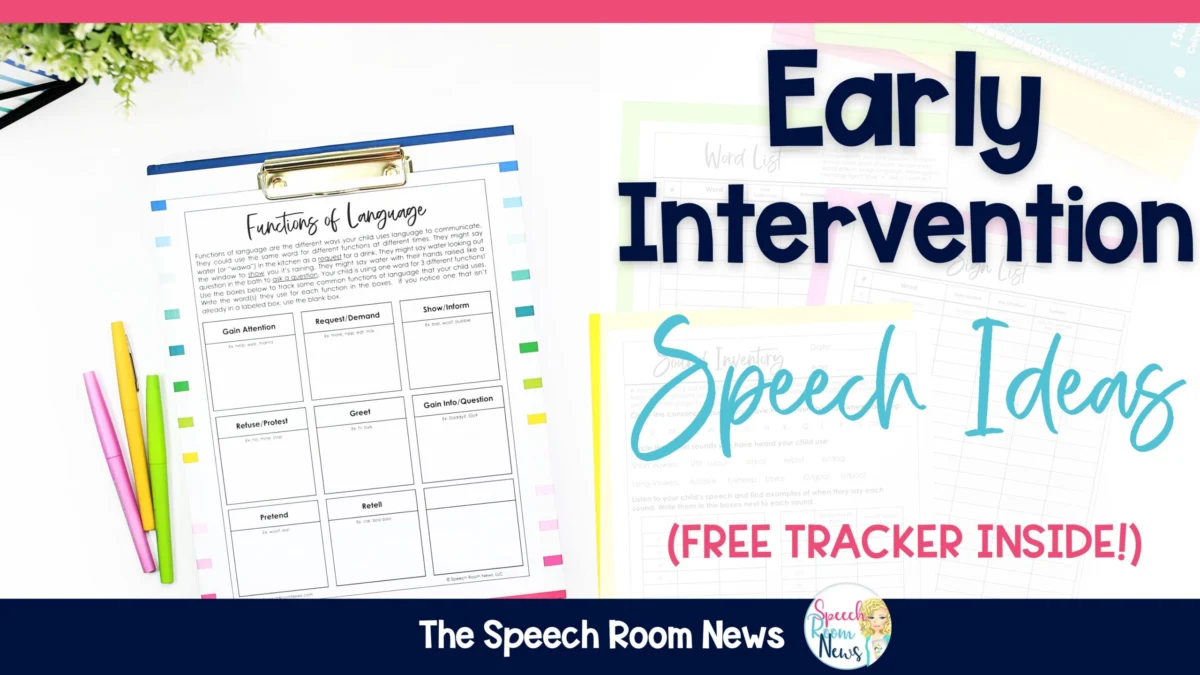
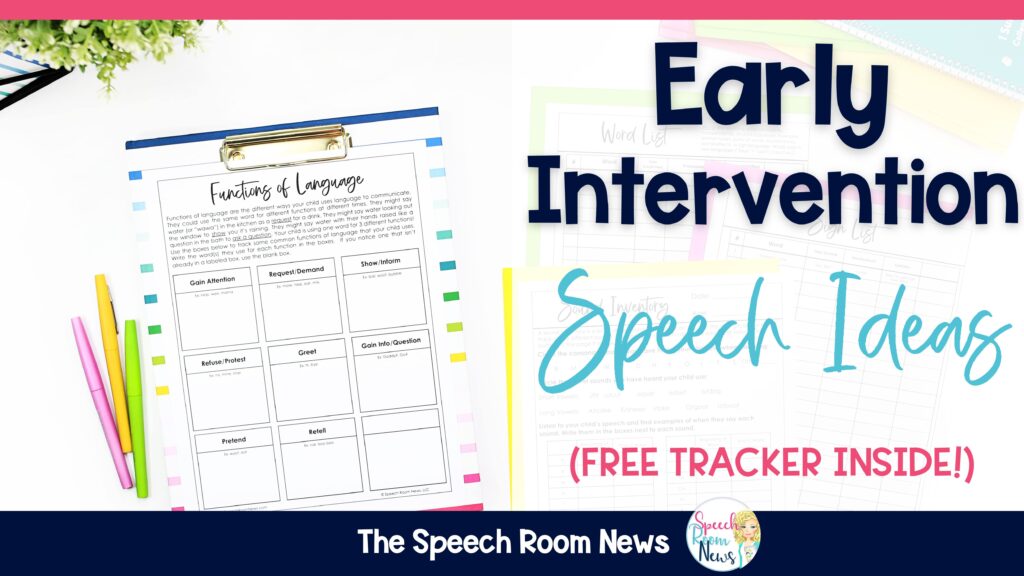
Secondly, detailed tracking allows for the identification of specific speech patterns and syllable shapes. For instance, are children predominantly using consonant-vowel (CV) words like "go" or "no," or are they progressing to vowel-consonant (VC) structures like "up," or more complex consonant-vowel-consonant-vowel (CVCV) patterns like "mama" and "dada," and ultimately consonant-vowel-consonant (CVC) words such as "cat" or "cup"? Documenting these developments helps therapists understand the child’s phonological system and tailor interventions accordingly. Resources like "first words trackers" or "developmental logs" are often provided by early intervention programs to facilitate this process, empowering parents to systematically record their child’s communication attempts. Families utilizing such tools often report being pleasantly surprised by the sheer volume of sounds and words their child is actually producing once they begin intentional tracking.

Integrating Therapy into Daily Life: Practical Strategies
Effective early intervention is not confined to formal therapy sessions; it thrives when integrated seamlessly into a child’s daily routines. Routines offer a predictable structure, creating repeated opportunities for language practice within meaningful contexts. This consistent exposure to specific vocabulary, social expectations, and actions allows children to learn and generalize new communication skills more effectively. The following activities exemplify how everyday moments can be transformed into powerful language-building opportunities for late talkers and children receiving early intervention services.
1. Snack Time: A Communication Temptation
Snack time presents an excellent opportunity to encourage word imitation and spontaneous communication. Unlike a full meal, snacks are often highly motivating and can be controlled more easily to create "communication temptations."
- Strategy: Begin by pouring a desired snack into a bowl. As you do, model language repeatedly: "Look, I’m pouring some crackers into the bowl. Yum! I love to eat crackers. You like to eat crackers too. Mmmm, crackers."
- Engagement: Offer the snack and ask, "Do you want crackers?" Look expectantly at your child and wait for a response.
- Response: Celebrate any attempt at communication, whether it’s a word approximation (e.g., "ackers"), a gesture (reaching), or eye contact. If no verbal response occurs, continue modeling without pressure. The goal is to provide numerous models, increasing the likelihood of imitation over time. This interaction builds a strong foundation for requesting and expressing preferences.
2. Brushing Teeth: Mirror Play and Positional Language
Time spent in front of a mirror during daily hygiene routines offers a fantastic opportunity to build connection and language skills through back-and-forth social routines.
- Strategy: Engage your child in a detailed explanation of the process. "It’s time to brush your teeth. We brush and clean our teeth so they stay healthy. We want healthy teeth so we can eat all kinds of foods. Let’s get your green toothbrush. Can you find the toothpaste? Squeeze just a little bit out. Now what do we do? Yes! Let’s brush the front. Now what? Yes—time to brush the back! You brushed your teeth. Now let Mommy brush them too. I am brushing the front and the back. I go up and down and make sure I get all your teeth. We did it! Time to rinse our teeth and our brush so they stay clean."
- Focus Areas: Emphasize positional words like "up," "down," "front," and "back." Encourage turn-taking with sounds and facial expressions in the mirror. Point to body parts, make silly faces, and describe actions.
- Contrast: This rich, descriptive interaction is significantly more beneficial than a simple command like "Brush your teeth," which offers limited language exposure. Children learn best when actions are explained and vocabulary is modeled in context.
General Principles for Daily Language Building:
Beyond specific activities, several overarching principles enhance language development:
- Child-Led Play: Follow your child’s lead during play, commenting on what they are interested in. This makes interactions more engaging and meaningful.
- Responsive Communication: Respond to all of your child’s communication attempts, whether verbal or non-verbal. This validates their efforts and encourages further interaction.
- Expanding Utterances: If your child says a single word, expand on it. If they say "car," you can say, "Yes, a big blue car!"
- Rich Language Environment: Surround your child with language through talking, reading, and singing. Narrate your actions, describe objects, and ask open-ended questions.
When to Seek Professional Guidance
While every child develops at their own pace, certain indicators warrant professional consultation. Parents should consider reaching out to their pediatrician or local early intervention services if their child:
- Does not babble by 12 months.
- Does not use gestures (e.g., waving, pointing) by 12 months.
- Does not say single words by 16 months.
- Does not use two-word phrases by 24 months.
- Loses any speech or language skills previously acquired.
- Has difficulty understanding simple commands or questions.
- Exhibits limited imitation of sounds or words.
- Shows a lack of interest in communicating.
A pediatrician can provide an initial assessment and refer the family to appropriate specialists. Local school districts or early intervention programs typically offer free screenings and evaluations to determine eligibility for services. Timely referral and assessment are crucial steps in ensuring that children receive the support they need during the optimal window for language development.
Conclusion

The journey of speech and language development is fundamental to a child’s overall growth, and early intervention stands as a powerful testament to the impact of timely support. By understanding developmental milestones, recognizing the signs of potential delays, and actively engaging in evidence-based strategies, parents, in collaboration with skilled speech-language pathologists, can profoundly influence their child’s communicative abilities. The dedication to fostering a language-rich environment, coupled with diligent tracking and professional guidance, empowers children to overcome early communication challenges, paving the way for enhanced academic success, robust social connections, and a confident voice in the world. The commitment to early intervention is an investment in a child’s future, yielding dividends in their ability to connect, learn, and thrive.
