

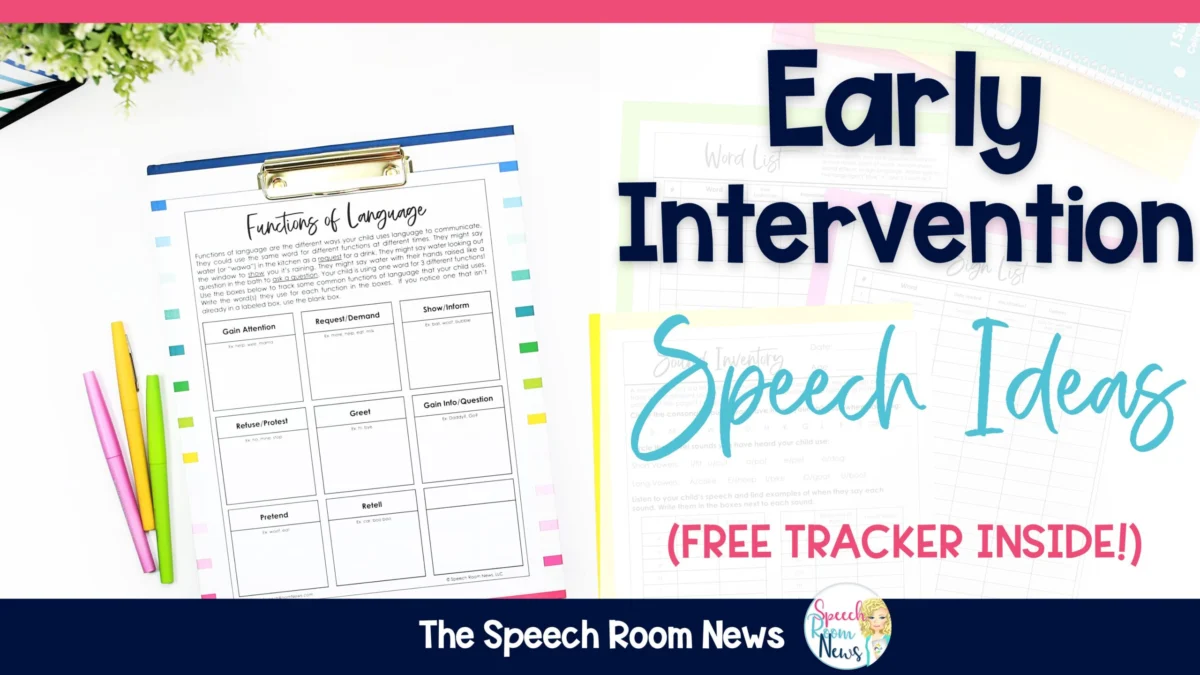
The journey of a child’s speech and language acquisition is a complex and fascinating process, with early intervention speech therapy emerging as a critically important pillar for children experiencing developmental delays. For speech-language pathologists (SLPs), parents, and caregivers alike, understanding the profound impact of timely support is paramount, as it can significantly alter a child’s communication trajectory and overall developmental outcomes. This article delves into the foundational principles of early intervention, the vital role of systematic progress tracking, and practical strategies that can be integrated into daily routines to foster speech development.
Understanding Early Intervention Speech Therapy
Early intervention (EI) refers to a system of services designed to help children from birth to three years of age who have developmental delays or disabilities. In the context of speech and language, EI speech therapy targets issues ranging from articulation and phonological disorders to expressive and receptive language delays, and even early social communication challenges. The rationale behind early intervention is rooted in the neuroscience of brain development; the early years represent a period of remarkable neural plasticity, where the brain is most receptive to learning and adapting. Addressing communication difficulties during this critical window can leverage this plasticity, facilitating more effective and lasting gains than interventions initiated later in childhood.
Statistics underscore the prevalence and impact of these challenges. According to the National Institute on Deafness and Other Communication Disorders (NIDCD), approximately 5% of U.S. children aged 3-17 years have a speech disorder, and 8% have a voice disorder. Language disorders affect a significant number of children, with some estimates suggesting that 7-10% of preschool children may experience a language delay or disorder. Without early and appropriate intervention, these initial delays can cascade into broader academic difficulties, social isolation, and emotional distress, underscoring the urgent need for proactive engagement.
The Personal and Professional Perspective: An SLP’s Journey
The professional insights of speech-language pathologists are often enriched by personal experiences. It is not uncommon for SLPs, even with their extensive training in communication development, to find themselves navigating the challenges of a child’s speech delay from a parental perspective. This dual role provides a unique lens, highlighting both the clinical understanding of developmental milestones and the emotional realities faced by families. For instance, an SLP expecting their child to follow typical babbling and first-word timelines might encounter the unexpected reality of a "late talker." This experience can transform their approach, emphasizing empathy, the importance of detailed tracking, and the power of consistent, home-based strategies.
This shift in perspective underscores a core tenet of modern early intervention: the critical partnership between professionals and parents. While SLPs conduct assessments, diagnose conditions, and design individualized intervention plans, parents are often the primary facilitators of therapy in the child’s natural environment. Monthly coaching sessions, as mentioned in the original context, are vital components, allowing therapists to guide parents in implementing strategies and to receive crucial updates on the child’s progress.
The Indispensable Practice of Tracking First Sounds and Words
Systematic data collection, particularly the tracking of a child’s early speech sounds and first words, is not merely a record-keeping exercise; it is a fundamental diagnostic and therapeutic tool. This practice provides objective evidence of a child’s communication development, offering insights that informal observations might miss.
Why Tracking is Crucial:
- Objective Progress Monitoring: Developmental milestones are general guidelines. Detailed tracking allows parents and SLPs to identify specific patterns of growth or stagnation, offering a clear picture of whether a child is progressing, even subtly. This quantitative data is invaluable for adjusting intervention strategies and setting realistic, measurable goals.
- Informing Therapeutic Decisions: By documenting the types of sounds a child is producing (e.g., stops, nasals, glides) and the syllable shapes they are attempting (e.g., consonant-vowel (CV) like "ba," vowel-consonant (VC) like "up," CVCV like "mama," or CVC like "dog"), SLPs can tailor interventions to target specific phonological processes or motor planning challenges. For example, if a child is primarily using CV structures, therapy might focus on introducing CVC words.
- Facilitating Communication with Professionals: Parents, often overwhelmed by daily responsibilities, may find it challenging to recall every new sound or word their child has uttered. A structured tracker provides organized, accurate information for early intervention therapists, making coaching sessions more productive and ensuring that intervention plans are based on the most current data.
- Boosting Parental Confidence and Engagement: Actively tracking progress can be incredibly empowering for parents. It helps them recognize incremental improvements, validating their efforts and reinforcing their role as active participants in their child’s development. This engagement is a cornerstone of effective early intervention.
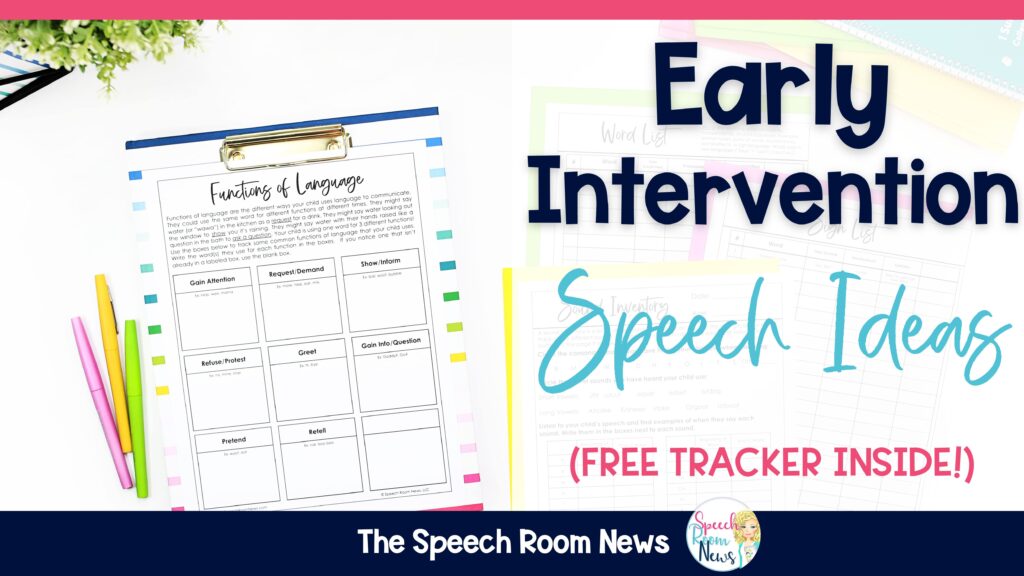
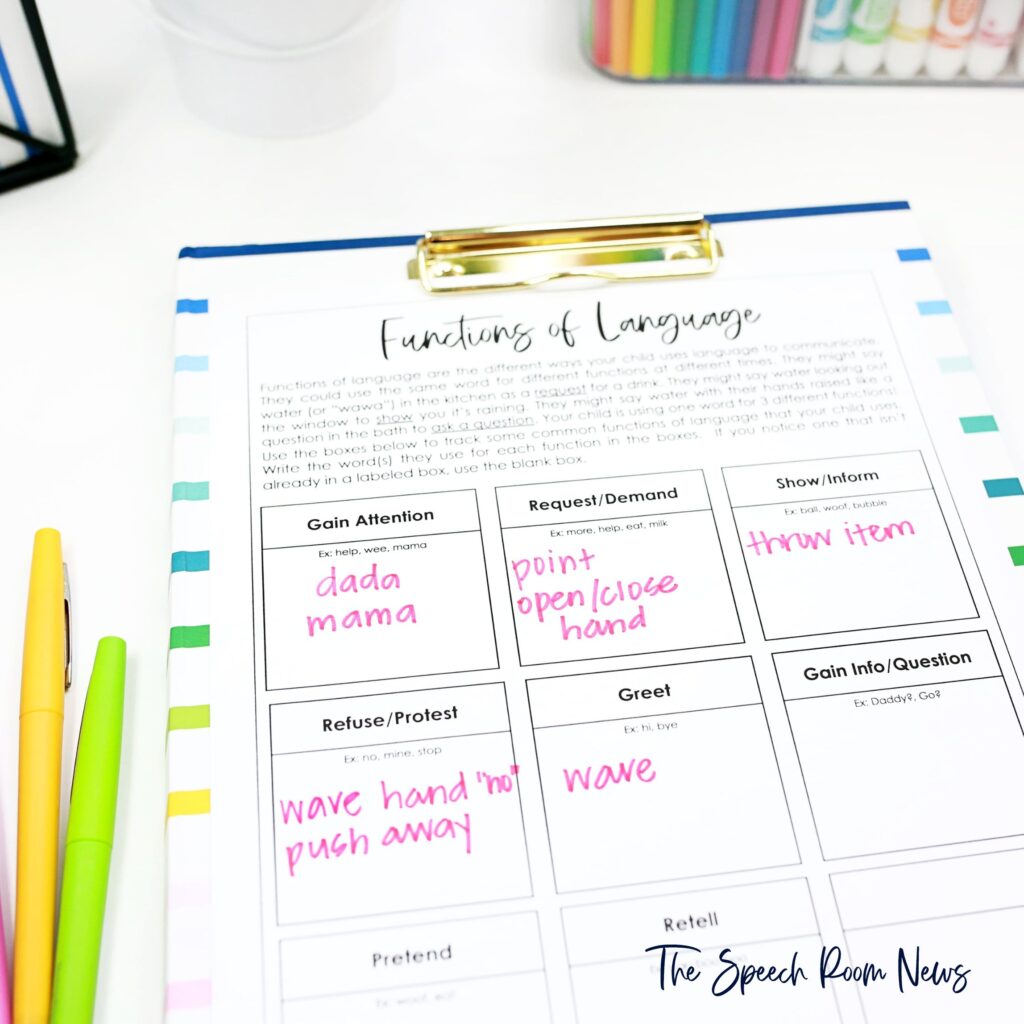
Resources like a "First Words Tracker" can simplify this process for families. Such tools typically include sections for documenting the date a new sound or word was first heard, the context in which it was used, and the type of syllable structure. This structured approach moves beyond anecdotal recall to provide actionable data.

Identifying Late Talkers: When to Seek Professional Guidance
While every child develops at their own pace, there are established developmental milestones that serve as important benchmarks. Deviations from these benchmarks can signal a need for professional evaluation. A "late talker" is generally defined as a child between 18 and 30 months who has a limited vocabulary (fewer than 50 words) and does not combine words, without other developmental delays. However, not all late talkers will catch up on their own, and some may have underlying language disorders.
Key Indicators for Concern:
- No babbling by 9-12 months: Consistent babbling (e.g., "bababa," "dadada") is a crucial precursor to speech.
- No gestures by 12 months: Pointing, waving, or showing objects are early forms of communication.
- No first words by 16 months: While variations exist, a complete absence of words by this age is a red flag.
- Fewer than 50 words by 24 months: A rapid vocabulary spurt typically occurs around this age.
- No two-word phrases by 24 months: Combining words (e.g., "more milk," "daddy go") marks a significant developmental leap.
- Difficulty understanding simple instructions by 24 months.
- Loss of previously acquired speech or language skills at any age.
When these indicators are observed, it is imperative to consult a pediatrician. The pediatrician can then refer the family to an early intervention program or directly to a speech-language pathologist for a comprehensive evaluation. Delaying evaluation and intervention based on a "wait and see" approach can be detrimental, as it prolongs the period when the child could be benefiting from targeted support. Early intervention services are typically accessed through local school districts or state-funded programs, ensuring accessibility for eligible families.
Integrating Speech Therapy into Daily Routines: Practical Activities
One of the most effective strategies in early intervention is integrating speech and language practice into a child’s natural daily routines. This approach leverages the predictability and repetition inherent in everyday activities, creating consistent opportunities for language exposure and practice. When activities are predictable, children are more likely to anticipate vocabulary, social expectations, and actions, thereby building language skills organically.
1. Eating a Snack: A Communication Temptation
Snack time offers a high-interest, low-pressure environment for encouraging communication. Instead of a full meal, which can be more complex, a simple snack can be strategically used.
- Preparation: Pour a desired snack (e.g., crackers, fruit pieces) into a clear bowl.
- Modeling: As you pour, use descriptive language: "Look! I’m pouring some crackers into the bowl. Yum! I love crackers. You like crackers too! Mmm, crackers."
- Pausing and Expectant Look: Offer a small amount, then pause, make eye contact, and wait expectantly. This creates a "communication temptation."
- Prompting and Expansion: If the child gestures or makes a sound approximation, affirm it enthusiastically: "You want more! Great job!" If no response, model again: "Say ‘more’!" or "Want cracker?"
- Vocabulary Focus: Target words like "more," "eat," "yum," "open," and the names of the snacks. This repetitive modeling provides numerous opportunities for imitation and spontaneous use.
2. Brushing Teeth: Building Routines and Vocabulary
The bathroom mirror provides a natural setting for back-and-forth social routines and language building.

- Explaining Actions: Narrate each step of the routine: "It’s time to brush your teeth! We brush and clean our teeth so they stay healthy. We want healthy teeth so we can eat all kinds of foods."
- Object Identification and Action Words: "Let’s get your green toothbrush. Can you find the toothpaste? Squeeze just a little bit out. Now what do we do? Yes! Let’s brush the front. Now what? Yes—time to brush the back!"
- Positional Words: Actively use "up" and "down," "front" and "back" as you brush. "I go up and down and make sure I get all your teeth."
- Turn-Taking: Encourage your child to "brush" your teeth or a doll’s teeth, promoting reciprocal interaction.
- Contrast: Instead of a directive like "Brush your teeth," which offers limited language input, the descriptive narrative above provides a rich language model.
3. Bath Time: Sensory Engagement and Vocabulary Expansion
Bath time is another routine rich with sensory experiences and opportunities for language.
- Descriptive Language: "The water is warm! Splash, splash! Look at the bubbles! Big bubbles, little bubbles."
- Action Words: "Wash your arms. Wash your legs. Pour the water. Squeeze the sponge."
- Object Naming: "Where’s the soap? Here’s your ducky! Let’s find the towel."
- Cause and Effect: "If we put the toy in the water, it floats! If we pull the plug, the water goes down."
Broader Impact and Support Systems
The long-term implications of effective early intervention are profound. Children who receive timely and appropriate support for speech and language delays often experience better academic outcomes, improved social-emotional development, and reduced need for more intensive special education services later in life. Early communication skills are foundational for literacy, problem-solving, and building peer relationships.
Beyond direct therapy, a robust support system is essential. This includes accessible resources for parents, such as comprehensive handouts detailing developmental norms, strategies for late talkers, and guidance on using gestures. Community support groups can provide invaluable emotional and practical assistance, connecting families with shared experiences. Furthermore, consistent public funding and policy support for early intervention programs are crucial to ensure that all children, regardless of socioeconomic status, have access to these life-changing services. The collaborative efforts of medical professionals, educators, therapists, and families create an ecosystem where every child has the opportunity to unlock their full communication potential.
