

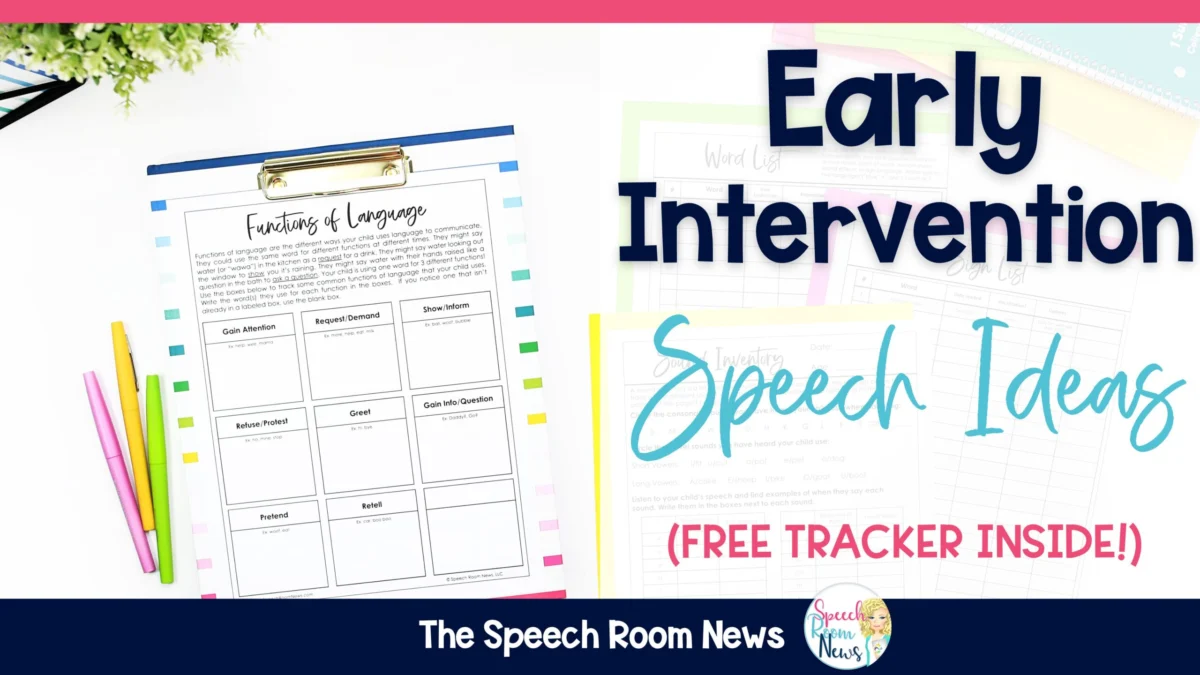
The journey of a child’s speech and language acquisition is a complex and fascinating process, yet for many, it can present significant challenges. Early intervention speech therapy stands as a cornerstone in addressing these developmental hurdles, offering a critical window of opportunity to positively shape a child’s communicative future. Its profound impact extends beyond mere word acquisition, influencing cognitive development, social integration, and academic success. For speech-language pathologists (SLPs) and parents navigating the intricate landscape of early childhood development, understanding and actively engaging with the principles of early intervention is not merely beneficial but essential. This comprehensive approach encompasses not only therapeutic activities but also the systematic tracking of progress, informed decision-making, and collaborative efforts between families and professionals.
The Foundational Importance of Early Language Acquisition
The period from birth to age five is recognized by developmental psychologists and neuroscientists as a critical window for language development. During this time, the brain exhibits remarkable plasticity, making it highly receptive to acquiring new linguistic skills. Delays in speech and language development, if left unaddressed, can cascade into a myriad of secondary challenges, including difficulties with literacy, social interaction, emotional regulation, and academic performance. Research consistently indicates that approximately 5-10% of children experience some form of speech or language delay, making early identification and intervention a public health imperative. Studies published in journals like Pediatrics and the Journal of Speech, Language, and Hearing Research have repeatedly demonstrated that children who receive early intervention for speech and language disorders achieve significantly better long-term outcomes compared to those whose difficulties are addressed later in life. This is largely attributed to the brain’s ability to form and strengthen neural pathways more efficiently during these formative years.
Identifying "Late Talkers": Milestones and Warning Signs
While every child’s developmental trajectory is unique, established milestones serve as crucial benchmarks for monitoring progress. Parents and caregivers are often the first to notice when a child’s speech development deviates from these expected patterns. Typically, by 12 months, infants should be babbling with a variety of sounds and gestures, such as pointing. By 18 months, a child is expected to have at least 6-20 single words and respond to their name. By 24 months, children typically use 50 or more words and combine two words into short phrases (e.g., "more juice," "bye-bye mommy"). "Late talkers" are generally defined as children aged 18-30 months who have a limited vocabulary for their age without other developmental delays.
Key indicators that may warrant professional evaluation include:
- Lack of babbling by 12 months.
- No first words by 16 months.
- No two-word spontaneous phrases by 24 months (excluding imitation).
- Difficulty understanding simple commands.
- Limited use of gestures.
- Regression in speech or language skills.
- Lack of eye contact or shared attention.
When such signs emerge, healthcare professionals and speech-language pathologists emphasize the importance of a prompt consultation with a pediatrician or a direct referral to an early intervention program. Delaying assessment can postpone critical support, potentially exacerbating the challenges faced by the child.
The Indispensable Role of Data Tracking in Intervention
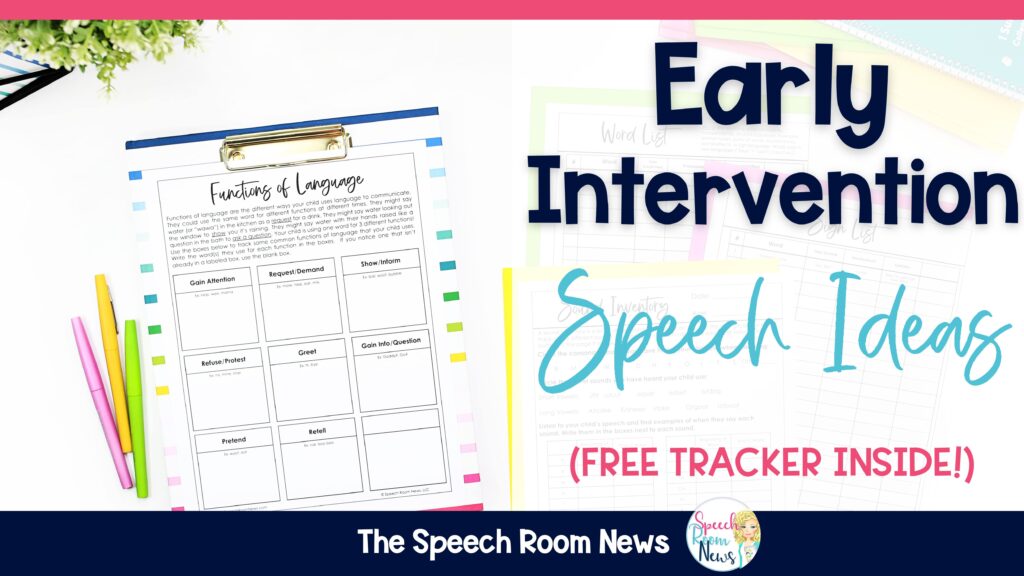
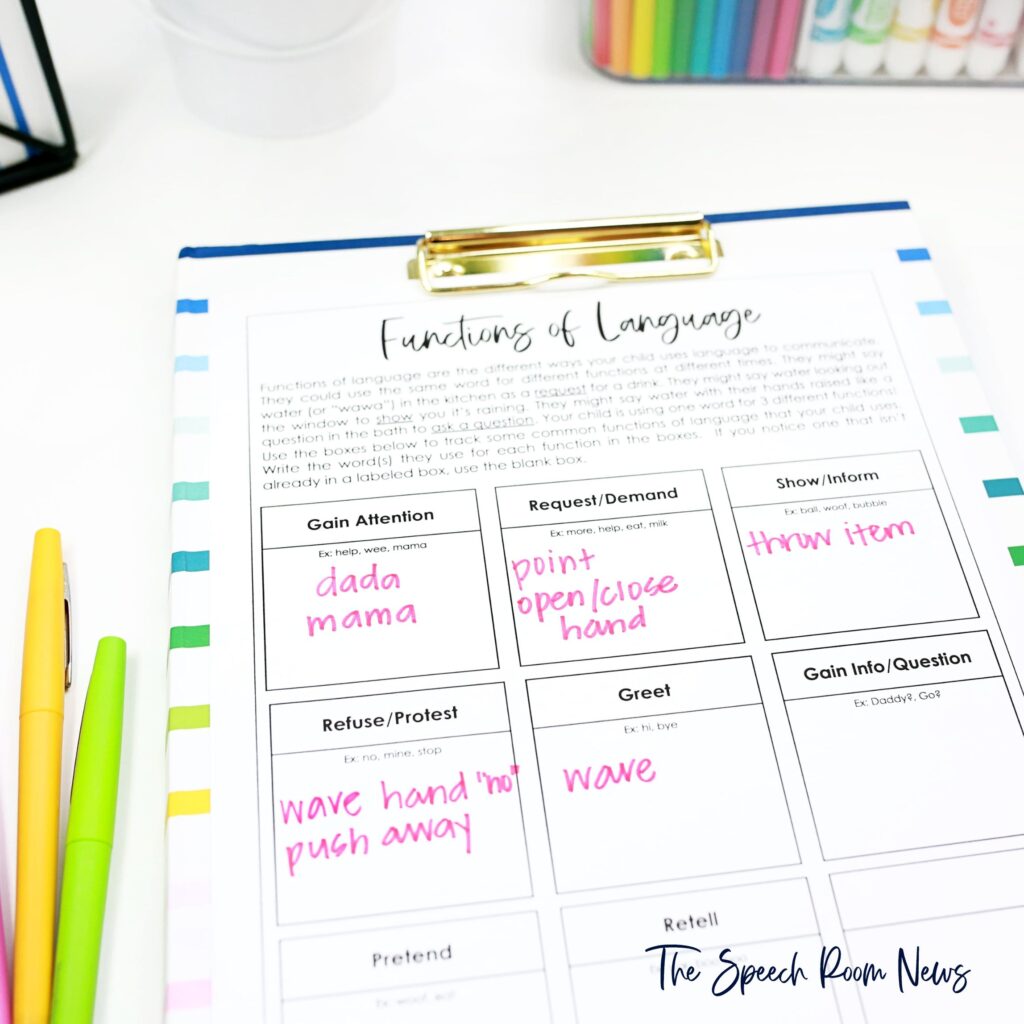
One of the most powerful tools in early intervention is systematic data collection and tracking of a child’s speech and language progress. This practice, often spearheaded by parents in collaboration with their SLP, transforms anecdotal observations into concrete evidence of growth. A speech-language pathologist, having witnessed the diverse paths of language development, understands the nuances of tracking not just the quantity of words but also the quality and complexity of emerging communication.
The benefits of diligent tracking are multifaceted:
- Objective Progress Monitoring: It provides an objective record of a child’s expressive language skills, moving beyond subjective memory. This data is invaluable for therapists to assess the effectiveness of current strategies and adjust intervention plans as needed.
- Identification of Patterns: Tracking early sounds, syllable shapes (e.g., consonant-vowel (CV) like "ma," vowel-consonant (VC) like "up," CVCV like "mama," or CVC like "dog"), and the emergence of new words helps identify specific speech patterns and areas requiring targeted intervention. For instance, noticing a child primarily using CV structures might prompt a focus on introducing CVC words.
- Empowering Parents: For parents, meticulously documenting their child’s vocalizations and word attempts can be incredibly empowering. It provides a tangible representation of their child’s development, fostering a sense of agency and informed participation in the therapeutic process. It can also reveal progress that might otherwise go unnoticed amidst daily routines.
- Facilitating Communication with Professionals: Detailed records streamline communication during therapy sessions. Instead of vague recollections, parents can present clear, organized data to the SLP, allowing for more efficient and focused discussions about the child’s progress and challenges.
Expert-developed tools, such as First Words Tracking Sheets, are often provided to parents to simplify this process. These resources typically include sections for recording the date a new sound or word was observed, the context in which it was used, and the type of sound or syllable structure. Feedback from families utilizing such trackers consistently highlights how they are often surprised by the breadth of sounds and words their child is producing once they begin intentional tracking.

Integrating Speech Therapy into Daily Routines
Effective early intervention is not confined to formal therapy sessions; it thrives within the natural contexts of a child’s everyday life. Speech-language pathologists advocate for a "family-centered" approach, where parents are equipped with practical strategies to weave language-rich interactions into daily routines. This capitalizes on the predictability and repetition inherent in routines, creating numerous opportunities for language learning.
Consider these practical applications:
1. Eating a Snack: Snack time, being a highly motivating and less pressured interaction than a full meal, offers an excellent opportunity for communication temptations.
- Modeling: Instead of simply handing over a snack, an adult can model language: "Look, I’m pouring some crackers into the bowl. Yum! I love crackers. You like crackers too. Mmmm, crackers."
- Creating a Communication Temptation: Hold the snack slightly out of reach or offer only a small portion, then ask, "Do you want more?" or "What do you want?"
- Pausing and Waiting: Crucially, wait expectantly for a response – a word, a sound approximation, or a gesture. Celebrate any attempt at communication. The goal is to provide ample models and create a desire to communicate.
2. Brushing Teeth: The mirror provides a fantastic setting for fostering social routines and building language.
- Explain and Describe: Rather than a simple command, narrate the process: "It’s time to brush your teeth. We brush and clean our teeth so they stay healthy. We want healthy teeth so we can eat all kinds of foods! Let’s get your green toothbrush. Can you find the toothpaste? Squeeze just a little bit out. Now what do we do? Yes! Let’s brush the front. Now what? Yes—time to brush the back! You brushed your teeth. Now let mommy brush them too. I am brushing the front and the back. I go up and down and make sure I get all your teeth. We did it! Time to rinse our teeth and our brush so they stay clean."
- Use Positional Words: Incorporate descriptive language like "up," "down," "front," and "back" as you brush, enriching vocabulary.
- Imitation and Interaction: Encourage imitation of sounds (e.g., "ahhh" for opening mouth) or actions (making a funny face in the mirror).
These examples underscore the principle that children learn best when language is embedded in meaningful, predictable contexts and accompanied by clear explanations of what is happening and why.
Accessing Early Intervention Services
For parents concerned about their child’s speech and language development, taking proactive steps is paramount. The process typically begins with a conversation with a pediatrician, who can provide initial guidance and referrals. Alternatively, families can often directly contact their local school district or early intervention agencies, which are mandated to provide evaluations and services for eligible children from birth to age three (and sometimes beyond, depending on local regulations).

Early intervention programs are generally comprehensive, offering a range of services tailored to the child’s individual needs. These may include direct speech therapy, occupational therapy, physical therapy, special instruction, and family support. The emphasis is on a holistic, individualized family service plan (IFSP) that involves parents as active participants in setting goals and implementing strategies. Early intervention is not merely a service; it is a system designed to support families in maximizing their child’s developmental potential during a critical period.
Broader Implications and the Path Forward
The commitment to early intervention for speech and language delays carries profound societal implications. By addressing communication challenges early, communities invest in the long-term well-being and productivity of their youngest members. Children who gain strong communication skills are better equipped for academic success, healthier social relationships, and greater emotional resilience. Conversely, unaddressed speech and language delays can contribute to higher rates of learning disabilities, behavioral issues, and difficulties integrating into educational and professional environments.
Continued advocacy, public awareness campaigns, and accessible resources are vital to ensuring that all children who need early intervention receive it. This includes educating parents about developmental milestones, providing training for childcare providers, and supporting the ongoing professional development of speech-language pathologists. The collective efforts of families, educators, healthcare providers, and policymakers are essential to create an environment where every child has the opportunity to find their voice and thrive. The evidence is clear: investing in early intervention is an investment in a brighter future for individuals and society as a whole.
