

The journey of a child’s speech and language development is a foundational aspect of their overall growth, profoundly impacting their cognitive, social, and academic trajectories. For both dedicated speech-language pathologists (SLPs) and parents navigating the complexities of early childhood, understanding and actively engaging in early intervention speech therapy is not merely beneficial but critically important. This proactive approach ensures that potential communication delays are addressed swiftly, leveraging the most opportune period for brain development.
The Imperative of Early Intervention: A Foundation for Development
Early intervention in speech and language development refers to therapeutic support provided to children from birth to age three who are identified as having or being at risk for developmental delays. This period is often described as a "critical window" for learning, primarily due to the remarkable plasticity of the developing brain. During these formative years, the brain is exceptionally adept at forming new neural connections, making it highly responsive to environmental stimuli and intervention. Research consistently demonstrates that addressing speech and language delays early can significantly improve outcomes, reducing the severity of future communication challenges and minimizing their impact on literacy, academic achievement, and social-emotional well-being.
According to the Centers for Disease Control and Prevention (CDC), approximately 1 in 6 children aged 3–17 years in the United States has a developmental disability, and speech and language disorders are among the most common. Without timely intervention, these delays can escalate, leading to increased frustration for the child, difficulties forming peer relationships, and challenges in school. Studies published in journals like the Journal of Speech, Language, and Hearing Research highlight that children who receive early intervention are more likely to achieve communication skills closer to their age-matched peers, often requiring less intensive support in later years. This not only benefits the individual child but also represents a more cost-effective approach for healthcare and educational systems in the long run.
Navigating Developmental Milestones and Identifying Concerns
Understanding typical speech and language developmental milestones is crucial for parents and caregivers in identifying when professional evaluation may be necessary. While every child develops at their own pace, there are general benchmarks that serve as important guides:
- Birth to 6 months: Cooing, babbling (e.g., "ba-ba-ba," "ma-ma-ma"), responding to sounds and voices.
- 6 to 12 months: More varied babbling, imitating speech sounds, responding to their name, understanding simple commands (e.g., "no"), and potentially saying their first words (e.g., "mama," "dada").
- 12 to 18 months: Using 1-3 words consistently, imitating words, pointing to objects when named, understanding simple questions.
- 18 to 24 months: Using 20-50 words, combining two words (e.g., "more juice," "bye-bye mommy"), following two-step commands, identifying body parts.
- 24 to 36 months: Using 200-300 words, speaking in 2-3 word phrases, asking simple "what" and "where" questions, being understood by familiar listeners most of the time.
A "late talker" is generally defined as a child between 18 and 30 months who has a good understanding of language, typically developing play skills, good social skills, and uses gestures but has a limited expressive vocabulary (fewer than 50 words and/or no two-word combinations by 24 months). While some late talkers may "catch up" on their own, a significant percentage (estimated at 50-70%) may continue to experience language difficulties. Therefore, consistent monitoring and early evaluation are paramount. Red flags that warrant immediate consultation with a pediatrician or SLP include: no babbling by 9 months, no first words by 15 months, no two-word phrases by 24 months, or a sudden loss of previously acquired speech or language skills at any age.
The Dual Role: Parents as Partners in Progress
Parents are, without question, the primary communicators and educators in a child’s life. Their active involvement is a cornerstone of effective early intervention. The experience of an SLP who became a parent to a late talker vividly illustrates this point. Despite professional expertise, the emotional and practical challenges of a child not meeting communication milestones can be overwhelming. This personal journey underscored the profound need for accessible, practical tools and strategies for parents.
The SLP, now on the "other side of the table," recognized the importance of meticulous tracking of a child’s emerging sounds and words. This wasn’t merely for sentimental value but became an indispensable tool for understanding a child’s growth and change over time. By systematically documenting babbling patterns, first word approximations, and later, the development of syllable shapes (e.g., consonant-vowel (CV) words like "go," vowel-consonant (VC) words like "up," or consonant-vowel-consonant-vowel (CVCV) words like "mama"), parents can provide invaluable objective data to their child’s therapist. This data removes guesswork, allowing SLPs to tailor interventions more precisely and monitor progress effectively during coaching sessions.
Empowering parents with knowledge and resources, such as specialized handouts for late talkers, helps demystify the process. These resources often clarify what constitutes a "word" (any consistent vocalization used to refer to a specific object or action), outline babbling stages, and offer strategies for child-led play, which naturally fosters communication.
Strategic Data Collection: The "First Words Tracker" and Beyond
The systematic tracking of a child’s early speech sounds and words serves multiple critical functions in early intervention. For parents, it transforms what can feel like an abstract concern into a concrete, observable journey of progress. For SLPs, it provides an objective, longitudinal record that informs diagnosis, goal setting, and treatment efficacy.
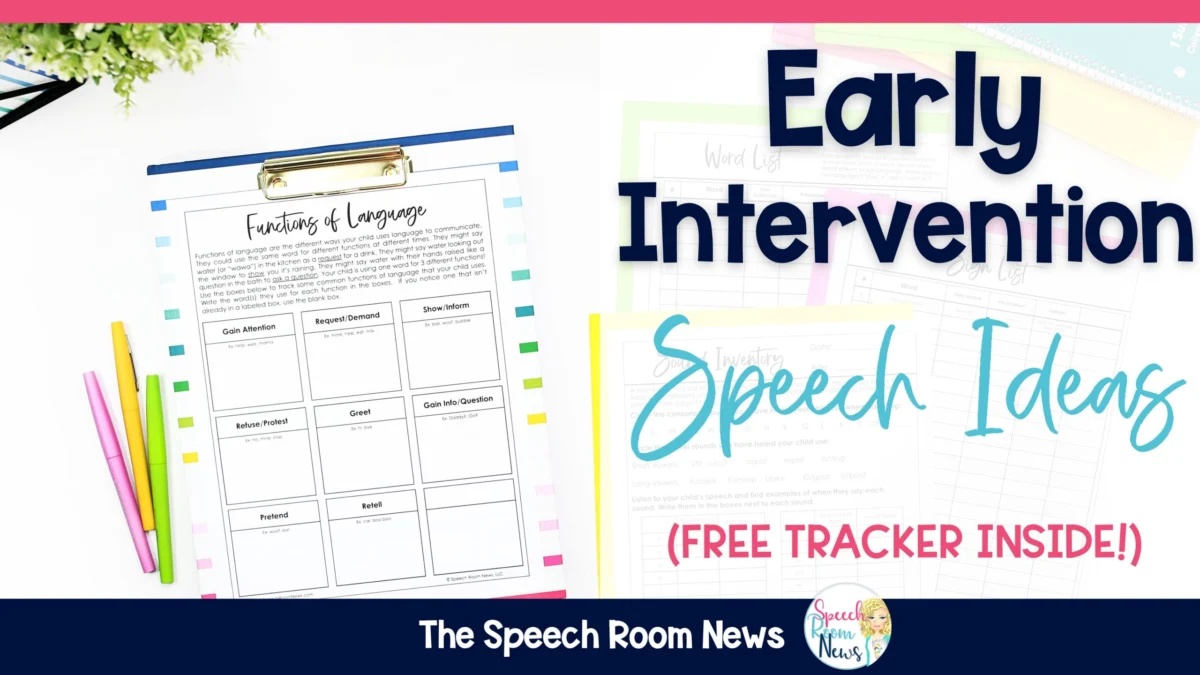
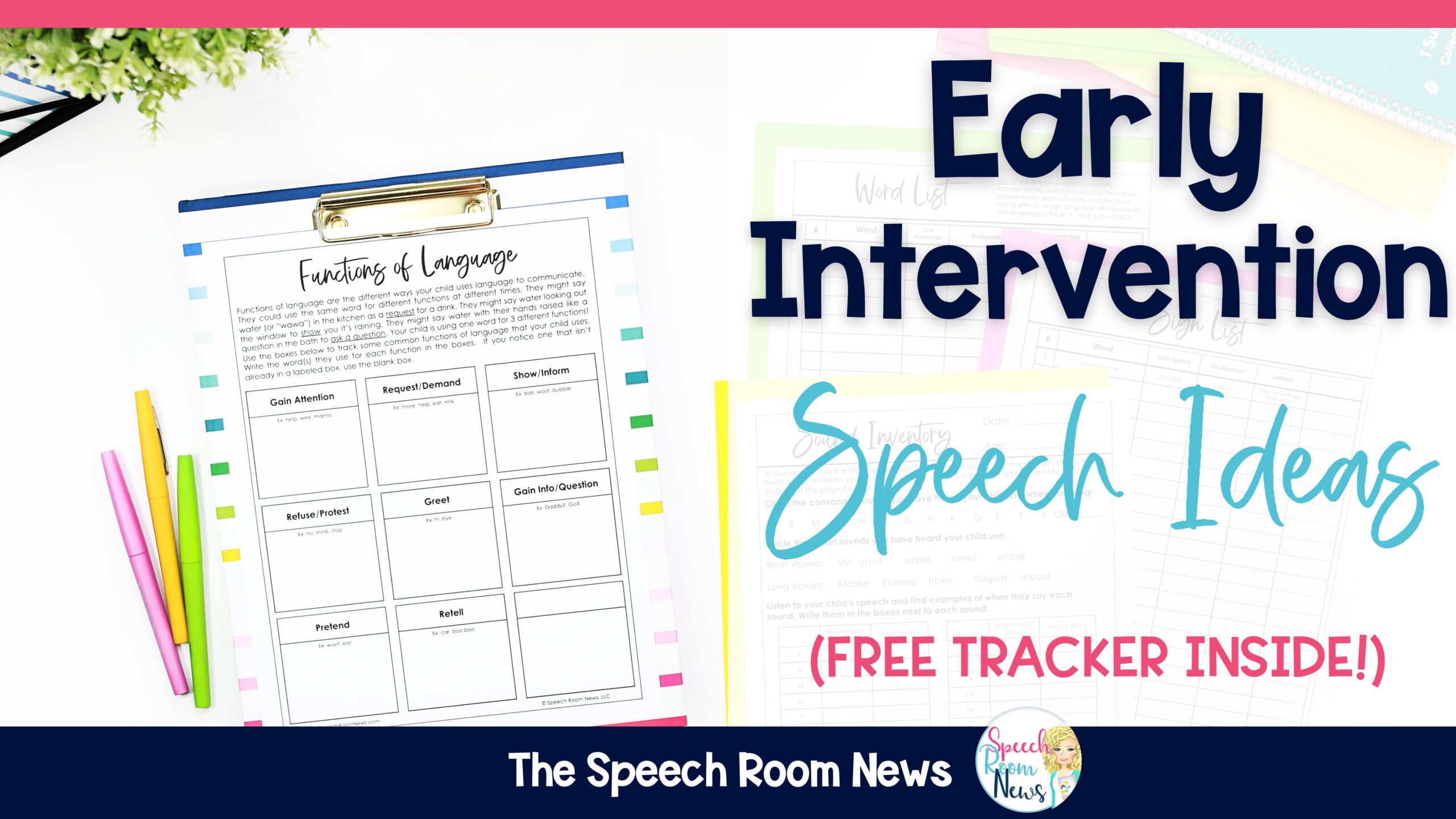
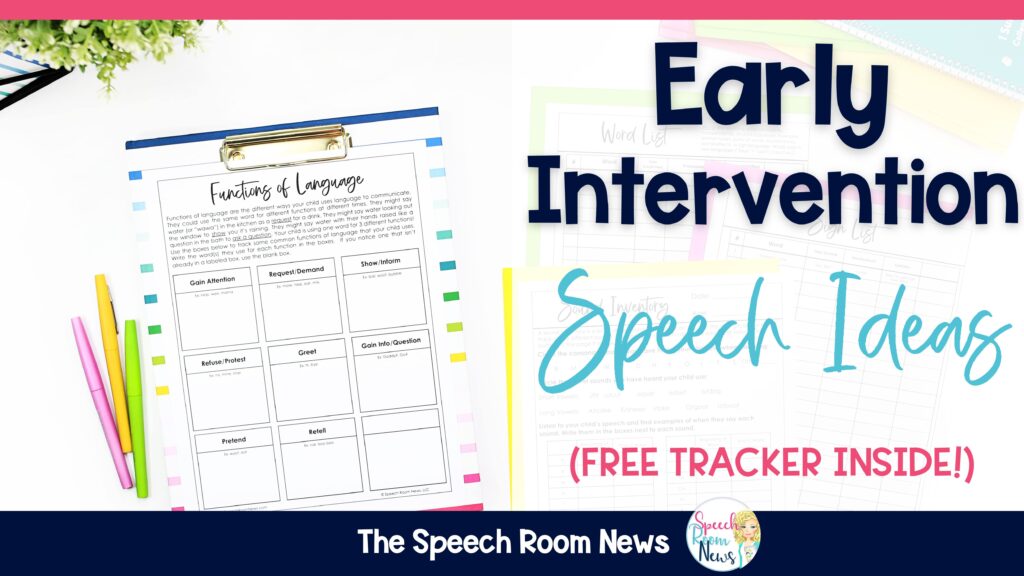
A "First Words Tracker" is an exemplary tool designed for this purpose. It typically includes several key components to capture a comprehensive snapshot of a child’s emerging communication skills:
- Early Sounds Tracking: Documenting the initial consonant and vowel sounds a child produces (e.g., /p/, /b/, /m/, /a/, /o/). This helps identify the phonetic inventory available to the child.
- Syllable Shapes Tracking: Recording the structural complexity of a child’s vocalizations, moving from simple CV (e.g., "ba") to CVCV (e.g., "dada") and eventually CVC (e.g., "dog") patterns. This reveals progress in phonological development.
- First Words Log: A detailed list of the words a child uses, noting the date they were first observed, the context of use, and any approximations. This is crucial for tracking vocabulary growth.
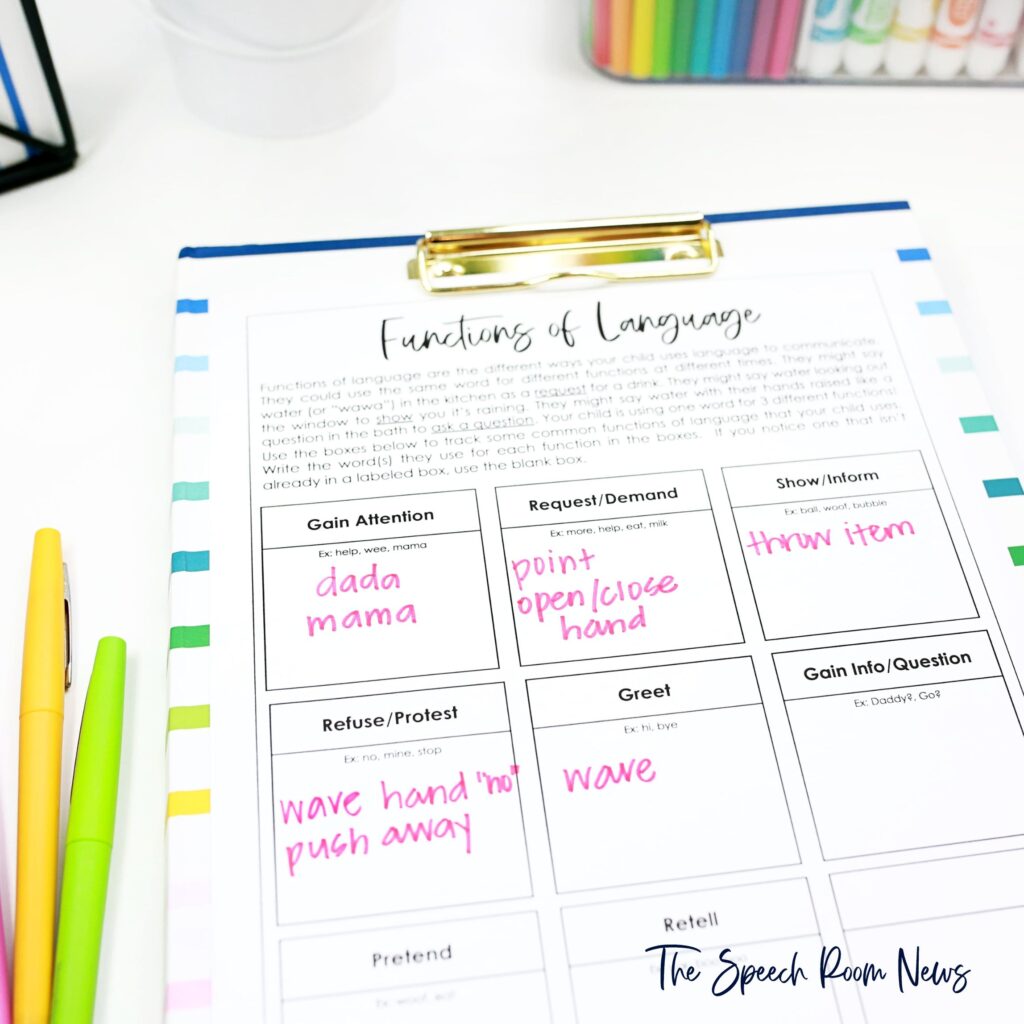
- Functions of Language Checklist: Observing how a child uses language (e.g., to request, protest, comment, greet, ask questions). This provides insight into pragmatic language development.
- Word Type Categories: Categorizing words into groups like nouns, verbs, adjectives, and social words. This helps analyze the breadth and depth of a child’s lexicon.
Parents who utilize such trackers often report a surprising realization about the sheer volume of sounds and words their child is actually producing, which might otherwise go unnoticed in the busy flow of daily life. This data not only aids therapists but also boosts parental confidence and engagement in the therapy process. A free, accessible First Words Tracker can be an invaluable initial resource for any family embarking on this journey.
Evidence-Based Strategies: Integrating Therapy into Daily Life
Effective early intervention speech therapy is not confined to clinical settings but thrives when integrated seamlessly into a child’s daily routines. This approach leverages the predictability and repetition inherent in everyday activities, creating natural, meaningful contexts for language learning. When activities are consistent, children are exposed to specific vocabulary, social expectations, and actions repeatedly, maximizing opportunities for language acquisition.

Here are enriched examples of how daily routines can become powerful language-building opportunities:
-
Eating a Snack (Communication Temptation):
- Goal: Encourage imitation, requesting, and labeling.
- Strategy: Instead of offering a full meal, use a small, desirable snack in a bowl. Begin by modeling language related to the snack. For instance, "Look! I’m pouring some crunchy crackers into the bowl. Yum! I love to eat crackers. You like to eat crackers too. Mmmm, crackers!" Use exaggerated facial expressions and vocal intonation.
- Engagement: Hold the bowl just out of reach, making eye contact. Wait expectantly. If the child points or makes a sound approximation, immediately acknowledge and expand: "Oh, you want more? Say ‘more’!" If they attempt a sound, provide the word and give the snack. If no attempt, model again. The key is to create a "communication temptation" where the child needs to communicate to get what they want, even if it’s a gesture or sound initially. Focus on high-frequency words related to the snack (e.g., "eat," "more," "open," "yum," "cracker," "juice").
-
Brushing Teeth (Mirror Play and Explanations):
- Goal: Build joint attention, turn-taking, and vocabulary for actions and body parts.
- Strategy: The bathroom mirror provides a natural stage for interaction. Engage in back-and-forth routines:
- Mirror Talk: Make silly faces, point to parts of the face, name them ("nose," "eyes," "mouth"). Encourage imitation.
- Action Verbs: "Open mouth," "brush teeth," "rinse," "spit."
- Positional Words: "Brush up and down," "brush the front teeth," "brush the back teeth."
- Sensory Words: "Foamy," "minty," "clean."
- DO THIS (Detailed Explanation): "It’s time to brush your teeth! We brush and clean our teeth so they stay healthy and strong. Healthy teeth help us eat all kinds of yummy foods. Let’s find your green toothbrush! Can you find the toothpaste? Squeeze just a little bit out. Now what do we do? Yes! Let’s brush the front teeth! Swish, swish, swish! Now what? Yes, time to brush the back teeth! Up and down! You brushed your teeth so well! Now let mommy brush them too. I am brushing the front and the back. I go up and down and make sure I get all your teeth. We did it! Time to rinse our mouth and our brush so they stay clean. Good job, clean teeth!" This extensive verbalization provides a rich language model.
- NOT THIS (Limited Input): "Brush your teeth." This gives minimal language input and misses a rich teaching opportunity.
Other daily routines like bath time (labeling body parts, actions like "splash," "wash," "dry"), getting dressed (colors, clothing items, actions like "put on," "take off"), and playtime (action verbs, animal sounds, descriptive words) can be similarly transformed into language-rich interactions. The core principles involve modeling language, expanding on the child’s utterances, using expectant pauses to encourage communication, and providing specific praise.
The Professional Landscape: The Role of Speech-Language Pathologists
Speech-language pathologists are highly trained professionals who play a pivotal role in early intervention. Their expertise encompasses the assessment, diagnosis, and treatment of communication disorders across the lifespan. In the context of early intervention, SLPs:
- Conduct Comprehensive Assessments: They evaluate a child’s receptive language (understanding), expressive language (speaking), articulation (producing sounds), phonology (sound patterns), voice, and fluency. This involves standardized tests, informal observations, and gathering information from parents.
- Diagnose Communication Disorders: Based on assessment findings, SLPs identify specific delays or disorders, such as expressive language delay, phonological disorder, or apraxia of speech.
- Develop Individualized Treatment Plans: Goals are tailored to the child’s unique needs, often focusing on increasing vocabulary, improving sound production, developing sentence structure, or enhancing social communication skills.
- Provide Direct Therapy and Parent Coaching: While direct therapy with the child is crucial, parent coaching is a cornerstone of early intervention. SLPs teach parents strategies to integrate language learning into daily routines, empowering them to become their child’s primary communication facilitators. This collaborative model has been shown to be highly effective.
- Monitor Progress and Adjust Intervention: Regular data collection and progress monitoring allow SLPs to track a child’s development, modify goals, and adapt therapy approaches as needed.
Leading professional organizations like the American Speech-Language-Hearing Association (ASHA) strongly advocate for early identification and intervention, emphasizing the SLP’s role in guiding families through this critical developmental period.
Accessing Support: When and How to Seek Professional Help
If a parent suspects their child may have a speech or language delay, the most crucial step is to seek professional guidance promptly. Procrastination can lead to missed opportunities during the brain’s most plastic period.
- Consult Your Pediatrician: The child’s doctor is often the first point of contact. They can screen for developmental delays, rule out underlying medical conditions (such as hearing loss), and provide referrals to specialists.
- Contact Your Local Early Intervention Program: In the United States, federally mandated Early Intervention (EI) programs, typically administered through state or local agencies (often the local school district), provide services for eligible children from birth to age three. Parents can directly contact their local EI program to request an evaluation. These evaluations are usually free or low-cost and determine if a child qualifies for services based on state-specific criteria.
- Private Speech-Language Pathology Services: Parents can also seek services from private SLP practices, often covered by health insurance.
The evaluation process typically involves an SLP assessing the child’s communication skills through play-based interactions and parent report. If a delay is identified, an Individualized Family Service Plan (IFSP) is developed, outlining specific goals and the types of services the child will receive. These services may be provided in the home, a daycare setting, or a clinic, depending on the child’s needs and family preferences.
Comprehensive Resources for Empowering Families
To support both parents and speech-language pathologists in this vital work, a range of comprehensive resources has been developed. These handouts and handbooks are designed to translate complex therapeutic principles into actionable, everyday strategies:

- Early Intervention Set 1: Norms and Language Strategies: Provides foundational information on developmental norms and general language stimulation techniques.
- Early Intervention Set 2: Daily Routines Handbook: Offers detailed guidance on integrating language therapy into common daily activities, as exemplified by the snack and teeth-brushing scenarios.
- Early Intervention Set 3: Encouraging First Words Handouts: Focuses specifically on strategies to elicit a child’s initial vocabulary.
- Early Intervention Set 4: Late Talkers Handouts: Provides in-depth information on the characteristics of late talkers, what constitutes a "word," and specific intervention strategies.
- Early Intervention Set 5: Gestures Handouts: Addresses the critical role of gestures as precursors to spoken language and how to encourage their development.
- Early Intervention ENTIRE BUNDLE (Sets 1-5): A comprehensive collection offering a holistic approach to supporting early speech and language development.
These resources are invaluable for SLPs to share with families, empowering parents with the knowledge and practical tools to reinforce therapeutic goals in the home environment, ultimately accelerating their child’s progress.
Implications and Future Directions
The profound impact of early intervention speech therapy extends far beyond individual children and their families, contributing significantly to public health and educational outcomes. By fostering effective communication skills from a young age, society invests in individuals who are better equipped for academic success, meaningful social interactions, and ultimately, greater independence and quality of life. The continued emphasis on awareness, accessibility, and funding for early intervention programs remains a critical imperative. Encouraging ongoing research into effective therapeutic techniques and innovative resource development will further strengthen the foundation upon which future generations build their communication capabilities.
