

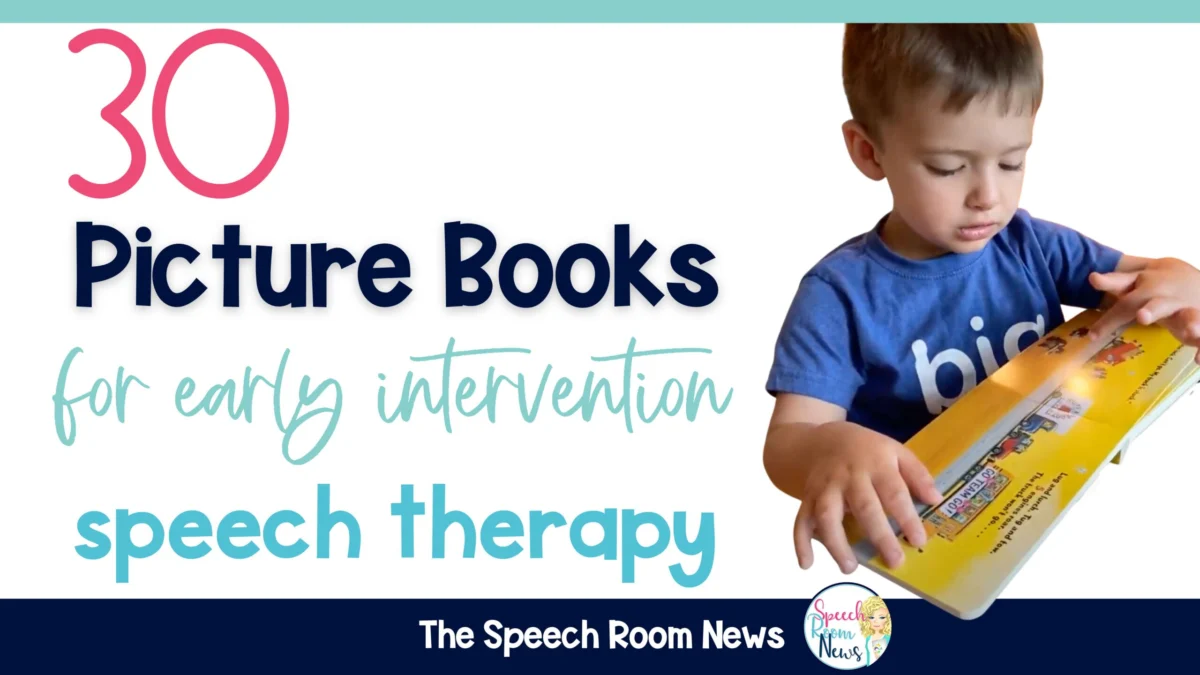
In the critical early stages of child development, spanning from birth to approximately three years of age, the trajectory of language acquisition is profoundly influenced by environmental stimuli and targeted interventions. Within this vital window, early intervention (EI) speech therapy emerges as a cornerstone for children exhibiting speech and language delays or disorders. At the heart of this therapeutic approach, picture books serve not merely as recreational items but as meticulously selected, invaluable resources that systematically support language development, enhance communication skills, and create an engaging, multi-sensory learning experience. The strategic integration of these literary tools is a recognized best practice, with each book chosen to align with specific speech and language goals, thereby maximizing therapeutic outcomes.
Understanding Early Intervention Speech Therapy

Early intervention in speech therapy represents a proactive and preventative approach designed to address communication challenges as soon as they are identified in young children. This period, characterized by rapid neurological development and heightened neuroplasticity, offers an unparalleled opportunity to shape and strengthen a child’s foundational communication abilities. The primary objective of EI is to support and enhance a child’s speech, language, and communication skills, thereby mitigating the potential for more significant developmental delays later in life.
Typically serving children from birth to three years, EI speech therapy targets a broad spectrum of difficulties, from articulation and phonological disorders to expressive and receptive language delays, social communication deficits, and fluency issues. Speech-Language Pathologists (SLPs) working within EI are highly skilled professionals who conduct comprehensive assessments to identify specific areas of need. They then develop individualized treatment plans tailored to each child’s unique developmental profile. A defining characteristic of EI is its family-centered approach, where parents and caregivers are considered active and essential participants in the therapeutic process. SLPs collaborate closely with families, empowering them with strategies and techniques that can be seamlessly integrated into daily routines, thus extending the therapeutic impact beyond clinical sessions. This collaborative model ensures that the child receives consistent, rich language input in their natural environment, which is crucial for maximizing progress during these formative years.
The Foundational Efficacy of Books in Speech Therapy
Books are universally acknowledged as powerful tools in child development, and their role is amplified within speech and language therapy. They offer a structured, predictable, and engaging medium for delivering diverse linguistic input and facilitating targeted practice. The benefits extend across multiple domains of language and cognitive development:
1. Promoting Language and Vocabulary Development: Picture books are veritable treasure troves of words, exposing children to a vast and varied lexicon. Through repeated readings and guided discussions, SLPs and parents can introduce new vocabulary, reinforce conceptual understanding, and encourage the use of expressive language. This exposure goes beyond mere word recognition; it involves understanding semantics (word meanings), categorizing objects, and building a network of related concepts. For instance, a book about farm animals introduces not only the names of animals but also their sounds, actions, and habitats, enriching a child’s semantic web.
2. Enhancing Storytelling and Narrative Skills: Engaging with books is fundamental to nurturing emergent storytelling abilities and developing narrative skills. As children follow characters through a plot, they implicitly learn about story structure—beginning, middle, and end—as well as sequencing of events, cause-and-effect relationships, and character motivations. These elements are not only crucial for comprehending stories but are also foundational for effective communication, enabling children to recount personal experiences, share information coherently, and participate in conversational exchanges. SLPs can prompt children to predict what will happen next, retell parts of the story, or describe character feelings, all of which build narrative competence.
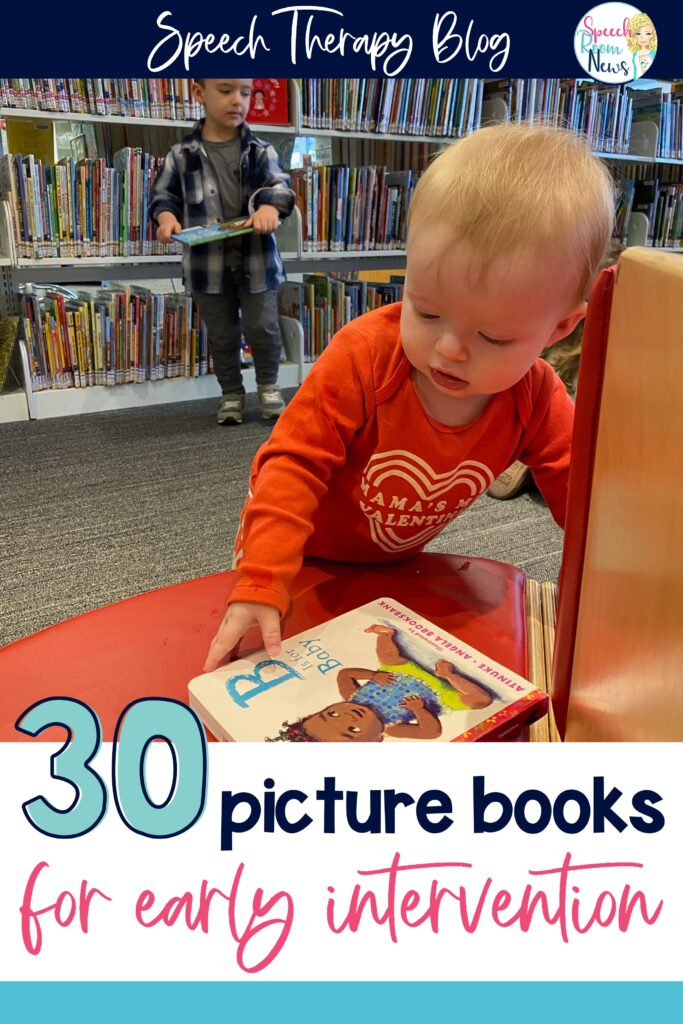
3. Stimulating Imagination and Creativity: Books transport children to imaginative worlds, fostering creativity and critical thinking. They encourage children to visualize and describe scenes, characters, and events, thereby promoting expressive language and descriptive skills. When a child imagines the "grumpy bear" from a story, they are engaging in abstract thought and using language to articulate their mental images. This imaginative play, often sparked by stories, is a significant contributor to cognitive flexibility and problem-solving skills.
4. Fostering Pre-Literacy Skills: Beyond direct language benefits, books are essential for developing pre-literacy skills, which are critical precursors to reading and writing. These include print awareness (understanding that print carries meaning, recognizing letters), phonological awareness (the ability to recognize and manipulate the sound structure of spoken language, such as rhyming and alliteration), and book handling skills (turning pages, understanding front and back). Regular exposure to books in EI lays a strong foundation for future academic success.
5. Developing Joint Attention and Social Communication: Book reading provides a natural context for developing joint attention—the shared focus of two individuals on an object. When an SLP or parent reads with a child, they are both attending to the book, the pictures, and the narrative. This shared experience is vital for social communication development, teaching children to follow gaze, respond to pointing, and engage in reciprocal interactions. Books often present social scenarios and emotional expressions, allowing SLPs to discuss feelings, interpret body language, and practice social problem-solving, thereby enhancing pragmatic language skills.
Strategic Selection: Types of Picture Books for Early Intervention
The effectiveness of picture books in EI is not solely about their presence but about their judicious selection and intentional application. SLPs carefully consider a child’s developmental level, specific therapeutic goals, and individual interests when choosing books. Three categories are particularly beneficial:
1. Interactive Books: These books are designed to encourage active participation, making them highly engaging for young children. Examples include lift-the-flap books, touch-and-feel books, pop-up books, and sound books.
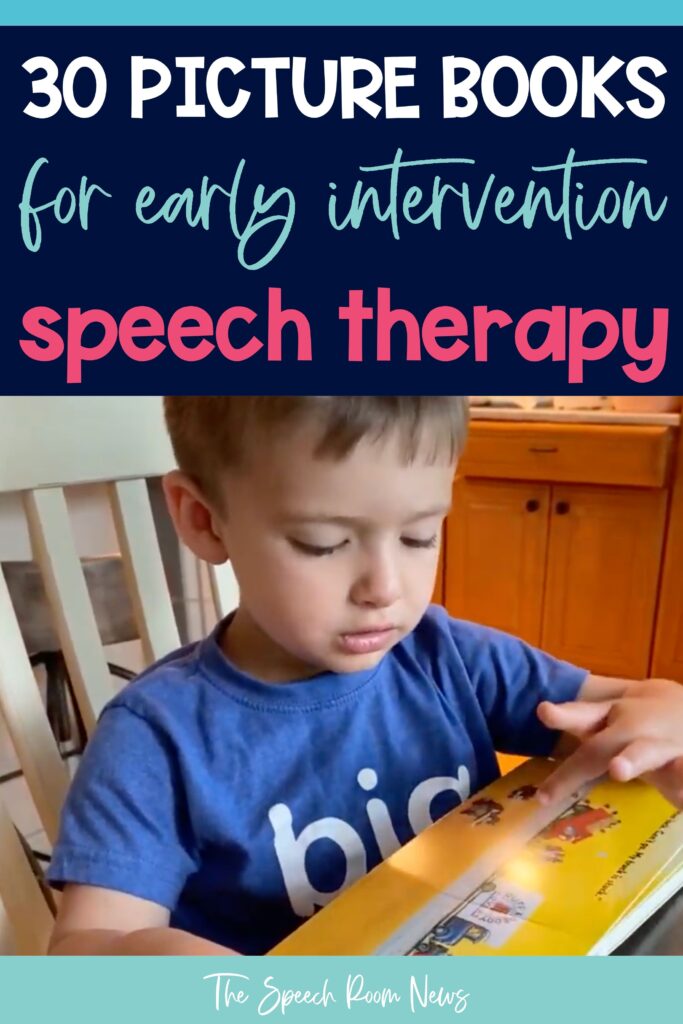
- Therapeutic Value: They promote cause-and-effect understanding, object permanence, and tactile discrimination. The physical interaction often elicits spontaneous vocalizations, gestures, and early word attempts. For instance, a lift-the-flap book can be used to target "open," "under," "what’s there?" or even simple questions and answers. Sound books can encourage imitation of animal sounds or vehicle noises, crucial for early articulation practice. The element of surprise inherent in interactive books also helps to maintain attention and motivation, which can be challenging with very young children.
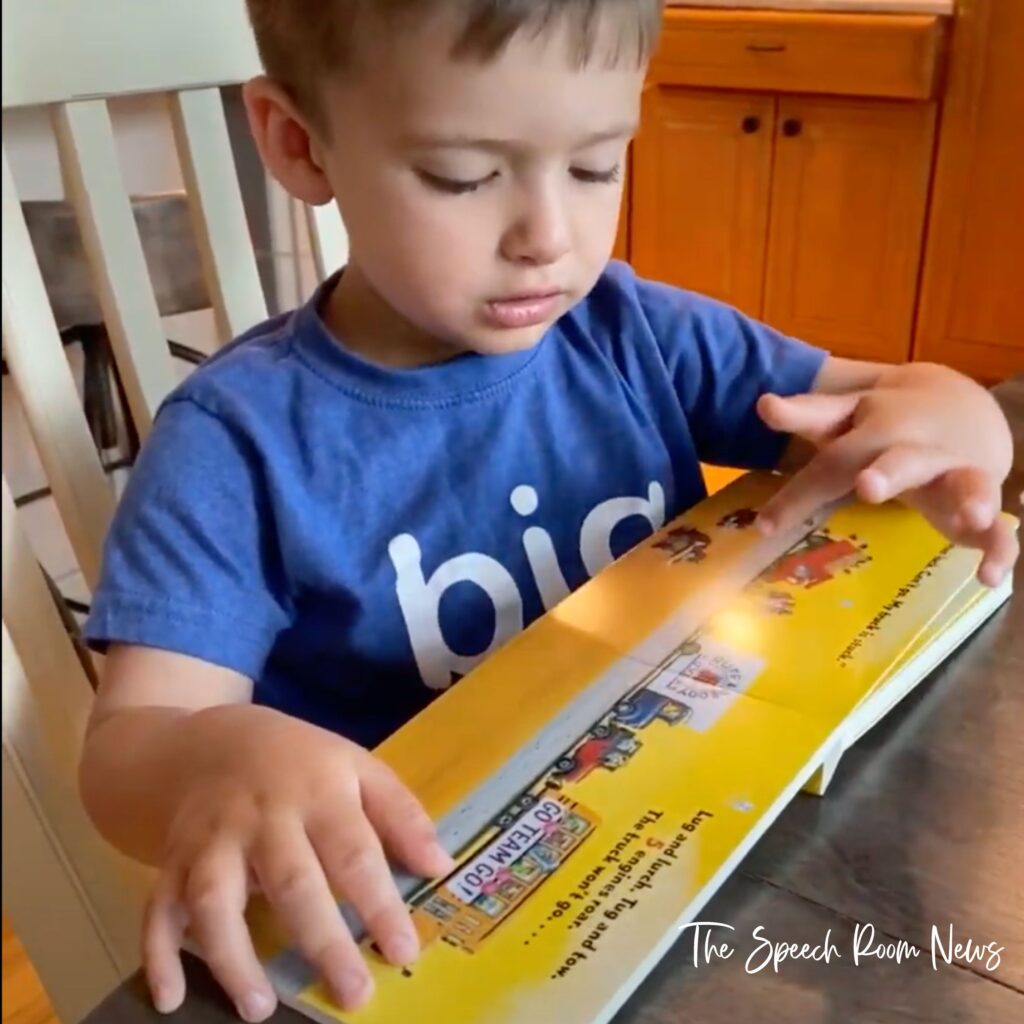
2. Durable Books: Often synonymous with board books, these are characterized by their sturdy construction, designed to withstand the vigorous handling typical of infants and toddlers.
- Therapeutic Value: Their resilience makes them practical for repeated use and exploration without damage. Beyond durability, many durable books feature simple, repetitive text, bright and clear illustrations, and familiar themes. Repetitive text is excellent for developing auditory memory, predicting upcoming words, and practicing early vocalizations or approximations of words. The clear illustrations minimize visual clutter, allowing children to focus on key objects and actions, facilitating vocabulary acquisition. Many durable books also lend themselves well to incorporating songs or rhythmic chants, which further enhance engagement and linguistic input, supporting phonological development and memory.
3. Concept Books and Simple Narratives: These include books focused on teaching specific concepts (colors, shapes, numbers, animals, opposites) and those with very basic story structures.
- Therapeutic Value: Concept books directly support vocabulary expansion and the understanding of abstract ideas. An SLP can use a color book to elicit "red," "blue," or "big," "small." Simple narrative books, often featuring familiar routines or experiences (e.g., bedtime, mealtime), help children understand sequencing, predict events, and relate stories to their own lives. These books provide a framework for discussing emotions, actions, and simple problem-solving, laying the groundwork for more complex social communication skills.
The Role of the Speech-Language Pathologist in Book-Based Therapy
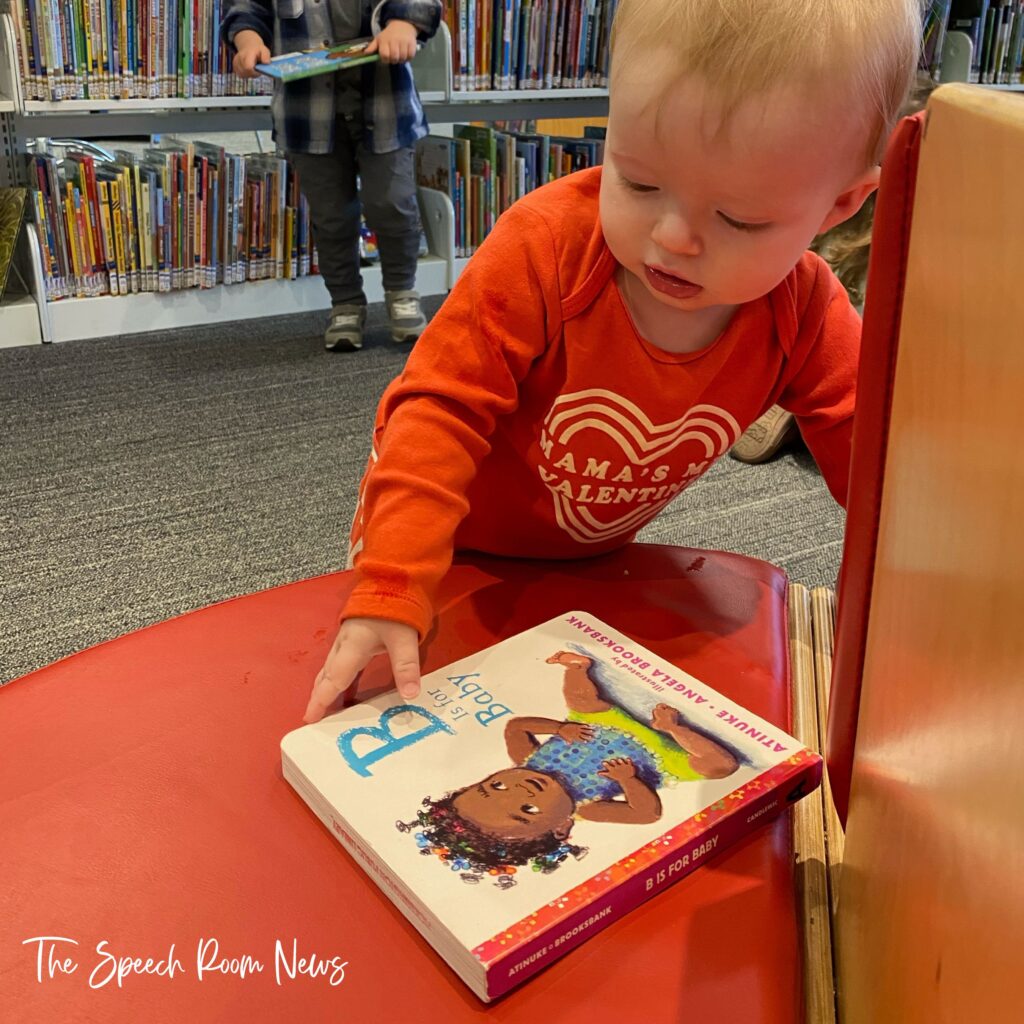
An SLP’s interaction with a book is far more than simply reading aloud. It involves a sophisticated application of therapeutic techniques:
- Aided Language Stimulation (ALS): Pointing to pictures and words as they are spoken, modeling language.
- Focused Stimulation: Repeatedly modeling a target word or grammatical structure in a meaningful context without requiring the child to imitate.
- Expansion and Recasting: Expanding on a child’s utterance (e.g., child says "dog," SLP says "Yes, a big dog is running!") or recasting it into a grammatically correct form.
- Parallel Talk and Self-Talk: Describing what the child is doing or what the SLP is doing, providing a constant stream of language.
- Questioning and Prompting: Asking open-ended questions to encourage elaborate responses or using visual prompts to elicit specific vocabulary.
- Prosodic Features: Varying pitch, intonation, and rhythm to highlight key words and maintain engagement, which also aids in auditory processing.
These techniques transform a simple book-reading session into a dynamic, targeted therapy environment, addressing goals such as increasing mean length of utterance (MLU), improving articulation of specific sounds, understanding prepositions, or developing inferential reasoning.
The Broader Impact and Implications
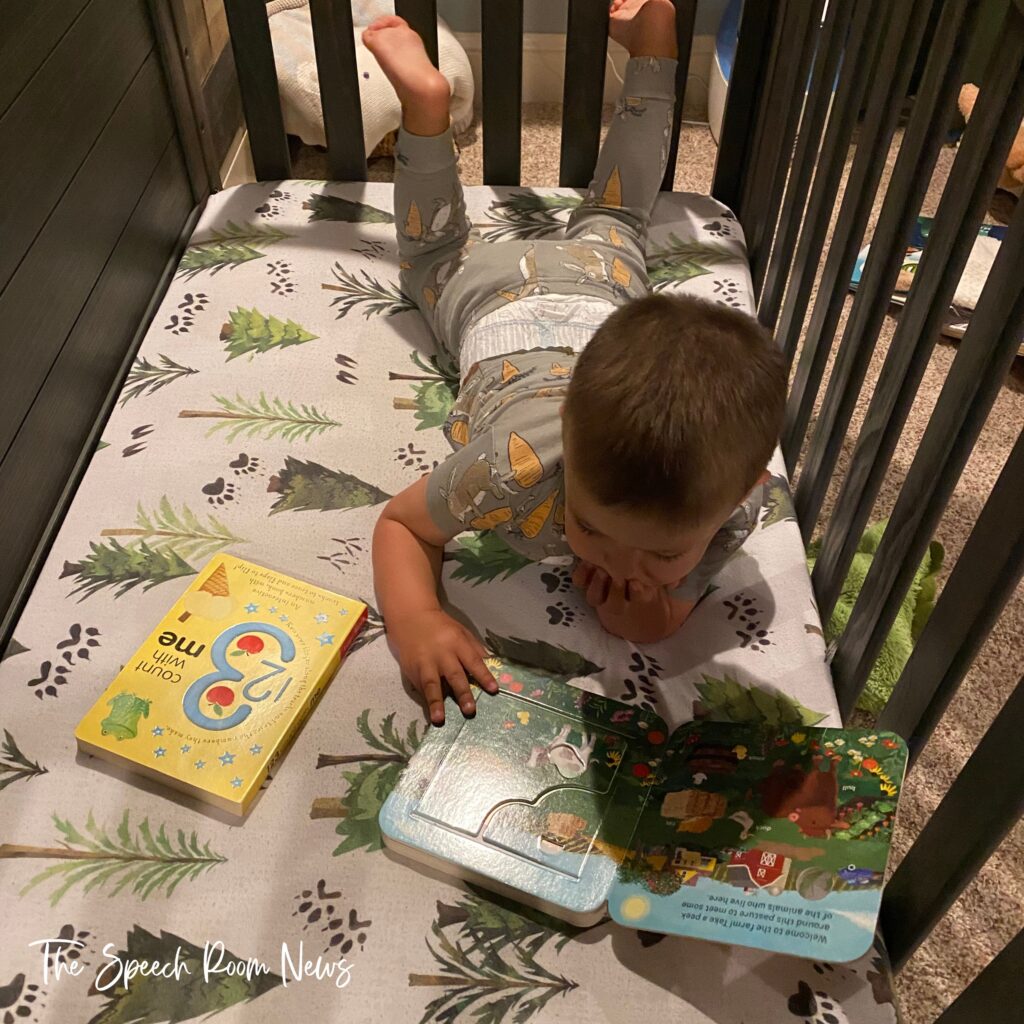
The consistent and strategic use of picture books in early intervention speech therapy yields profound long-term benefits that extend beyond immediate language gains:
- Cognitive Development: Regular exposure to stories enhances memory, attention span, problem-solving abilities, and critical thinking.
- Social-Emotional Growth: Books provide opportunities to explore and discuss emotions, develop empathy for characters, and understand social dynamics, contributing to stronger social-emotional regulation.
- Academic Readiness: Strong pre-literacy skills and a rich vocabulary developed through early book exposure are powerful predictors of later academic success, particularly in reading and writing.
- Family Bonding: Shared book reading experiences foster positive parent-child interactions, strengthening emotional bonds and establishing a lifelong love of reading. This is particularly important in EI, where empowering families is a central tenet.
- Mitigating Developmental Gaps: By addressing communication delays early, EI, heavily supported by book-based strategies, helps to narrow the achievement gap between children with and without developmental challenges, fostering greater equity in educational outcomes.
Organizations such as the American Speech-Language-Hearing Association (ASHA) consistently advocate for the integration of literacy-based interventions in speech therapy, particularly for young children. Research consistently demonstrates that early and frequent exposure to print and rich language environments significantly impacts brain development and language processing. Studies published in journals like the Journal of Speech, Language, and Hearing Research often highlight the efficacy of shared book reading as a therapeutic modality for diverse populations with communication disorders. For example, research indicates that children with language delays who engage in frequent interactive book reading with adults show greater gains in vocabulary and narrative skills compared to those with less exposure.
While the article explicitly lists categories for interactive, durable, and board books, it omits specific titles. However, common examples within these categories that SLPs often utilize include:

- Interactive: Dear Zoo by Rod Campbell (lift-the-flap), Pat the Bunny by Dorothy Kunhardt (touch-and-feel), Press Here by Hervé Tullet (cause-and-effect).
- Durable/Board Books: Brown Bear, Brown Bear, What Do You See? by Bill Martin Jr. and Eric Carle (repetition, colors, animals), The Very Hungry Caterpillar by Eric Carle (sequencing, counting, food vocabulary), Where Is Baby’s Belly Button? by Karen Katz (body parts, "where" questions), Goodnight Moon by Margaret Wise Brown (vocabulary, calming routine).
- Concept Books: Series like the "Baby Loves" science books (simple concepts), or general books on colors, shapes, and numbers.
These selections exemplify the diverse range of linguistic and cognitive targets that can be addressed through intentional book use. The absence of a specific timeline of events in the original article reflects the ongoing, foundational nature of using books in therapy rather than a singular event. However, the chronology of developmental stages in early childhood underpins the choice of books and therapeutic techniques, with simpler, highly interactive books for infants transitioning to more narrative-driven books for toddlers approaching preschool age.
In conclusion, picture books are far more than mere entertainment in the realm of early intervention speech therapy. They are carefully chosen, scientifically supported tools that provide a rich, engaging, and highly effective platform for fostering language growth, stimulating cognitive development, and creating a robust foundation for lifelong learning and communication. By leveraging the power of stories and images, SLPs empower young children to unlock their communicative potential, paving the way for improved academic, social, and emotional outcomes. The continued emphasis on family-centered, book-based interventions remains a cornerstone of effective early intervention practices worldwide.
