


The journey of growth, whether in the physical realm of a developing child or the complex landscape of adult life, is intrinsically linked to discomfort. This fundamental truth, often observed in the simple analogy of childhood growing pains, extends far beyond the biological. It encompasses the profound, and often more challenging, transformations that shape our personal character, professional trajectories, and spiritual development. While physical endeavors like elite athletics demand significant sacrifice and endure considerable strain, the most impactful growth frequently stems from navigating emotional and interpersonal challenges, ultimately forging resilience and character that underpins lasting influence.
Understanding the Nature of Growth Pains
The analogy of childhood growing pains offers a visceral introduction to the concept. Young children, experiencing the unseen stretching and remodeling of their skeletal structure, often awaken in distress. They may not comprehend the biological processes at play, but they undeniably feel the accompanying pain. This primal experience serves as an early, albeit involuntary, lesson in the reality that significant change is seldom without its physical manifestations.
This principle is echoed throughout adult life. Consider the rigorous demands of competitive powerlifting and bodybuilding, as described by individuals who have engaged in these disciplines. Workouts pushing the limits of human endurance, leading to nausea and extreme fatigue, are commonplace. Similarly, training for endurance events like marathons requires a sustained commitment to physical exertion, often involving thousands of miles of running, early morning sessions, chronic muscle soreness, and the ever-present risk of injury. On countless occasions, the allure of quitting may feel overwhelming, yet the pursuit of peak physical condition necessitates pushing through this discomfort.
However, the assertion is that physical growth, while demanding, is often surpassed in its difficulty by personal growth. This encompasses the evolution of an individual in their roles as a spouse, parent, leader, friend, or spiritual adherent. These are areas where the challenges are not merely physiological but deeply psychological and emotional, demanding a different kind of fortitude.
The Emotional and Interpersonal Crucible of Growth
The most significant hurdles in personal growth often arise in our interactions with others and our internal capacity for vulnerability. In marital relationships, for instance, the simple act of uttering "I’m sorry" can be fraught with difficulty. Admitting fault requires a significant degree of humility, necessitating the relinquishing of pride and the willingness to confront the discomfort of remorse. This process, while painful, is a cornerstone of relationship repair and growth.
Conversely, the act of forgiveness can be even more arduous. To say "I forgive you" is to acknowledge that one has been wounded. For many, admitting hurt is perceived as a sign of weakness. Yet, from a perspective focused on authentic personal development, it is an act of courage, revealing a capacity for empathy and emotional maturity.
Spiritual Development: A Path Forged Through Adversity
The principles of growth through hardship are not confined to secular endeavors. A review of religious scriptures reveals a consistent pattern: individuals who achieved profound spiritual closeness with the divine rarely experienced a life of ease. Prophets, apostles, and countless other figures throughout history encountered significant hardship, disappointment, rejection, and suffering. Their faith, often admired from a distance, was invariably shaped and strengthened by the trials they endured. This suggests that spiritual growth is not an outcome of avoiding difficulty, but rather a process of confronting and overcoming it.
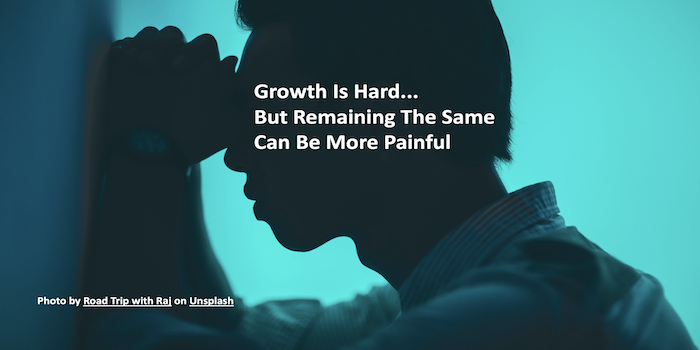
The price of growth, therefore, is a recurring theme. Whether the pursuit is better physical health, stronger interpersonal relationships, enhanced leadership capabilities, or a deeper spiritual connection, there comes a point where an individual must weigh the immediate pain against the potential for future gain. This decision-making process inherently involves an element of faith – faith in the process, faith in oneself, and faith in the eventual positive outcome.
The Enduring Value of Enduring Hardship
Reflecting on extensive careers, marital journeys, parental experiences, and even athletic pursuits, the conclusion often reached is that the pain endured was indeed worth the eventual rewards. The individuals who leave the most significant and positive impact are not those who managed to circumvent discomfort, but rather those who embraced challenging experiences and allowed them to refine their character.
This observation is particularly pertinent in the study of influence. Competence can capture attention, but it is character, forged through adversity, that ultimately earns trust. The combination of proven competence and unshakeable character transforms individuals into credible authorities, a standing that endures over time and forms the bedrock of lasting influence. This enduring credibility is not a fleeting attribute; it is a constant presence that shapes perceptions and fosters deep-seated trust.
The Cycle of Growth and Confidence
It is crucial to understand that embracing growth does not render future challenges easy. The pursuit of peak physical condition in bodybuilding, for example, necessitates repeated cycles of demanding training. Similarly, achieving new personal bests in marathon running requires consistent discipline and adaptation to further training regimes. Meaningful breakthroughs in marital relationships often demand further difficult conversations and a renewed commitment to understanding and empathy.
The pain associated with growth does not necessarily disappear. What evolves is an individual’s confidence. Through experience, the realization dawns that growth and positive transformation lie on the other side of these difficult periods. This growing confidence, born from overcoming past challenges, equips individuals to face future obstacles with greater assurance.
The "Man in the Arena": Embracing the Struggle
The enduring wisdom of Theodore Roosevelt’s "Man in the Arena" speech resonates deeply with this concept. Roosevelt articulated that true credit belongs not to the critic who points out where the strong falter, but to the individual who steps into the arena – who dares to risk failure, endure hardship, and persist in their efforts. The ultimate defeat is not to stumble or fall, but to choose to remain on the sidelines, deeming the cost of growth too prohibitive.
The Cost of Stagnation
In conclusion, growth is inherently difficult because it frequently involves pain. However, the alternative to this pain – stagnation, a refusal to evolve, or a retreat from challenging experiences – carries a far greater and more profound cost. This cost is measured not in physical discomfort or emotional strain, but in missed opportunities for development, unfulfilled potential, and a diminished capacity for impact and fulfillment.
Therefore, the critical question for individuals to consider is: looking back at their own lives, which periods of painful growth are they most thankful they did not abandon? These moments of struggle, when persevered through, often become the defining chapters that shape character, build resilience, and ultimately lead to the most significant and rewarding transformations. The lessons learned in these crucibles are invaluable, equipping individuals with the wisdom and fortitude to navigate future challenges and continue their journey of personal and professional evolution. This perspective underscores that while pain may be an unavoidable component of growth, it is the willingness to confront and move through it that defines true progress and lasting achievement.
