

The practice of "debreathing" audio recordings in the voice-over industry is a subject often shrouded in misconception and inconsistent application. While seemingly a straightforward editing technique—the removal of involuntary vocal inhalations—its appropriateness and impact vary significantly across different genres and contexts. This article delves into the complexities of debreathed audio, exploring its origins, its perceived benefits, and the often-overlooked detriments it can impose on vocal performances, particularly in the evolving landscape of digital media and human-AI interaction.
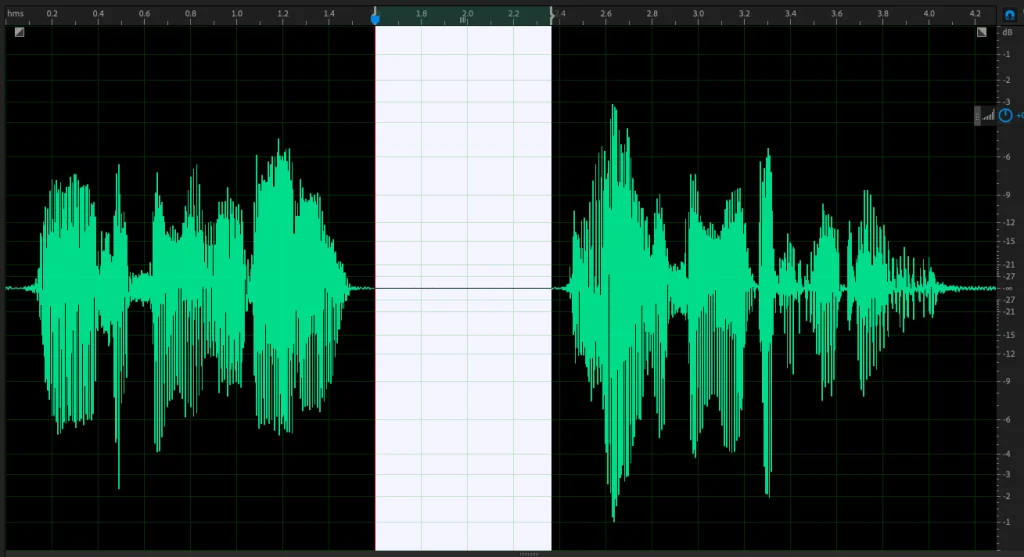
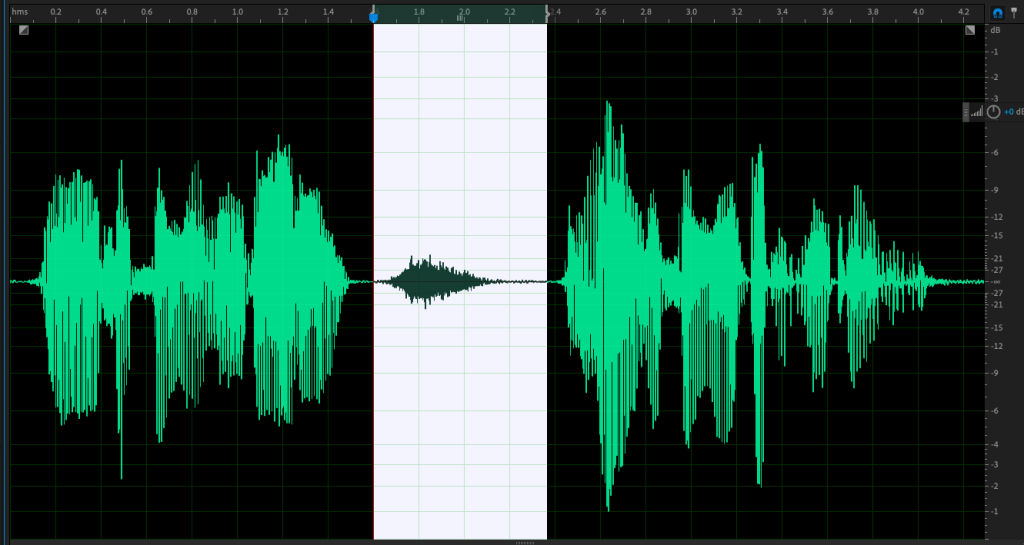
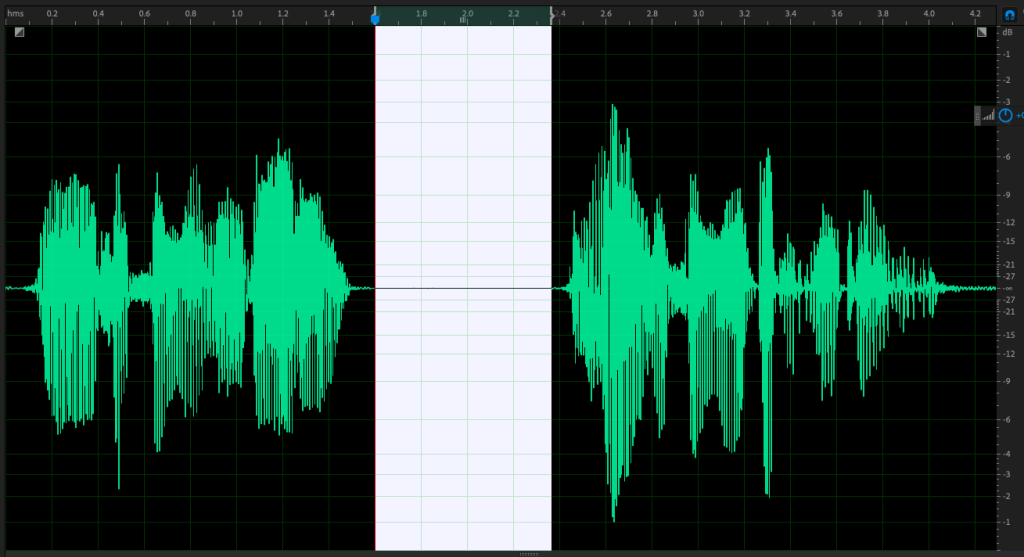
At its core, debreathed audio involves isolating and silencing or deleting the audible breaths a speaker takes between words or phrases. In digital audio workstations like Adobe Audition, these breaths often manifest as distinct waveforms, easily identifiable and selectable for manipulation. The process, when executed technically, can result in a recording where the natural pauses for inhalation are absent. This can be achieved either by silencing the breath to a negligible volume or by entirely removing the segment of audio and any associated silence, effectively tightening the spoken content.
Historically, debreating became a prevalent technique, particularly within the realm of commercial voice-overs, especially those intended for television, radio, and cinema advertisements. The prevailing rationale was rooted in the pursuit of pristine audio clarity and an uninterrupted delivery of the commercial message. In these high-stakes advertising contexts, the argument was that breaths could serve as distractions, subtly detracting from the intended impact of the advertisement. The focus was solely on the words being spoken, ensuring that every syllable contributed directly to the persuasive objective of the commercial.
However, the definition of "commercial voice-over" itself can be a point of contention, leading to misapplication. If interpreted broadly as any paid voice-over work, it could encompass corporate narration, e-learning modules, or even internal company videos. The original intent, however, was more narrowly focused on advertisements—broadcast or digital spots designed to sell a product or service. This distinction is crucial: the perceived need to eliminate breaths in a 30-second television ad for a new car might not translate to the same requirement for a documentary narration or a character performance in a video game.
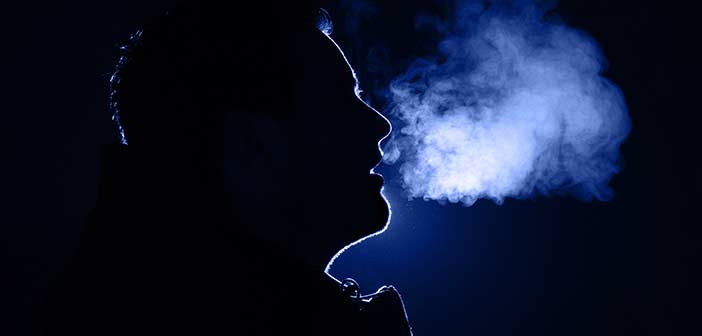
The primary issue with the widespread and often indiscriminate debreating of voice-over recordings lies in its potential to undermine the very qualities that make human speech engaging and relatable. Unlike the synthesized voices of early text-to-speech systems, which were notably devoid of audible breathing, human communication is intrinsically characterized by these natural inhalations. These breaths are not merely physiological necessities; they serve several subtle yet vital functions in spoken discourse.
One significant consequence of removing breaths is the creation of an unnatural listening experience. Humans are conditioned from birth to hear breathing as an integral part of speech. When this element is absent, especially in longer spoken passages without significant background music or sound effects, the listener can experience a sense of unease. This discomfort can manifest as a subtle but pervasive feeling of tension, as if the speaker possesses superhuman lung capacity. This phenomenon highlights how our brains are wired to expect and interpret these natural pauses.
Furthermore, breaths often act as unintentional but effective pauses that allow the listener to process information. In narrative voice-overs, e-learning materials, or even conversational dialogue within media, these moments of inhalation provide a natural caesura. This brief interval allows the audience’s cognitive processes to engage, to absorb the information conveyed, and to prepare for the next segment of speech. When these pauses are eliminated, the speech can feel relentless, leaving the listener with less time to reflect. This can lead to a diminished retention of the spoken content, a critical drawback in educational or informational contexts.
The trend towards naturalness in voice-over delivery further complicates the debreating debate. In contemporary voice-over production, a natural, conversational style is highly prized. Removing breaths, by their very nature, strips away a significant component of this naturalness. It can transform a nuanced vocal performance into something that sounds artificial, overly produced, and detached from authentic human expression. This is particularly relevant in an era where AI-generated voices are becoming increasingly sophisticated. The very "humanity" of audible breathing can serve as a key differentiator and an advantage for human voice artists, emphasizing their organic presence and emotional resonance.
The implications of this trend are already observable. Consider the evolution of AI voice generation. Early iterations, such as foundational versions of Siri or Google Assistant, lacked audible breaths and often sounded robotic. More recent advancements in AI voice technology have begun to incorporate simulated breathing, recognizing its contribution to a more lifelike and engaging auditory experience. This development ironically underscores the value of retaining natural breaths in human vocal performances.
Beyond intentional debreating, accidental removal of breaths can occur through the misuse of audio processing tools. Techniques like noise gates or expanders, often employed to reduce background noise in less-than-ideal recording environments, can inadvertently silence or significantly diminish the presence of breaths. While these tools might superficially "clean up" the audio, they often do so at the expense of the performance’s natural character. The underlying issue, industry professionals argue, is not the presence of breath but the quality of the recording environment. Amateurs might resort to these tools to mask environmental shortcomings, whereas seasoned professionals prioritize acoustic treatment and microphone technique to capture clean audio from the outset. The use of such tools without careful consideration can lead to a sterile, soulless vocal track, sacrificing the human element for a perceived sonic tidiness.
The strategic application of debreating, therefore, demands careful consideration and clear communication. For actual advertisements, where the sole objective is to deliver a concise and impactful message with minimal distraction, the practice can be justified, provided it aligns with client or agency directives. However, for a vast array of other voice-over applications—including corporate narration, character work in video games, dramatic performances, audiobooks, and general documentary narration—retaining breaths is generally advisable. These genres often benefit from the natural pacing, emotional cues, and relatable humanity that audible breaths contribute.
The current industry consensus, therefore, leans towards a more nuanced approach. Unless explicitly instructed otherwise by a client or directed by a specific creative brief for an advertisement, voice-over artists are encouraged to retain their natural breathing. This approach not only preserves the authenticity of the performance but also leverages a distinctly human characteristic in a competitive media landscape. The breath, in this context, becomes an asset, a marker of genuine human vocalization that AI, despite its advancements, struggles to replicate with true organic feeling.
The debate over debreating is not merely a technical one; it touches upon the very essence of what it means to communicate vocally and what audiences expect from human-provided audio. As the digital realm continues to evolve, understanding and respecting the role of natural human characteristics in audio production will become increasingly critical for maintaining authentic connections with listeners. The breath, often dismissed as a technical nuisance, is, in fact, a fundamental component of human expression.
