

In the intricate world of voice-over production, a subtle yet significant post-processing technique known as "debreathing" sparks ongoing debate and can lead to fundamental misunderstandings. This article delves into the practice of removing audible breaths from recorded vocal performances, exploring its historical context, traditional applications, the evolving perception of its necessity, and the potential pitfalls of its indiscriminate application. The aim is to provide a comprehensive, objective overview for professionals and those seeking to understand the technical and artistic considerations involved.
Understanding the Core Concept: What is Debreathing?
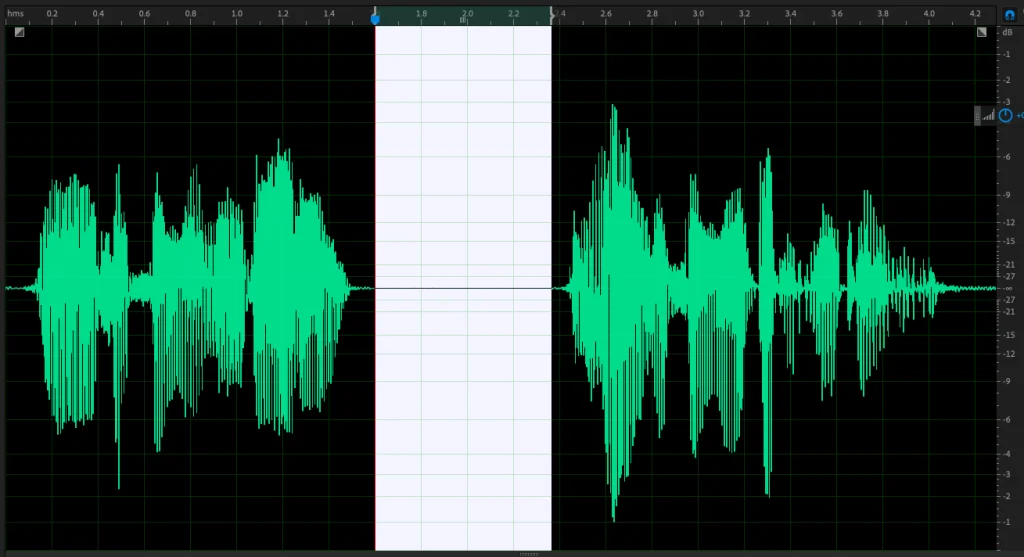
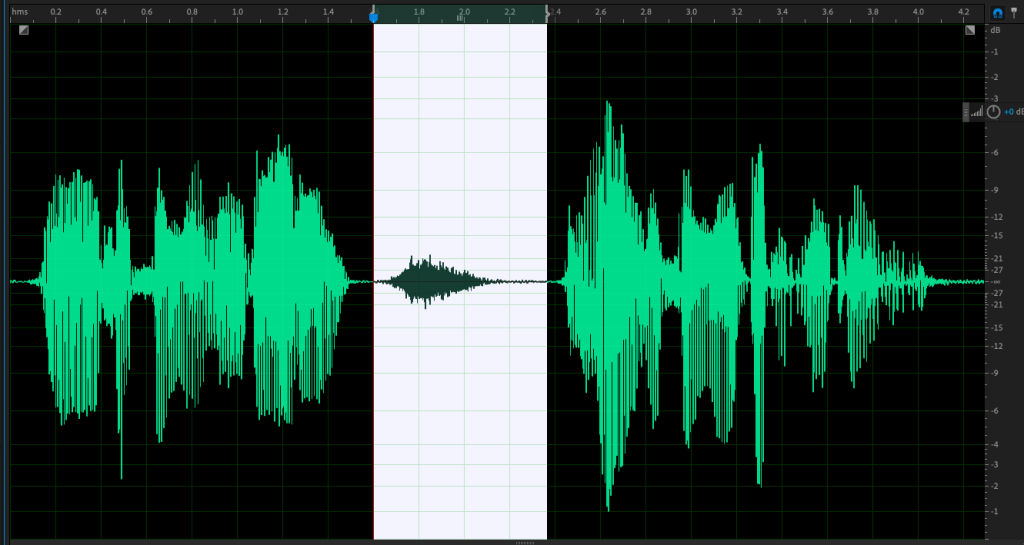
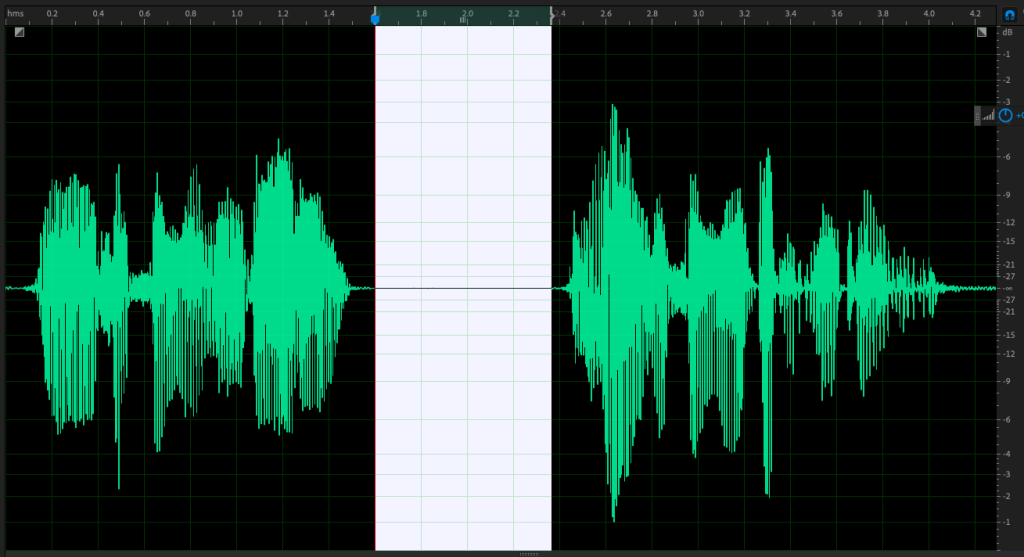
At its most basic, debreathing refers to the audio editing process where audible inhales and exhales within a recorded voice-over are identified and subsequently silenced or removed. This is typically achieved using digital audio workstations (DAWs) like Adobe Audition, where breath sounds, often appearing as distinct waveforms, can be isolated. The process can involve either silencing the breath – effectively reducing its volume to zero – or completely deleting the segment of audio and any associated silence, thereby shortening the overall duration of the recording. The visual representation in audio editing software clearly distinguishes between these two methods, with silencing leaving a gap in the waveform and deletion physically removing the section.
Historical Context and Traditional Applications in Commercial Advertising
Historically, the practice of debreathing has been most prevalent in the realm of commercial voice-overs, particularly those intended for broadcast advertisements. The rationale behind this traditional approach is rooted in the perceived need for a flawless, highly polished delivery that prioritizes the message above all else. In the context of advertisements, the argument is that breaths can serve as unintentional distractions, interrupting the flow of information and potentially diminishing the impact of the product or service being promoted.
The prevailing theory was that commercial voice-overs were designed to deliver a direct, impactful message with minimal interruption. Therefore, any element that could be construed as a vocal artifact, including audible breaths, was deemed detrimental to the overall effectiveness of the advertisement. This led to a standard practice where voice-over artists would either debreath their recordings themselves or have it done by post-production engineers. The goal was to create a sense of seamless, almost superhuman vocal performance that kept the listener’s attention firmly fixed on the marketing message.
The Evolving Definition of "Commercial" and its Impact on Debreathing
A significant point of contention and potential confusion within the industry arises from the multifaceted definition of "commercial voice-over." Historically, the term was understood to encompass actual advertisements—television commercials, radio spots, cinema advertisements, and online adverts. In this specific context, the rationale for debreathing to eliminate distractions remains a valid consideration for many.
However, the term "commercial" can also be interpreted more broadly to refer to any voice-over work for which the artist is compensated, regardless of its purpose. This wider definition includes corporate narration, e-learning modules, explainer videos, and other business-related audio content. The critical distinction lies here: while debreathing might be justifiable for the former (actual advertisements), applying it indiscriminately to the latter can lead to unintended negative consequences. Many industry professionals now advocate for a more nuanced approach, asserting that debreathing should be reserved primarily for actual advertisements, and only when explicitly requested or deemed necessary for the specific project’s objectives.
Why Debreathing Beyond Advertisements Can Be Problematic
The arguments against debreathing in non-advertising voice-over contexts are compelling and rooted in principles of naturalism and listener engagement.
-
The Human Element and Unnaturalness: Humans are biologically wired to hear and expect breathing in natural speech. The absence of this fundamental aspect of human respiration can create an uncanny, unsettling effect for the listener. When breaths are entirely removed from a performance, especially in spoken-word content like corporate narration or dramatic readings, the delivery can feel artificial and disengaging. This can lead to a subconscious feeling of unease or stress in the audience, as they may perceive an unnatural, almost robotic quality to the voice. Historically, even early text-to-speech technologies, while advanced for their time, often lacked audible breathing, leading to a distinctly non-human sound. More recent advancements in AI voice generation have seen the incorporation of breathing sounds, acknowledging their role in creating more natural and relatable vocalizations.
-
Breaths as Natural Pauses for Assimilation: Audible breaths serve a crucial, albeit often unconscious, function in communication: they provide natural pauses. These moments of silence allow listeners to process information, assimilate what has been said, and prepare for the next segment of the message. In lengthy narration or complex explanations, these pauses are invaluable for comprehension and retention. When breaths are removed, the continuous flow of audio can become overwhelming, leaving the listener with little opportunity to digest the content. This can result in reduced recall and a less impactful overall experience. Anecdotal evidence suggests that some American radio commercials, characterized by excessively debreathing, can leave audiences struggling to remember the advertised message due to this relentless vocal pace.
-
Undermining Natural Delivery and Authenticity: The current trend in voice-over, across various genres, strongly favors natural and authentic delivery. This is particularly true for narrative work, character performances, and any content aiming for an intimate connection with the audience. Breathing is an inherent component of natural speech patterns. By removing breaths, voice-over artists inadvertently strip away an element of this naturalness, transforming a potentially organic performance into something more sterile and less relatable. This can be detrimental to the overall artistic intent of the recording.
The Unintended Consequences of Noise Reduction Tools
A critical aspect often overlooked is how certain audio processing tools can inadvertently lead to debreathing. Techniques like noise gates and expanders, commonly employed to reduce background noise or enhance signal clarity, can also suppress or eliminate audible breaths. While these tools are effective in cleaning up audio from suboptimal recording environments, their indiscriminate use can have the same detrimental effects as deliberate debreathing. The "human element" of a performance can be sacrificed in the pursuit of a cleaner, albeit less natural, sound. Industry experts caution that the amateur approach is to "fudge" poor recording environments with such tools, rather than addressing the root cause by improving the recording space itself.
Key Considerations and Best Practices for Voice-Over Professionals
Given the complexities surrounding debreathing, a clear set of guidelines is essential for voice-over artists:
-
Prioritize Client Communication: The golden rule is to communicate with the client. Unless specifically instructed to debreath, it is generally advisable to retain audible breaths, especially for non-advertising content. This fosters a more natural and engaging listening experience.
-
Differentiate Between "Commercial" and "Advertisement": Understand the precise intent of the client when they request debreathing for "commercial" work. Clarify whether they are referring to actual advertisements or any paid voice-over project.
-
Embrace Naturalism: In an era where AI-generated voices are becoming increasingly sophisticated, the unique human qualities of a voice-over artist—including natural breathing—become a distinct advantage. Retaining breaths can help human performers stand out and connect more authentically with audiences.
-
Mastering Audio Editing: For those instances where debreathing is required, proficiency in audio editing software is crucial. Understanding the difference between silencing and deleting breaths, and applying these techniques judiciously, is key to achieving a polished yet natural result.
-
Invest in Recording Environments: To avoid the need for aggressive noise reduction tools that can compromise vocal performance, invest in a well-treated recording environment. This proactive approach ensures a cleaner source recording, minimizing the need for post-production "fixes" that can alter the natural character of the voice.
The Broader Implications: Authenticity in the Age of AI
The debate surrounding debreathing is not merely a technical audio engineering discussion; it touches upon the very essence of human communication and the evolving landscape of voice technology. As artificial intelligence continues to advance in its ability to generate human-like speech, the unique qualities that define authentic human vocal performances become increasingly valuable. Audible breaths, far from being mere imperfections, are integral to the richness, naturalness, and emotional resonance of human speech. They signal life, emotion, and authenticity.
For voice-over artists, embracing these human characteristics—including breathing—is not just a stylistic choice but a strategic imperative. It allows them to differentiate themselves from AI-generated alternatives and forge deeper connections with audiences. The implication is that in the competition against increasingly sophisticated synthetic voices, the value of genuine human vocal expression, with all its natural nuances, is likely to grow. Therefore, the decision to debreath or not debreath should be made with a keen awareness of the desired emotional impact, the purpose of the recording, and the fundamental nature of human connection.
Conclusion
In conclusion, the practice of debreathing in voice-over production is a nuanced issue with a historical precedent that is increasingly being re-examined. While it may retain a specific utility in the context of actual broadcast advertisements, its indiscriminate application to other forms of voice-over work can detract from naturalness, hinder listener comprehension, and undermine the authenticity of the performance. Voice-over professionals are encouraged to engage in clear communication with clients, understand the specific needs of each project, and prioritize the preservation of human qualities in their recordings. As the industry navigates the advancements in voice technology, embracing and showcasing the authentic human element, including the natural rhythm of breathing, will likely prove to be a significant advantage for those seeking to create impactful and memorable vocal performances.
