

The practice of "debreathing" in voice-over recordings, a technique involving the selective removal or silencing of vocal breaths, is a subject often surrounded by misconceptions within the industry. While seemingly a straightforward audio editing process, its application is nuanced, carrying significant implications for the final delivery and reception of a voice performance. This article delves into the intricacies of debreathing, exploring its purpose, its traditional applications, and the critical reasons why it should be approached with caution and discernment across various voice-over genres.
Understanding the Mechanics of Debreathing
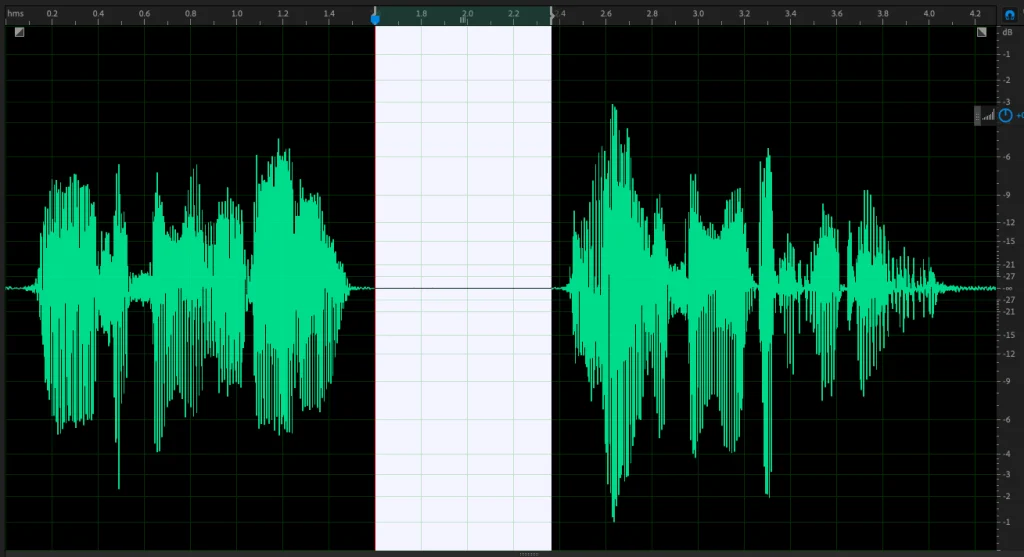
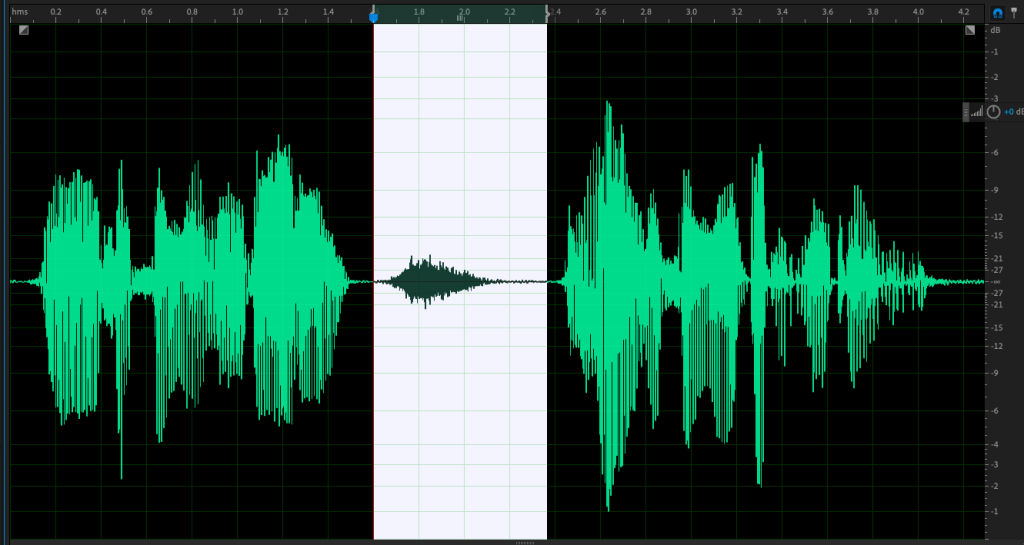
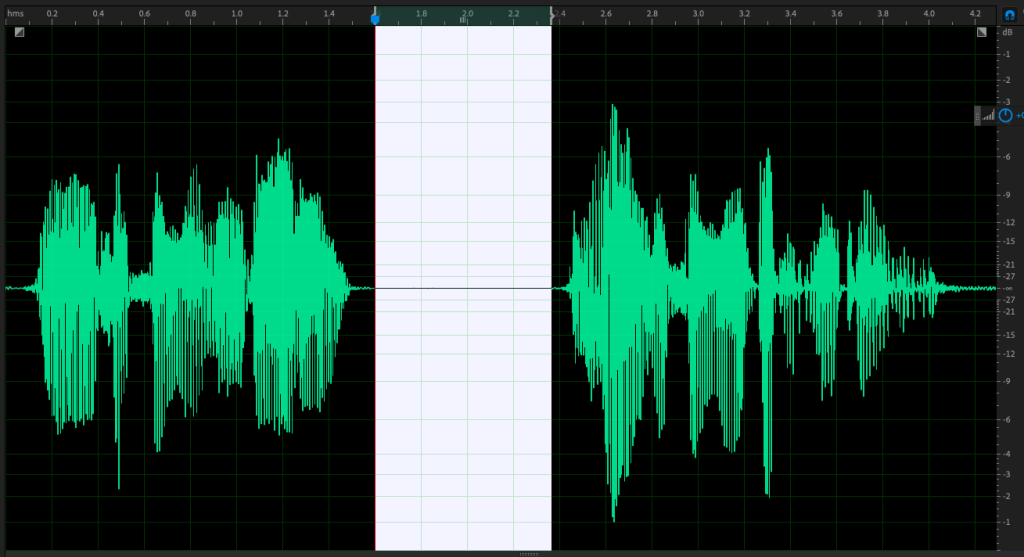
At its core, debreathing is the deliberate act of isolating and then manipulating audible breaths within a recorded vocal track. This can manifest in two primary ways: silencing the breath to render it inaudible, or entirely removing the breath and the associated sonic space, effectively shortening the recording. The visual representation in audio editing software, such as Adobe Audition, clearly illustrates this. Peaks and troughs on the waveform represent vocalizations, and smaller, distinct patterns indicate breaths. When a breath is silenced, the waveform at that point is flattened to the baseline, making it inaudible. When a breath is removed entirely, not only is it silenced, but the time it occupied is also eliminated from the recording, potentially altering the pacing.
Historical Context and Traditional Application
Historically, debreathing has been a standard practice, particularly in the realm of commercial voice-overs. The rationale behind this was rooted in the perceived need for a polished, uninterrupted delivery that prioritized the clarity and impact of the core message. The primary objective was to ensure that no extraneous sounds, including breaths, detracted from the advertiser’s intent.
The prevailing wisdom was that commercial advertisements, especially those with intricate musical scores or sound effects, demanded a pristine vocal performance. In this context, a breath could be seen as a momentary disruption, a subtle impediment to the seamless flow of information. This approach aimed to create a vocal performance that was perceived as more controlled, professional, and ultimately, more persuasive for the purpose of selling a product or service.
The Evolving Definition of "Commercial" and its Impact on Debreathing
A significant point of contention and confusion within the industry revolves around the definition of "commercial voice-over." This term can be interpreted in at least two distinct ways:
-
Commercial in Nature: This refers to any voice-over work undertaken for a company or client, for which the voice artist is compensated. This broad definition encompasses a wide array of projects, including corporate narration, e-learning modules, internal communications, and various forms of digital content.
-
Commercial Advertisements: This narrower definition specifically pertains to audio or video advertisements designed for broadcast on television, radio, cinema, or online platforms. These are the traditional "ads" that consumers encounter in their daily media consumption.
The critical distinction lies in how these definitions influence the debreathing decision. While debreathing actual advertisements (the second definition) traditionally served the purpose of message purity, applying this practice to the first definition – all paid voice-over work – has become increasingly problematic and, in many cases, detrimental.
The Case Against Ubiquitous Debreathing
The argument against widespread debreathing of voice-over recordings, beyond explicit commercial advertisements, rests on several fundamental principles of human perception and natural communication:
The Uncanny Valley of Breathless Speech
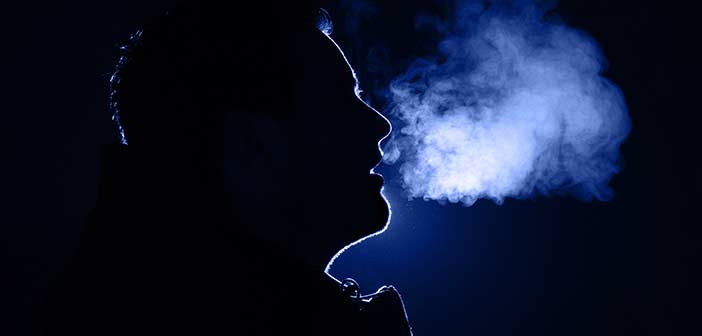
Human beings are inherently accustomed to hearing breaths as an integral part of natural speech. Our auditory processing systems are calibrated to expect these subtle inhalations and exhalations. When these natural pauses are absent, particularly in contexts where music and sound effects are minimal, the effect can be jarring and even unsettling. The listener may unconsciously perceive the performance as artificial or unnatural, leading to a sense of unease.
In recent years, even advanced text-to-speech (TTS) technologies, such as those developed by companies like Google and Apple (Siri), have evolved to incorporate audible breathing. This shift reflects a growing understanding that the inclusion of breath enhances the human-likeness and relatability of synthesized voices. The historical absence of breath in early TTS systems, while technically efficient, often resulted in a robotic or disembodied quality. The incorporation of breathing has been a significant step in bridging the gap between artificial and authentic-sounding vocalizations, underscoring its importance in creating a natural human presence.
The Role of Breath as a Listener’s Pause
Beyond its naturalistic quality, breathing serves a crucial communicative function by providing implicit pauses within spoken dialogue. These pauses are not merely physiological necessities for the speaker but also vital cognitive opportunities for the listener. They allow time for information to be processed, for thoughts to be assimilated, and for mental connections to be made.
When breaths are aggressively removed, particularly in longer-form narrative or corporate content, the relentless flow of words can overwhelm the listener. This can lead to a diminished capacity for comprehension and retention, ultimately undermining the effectiveness of the communication. The intended message may be delivered, but its impact and memorability are significantly compromised. This phenomenon has been observed in certain American radio commercials where an overzealous removal of breaths results in a performance that, while technically "clean," fails to resonate with the audience.
Preserving Naturalness and Authenticity
In the current landscape of voice-over production, there is a prevailing trend towards natural and authentic delivery. Clients and audiences alike are increasingly seeking voice performances that feel genuine, relatable, and human. Breathing is an intrinsic element of this naturalness. It signals spontaneity, emotion, and the organic rhythm of spoken language.
By removing breaths, voice actors inadvertently strip away a layer of this naturalness. The performance, even if technically perfect in terms of articulation and tone, can begin to sound rehearsed or artificial. This can be particularly counterproductive in genres like narration, audiobooks, dramatic performances, or even conversational e-learning modules, where a connection with the listener is paramount. The goal is to create an engaging and immersive experience, and the presence of natural breathing contributes significantly to achieving that objective.
Accidental Debreathing: The Perils of Noise Reduction Tools
A common pitfall that can lead to unintended debreathing is the misuse of audio processing tools, specifically noise gates and expanders. These tools are designed to reduce or eliminate background noise by lowering the audio signal below a certain threshold. While they can be effective in cleaning up recordings made in less-than-ideal acoustic environments, they often have a significant side effect: they can also attenuate or completely remove vocal breaths.
When a voice actor relies heavily on these tools to compensate for a poor recording space, they risk sacrificing the human element of their performance. The audio may sound "cleaner," but it comes at the cost of naturalness and authenticity. This approach is often characterized as a shortcut or a "fudge," characteristic of amateur production rather than professional sound engineering. The recommended practice is to address the source of the noise by improving the recording environment itself, rather than attempting to mask it with processing.
Strategic Application: When Debreathing is Appropriate
Despite the caveats, there are specific circumstances where debreathing remains a valid and even necessary technique:
-
Actual Commercial Advertisements: As previously discussed, for television, radio, cinema, and web advertisements, debreathing can be employed to ensure the message is delivered with maximum impact and minimal distraction. However, even in this context, it is prudent to confirm with the client or advertising agency whether this is their preferred approach. Some campaigns may intentionally embrace a more naturalistic feel, even within an advertisement.
-
Specific Client Directives: In some instances, clients may have a clear and explicit request for debreathing, regardless of the genre. In such cases, the voice actor’s primary obligation is to fulfill the client’s requirements, as they are the paying party. Ignoring such instructions would be unprofessional.
The Competitive Edge: Embracing Humanity in the Age of AI
In an era where artificial intelligence is rapidly advancing in its ability to generate human-like speech, the unique qualities of human vocal performances become even more valuable. The subtle imperfections, the natural rhythms, and yes, the very breaths that characterize human speech, are precisely what differentiate us from AI-generated content.
Embracing and retaining these human elements, including audible breaths, is not a sign of amateurism but rather a strategic advantage. It allows voice actors to highlight their humanity, their organic delivery, and their ability to connect with an audience on an emotional level. By judiciously retaining breaths, voice artists can reinforce their distinctiveness and underscore their value in a competitive market increasingly populated by synthetic voices.
Conclusion: A Call for Discernment
The practice of debreathing in voice-over is not a one-size-fits-all solution. While it has a historical precedent in commercial advertising, its application requires careful consideration and a deep understanding of the intended purpose and audience of the recording.
For actual advertisements, debreathing can serve to enhance message clarity, provided it aligns with client expectations. However, for the vast majority of other voice-over genres – including corporate narration, e-learning, gaming, dramatic performances, and more – retaining natural breaths is crucial for fostering authenticity, promoting listener comprehension, and preserving the human essence of the performance.
Voice actors are encouraged to approach debreathing with discernment, prioritizing naturalness unless explicitly instructed otherwise. In a world increasingly saturated with AI, our humanity is our strongest asset, and our breath is an undeniable testament to that. By understanding when and why to debreath, voice professionals can elevate their craft, deliver more impactful performances, and secure their unique place in the evolving media landscape.
