

The quest for the perfect voice over microphone is a journey that balances technical specifications with artistic nuance, a pursuit critical for aspiring and seasoned voice actors alike. This comprehensive guide delves into the essential considerations for choosing a microphone, dissecting various types, their technical attributes, and presenting a curated list of top-tier options catering to a spectrum of financial commitments. Understanding the intricacies of microphone technology is not merely about acquiring a piece of equipment; it’s about investing in the clarity, warmth, and professional polish that defines a successful voice over career. From the fundamental principles of sound capture to the specific sonic characteristics that make certain microphones industry staples, this article aims to equip every voice artist with the knowledge to make an informed decision, thereby optimizing their recording setup and ultimately, their audition and demo reel quality.
Laying the Foundation: Essential Voice Over Recording Equipment
Before diving into microphone specifics, it’s crucial to establish a baseline understanding of what constitutes a functional recording setup. Beyond the microphone itself, a robust recording environment necessitates an audio interface, a pop filter, a mic stand, and potentially acoustic treatment for the recording space. The audio interface acts as the bridge between the microphone and the computer, converting analog audio signals into digital data. A pop filter is indispensable for mitigating plosive sounds (harsh ‘p’ and ‘b’ sounds) that can distort recordings. A sturdy microphone stand ensures stable positioning, crucial for consistent audio capture. Acoustic treatment, while not always an immediate necessity for beginners, significantly enhances sound quality by reducing unwanted echoes and reverberation, creating a more professional and polished final product. The initial investment in these components forms the bedrock upon which a voice actor’s recording capabilities are built, influencing the quality of demos and auditions that are critical for career advancement.
Understanding Microphone Technologies: Dynamic vs. Condenser
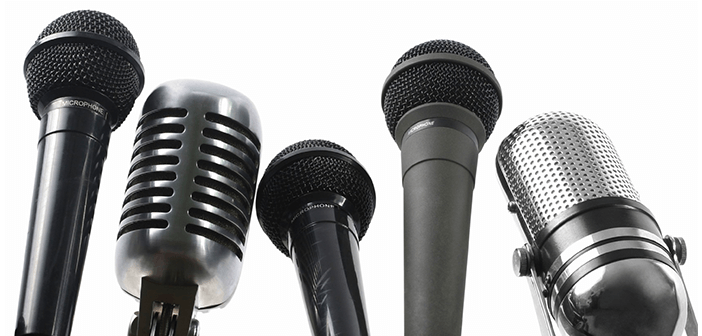
At the heart of any vocal recording lies the microphone, and for voice over work, two primary categories dominate: dynamic and condenser microphones. Each possesses distinct characteristics that make them suitable for different applications and vocal styles.
The Robustness of Dynamic Microphones
Dynamic microphones operate on the principle of electromagnetic induction. A diaphragm, attached to a voice coil, vibrates within a magnetic field when struck by sound waves. This movement generates an electrical current, which is then amplified. Their primary advantage lies in their durability and ability to handle high sound pressure levels (SPLs) without distortion, making them ideal for loud environments or for capturing powerful vocal performances. They are generally less sensitive than condenser microphones, which can be beneficial in untreated or noisy rooms as they tend to pick up less ambient sound.
Dynamic Mic Pros:
- Durability: Built to withstand rough handling and loud sound sources.
- High SPL Handling: Excellent for capturing loud vocals without distortion.
- Less Sensitive: Can perform well in less-than-ideal acoustic environments.
- No Phantom Power Required: Simplifies setup and reduces potential compatibility issues.
Dynamic Broadcast Voice Over Mic Cons:
- Lower Sensitivity: May require more preamplification, potentially introducing noise if the preamp is of low quality.
- Less Detail: Can sometimes lack the nuanced detail and high-frequency response of condenser microphones.
The Sensitivity of Condenser Microphones
Condenser microphones, also known as capacitor microphones, operate on a different principle. They utilize a thin, conductive diaphragm placed very close to a backplate, forming a capacitor. Sound waves cause the diaphragm to vibrate, changing the capacitance. This change in capacitance is then converted into an electrical signal. Condenser microphones are known for their sensitivity, wide frequency response, and ability to capture subtle details and nuances in a performance. This makes them a favored choice for capturing the richness and clarity of the human voice.
Large Diaphragm Condenser Voice Over Mic Pros:
- High Sensitivity: Captures delicate nuances and subtle vocal inflections.
- Wide Frequency Response: Reproduces a broad range of frequencies, leading to a more natural and detailed sound.
- Excellent Transient Response: Accurately captures the initial attack of sounds.
- Warm and Rich Tone: Often favored for their pleasing sonic character.
Large Diaphragm Condenser Cons:
- Requires Phantom Power: Needs an external power source (typically +48V phantom power) to operate, usually supplied by an audio interface or mixer.
- More Fragile: Generally less robust than dynamic microphones and more susceptible to damage from drops or moisture.
- Sensitive to Environment: Their high sensitivity means they can pick up more background noise and room reflections, necessitating a quieter, more acoustically treated recording space.
The Nuances of Phantom Power
A significant distinction between dynamic and condenser microphones lies in the requirement for phantom power. This is a direct current (DC) voltage, typically +48 volts, supplied through the microphone cable (usually XLR) from the audio interface or mixer. Phantom power energizes the internal circuitry of condenser microphones, enabling them to convert sound waves into an audio signal. It’s a standard feature on most professional audio interfaces and mixers and is generally a straightforward feature to manage. Users should ensure their audio interface is equipped with phantom power if they intend to use condenser microphones, and it’s important to note that applying phantom power to most dynamic microphones will not damage them, though it is unnecessary.
The Simplicity and Versatility of USB Microphones
For those venturing into voice acting with a limited budget or seeking a streamlined setup, USB microphones offer an attractive entry point. These microphones integrate the microphone capsule, analog-to-digital converter, and USB interface into a single unit, allowing for direct connection to a computer without the need for an external audio interface.
USB Microphone Pros:
- Plug-and-Play Simplicity: Easy to set up and use, requiring no additional hardware beyond a computer.
- Cost-Effective: Often more affordable than traditional XLR microphone setups.
- Portability: Compact and easy to transport for on-the-go recording.
USB Microphone Cons:
- Limited Upgrade Path: While some USB mics are quite capable, they generally offer less flexibility and fewer advanced features compared to XLR setups.
- Sound Quality Variability: The quality of the internal analog-to-digital converters can vary significantly between models, potentially impacting the final audio fidelity.
- Less Professional Workflow: In professional studio environments, XLR connections are preferred for their robustness and superior audio signal integrity.
Deciphering Polar Patterns: Directing the Microphone’s Focus
Beyond the type of microphone, understanding its polar pattern is crucial. This describes the microphone’s directional sensitivity – essentially, where it "listens" most effectively.
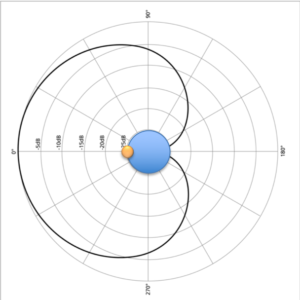
- Cardioid: The most common pattern for voice over work. It picks up sound primarily from the front, with significant rejection from the rear and sides. This directional focus helps isolate the voice and minimize background noise and room reflections.
- Omnidirectional: Picks up sound equally from all directions. This pattern is useful for capturing the natural ambiance of a room or for group recordings, but generally not ideal for solo voice over work where isolation is key.
- Bidirectional (Figure-8): Picks up sound equally from the front and rear, with maximum rejection from the sides. This pattern is often used for interviews with two people facing each other or for specific stereo recording techniques.
- Hypercardioid/Supercardioid: These patterns are tighter than cardioid, offering even greater rejection from the sides but with a small lobe of sensitivity directly at the rear. They require more precise positioning to avoid unwanted sound capture.
For most voice over artists, a cardioid or hypercardioid polar pattern is the most practical choice, providing the necessary focus on the voice.
Understanding Essential Microphone Features: Pads and High-Pass Filters
Two other important features to consider are pads and high-pass filters.
- Pads: These are attenuation switches that reduce the input signal level. While primarily useful for recording extremely loud sound sources like guitar amplifiers, they can also be helpful in preventing distortion if a vocalist is exceptionally loud or if the microphone is placed too close to the sound source. Not all microphones feature pads, and for typical voice over applications, their absence is rarely a deal-breaker.
- High-Pass Filters (HPF): Also known as a low-cut filter, this feature attenuates low-frequency sounds below a certain point (e.g., 80 Hz or 120 Hz). This is invaluable for voice over work as it helps to reduce low-frequency rumble from HVAC systems, traffic noise, or proximity effect (an increase in bass response when a microphone is placed very close to the sound source). Many condenser microphones designed for vocals include an HPF.
The Criticality of Connectors: XLR vs. Jack
The connection method of a microphone is fundamental to its functionality and sound quality.
- XLR Connectors: These are the standard for professional microphones. The 3-pin XLR connector is robust, provides a secure connection, and is essential for microphones that require phantom power. XLR cables are "balanced," meaning they use a differential signaling system that cancels out electromagnetic interference and noise picked up along the cable’s length, resulting in a cleaner audio signal.
- Jack Connectors (1/4" or 1/8"): These are more common in consumer audio equipment and instrument cables. While some microphones (particularly some USB mics) may utilize a jack connector for headphone output or specific purposes, professional vocal microphones almost exclusively use XLR. If a microphone intended for voice over work only offers a jack connection for its primary audio output, it is generally not considered a professional-grade option.
Strategic Selection: What to Consider for Your Voice Over Microphone
The "best" microphone is a subjective assessment, heavily influenced by individual vocal characteristics, the intended genre of voice work, and the recording environment.
- Your Unique Voice: Every voice is different. Some microphones accentuate warmth, others add a touch of brightness. Experimentation or careful research into how a microphone complements different vocal timbres is advisable. For instance, microphones with a slight boost in the high-frequency range can sometimes enhance clarity, but may also exacerbate sibilance (hissing ‘s’ sounds) in certain voices, particularly female voices.
- Type of Voice Work: Are you aiming for audiobook narration, commercial spots, character voices, or animation? Each may benefit from slightly different sonic qualities. For instance, a warm, rich tone might be preferred for audiobooks, while a brighter, more articulate sound could be ideal for commercials.
- Recording Environment: The acoustics of your recording space are paramount. In a well-treated home studio, a sensitive condenser microphone can shine. In a less-than-ideal room, a dynamic microphone or a condenser with a strong cardioid pattern and an effective high-pass filter might be more forgiving.
- Budget: This is often the most significant limiting factor. Fortunately, excellent voice over microphones are available across a wide price range, from budget-friendly USB options to high-end professional studio microphones.
A Spectrum of Sonic Excellence: Recommended Voice Over Microphones
The following list presents a range of microphones, categorized by their approximate price points and renowned for their suitability for voice over work. Prices are indicative and can fluctuate based on retailer and region.
Entry-Level to Mid-Range Excellence (Under $500)
These microphones offer exceptional value and performance for those starting out or working within a defined budget.
-
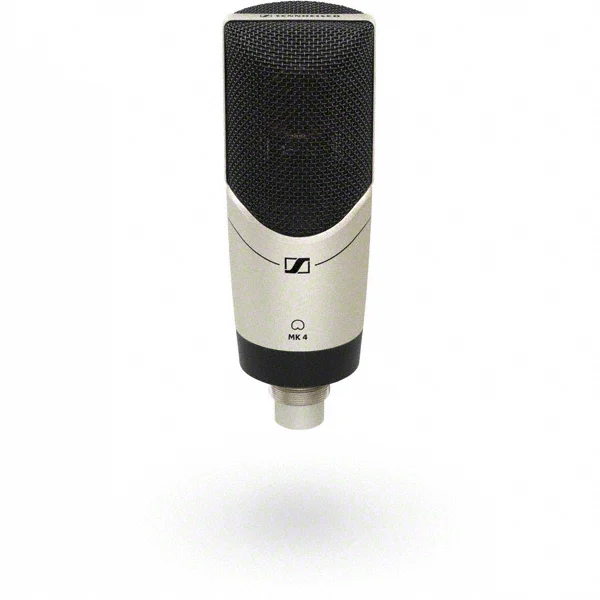
Sennheiser MK4 (~$350/£300): This large-diaphragm condenser microphone is highly recommended for its superb sound quality and robust build. Developed with expertise from Neumann, it offers a warm, clear, and natural sound that complements both male and female voices exceptionally well. Its cardioid-only pattern simplifies use, and its solid construction ensures longevity. It’s a standout in its price category for performance and reliability.
-
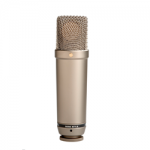
Rode NT1/NT1-A (~$249/£200): The Rode NT1 and its successor, the NT1-A, are perennial favorites for their low self-noise and neutral sound signature. They provide a clean and detailed recording suitable for a wide range of voice over applications. While some seasoned engineers can identify the "Rode sound," for newcomers, it represents a significant step up in quality and affordability, offering excellent value.
-
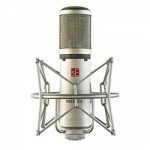
sE Electronics sE2200a II C ($299): This versatile condenser microphone delivers a clear, upfront sound with good presence. It features a switchable high-pass filter and a 10dB pad, offering useful sound-shaping capabilities. Its low self-noise and balanced frequency response make it a strong contender for first-time voice actors seeking a professional-sounding recording.
-
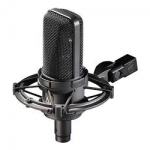
Lewitt LCT 440 Pure (£245): A more recent entrant, the LCT 440 Pure is a large-diaphragm cardioid condenser microphone known for its clear and crisp sound. Its unique design, including an open front and integrated magnetic pop shield, contributes to its sonic clarity. For its price, it offers impressive performance and a modern aesthetic.
-
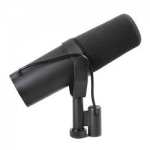
Shure SM7B ($349): While a dynamic microphone, the Shure SM7B has achieved legendary status in broadcasting and voice over work. Its warm, present, and articulate sound is incredibly forgiving of less-than-perfect acoustics. It requires a good amount of clean gain from a preamplifier, making it ideal for use with high-quality audio interfaces or dedicated preamps. Its ruggedness and broadcast heritage make it a workhorse for many professionals.
-
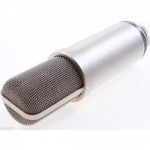
Audio-Technica AT4033 ($399): This cardioid condenser microphone is praised for its excellent transient response and clean output. It features an 80Hz high-pass filter that effectively reduces low-frequency noise and plosives. The AT4033 provides a balanced and detailed sound, making it a reliable choice for various voice over tasks.
-
Blue Yeti Pro ($249.00): For those prioritizing the convenience of USB, the Blue Yeti Pro stands out. It offers a higher recording fidelity than many standard USB mics and includes an XLR output for future expansion. While USB microphones are not typically the first choice for professional studios, the Yeti Pro is a capable option for beginners seeking ease of use and decent sound quality.
Intermediate to Advanced Options (Under $1,000)
Stepping up in price often brings enhanced sonic detail, build quality, and versatility.
-
Rode NTK ($529): This tube condenser microphone offers a warmer, richer sound profile compared to its FET-based counterparts. The inclusion of a vacuum tube in its circuitry imparts a pleasing vintage character that many voice actors find desirable for narration and character work. It’s a robustly built microphone that provides a distinct sonic signature.
-
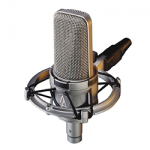
Audio Technica AT4047 ($699): This microphone is designed with a nod to classic FET studio microphone designs, offering a sonic character reminiscent of vintage microphones. Its transformer-coupled output and precision-machined brass housing contribute to its stable performance, wide dynamic range, and low self-noise. It’s a versatile microphone well-suited for demanding voice over applications.
-
Miktek C7 ($899): The C7 is a large-diaphragm FET condenser microphone that excels in delivering a smooth, pleasing sound. Its key advantage is its versatility, offering three selectable polar patterns (cardioid, omnidirectional, and bidirectional). This makes it suitable for a wider range of recording scenarios, including interviews and dual-source recordings, in addition to solo voice over work.
-
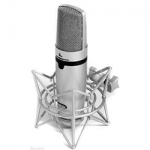
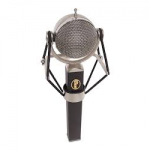
Blue Dragonfly ($Price Varies): While Blue Microphones are often associated with USB models, the Dragonfly is a high-quality analog condenser microphone. It aims to capture a "sweet" sound reminiscent of vintage Neumann and AKG microphones. Its unique capsule design allows for flexible positioning, offering a wide array of sonic possibilities for the discerning voice artist.
-
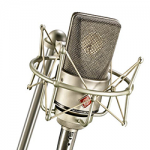
Neumann TLM 103 ($1,099): Although not originally designed specifically for voice work, the TLM 103 has become a de facto standard in many home and professional studios for voice applications. Its transformerless circuit design ensures extremely low self-noise and a wide dynamic range. Its cardioid capsule is meticulously tuned for acoustic balance. A common observation is a slight lift in its high-frequency response, which can sometimes lead to pronounced sibilance in higher female voices, requiring careful EQ or mic placement.
-
AKG C414 ($1,100): The AKG C414 is a legendary studio workhorse, renowned for its exceptional quality and versatility. It features multiple switchable polar patterns, a pad, and a high-pass filter, making it adaptable to virtually any recording situation. Its flat frequency response ensures an accurate and natural reproduction of the voice, making it a top choice for professional voice artists.
The Pinnacle of Professional Quality (Above $1,000)
These microphones represent the zenith of audio engineering, offering unparalleled performance and often serving as industry benchmarks.
-
Neumann U87 ($3,180/£2,500): Widely considered the benchmark for vocal recording, the Neumann U87 is an iconic large-diaphragm condenser microphone. It offers switchable polar patterns, a pad, and an exceptionally flat frequency response, delivering a pristine and versatile sound. Its build quality is unparalleled, and its reputation as a studio standard is well-earned. While a significant investment, it is an instrument that can last a lifetime and provide exceptional results for all types of voice work. For those seeking similar sonic characteristics at a fraction of the cost, the Sennheiser MK4 is often cited as a remarkable alternative.
-
Sennheiser MKH 416 (Circa $700/£550): This hypercardioid shotgun microphone is ubiquitous in film, television, and broadcast. While its primary design is for rejecting off-axis sound and capturing distant audio, when used up close for voice over, it delivers a remarkably punchy, present, and commercial-ready sound. Its rugged construction makes it an ideal travel microphone. Many professionals use a 416 alongside a large-diaphragm condenser to cover a broader range of recording needs. The hypercardioid pattern requires careful positioning to ensure optimal sound capture.
Summary and Strategic Decision-Making
The selection of the best microphone for voice over work is an investment in one’s professional future. The journey begins with a clear understanding of your budget, followed by an assessment of your vocal characteristics and the type of work you aim to pursue. The microphones listed above represent a consensus of industry professionals, offering a range of sonic profiles and features to suit diverse needs and financial capacities.
For those beginning their voice acting journey, a well-chosen entry-level or mid-range microphone like the Sennheiser MK4 or Rode NT1 can provide excellent results without breaking the bank. As a career progresses and earnings increase, investing in higher-tier microphones such as the Neumann TLM 103, AKG C414, or even the legendary Neumann U87, can further elevate the quality and professionalism of one’s recordings.
It is also important to remember that a microphone is only one component of a recording chain. The acoustics of your recording space, the quality of your audio interface, and your microphone technique all play significant roles in the final output. Therefore, a holistic approach to building your home recording studio is recommended. For those seeking further guidance on setting up a professional home studio and mastering the art of voice recording, comprehensive resources such as dedicated courses and workshops can provide invaluable insights and accelerate your learning curve. Ultimately, the right microphone, combined with a well-equipped studio and honed skills, will pave the way for a successful and fulfilling career in voice over.
