


The pervasive issue of mouth clicks, often referred to as "clicky mouth" or "mouth noise" within the voiceover industry, presents a significant challenge for professionals seeking to deliver pristine audio. While many may dismiss these subtle sounds as an unavoidable aspect of human speech, akin to an immutable physical characteristic, industry experts assert that this perspective is largely inaccurate. The vast majority of instances of problematic mouth clicks are not due to physiological abnormalities but rather stem from a lack of proper technique and awareness during the recording process. Although post-production editing can mitigate these clicks, this is a time-consuming and often costly endeavor, prompting a critical need for preventative measures at the source. This article delves into the multifaceted nature of mouth clicks, their impact on professional voiceover work, and actionable strategies for their elimination.
Defining and Understanding Mouth Clicks
Mouth clicks are characterized by distinct popping or clicking sounds that can occur during, preceding, or following spoken words. These noises are a natural byproduct of the interaction between the tongue, teeth, and saliva during speech. In everyday conversation, these sounds are typically imperceptible to the human ear, which possesses an innate ability to filter out such minor auditory distractions. However, the recording environment, coupled with post-production processes, amplifies these subtle noises, rendering them highly noticeable and detrimental to the final product.
The implications of persistent mouth clicks for voiceover artists are profound. Beyond being an aesthetic flaw, they can significantly hinder career progression. Clients and casting directors often view excessive mouth noise as a sign of unprofessionalism or a lack of technical proficiency. This can lead to missed audition opportunities and, more critically, prevent artists from being re-hired for subsequent projects. The economic impact is substantial; in some cases, the cost of editing out extensive mouth clicks from a recording can exceed the expense of re-recording the entire session with a different artist. This underscores the critical importance of addressing the root causes of this issue.

The Role of Hydration in Saliva Production and Mouth Noise
A primary contributing factor to the prevalence of mouth clicks is dehydration. When the body is not adequately hydrated, the production of saliva diminishes, leading to a drier and stickier mouth. This altered saliva consistency increases the likelihood of the tongue adhering to the palate or teeth, resulting in audible clicks. This phenomenon is exacerbated by certain lifestyle choices. Smokers, for instance, often experience increased mouth dryness due to the dehydrating effects of tobacco. Similarly, excessive consumption of caffeine, found in coffee and many teas, acts as a diuretic, prompting the body to lose water more rapidly.
Ironically, an excess of water in the mouth can also contribute to mouth clicks. Voiceover artists who are acutely aware of potential dehydration may overcompensate by consuming large quantities of water in a short period. While this may seem counterintuitive, a mouth brimming with water can still lead to clicking sounds as the tongue moves and interacts with the oral cavity. This highlights a delicate balance in hydration, where both deficiency and overabundance can be problematic.
The Amplification Effect of Recording and Post-Production
The natural occurrence of mouth clicks is significantly amplified by the technical processes involved in voiceover recording and post-production. When audio is captured, the recording equipment and software are designed to pick up even the most minute sounds. Following the initial recording, the audio signal is typically subjected to compression. Compression is a dynamic range processing technique that reduces the difference between the loudest and quietest parts of the audio signal. In essence, it “squashes” the waveform, bringing the louder elements closer in volume to the quieter ones.
This process has a critical indirect effect on mouth clicks. While the clicks themselves may not increase in absolute volume, their relative volume increases significantly compared to the surrounding speech. After compression, the overall audio level is often boosted through normalization or a simple volume increase to restore it to a perceived normal listening level. This subsequent increase in volume elevates the compressed audio, including the now relatively louder mouth clicks, to a much more audible and intrusive level than they were in the original, uncompressed recording. This amplification loop means that even a few minor clicks during the recording phase can become a significant auditory issue in the final product.

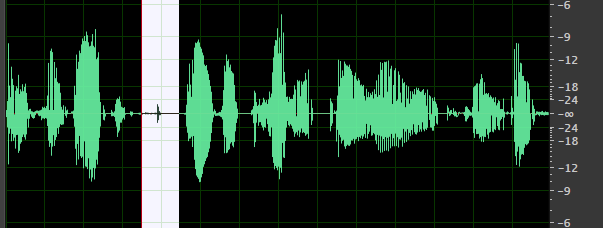
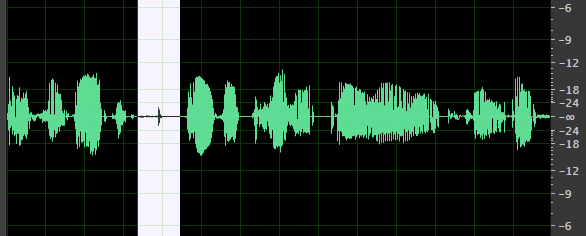
Visualizing this process through waveform analysis demonstrates the impact. An uncompressed waveform shows the click as a distinct peak, but it is relatively small compared to the overall speech signal. After compression, the entire waveform is reduced in dynamic range. When the signal is then normalized, the previously small click peak now stands out much more prominently against the now more consistent audio level. This technical reality underscores why addressing mouth clicks at their origin—during the recording—is far more effective than attempting to surgically remove them later.
Strategies for Eradicating Mouth Clicks at the Source
Understanding the mechanisms behind mouth clicks empowers voiceover artists to implement strategies that minimize their occurrence. The core principle is to prevent the conditions that lead to excessive clicking in the first place.
Step 1: Proactive Hydration
The cornerstone of preventing mouth clicks is consistent and adequate hydration. This is not a last-minute endeavor. Experts recommend initiating hydration at least two hours before a recording session. The body requires time to effectively absorb and distribute water throughout its systems, including the salivary glands. Downing large volumes of water immediately before a session is often ineffective, as the body may not have sufficient time to process it, leading to overhydration in the mouth and potential clicks, while still being dehydrated systemically.
It is crucial to emphasize that “hydration” in this context specifically refers to pure water. Beverages containing caffeine, alcohol, or high sugar content, such as coffee, tea, sodas, and even some dairy products, act as diuretics or can otherwise contribute to dehydration. These should be avoided in the hours leading up to and during recording sessions. For early morning sessions, starting the hydration process the night before is essential, as the body naturally loses water during sleep.
Step 2: Optimizing Microphone Placement and Vocal Projection
The distance between the voiceover artist and the microphone, coupled with the volume of vocal projection, plays a critical role in managing mouth noise. If an artist is positioned very close to the microphone and speaking softly, the recording level (input gain) must be increased to capture the speech adequately. This amplified input gain also boosts any background noise and, crucially, the mouth clicks. Conversely, maintaining a greater distance from the microphone (typically 7-8 inches, rather than the common 3-inch proximity) and projecting the voice with slightly more volume than normal conversational speech allows for a lower input gain. This results in a cleaner recording where the dialogue is prominent, and mouth clicks are comparatively less noticeable.
This principle is particularly relevant for certain commercial voiceover styles that employ a close-mic, bass-proximity effect. While this technique can yield a rich, intimate sound, it inherently increases the likelihood of mouth clicks. Artists employing such techniques must be prepared for more extensive post-production editing or adopt a strategy of increased distance and controlled projection if click reduction is paramount.
Step 3: Consistent Sipping During Sessions
Even with proper pre-session hydration, the act of speaking for extended periods can lead to dehydration within the vocal booth. The continuous use of vocal cords, coupled with the dry, often air-conditioned studio environment, can deplete the mouth’s moisture. Therefore, it is imperative for voiceover artists to maintain hydration during the recording session.
Professionals recommend a consistent sipping of water every 10-15 lines of dialogue. While this may necessitate more frequent breaks for rest stops, it is a vital practice for maintaining vocal health and preventing the onset of clicky mouth. This consistent intake of water helps to replenish saliva production and keep the oral cavity lubricated, mitigating the stickiness that leads to clicks. A voiceover artist arriving at a session with a water bottle is often seen as a hallmark of professionalism and preparedness.
Step 4: Re-evaluating Common Myths
The efficacy of certain popular remedies for mouth clicks, such as consuming green apples or other acidic foods, is often overstated. While citric acid can temporarily cleanse the mouth and reduce dryness, its effects are fleeting and do not address the underlying issues of hydration and technique. Relying on such quick fixes can distract from the fundamental strategies that yield lasting results. The persistent focus on proactive hydration, optimal mic placement, and consistent sipping during sessions offers a far more reliable and sustainable solution.
In conclusion, while mouth clicks are a natural phenomenon, their amplification in professional voiceover recordings is largely preventable. By understanding the interplay of dehydration, saliva consistency, and the technical aspects of audio recording and post-production, voiceover artists can adopt a proactive approach. This involves meticulous preparation through consistent hydration, strategic microphone technique, and diligent maintenance of moisture levels during sessions. Embracing these practices not only leads to cleaner, more professional recordings but also contributes to the long-term health and sustainability of a voiceover career. The persistent problem of mouth clicks is not an insurmountable physiological barrier but a solvable technical and behavioral challenge.
