


Father’s Day, observed annually on the third Sunday of June, provides a poignant opportunity for families to express gratitude and acknowledge the pivotal role fathers play in their lives. This year, like many before, saw widespread celebrations, from backyard barbecues to heartfelt gifts. However, for a significant portion of the population, Father’s Day is not a simple occasion of joy but a complex reminder of absence, pain, or strained relationships. The very concept of "father" can evoke difficult emotions for individuals whose experiences with their earthly fathers were marked by neglect, abuse, abandonment, or profound emotional distance. This somber reality underscores a fundamental truth often overlooked: fathers matter, and their impact on individuals and society is far more substantial than commonly acknowledged.
The Undeniable Impact of Fatherhood
The absence of a father figure has been consistently linked to a range of challenges for children. Research indicates that boys without involved fathers are more prone to engaging in antisocial behaviors, while girls may experience greater difficulties with self-esteem and mental health. A 2019 study published in the Journal of Family Psychology found that father involvement in early childhood was a significant predictor of adolescent academic success and reduced behavioral problems, even when controlling for maternal involvement and socioeconomic status. This data reinforces the notion that regardless of whether a father is physically present or emotionally detached, encouraging or critical, his influence is an indelible mark on a child’s development.
Brian Ahearn, Chief Influence Officer at Influence PEOPLE and a faculty member at the Cialdini Institute, emphasizes this profound, often subconscious, shaping force. Drawing on decades of experience studying the science of influence, Ahearn notes that influence is not solely a professional construct confined to boardrooms or negotiations. Instead, its roots are deeply embedded in the home environment, with parents serving as the initial and most impactful influencers in a child’s life. Fathers, in particular, play a unique role in molding a child’s self-perception, their understanding of interpersonal relationships, and their broader worldview.
A Personal Journey of Intentional Parenting
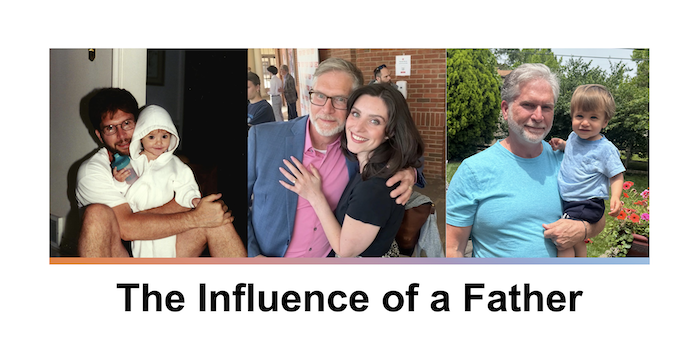
Ahearn’s own journey as a parent provides a practical illustration of this principle. For over 17 years, he has authored a blog that, in its early stages, extensively featured parenting advice. This focus stemmed from a deliberate effort to be intentional in raising his daughter, Abigail. Reflecting on his own upbringing, Ahearn and his wife, Jane, aimed to build upon the positive aspects of their parental experiences while consciously mitigating potential pitfalls. This introspective approach, he believes, is a crucial pathway to societal betterment, fostering positive change one child, one family, and one generation at a time.
The results of this intentional parenting are evident in Abigail’s life. Now 30 years old, she is, by her father’s assessment, a more well-adjusted individual than he was at the same age. This outcome, Ahearn stresses, is not a matter of chance but a testament to consistent, mindful engagement. Children are perpetual learners, absorbing lessons from every interaction. They observe how their fathers navigate adversity, the tone and content of their communication with others, and the congruence between their words and actions.
Consistency: The Cornerstone of Parental Credibility
Ahearn draws a parallel between Robert Cialdini’s principle of consistency and the daily practice of parenting. Children are acutely aware of their parents’ adherence to stated values. When a father’s actions align with his teachings, he builds a foundation of credibility. Conversely, discrepancies between pronouncements and behaviors are readily observed, teaching children an early and vital lesson: genuine influence is rooted in consistency. This principle extends beyond mere behavioral imitation; it shapes a child’s understanding of integrity and trustworthiness.
The Evolving Role: From Father to Grandfather
The influence of fathers continues to evolve across generations. Ahearn now experiences parenting from the perspective of a grandfather to 15-month-old Emmett. His proximity to his daughter and her family allows for frequent, extended engagement with his grandson. Witnessing Emmett’s development reinforces Ahearn’s conviction about the profound impact adults have on children’s lives. Each smile, word of encouragement, and moment of attentive presence contributes to a child’s development. Conversely, missed opportunities for connection can represent significant losses.
A Message to Fathers: Never Underestimate Your Influence
This evolving perspective culminates in a powerful message directed at fathers: "Never underestimate your influence." Children are constantly observing and absorbing, even when it appears they are not. A father’s presence, his words, his example, and most importantly, his love, all leave an enduring imprint. Perfection is not the benchmark; intentionality is. Whether consciously recognized or not, fathers are actively shaping memories, beliefs, and habits that can span a lifetime. The crucial question is not if a father will influence his children, but rather what kind of influence he will exert. This responsibility, while immense, is also an unparalleled opportunity to foster positive, lasting legacies.
The Societal Context of Fatherhood
The societal discourse surrounding fatherhood has undergone significant shifts over the decades. While traditional notions often emphasized a father’s role as the primary breadwinner, contemporary understanding recognizes a broader spectrum of involvement. This includes emotional support, active participation in childcare, and the modeling of healthy relationships. The challenges faced by single-parent households, often headed by mothers, have also brought the importance of father figures, whether biological or surrogate, into sharper focus. Organizations dedicated to supporting fathers, such as the National Fatherhood Initiative, highlight statistics that correlate positive father involvement with improved educational outcomes, reduced rates of juvenile delinquency, and enhanced emotional well-being for children. For instance, data from the U.S. Department of Health and Human Services has indicated that children with involved fathers are more likely to have higher academic achievement and fewer behavioral problems.
Addressing the Complexities of Fatherhood
The complexities associated with Father’s Day are not merely anecdotal. They reflect broader societal issues of family structure, personal histories, and the impact of trauma. The phrase "earthly father" itself hints at the spiritual and psychological parallels drawn between human parental figures and the concept of a divine father. When the earthly experience is fraught with difficulty, the metaphor can become a source of pain rather than comfort. This underscores the need for empathy and understanding when approaching discussions about family and parenthood. Support systems and therapeutic interventions play a crucial role in helping individuals navigate these complex emotional landscapes, allowing for healing and the potential for establishing healthier relational patterns.
The Science of Influence: A Framework for Understanding Impact
Brian Ahearn’s expertise in the science of influence, particularly through the Cialdini Method, offers a valuable framework for understanding the mechanisms by which fathers impact their children. Principles such as reciprocity, commitment and consistency, social proof, authority, liking, and scarcity, while often discussed in business and marketing contexts, are inherently present in family dynamics. A father’s consistent actions (commitment and consistency) build trust. The positive behaviors he models (social proof) can guide his children’s own actions. His role as a protector and guide (authority) shapes their perception of responsibility. The warmth and affection he shows (liking) fosters strong bonds. Understanding these principles can empower fathers to be more deliberate and effective in their interactions.
A Legacy of Love and Guidance
As the world continues to evolve, the fundamental importance of fathers remains a constant. Their role extends beyond providing material necessities to nurturing emotional resilience, instilling values, and offering a stable presence in a child’s life. The legacy of a father is not measured solely by grand gestures, but by the cumulative effect of everyday interactions, the quiet moments of support, and the unwavering expression of love. Father’s Day serves as a reminder to appreciate these contributions, to acknowledge the challenges, and to champion the profound, often unseen, influence that fathers wield in shaping the future. The ongoing dialogue around fatherhood, informed by research, personal experience, and the science of human interaction, is essential for fostering stronger families and, by extension, a healthier society.
