


Father’s Day, observed annually on the third Sunday of June, is a time dedicated to honoring the paternal figures in our lives. While for many this occasion is a straightforward celebration of love and appreciation, the reality for some is far more complex. The concept of "father" can evoke painful memories for individuals whose experiences with their earthly fathers were marred by absence, neglect, abuse, or emotional distance. This intricate emotional landscape underscores a fundamental truth: the role of fathers is profoundly significant, often far exceeding societal recognition.
The Silent Impact of Paternal Absence
The absence of a father figure, whether due to death, divorce, or estrangement, has been a subject of extensive research, consistently revealing detrimental effects on child development. Studies have indicated that children from fatherless homes are more prone to a range of challenges. Boys, in particular, have shown higher rates of engaging in antisocial behaviors, including delinquency and aggression, according to research published in journals like the Journal of Marriage and Family. For girls, the ramifications often manifest as greater struggles with self-esteem, increased susceptibility to mental health issues such as depression and anxiety, and difficulties forming healthy romantic relationships later in life, as documented by organizations like the National Fatherhood Initiative.
The impact is not limited to negative outcomes. A father’s engagement, or lack thereof, leaves an indelible mark. Whether present and actively involved, emotionally detached, consistently encouraging, or perpetually critical, a father’s influence is a constant, shaping a child’s perception of themselves, their relationships, and their place in the world. This pervasive influence, whether positive or negative, is an unavoidable aspect of the human experience.
The Science of Influence: From Home to the World
Understanding influence as a fundamental aspect of human interaction is a field Brian Ahearn, Chief Influence Officer at Influence PEOPLE and a faculty member at the Cialdini Institute, has dedicated decades to studying. While often associated with professional contexts like sales, leadership, and negotiation, the roots of influence are deeply embedded in the domestic sphere. Parents, and fathers in particular, are among the very first and most impactful influencers in a child’s life. Their actions, words, and attitudes lay the groundwork for how children perceive themselves and interact with the wider world.
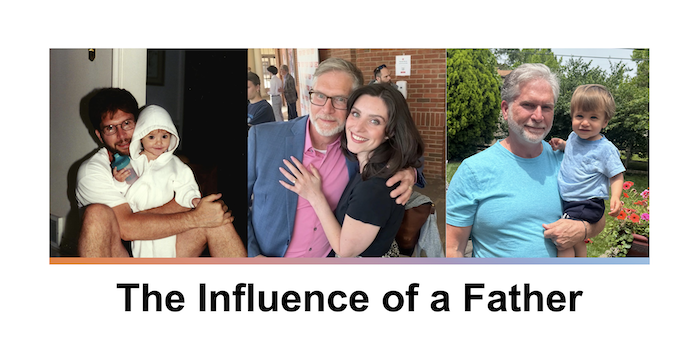
Ahearn himself exemplifies this understanding through his personal journey as a parent. For over 17 years, he has maintained a blog that often delved into parenting advice, a reflection of his intentional approach to raising his daughter, Abigail. "When I started writing this blog," Ahearn reflects, "my daughter Abigail was just 13 years old. Many of those early articles focused on parenting because Jane and I were intentional about how we raised her." This deliberate approach stemmed from a desire to build upon the positive aspects of their own upbringings while consciously mitigating perceived mistakes. This, he posits, is a fundamental way individuals contribute to making the world a better place, generation by generation.
The Legacy of Parental Modeling
The long-term outcomes of intentional parenting are observable. Abigail, now 30, is described by Ahearn as a "better person at 30 than I was at 30." This sentiment, shared by his wife Jane regarding herself, is not attributed to chance but to a consistent, mindful approach to parenting. Children are innate observers, absorbing lessons from every facet of their environment. They witness how adversity is handled, listen to the tone and content of conversations with others, and critically, they assess whether a parent’s actions align with their spoken values.
This phenomenon closely mirrors Robert Cialdini’s principle of consistency in persuasion. Children, even before fully grasping abstract concepts of influence, recognize and internalize the importance of congruence between words and deeds. When parents consistently model the values they espouse, they build credibility and foster trust. Conversely, inconsistencies between declared principles and observable behavior can erode this trust and establish a less impactful, or even detrimental, model of conduct. The learning that occurs within the home environment is therefore a foundational lesson in ethical and effective influence.
The Evolving Role: From Father to Grandfather
Ahearn’s perspective on influence has further deepened with his experience as a grandfather. His grandson, Emmett, now 15 months old, provides a unique vantage point on the profound impact adults have on young lives. With Emmett living a mere ten minutes away, Ahearn and his wife spend significant time with him, witnessing firsthand the continuous learning and development that occurs. Every interaction, from a shared smile to a word of encouragement, plays a role in shaping the child’s burgeoning understanding of the world and his own capabilities.
This realization amplifies the message that opportunities for positive influence are ever-present, as are the potential consequences of missed moments. The core message Ahearn wishes to impart to fathers is unequivocal: "Never underestimate your influence." Children are perpetually observing, absorbing, and learning, even when it may not appear so. A father’s presence, his words, his example, and most crucially, his love, are all powerful forces that shape a child’s trajectory.
Intentionality Over Perfection
The aspiration to be a perfect father is, as Ahearn acknowledges, an unattainable ideal. No parent is without flaws. However, the pursuit of intentionality offers a tangible path to maximizing positive influence. By being mindful of their actions and their impact, fathers can actively shape memories, beliefs, and habits that will resonate throughout their children’s lives. The question is not whether a father will influence his children—that is an inevitability. The critical question lies in the quality and nature of that influence.
Broader Societal Implications
The ongoing discourse surrounding Father’s Day and the evolving understanding of fatherhood extends beyond individual families. It touches upon broader societal structures and support systems. Organizations like the U.S. Census Bureau have reported on the increasing number of single-father households and the challenges they face, highlighting the need for comprehensive support services, including accessible childcare, parental leave policies, and community programs that foster positive male engagement in child-rearing.
Economically, studies by institutions such as the National Bureau of Economic Research have explored the correlation between paternal involvement and children’s future educational attainment and earning potential. The implication is clear: investing in strong fatherhood is not merely a social imperative but also an economic one, contributing to a more stable and prosperous society.
Looking Ahead: Fostering Positive Fatherhood
As society continues to grapple with the complexities of family structures and the multifaceted roles of parents, the emphasis on the profound and lasting influence of fathers remains paramount. Initiatives aimed at promoting healthy father-child relationships, providing resources for fathers facing challenges, and celebrating the positive contributions of paternal figures are crucial. These efforts not only enrich the lives of individual children and families but also contribute to the overall well-being and resilience of communities. The legacy of fatherhood is not just etched in the memories of individual children but is woven into the fabric of society itself, shaping generations to come.
