

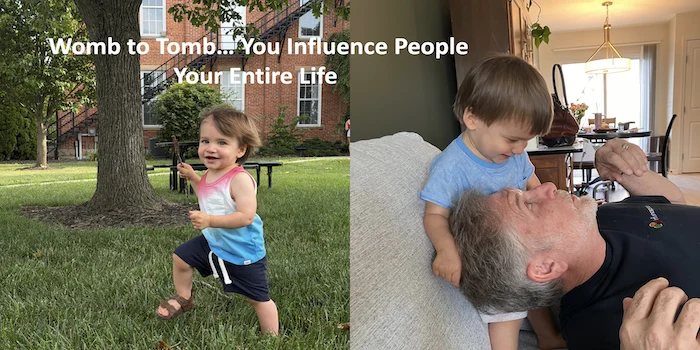
The fundamental nature of human interaction is built upon the art of influence, a skill that permeates every stage of life, from the earliest moments of infancy to the twilight years. This pervasive influence is not confined to specific professions or personalities; rather, it is an inherent part of the human experience, shaping our relationships, our professional endeavors, and our personal happiness. Brian Ahearn, a leading expert in the science of ethical influence and Chief Influence Officer at Influence PEOPLE, emphasizes this universal truth, asserting that influence is a continuous thread woven through the fabric of our existence.
Ahearn frequently illustrates this point by referencing research cited by Dan Pink in his seminal work, To Sell Is Human. Pink’s findings reveal that the average American worker dedicates approximately 40% of their workday to activities involving persuasion, conviction, or influence, even in roles that do not directly involve sales. For individuals in sales professions, this figure is considerably higher, underscoring the pervasive nature of influence in the modern workplace. This data highlights that influence is not an ancillary skill but a core competency for a vast majority of the workforce.
The Genesis of Influence: Infancy and Early Communication
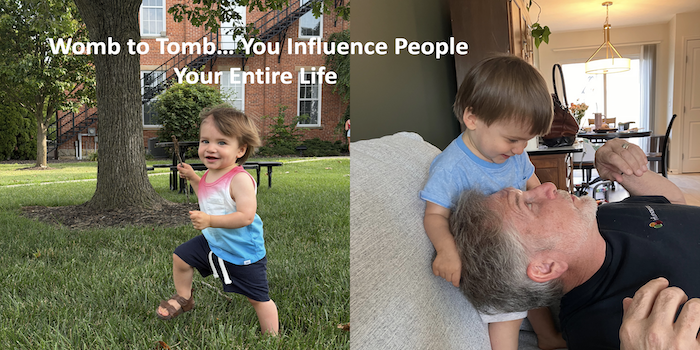
The most profound and earliest demonstrations of influence are often observed in infants. Ahearn’s own grandson, Emmett, born on March 14, 2025, provides a compelling case study. Despite lacking the verbal capacity to articulate his needs, Emmett effectively influenced his caregivers through his actions. His cries served as a direct communication tool, signaling hunger, discomfort, or a desire for closeness. Parents, grandparents, and other family members were compelled to interpret these cues and respond accordingly, demonstrating a fundamental form of influence: altering the thoughts, feelings, and, crucially, the behaviors of those around him.
As Emmett matured, his capacity for communication expanded, further refining his ability to influence. His mother, Abigail, an American Sign Language major, introduced him to basic signs. This early intervention provided Emmett with a new channel for expressing his needs and desires. When asked if he wanted "more" or needed "help," his ability to use sign language allowed him to communicate these specific requirements. This not only facilitated his needs being met more efficiently but also reduced frustration for both Emmett and his caregivers, illustrating the power of clear, purposeful communication in achieving desired outcomes. The ease with which a child can communicate their needs, even through rudimentary means, significantly impacts the dynamics of caregiving and family interactions.
Influence as Purposeful Communication
Ahearn distinguishes influence from manipulation, defining it as "communication with purpose." It is the process of enabling others to understand our needs, values, or beliefs, thereby empowering them to make informed decisions. This understanding is critical for fostering productive relationships and achieving collaborative goals. The distinction is vital: manipulation seeks to exploit or coerce, whereas ethical influence aims for mutual understanding and benefit.
This principle extends beyond the confines of childhood. Ahearn recounts the experience of Jane’s father, who passed away shortly before his 99th birthday. Despite his physical frailty and diminishing ability to speak, he continued to exert influence through his expressions, gestures, and the palpable love he shared with his family. This poignant example underscores that influence is not solely dependent on verbal articulation but can manifest through presence, emotional connection, and the enduring impact of one’s character.
The Indispensable Role of "Yes" in Professional and Personal Success
The ultimate goal of influence, Ahearn posits, often hinges on eliciting a "yes." He poses a fundamental question to his audiences: "Wouldn’t you agree; much of your professional success and personal happiness depends on hearing ‘yes’?" This rhetorical inquiry highlights the universal desire for agreement and positive affirmation, whether in business negotiations, team leadership, customer service, or personal relationships. The ability to navigate interactions in a way that leads to favorable outcomes is intrinsically linked to one’s proficiency in influence.
The implications of this are far-reaching. In a professional context, consistently securing "yes" can translate to increased sales, successful project completions, enhanced team cohesion, and stronger client relationships. On a personal level, it can foster deeper connections, resolve conflicts amicably, and cultivate a more harmonious home environment. The foundational understanding of how to ethically guide others towards agreement is therefore a critical determinant of overall life satisfaction and achievement.
Data-Driven Insights into Workplace Influence
Research further solidifies the importance of influence in the professional sphere. Beyond Dan Pink’s findings, studies in organizational psychology and communication consistently demonstrate a correlation between effective influence skills and career advancement. For instance, a 2022 report by the Society for Human Resource Management (SHRM) identified "communication and interpersonal skills" as critical competencies for employee success, with influence being a key component of this umbrella. The report highlighted that employees who can articulate their ideas persuasively and build consensus are more likely to be promoted and take on leadership roles.
Further analysis of LinkedIn data from 2023 indicated that job postings requiring "persuasion" or "influence" as a core skill have increased by an average of 15% year-over-year across various industries, including technology, healthcare, and finance. This trend suggests a growing recognition by employers of the strategic value of individuals who can effectively navigate complex interpersonal dynamics and drive desired actions.
The Ethical Imperative: Influence for Mutual Benefit
Crucially, Ahearn emphasizes that ethical influence is not about achieving personal gain at the expense of others. Instead, it is rooted in a deep understanding of human psychology and a commitment to creating outcomes that benefit all parties involved. This approach fosters trust, strengthens relationships, and builds sustainable success. It involves active listening, empathy, and a genuine desire to find common ground.
The principles of ethical influence, as advocated by Robert Cialdini, Ph.D., the renowned social psychologist and author of Influence: The Psychology of Persuasion, form the bedrock of Ahearn’s work. Cialdini’s research identifies six universal principles of influence: reciprocity, commitment and consistency, social proof, liking, authority, and scarcity. Understanding and applying these principles ethically allows individuals to persuade more effectively without resorting to manipulation. For example, the principle of reciprocity suggests that people are more likely to agree to a request if they feel indebted to the requester. An ethical application would involve offering genuine value or assistance before making a request, thereby fostering goodwill.
A Timeline of Influence: From Birth to the End of Life
The journey of influence can be traced through a chronological progression:
- Infancy (0-2 years): Non-verbal communication (crying, gestures) to signal needs and elicit care.
- Early Childhood (2-6 years): Development of rudimentary language, the ability to ask for things, and early forms of negotiation.
- Childhood and Adolescence (6-18 years): Growing verbal skills, social interaction, peer influence, and the beginnings of understanding persuasive tactics.
- Adulthood (18+ years): Influence becomes a critical component of professional life, personal relationships, and civic engagement. This includes negotiation, leadership, sales, and everyday social interactions.
- Later Life: Influence continues through wisdom, experience, and the impact of one’s character and relationships, even when physical and verbal capabilities diminish.
This timeline demonstrates that influence is not a static skill acquired at a particular point but a continuously evolving capacity that adapts to our developmental stages and life circumstances.
Broader Implications and Future Directions
The pervasive nature of influence has significant implications for various sectors. In education, teaching students about ethical influence can equip them with essential life skills for navigating social and academic challenges. In healthcare, understanding patient influence can lead to more effective communication and adherence to treatment plans. In the political arena, the principles of influence are central to campaigning and policy-making, highlighting the need for transparency and ethical considerations.
The growing body of research on behavioral economics and social psychology continues to shed light on the nuances of influence. As technology advances, new platforms and methods for influence emerge, necessitating ongoing exploration of ethical boundaries and best practices. The ability to ethically influence others is not merely a desirable trait but an essential competency for thriving in an increasingly interconnected and complex world.
Conclusion: Mastering the Art of Ethical Influence
Brian Ahearn’s mission, through his books, LinkedIn Learning courses, articles, keynote presentations, and workshops, is to empower individuals and organizations to harness the power of ethical influence. His work with Influence PEOPLE and his affiliation with the Cialdini Institute underscore a commitment to disseminating evidence-based strategies for positive persuasion.
For organizations seeking to enhance their effectiveness, foster stronger relationships, and achieve greater success, understanding and implementing ethical influence is paramount. As Ahearn concludes, the question is not whether influence is present, but how it is being wielded. By mastering this ubiquitous skill, individuals and organizations can unlock greater potential, build more meaningful connections, and ultimately, hear "yes" more often, in ways that benefit everyone involved. The journey of influence, from the first cry of a newborn to the final days of life, is a testament to its enduring and fundamental role in the human experience.
