

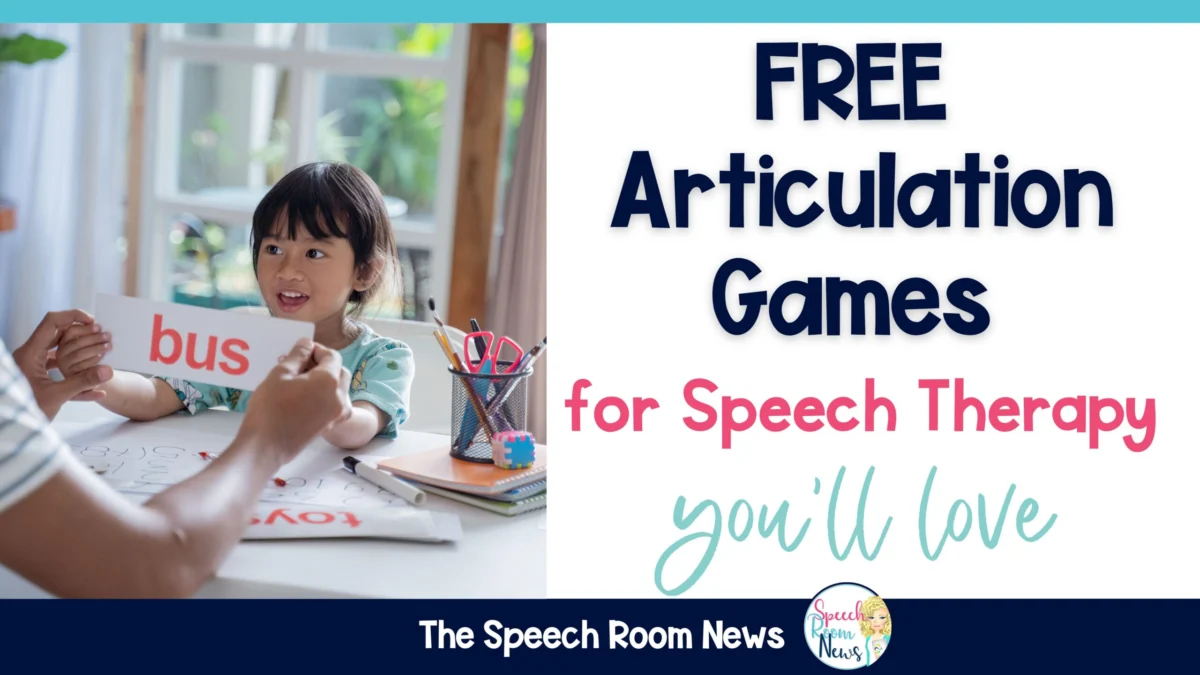
The integration of play into therapeutic interventions has emerged as a cornerstone of effective speech-language pathology, profoundly enhancing patient engagement and fostering a more memorable learning experience. Beyond the immediate benefit of increased participation, play-based activities offer invaluable opportunities to generalize newly acquired language and articulation skills into diverse, real-world contexts. This approach is particularly critical in articulation therapy, where repetitive practice can sometimes lead to disengagement among younger learners. The inherent appeal of games transforms potentially tedious drills into enjoyable interactions, making them a perennial favorite among students working on refining their speech sounds. As speech therapy evolves, adapting to virtual, in-person, and hybrid delivery models, the demand for accessible, high-quality, and, crucially, cost-free resources has never been greater. This article delves into a curated selection of free articulation games, encompassing interactive online platforms, printable materials, and no-materials-needed activities, designed to sustain engagement and facilitate progress without imposing financial burdens on therapists or families.
The Foundational Role of Play in Speech Development
Articulation therapy addresses speech sound disorders, which involve difficulties producing specific sounds correctly. These disorders can manifest as substitutions (e.g., "wabbit" for "rabbit"), omissions (e.g., "at" for "cat"), distortions, or additions. According to the American Speech-Language-Hearing Association (ASHA), speech sound disorders affect a significant percentage of young children, with prevalence rates varying by age and severity, underscoring the widespread need for effective interventions. Traditional articulation therapy often involves repetitive drills and structured exercises, which, while effective, can sometimes struggle to maintain a child’s attention and motivation over extended periods. This is where play-based learning intervenes as a transformative strategy.
Neuroscientific research indicates that play activates the brain’s reward system, releasing neurotransmitters like dopamine that enhance learning, memory, and motivation. For children, play is their primary mode of exploring the world, understanding social cues, and developing cognitive and motor skills. When integrated into therapy, play-based methods leverage these natural learning mechanisms, making the acquisition of complex motor planning for speech sounds feel less like work and more like an enjoyable challenge. Moreover, the unstructured or semi-structured nature of games allows for natural communication breakdowns and repairs, providing organic opportunities for therapists to model correct productions and prompt self-correction in a low-stress environment. The ability to generalize skills—applying what is learned in the therapy room to everyday conversations—is a critical benchmark of successful therapy, and play-based activities inherently support this by simulating real-life communicative scenarios.
The Evolution of Therapeutic Tools: From Clinic to Cloud
Historically, speech therapy relied heavily on physical flashcards, mirrors, and repetitive verbal drills conducted in a dedicated clinic setting. While these methods remain valuable, the turn of the millennium and the rapid advancement of digital technology have ushered in a new era of therapeutic resources. The COVID-19 pandemic, in particular, accelerated the adoption of telepractice and highlighted the urgent need for engaging, adaptable tools that could transcend geographical barriers and clinic walls. This shift has led to an explosion in the development of digital games, apps, and printable materials, many of which are offered for free by dedicated Speech-Language Pathologists (SLPs) and educational platforms committed to accessibility.

The proliferation of online communities and resource-sharing platforms, such as Teachers Pay Teachers, has empowered SLPs to share their innovative, self-created materials, fostering a collaborative ecosystem that benefits the entire profession and, most importantly, the children they serve. The emphasis on "free" resources is not merely about cost-saving; it is about democratizing access to high-quality therapy support, ensuring that budget constraints do not impede a child’s progress, whether they are in a school setting, a private clinic, or at home.
Interactive Online Games: Bridging Engagement and Efficacy
The digital realm has revolutionized how articulation skills can be practiced, transforming mundane exercises into dynamic, interactive experiences. Online games offer immediate feedback, captivating visuals, and sound effects that keep students immersed. These resources are particularly valuable for virtual therapy sessions or for supplementing in-person work with engaging homework assignments.
-
ABCya’s “Alphabet BINGO”: This platform, widely recognized for its educational games for children, offers "Alphabet BINGO," a prime example of how foundational literacy skills can be intertwined with articulation practice. While primarily designed for letter and sound identification, an SLP can strategically use this game to target specific initial phonemes. For instance, if a child is working on the /b/ sound, the therapist can guide them to focus on words starting with ‘B’ or prompt them to correctly produce the /b/ sound before marking a square. The visual and auditory cues reinforce phoneme-grapheme correspondence, crucial for both reading readiness and clear articulation. Its simple, intuitive interface makes it suitable for younger students (preschool to early elementary), ensuring high engagement without overwhelming cognitive load.
-
Articulation Station App (Lite Version): Widely regarded as a benchmark for speech therapy applications, the Articulation Station App offers a robust "Lite Version" that provides significant utility at no cost. Available for download on various mobile devices, this free iteration typically includes several target sounds (e.g., P, B, M, T, D, N, H, W, Y) and interactive games. Users can practice sounds at different levels of complexity—isolation, syllables, words, phrases, and sentences—using flashcards, matching games, and rotating sentence drills. The app’s clear audio models and visual prompts assist children in understanding correct tongue and lip placement. Its portability allows for practice anytime, anywhere, facilitating the critical "carryover" component of therapy.
-
Language Playroom: A dedicated online portal, Language Playroom, stands out for its specific focus on speech-language pathology resources. Currently boasting 20 free online games centered on articulation, the site continually expands its repertoire to include activities for fluency, language comprehension, and social communication. The games are often designed with vibrant graphics and simple mechanics, making them accessible to a broad age range. Their commitment to growth suggests a dynamic platform that will continue to offer fresh, relevant content, ensuring that therapists have a continuous supply of engaging tools without recurring costs.
-
Phoneme Pop: This engaging online game, often found on educational portals like Topmarks, tasks children with "popping" bubbles that contain words featuring their target sounds. The interactive nature of popping bubbles, combined with auditory discrimination tasks, makes it a highly effective tool. For example, if a child is working on the /s/ sound, they would identify and pop bubbles containing words like "sun," "snake," or "socks," while ignoring bubbles with other sounds. This game not only hones articulation but also strengthens phonological awareness, the ability to recognize and manipulate sounds in spoken language, which is foundational for both speech and literacy development.

-
Boom Cards: These interactive, self-checking digital task cards have become a phenomenon in the educational sphere, particularly within special education and speech-language pathology. Boom Cards are hosted on the Boom Learning platform and can be accessed via computers, tablets, or interactive whiteboards. Numerous SLPs and educators offer free "decks" (sets of cards) on platforms like Teachers Pay Teachers and Boom Learning. These free decks often target specific articulation sounds (e.g., initial /r/, final /s/) and come in various formats, such as drag-and-drop activities, multiple-choice questions, or fill-in-the-blank exercises, all designed to prompt articulation practice. The self-checking feature provides immediate feedback, allowing children to learn from their mistakes independently and reducing the need for constant therapist intervention. This also makes them ideal for independent practice during sessions or as homework.
Printable Games: Hands-On Learning for Every Setting
While digital resources offer convenience, printable games provide a valuable tactile experience, promoting fine motor skills and offering a break from screen time. They are easily adaptable for in-person sessions, group activities, or as take-home practice materials, ensuring consistency across various environments.
-
Whack-a Sound /S/ Self-Checking Articulation Freebie: Geared towards preschool through second grade, this game provides an engaging method for children to identify the position of a target sound within a word (initial, medial, or final). Using a "whack-a-mole" concept, children might point to or mark the correct position, reinforcing auditory discrimination and phonemic awareness. This specific freebie targets the /s/ sound, a common articulation goal, and its self-checking nature allows for independent learning and immediate reinforcement.
-
Articulation Worksheets from Super Duper Publications: Super Duper Publications is a well-established name in speech-language pathology resources. They offer a selection of free printable worksheets and activities, which, while sometimes more traditional, are meticulously designed and highly effective. These might include cut-and-paste activities, coloring sheets with target words, or simple matching exercises. The benefit of these resources lies in their structured approach and the reputation of the publisher for producing clinically sound materials.
-
Hot Chocolate Articulation Board Game: Themed games, such as the "Hot Chocolate Articulation Board Game," significantly enhance engagement, particularly during seasonal periods. This printable board game is highly versatile; therapists can prepare flashcards with target words for various sounds. Children roll a die, move their game piece, and, upon landing on a space, produce a target word from their flashcards. The element of chance and the visual progression on the board motivate continuous practice. Its adaptability means one game board can be used for countless articulation goals, making it a sustainable resource.
-
100 Trial Challenges by Peachie Speechie: High-repetition practice is fundamental to articulation therapy, as it helps solidify new motor patterns for speech sounds. "100 Trial Challenges" by Peachie Speechie offers themed and holiday-specific sheets designed to make achieving 100 trials fun and engaging. These sheets typically involve coloring a picture or completing a simple drawing element each time a target word is produced correctly. This visual tracking of progress provides a sense of accomplishment and motivates children to achieve their trial counts. The thematic variety keeps the activity fresh and relevant throughout the year.

-
Color & Play Ocean Articulation Bingo: Bingo is a classic group game that translates exceptionally well to articulation therapy. "Color & Play Ocean Articulation Bingo" offers printable cards featuring target words. In a group setting, the therapist calls out words, and children mark them on their cards. Before marking, they must correctly articulate the word. This game fosters auditory processing, articulation practice, and friendly competition. It’s also adaptable for one-on-one sessions, where the child can be the caller or practice marking their own card.
Material-Free Games: Extending Therapy Beyond the Clinic
One of the most significant challenges in speech therapy is facilitating the generalization of skills outside the structured therapy environment. Material-free games are invaluable for this purpose, allowing practice to seamlessly integrate into everyday routines, such as car rides, waiting rooms, or meal times. These activities emphasize auditory discrimination, spontaneous speech, and natural communicative interactions.
-
I Spy (Modified): The beloved "I Spy" game can be ingeniously adapted for articulation practice. Instead of simply saying, "I spy something blue," the game leader (therapist or parent) can modify it to, "I spy something that starts with the /s/ sound" or "I spy something that has the /k/ sound in the middle." This modification encourages children to actively listen for target sounds in their environment, identify objects, and then correctly articulate the object’s name. It promotes both auditory perception and spontaneous articulation in a highly natural context.
-
20 Questions: This classic deductive reasoning game provides rich opportunities for both articulation and language development. Children must ask questions to identify a hidden object, person, or place. The game encourages the use of descriptive language, formulation of grammatically correct questions, and, crucially, the correct articulation of words within those questions. The therapist can gently guide the child to use target sounds in their inquiries or responses, making it a flexible and engaging practice tool.
-
Rhyme Time: "Rhyme Time" is excellent for enhancing phonological awareness and reinforcing sound patterns. Participants take turns saying words that rhyme with a given target word, focusing on the correct articulation of each word. For example, if the target word is "cat," responses could include "bat," "hat," "mat," etc. This game helps children recognize common sound structures and practice their target sounds in a fun, rhythmic manner.
-
The Alphabet Game: Often played during car rides, "The Alphabet Game" involves going through the alphabet, with each participant naming a word that starts with the next letter. This can be adapted to focus on articulation targets. For instance, if the child is working on /r/, they might be challenged to find /r/ words for specific letters or the therapist might model /r/ words for them. This game encourages rapid word retrieval, sequential thinking, and provides numerous opportunities for initial sound practice.

Broader Impact and Future Directions
The widespread availability of free articulation games signifies a crucial step towards greater accessibility and equity in speech therapy. For families facing financial constraints, these resources provide an invaluable lifeline, enabling consistent home practice that is vital for accelerating progress. For Speech-Language Pathologists, free materials reduce prep time, allowing them to focus more on direct intervention and personalized treatment plans. They also empower SLPs to diversify their therapeutic toolkit, offering a broader range of engaging activities to suit different learning styles and preferences.
The collaborative spirit fostered by platforms where SLPs share free resources also points to a positive trend within the profession. It highlights a community-driven effort to ensure that innovative, effective strategies are accessible to all, regardless of institutional budgets or geographical location. As technology continues to advance, we can anticipate even more sophisticated and personalized free resources, potentially incorporating artificial intelligence for adaptive learning or augmented reality for immersive practice. The ongoing evolution underscores a commitment to making speech therapy as effective, engaging, and accessible as possible for every child in need.
By strategically integrating these diverse, free articulation games—whether online, printable, or material-free—therapists and families can cultivate a dynamic and motivating learning environment. This approach not only makes speech therapy more enjoyable but also significantly boosts the likelihood of consistent practice, leading to greater articulation proficiency and long-term communicative success. The power of play, coupled with accessible resources, truly unlocks a brighter future for children working on their speech sounds.
