


For many, navigating the complex landscape of human emotion is an almost subconscious endeavor. The subtle shift of an eyebrow, the fleeting shadow of sadness across a face, or the quick spark of surprise – these nonverbal cues are the silent architects of our social interactions, guiding us through conversations and relationships with an innate understanding. However, for individuals who identify as neurodivergent, including those on the autism spectrum, or those experiencing social anxiety, this intuitive grasp of emotional signals can be a significant challenge. The world of facial expressions can feel like an encoded language, deciphering which requires conscious effort and often leads to feelings of confusion, isolation, and exhaustion.
The enduring legacy of Dr. Paul Ekman, a pioneering psychologist renowned for his groundbreaking research on universal facial expressions and emotions, continues to offer a beacon of clarity and validation for these individuals. Following his passing, the outpouring of heartfelt messages on the Paul Ekman Memorial Page underscores the profound and transformative impact of his work. These testimonials reveal how Dr. Ekman’s scientific framework has not only provided practical tools for understanding emotions but has also fostered a deeper sense of self-awareness and connection in those who previously felt adrift in a sea of inscrutable social cues.
A Lifeline of Understanding: Personal Testimonies of Impact
The depth of Dr. Ekman’s influence is vividly illustrated by the personal accounts shared by those who have benefited from his research. One individual, who identifies as autistic, articulated a sentiment echoed by many: "I honestly think Paul Ekman’s research on emotions should be shared with every autistic person. I found his work years ago, at a moment when I was trying to understand why recognizing other people’s emotions felt so hard for me. Discovering his research was like someone finally turning on the lights." This powerful analogy speaks to the profound relief and clarity that Dr. Ekman’s systematic approach to understanding facial expressions provided. It transformed what was once a bewildering internal experience into an observable, learnable phenomenon.
This individual further elaborated on how this newfound understanding, particularly after receiving a late autism diagnosis, reshaped their perception of the world and their place within it. "It didn’t magically fix everything, but it changed how I move through the world. I’m more in tune with my own emotions, and I understand others in a way I didn’t think was possible for me before." This highlights a crucial aspect of Dr. Ekman’s contribution: it wasn’t about imposing a one-size-fits-all model, but about providing a framework that empowered individuals to develop their own emotional intelligence, fostering greater self-awareness and improving interpersonal dynamics.
Another poignant reflection from a different individual emphasized the empowering nature of Dr. Ekman’s work: "Without [Dr. Ekman], I would still be a lost boy in a world of emotions which are alien to me. Having studied his work, however, I am even more adept at spotting, and recognizing emotions than most of the neurotypical folks in my life!" This testimonial suggests that the tools and knowledge derived from Dr. Ekman’s research can not only bridge the gap in social communication for neurodivergent individuals but can, in some cases, lead to a heightened level of emotional perceptiveness that rivals or even surpasses that of their neurotypical peers. These deeply personal narratives underscore a fundamental truth: emotional awareness is not an immutable trait but a skill that can be cultivated and honed through dedicated learning, structured observation, and intentional practice.
The Evolving Science of Emotional Recognition
Scientific inquiry into the intricacies of autism and emotional recognition has continually evolved, revealing the multifaceted nature of social communication differences. While early research often focused on deficits, contemporary understanding acknowledges a spectrum of experiences. Some autistic individuals may indeed face challenges in directly interpreting facial expressions, while others possess exceptional abilities to detect subtle patterns in behavior and emotional displays over time. Similarly, the pervasive influence of social anxiety can significantly impede the accurate perception of emotional cues, often due to a narrowing of attention towards internal anxieties and fears of judgment.
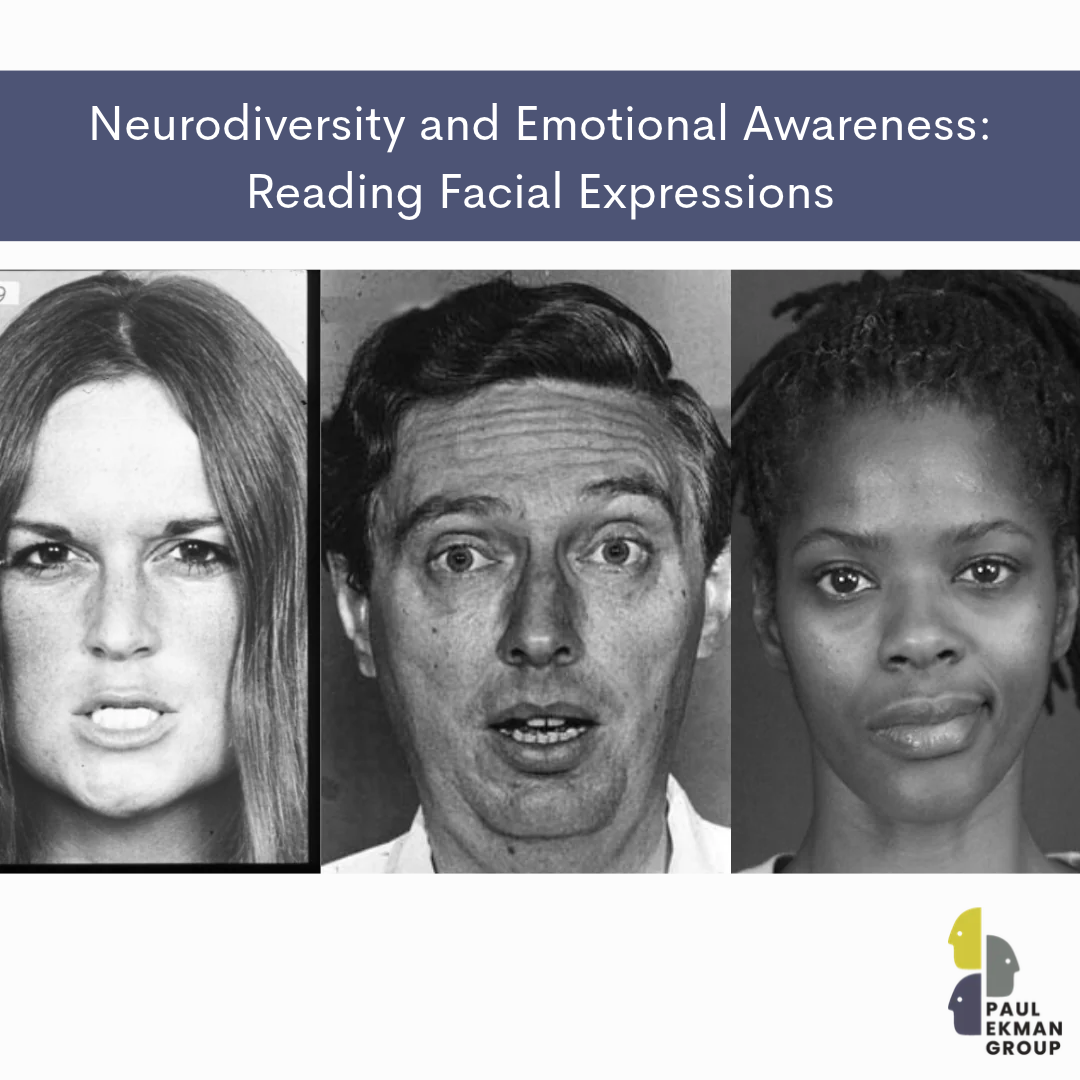
A significant milestone in this scientific discourse was a 2022 meta-analysis that synthesized findings from 148 studies. This comprehensive review indicated, on average, a greater difficulty among autistic individuals in recognizing basic facial expressions of emotion when compared to their non-autistic counterparts. However, it is critically important to underscore that these findings represent group averages. The reality is that individual abilities within both autistic and neurotypical populations exhibit considerable variability. This nuance is vital to avoid overgeneralization and to acknowledge the unique strengths and challenges of each person.
Encouragingly, the scientific community is increasingly exploring the potential for targeted interventions to enhance emotional recognition skills. A meta-analysis published in 2025, examining a range of studies, reported significant improvements in facial emotion recognition among autistic children who participated in specialized training programs. While these results offer a promising outlook, further research is deemed necessary to ascertain how these gains translate into practical, everyday social interactions and to identify the most effective and sustainable training methodologies.
It is imperative to reiterate that difficulties in interpreting emotional signals do not equate to a lack of empathy, care, or emotional depth. Many individuals who experience social communication challenges possess a profound capacity for connection and a deep desire for understanding. The challenge often lies not in a deficit of compassion, but in the absence of clear communication frameworks, accessible knowledge, or the confidence to engage in social interactions. Dr. Ekman’s work has been instrumental in providing these missing pieces for many.
Bridging the Gap: Applying Emotion Science to Daily Life
Dr. Paul Ekman dedicated his career to demystifying the subtle art of emotional communication, making the invisible visible and the incomprehensible understandable. His seminal research on universal facial expressions – the foundational expressions recognized across diverse cultures – and the elusive microexpressions, fleeting facial movements that betray underlying emotions, provided a robust scientific vocabulary and observational framework. This allowed individuals who had previously felt disconnected from the emotional currents of social life to begin to perceive and interpret signals that had once been baffling or inaccessible. For those who have historically felt "out of sync" with social norms, this scientific grounding has proven to be a transformative tool.
Beyond the personal anecdotes, the practical applications of Dr. Ekman’s research have been recognized in educational and clinical settings. In a 2013 article published in Autism Spectrum News, psychologist Dr. Lynda Geller explored evidence-based interventions for students on the autism spectrum. She specifically highlighted Dr. Ekman’s Micro Expression Training Tool (METT) and Subtle Expression Training Tool (SETT) as valuable resources for developing the ability to recognize emotional signals within facial expressions. These tools, designed with scientific rigor, offer structured pathways for learning that can be particularly beneficial for individuals who thrive on clear, systematic instruction.
The Paul Ekman Group actively seeks to foster further understanding and collaboration in this vital area. They welcome engagement from researchers, academics, educators, and clinicians who have utilized these tools in their work, are aware of relevant ongoing research, or are interested in exploring future research opportunities. This proactive approach underscores a commitment to advancing the application of emotion science for the betterment of individuals and society. Interested parties are encouraged to reach out to [email protected] to contribute to this ongoing dialogue and collaborative effort.
While acknowledging that emotional skills training is not a substitute for comprehensive therapy, personalized support, or individualized care, the impact of learning about emotions can be substantial. For many, it has served as a powerful catalyst for reducing uncertainty, bolstering confidence in social engagements, and fostering a deeper, more nuanced understanding of themselves and others. This heightened self-awareness extends to recognizing not only the potential emotional states of those around them but also their own internal emotional landscape, moment by moment.
The educational resources developed by Dr. Paul Ekman, and further expanded by Dr. Eve Ekman and the dedicated team at the Paul Ekman Group, continue this vital work. Tools such as the online Micro Expressions Training Tools and The Feelings Field Guide are meticulously crafted to empower individuals to cultivate their emotional awareness in practical, approachable, and scientifically grounded ways. These resources represent a continuation of Dr. Ekman’s lifelong mission: to make the complex world of human emotions more accessible and understandable for everyone. The ongoing dissemination and application of this knowledge hold significant promise for fostering greater social inclusion, enhancing interpersonal relationships, and ultimately, enriching the lives of individuals across the neurodiversity spectrum and beyond.
