

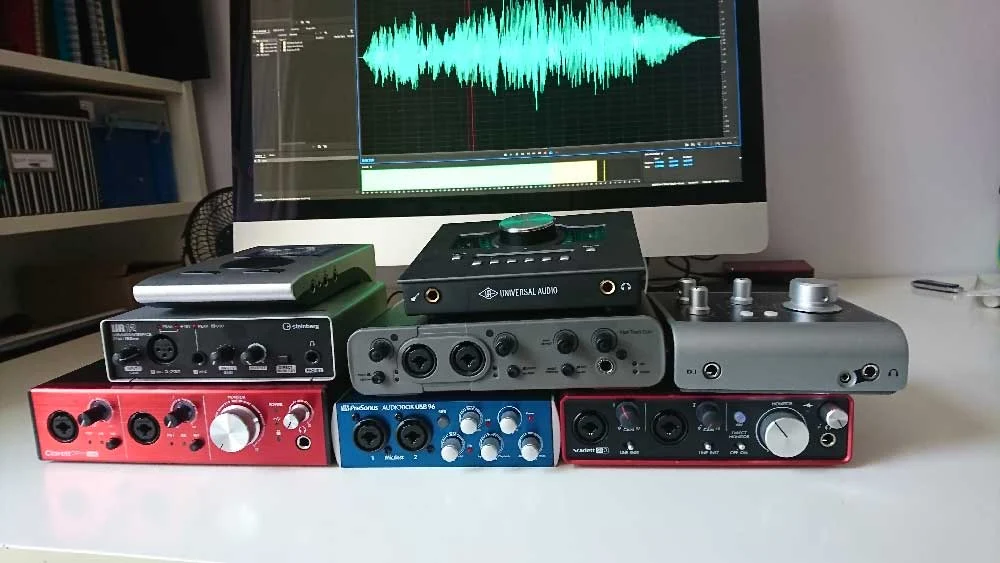
The pursuit of pristine audio quality is paramount for voiceover artists, and at the heart of a professional recording setup lies the audio interface. This crucial piece of equipment acts as the bridge between your microphone’s analog signal and your digital recording environment, dictating the clarity, fidelity, and overall professional polish of your voiceovers. Navigating the diverse landscape of audio interfaces can be a daunting task, especially for those new to the technical intricacies of audio production. This in-depth guide aims to demystify the selection process, offering a comprehensive overview of key considerations and highlighting several popular models that cater to the specific needs of voiceover professionals.
Understanding the Crucial Role of an Audio Interface
At its core, an audio interface converts analog audio signals from your microphone into digital data that your computer can understand and process. Conversely, it also converts digital audio from your computer back into an analog signal for playback through studio monitors or headphones. This conversion process, often referred to as Analog-to-Digital (A/D) and Digital-to-Analog (D/A) conversion, is a critical determinant of audio quality. The preamplifiers within an interface are responsible for boosting the microphone’s signal to a usable level, and their quality directly impacts the signal-to-noise ratio and the overall character of the recorded sound.
The market for audio interfaces is extensive, with manufacturers offering a wide spectrum of features, connectivity options, and price points. For voiceover artists, the selection criteria often revolve around essential functionalities such as the number of microphone inputs, phantom power availability (necessary for condenser microphones), latency (the delay between speaking into the microphone and hearing it through your headphones), sample rate and bit depth (which determine the audio resolution), and the type of connectivity to your computer (USB, Thunderbolt, FireWire, etc.).
Navigating the Selection Process: Key Considerations for Voiceover Artists
When embarking on the journey to choose an audio interface, a systematic approach is essential. Rather than relying solely on the recommendations of peers, which can sometimes be biased by personal brand loyalty or specific use cases, a thorough understanding of your own requirements is paramount.
-
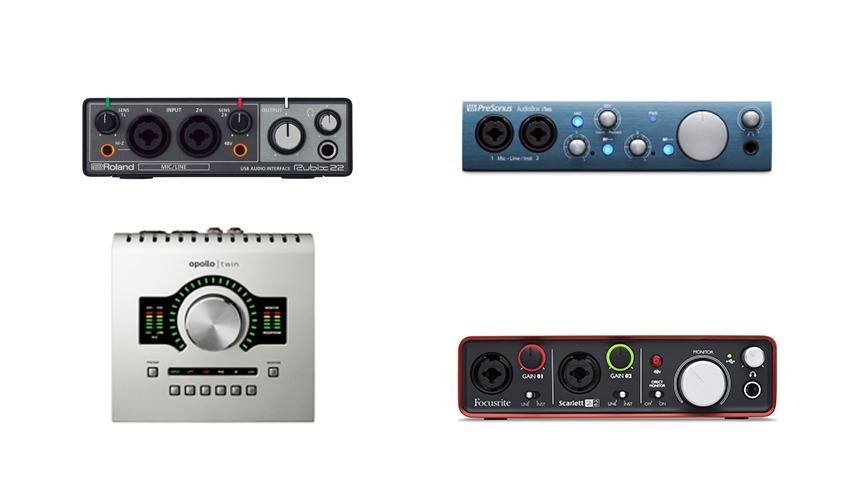
Input and Output Needs: The most fundamental consideration is the number of microphones you intend to use simultaneously. For most solo voiceover artists, one or two microphone inputs are sufficient. If you plan to record multiple voice actors at once or incorporate external instruments, you will need an interface with more inputs. Similarly, consider the number of outputs required for your monitoring setup, typically one or two stereo outputs for studio monitors and a headphone output.
-
Connectivity Options: Audio interfaces connect to computers via various protocols, each with its own characteristics.
- USB: This is the most common and widely compatible interface, offering a good balance of speed and affordability. USB 2.0 is adequate for most basic voiceover needs, while USB 3.0 and newer versions offer higher bandwidth for more demanding applications.
- Thunderbolt: This high-speed interface, primarily found on Apple computers, offers significantly lower latency and higher data transfer rates, making it ideal for complex projects and professional studios.
- FireWire: While once a popular choice, FireWire has largely been superseded by USB and Thunderbolt due to its declining support on modern computers.
- Ethernet (AoIP – Audio over IP): This is a more advanced and professional networking solution, often found in larger studio setups, allowing for flexible routing over network infrastructure.
-
Preamplifier Quality: The quality of the microphone preamplifiers is a significant factor in the final sound. Higher-end interfaces generally feature more transparent and lower-noise preamps, which are crucial for capturing the nuances of the human voice without introducing unwanted hiss or distortion.
-
Latency: Latency refers to the delay between when you speak into the microphone and when you hear the sound through your headphones. For voiceover work, minimizing latency is crucial for comfortable and accurate recording. Interfaces with Thunderbolt or high-speed USB connections typically offer the lowest latency.
-
Sample Rate and Bit Depth: These specifications determine the audio resolution. A sample rate of 44.1 kHz or 48 kHz and a bit depth of 24 bits are standard for professional audio production and are more than adequate for voiceover work. Higher sample rates (e.g., 96 kHz) can capture more sonic detail but also result in larger file sizes and may not be perceptibly beneficial for most voiceover applications.
-
Phantom Power: If you plan to use condenser microphones, which require external power to operate, ensure your audio interface provides 48V phantom power. Most interfaces designed for professional microphones will include this feature.
-
Bundled Software and Features: Many audio interfaces come bundled with entry-level Digital Audio Workstations (DAWs), plugins, or other useful software. While these can be a bonus, it’s important to assess their value and compatibility with your existing workflow. Features like direct monitoring (allowing you to hear your voice directly from the interface with zero latency) and built-in DSP (Digital Signal Processing) for effects can also enhance the recording experience.
A Review of Prominent Audio Interfaces for Voiceover Professionals
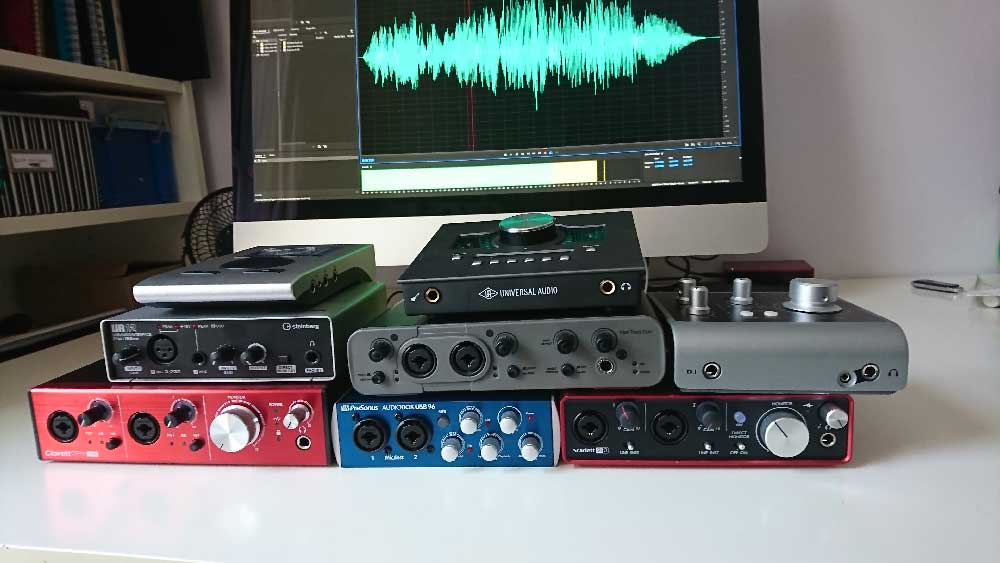
To illustrate these concepts, let’s examine a selection of audio interfaces that have gained traction among voiceover artists, considering their features, performance, and typical price points. The audio samples provided are crucial for evaluating the sonic characteristics of each unit when used with a consistent signal chain, in this case, a Sennheiser MK4 microphone.
1. Focusrite Scarlett 2i2
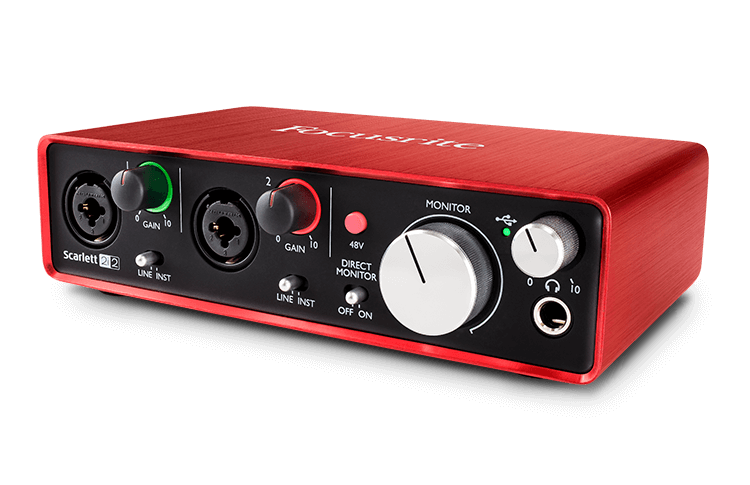
The Focusrite Scarlett 2i2 has become a ubiquitous presence in home studios and project studios alike. Its widespread adoption is a testament to its blend of affordability, ease of use, and reliable performance.
-
Key Features: This compact interface offers two combination XLR/jack inputs, capable of accepting both microphone and line-level signals. It provides 48V phantom power, essential for condenser microphones. The "Air" mode on its preamps aims to emulate the sound of classic Focusrite ISA preamps, adding a subtle brightness to the vocal. It connects via USB 2.0 and includes a headphone output with its own volume control. Focusrite also bundles the Scarlett 2i2 with a suite of free software, including Pro Tools First, Ableton Live Lite, and various effects plugins, which can be beneficial for beginners.
-
Performance for Voiceover: The Scarlett 2i2 delivers clean and usable audio for voiceover work. The preamps are generally considered good for their price point, offering a decent signal-to-noise ratio. The direct monitoring feature allows for zero-latency monitoring, which is essential for comfortable recording. The simplicity of its design makes it an excellent choice for those new to audio interfaces.
-
Price Point: Typically priced around £115 – $146 USD, the Scarlett 2i2 represents a strong value proposition for budget-conscious voiceover artists.
-
Audio Sample Analysis: (Listen to the provided audio sample to assess the clarity, warmth, and presence of the vocal recording through the Scarlett 2i2.)
2. Universal Audio Apollo Twin
The Universal Audio Apollo Twin is a premium audio interface that sits at the higher end of the market, catering to professionals who demand exceptional audio quality and advanced features.
-
Key Features: The Apollo Twin is renowned for its Unison™ preamplifiers, which allow for real-time emulation of classic analog hardware preamplifiers and guitar amp emulators. This means you can record vocals through virtual Neve, API, or UA preamps, adding rich analog character to your recordings. It offers two inputs (one instrument/line and one mic/line with Unison technology) and four outputs. Connectivity is typically via Thunderbolt, ensuring very low latency. The interface is controlled via UA’s Console application, which provides sophisticated routing options and allows for the use of UAD-2 plugins in real-time with near-zero latency.
-
Performance for Voiceover: The sonic fidelity of the Apollo Twin is exceptional. Its preamps are incredibly clean and detailed, capturing the subtlest nuances of the voice. The ability to use analog emulations in real-time is a significant advantage for voiceover artists looking to achieve specific sonic signatures or add a polished, professional sheen to their recordings. Many high-profile voiceover artists, including Joe Cipriano, Peter Dickson, and Hugh Edwards, rely on the Apollo Twin for its superior sound quality and workflow advantages. The ability to save and recall session setups within the Console application is invaluable for managing different client requirements and project types.
-
Price Point: The Apollo Twin is a significant investment, typically ranging from £699 – $899 USD, reflecting its advanced technology and premium build quality.
-
Audio Sample Analysis: (Listen to the provided audio sample to discern the exceptional clarity, depth, and potential analog warmth offered by the Apollo Twin.)
3. Audient iD4
The Audient iD4 is a compact and elegantly designed audio interface that punches above its weight in terms of audio quality, particularly its microphone preamplifiers.
-
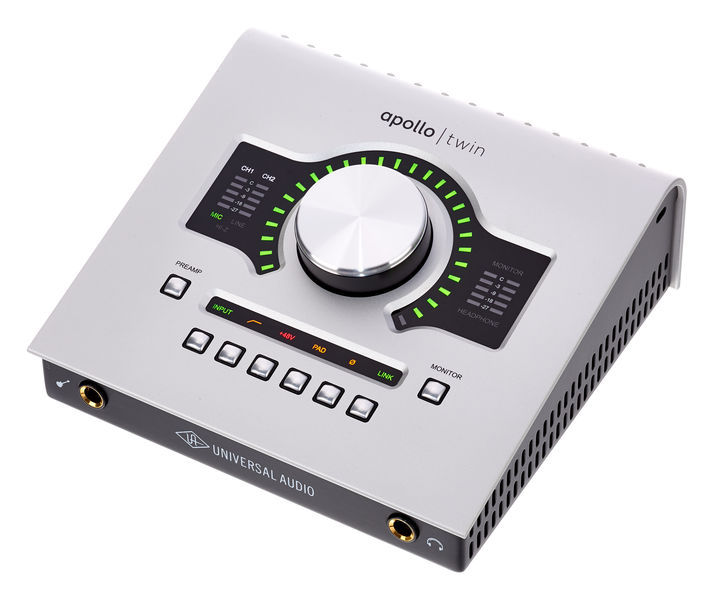
Key Features: This 2-in, 2-out interface features one XLR microphone input with Audient’s highly regarded Class A microphone preamplifiers, known for their transparency and detail. It also includes a JDI-style instrument DI for guitars or basses. The iD4 boasts a unique "Scroll Control" feature that allows you to assign the main volume knob to control various parameters within your DAW or plugins, enhancing workflow efficiency. It connects via USB and includes a dedicated headphone output with both a standard jack and a mini-jack socket. Audient also offers the iD14, iD22, and iD44 models for users requiring more inputs and outputs.
-
Performance for Voiceover: The iD4’s microphone preamp is a standout feature at its price point, delivering remarkably clean and natural-sounding audio. For voiceover artists, this translates to a clear and uncolored representation of their voice. The intuitive layout and robust build quality make it a pleasure to use. While it doesn’t offer the extensive real-time DSP of the Apollo Twin, its core audio performance is excellent for the price.
-
Price Point: The Audient iD4 is competitively priced, generally falling between £105 – $199 USD.
-
Audio Sample Analysis: (Listen to the provided audio sample to evaluate the clarity and natural tone of the voice recorded with the Audient iD4.)
4. Avid Fast Track Duo (Discontinued)
While no longer in production, the Avid Fast Track Duo was a notable interface in its time, particularly for its integration with Pro Tools.
-
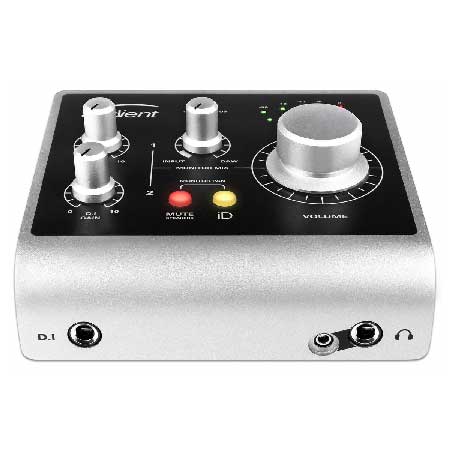
Key Features: This USB interface offered two combination XLR/jack inputs and two line outputs. It was often bundled with Pro Tools Express, a simplified version of Avid’s flagship DAW. The design featured clearly labeled controls, although some users found the dark grey text on a light grey background challenging to read.
-
Performance for Voiceover: The Fast Track Duo provided functional audio capture for voiceover work. Its preamps were adequate for the task, and it performed well as a general-purpose audio interface with various DAWs. The primary limitation today is its discontinued status, meaning no further software support or driver updates are available, and finding spare parts could be challenging.
-
Price Point: Historically, it was priced around £145 – $220 USD.
-
Audio Sample Analysis: (Listen to the provided audio sample to assess the audio quality of the Fast Track Duo, keeping in mind its vintage.)
5. Focusrite Clarett 2Pre
The Focusrite Clarett 2Pre represents an upgrade from the Scarlett series, offering improved preamplifier performance and connectivity options.
-
Key Features: As part of Focusrite’s premium Clarett range, the 2Pre features high-quality microphone preamplifiers designed for professional audio applications. It offers two combi-sockets for microphones and line-level instruments, along with 48V phantom power. Connectivity is typically via Thunderbolt or USB 3.0, ensuring low latency and high bandwidth. The Clarett series also offers expandable input/output configurations via optical connections, making it suitable for more complex studio setups. The accompanying software provides flexible routing and control.
-
Performance for Voiceover: The Clarett 2Pre delivers a noticeable step up in audio fidelity compared to the Scarlett series. Its preamplifiers are more transparent and offer a wider dynamic range, which can be beneficial for capturing the full spectrum of a vocal performance. The lower latency provided by Thunderbolt connectivity is a significant advantage for real-time monitoring and recording.
-
Price Point: The Clarett 2Pre is positioned in the mid-to-high price range, typically costing around £345 – $439 USD.
-
Audio Sample Analysis: (Listen to the provided audio sample to evaluate the enhanced clarity and detail offered by the Clarett 2Pre.)
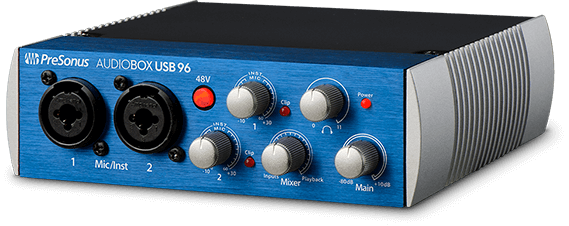
6. PreSonus AudioBox
The PreSonus AudioBox series offers a range of accessible and functional audio interfaces, often bundled with their own Studio One DAW.
-
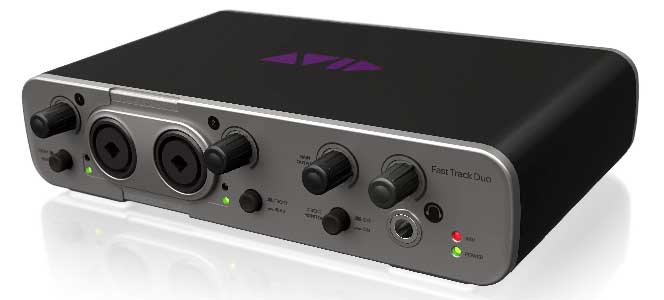
Key Features: The AudioBox USB typically features two combi-sockets for microphones and instruments, along with 48V phantom power. It connects via USB and provides essential monitoring outputs and a headphone jack. PreSonus usually bundles its interfaces with a version of Studio One, a capable DAW that includes a variety of plugins.
-
Performance for Voiceover: The AudioBox provides a solid entry-level option for voiceover recording. The preamplifiers are generally clean and sufficient for most voiceover tasks. The integration with Studio One offers a streamlined workflow for users who prefer to work within that ecosystem. While it may not offer the ultra-low latency or the sonic refinement of higher-end interfaces, it’s a reliable workhorse for beginners.
-
Price Point: The AudioBox series is known for its affordability, with models often available for around £99 – $129 USD.
-
Audio Sample Analysis: (Listen to the provided audio sample to assess the audio quality of the PreSonus AudioBox.)
7. RME Babyface Pro
The RME Babyface Pro is a highly regarded portable audio interface celebrated for its exceptional build quality, advanced features, and pristine audio performance.
-
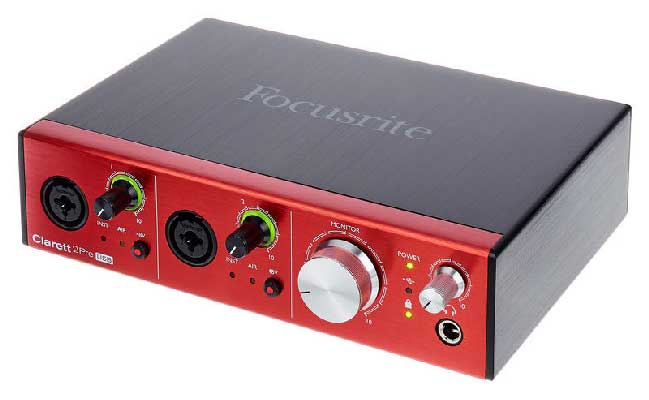
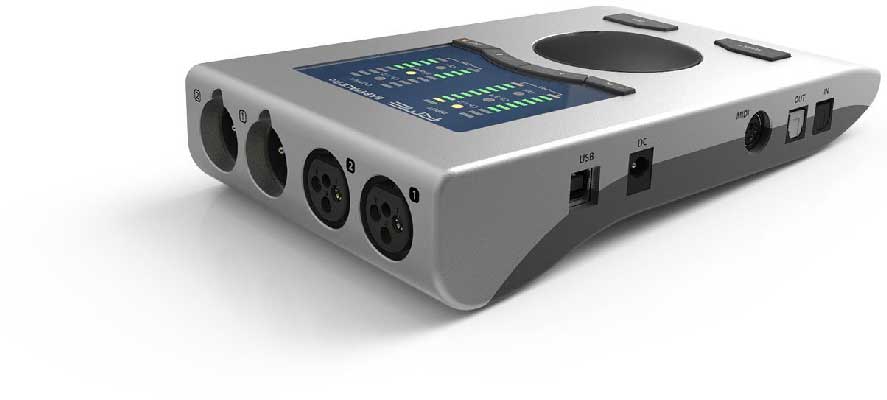
Key Features: This compact yet powerful interface boasts an impressive array of features, including four inputs (two XLR mic/line, two instrument/line) and six outputs. It features RME’s renowned microphone preamplifiers, which are known for their clarity, low noise, and excellent headroom. The Babyface Pro offers a sophisticated digital mixer with extensive routing capabilities, allowing for complex monitoring setups. It connects via USB and includes a robust build with a metal chassis. RME’s drivers are also renowned for their stability and low latency.
-
Performance for Voiceover: The Babyface Pro is a top-tier choice for voiceover artists who demand the highest level of audio fidelity and reliability. Its preamplifiers are exceptionally transparent, capturing every detail of the vocal performance without coloration. The advanced routing options and stable drivers ensure a smooth and professional recording experience. While the mixer can appear complex initially, once configured, it allows for efficient operation.
-
Price Point: The RME Babyface Pro is a premium product, typically priced around £649 – $759 USD.
-
Audio Sample Analysis: (Listen to the provided audio sample to experience the remarkable clarity, detail, and professional sound of the RME Babyface Pro.)
8. Steinberg UR12
The Steinberg UR12 is an entry-level audio interface that offers a straightforward solution for basic recording needs, often bundled with Steinberg’s Cubase AI software.
-
Key Features: This USB interface features one XLR microphone input with a high-quality D-PRE preamp and one 1/4-inch instrument input. It provides 48V phantom power for condenser microphones. The UR12 connects via USB and offers a headphone output for monitoring. It is typically bundled with Cubase AI, a scaled-down version of Steinberg’s professional DAW, which is suitable for basic recording and editing. A notable feature is its ability to loopback audio, allowing for easy playback of DAW output to remote clients.
-
Performance for Voiceover: The UR12 provides a clean and usable signal for voiceover recording, especially for those on a tight budget. The D-PRE preamp is known for its clarity and low noise. The loopback function is a practical addition for remote recording sessions. While it may not offer the same level of sonic sophistication or advanced features as higher-end interfaces, it serves as a dependable starting point.
-
Price Point: The Steinberg UR12 is one of the most affordable options, often available for around £79 – $99 USD.
-
Audio Sample Analysis: (Listen to the provided audio sample to evaluate the audio quality of the Steinberg UR12.)
Recommendations and Future Considerations
As this review highlights, the audio landscape offers a diverse range of interfaces, each with its unique strengths. For voiceover artists, the "best" interface is ultimately subjective and dependent on individual needs, budget, and technical comfort level.
Budget-Friendly Options: For those starting out or working with a limited budget, the Focusrite Scarlett 2i2, Audient iD4, PreSonus AudioBox, and Steinberg UR12 offer excellent value. They provide reliable performance, essential features, and can produce professional-sounding results when paired with a quality microphone and proper recording techniques. A key drawback of some lower-priced interfaces is the lack of "notched" rotary encoders. This means that when adjusting settings like gain, there are no physical detents, making it difficult to precisely recall settings from previous sessions, which can be problematic for pickup recordings.
Mid-Range to High-End Performance: For artists seeking enhanced sonic quality, advanced features, and greater workflow efficiency, the Universal Audio Apollo Twin and RME Babyface Pro stand out. These interfaces offer superior preamplifiers, lower latency, and more sophisticated software control. The Apollo Twin’s real-time analog emulations are a significant draw for those seeking a distinct analog character, while the RME Babyface Pro is lauded for its unwavering reliability and pristine audio. The higher price point for these units often correlates with improved build quality, more accurate preamps, and more advanced software features, including notched encoders that facilitate precise recall of settings.
The Verdict: You Get What You Pay For, But Does the Client Notice?
The adage "you get what you pay for" generally holds true in the world of audio interfaces. Higher-priced units typically offer demonstrably better preamplifier quality, lower noise floors, and more advanced features that contribute to a more professional recording experience and potentially superior sonic results. However, the critical question for many voiceover artists is whether the subtle sonic differences, particularly between mid-range and high-end interfaces, will be perceptible to the end client. In many commercial voiceover applications, particularly those for broadcast or online content, the discerning ear of the end client may not detect the minute differences that a seasoned audio engineer might.
Ultimately, the most crucial elements for professional voiceover are a well-treated recording space, a quality microphone, and a competent performer. While an advanced audio interface can certainly elevate the final product, investing in these foundational elements should be the priority. For those looking to invest in an interface that offers both excellent audio quality and a robust feature set that enhances workflow, the Universal Audio Apollo Twin and RME Babyface Pro represent significant investments that can yield substantial returns in terms of both sound and efficiency. For a more accessible yet highly capable option, the Audient iD4 offers exceptional value and a premium preamp experience.
The pursuit of the perfect audio interface is an ongoing journey. As technology evolves, new models emerge, offering even greater performance and features. By understanding your individual needs and the core functionalities of these devices, voiceover artists can make informed decisions that will empower them to capture their best vocal performances and deliver polished, professional audio to their clients.
