

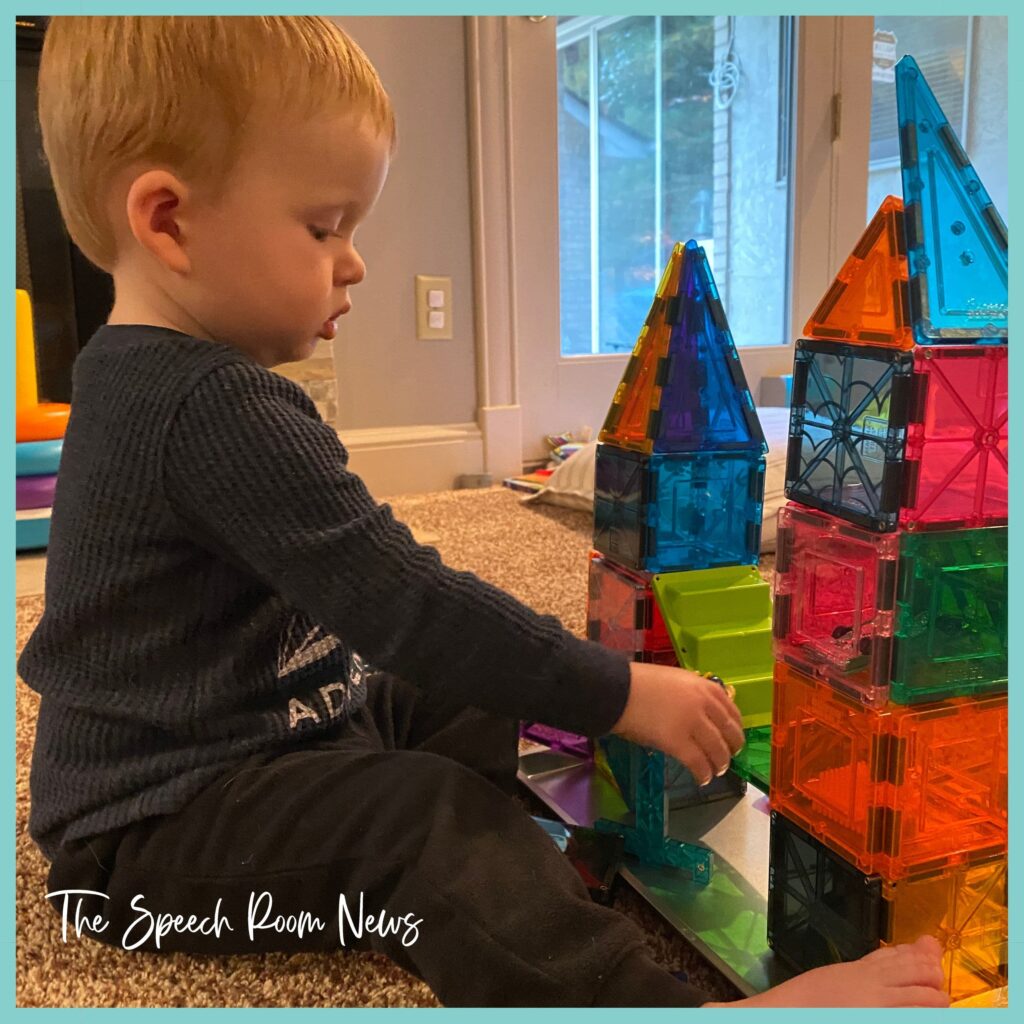
The landscape of pediatric speech and language therapy is continuously evolving, with a growing emphasis on engaging, play-based interventions that maximize child participation and learning. Among the diverse array of therapeutic tools, magnetic tiles have emerged as a remarkably versatile and effective resource, transcending their traditional role as a simple construction toy to become a dynamic instrument for addressing a wide spectrum of speech and language goals. These durable, multi-faceted magnetic building sets, cherished by families and educators alike, offer an unparalleled blend of entertainment and educational utility, proving invaluable for clinicians working with young children from as early as one year of age.
The Foundational Shift Towards Play-Based Therapy
The efficacy of play-based learning in early childhood development is well-documented by developmental psychology and educational research. For children, play is not merely recreation; it is a primary vehicle for learning about the world, developing social-emotional skills, problem-solving, and acquiring language. In the context of speech and language pathology, this understanding has led to a significant shift from highly structured, drill-based approaches to more naturalistic, child-led, and play-infused therapy sessions. This pedagogical evolution acknowledges that intrinsic motivation, engagement, and a reduction in perceived pressure can dramatically improve a child’s receptiveness to therapeutic interventions and facilitate the generalization of newly acquired skills into everyday contexts.
Magnetic tiles, with their inherent open-ended nature and tactile appeal, perfectly align with this play-based philosophy. They offer a concrete, manipulable medium through which abstract linguistic concepts can be made tangible. Children are naturally drawn to their vibrant colors, varied shapes, and the satisfying click of magnets connecting, creating an environment ripe for learning without the child even realizing they are in a therapeutic session. This high level of engagement is crucial, as studies indicate that children who are actively engaged in therapy tasks demonstrate faster progress and better long-term retention of skills.
Magnetic Tiles: A Premier Investment for Therapeutic Environments
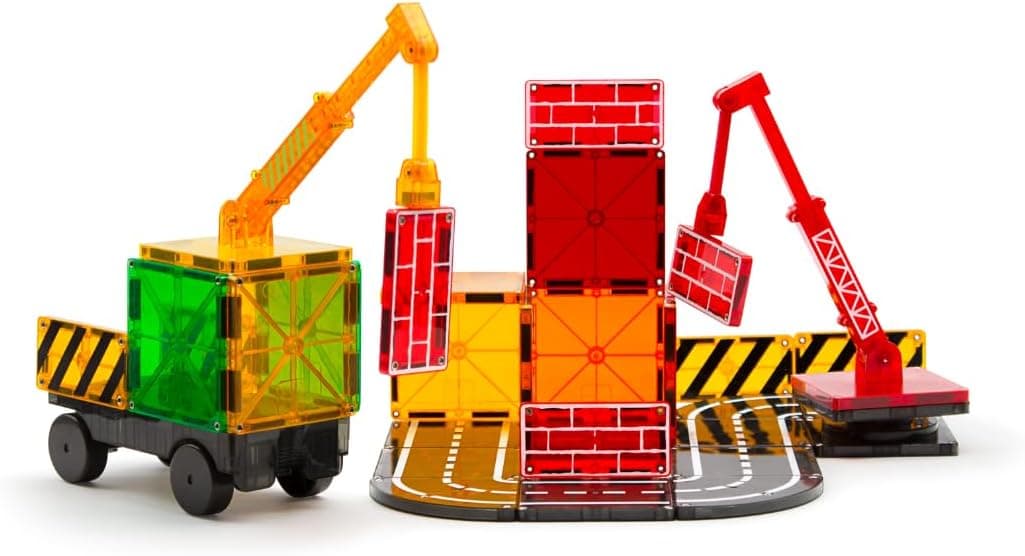
While the initial investment in high-quality magnetic tile sets may appear substantial, their durability, versatility, and broad age appeal underscore their long-term value for both home and professional therapy settings. These sets typically include a variety of geometric shapes—squares, triangles, rectangles—that can be combined in countless ways, fostering creativity and spatial reasoning. Clinicians often highlight their cost-effectiveness over time, as a single set can be utilized across numerous sessions, targeting diverse goals for multiple clients, thereby reducing the need for a constant rotation of new materials.
For speech-language pathologists (SLPs) and educators, acquiring foundational sets from reputable manufacturers is often a priority, frequently facilitated through grants, school wish lists, or professional development budgets. Leading brands are known for their strong magnetic connections, robust construction, and safety standards, ensuring a reliable and enduring resource. Beyond basic sets, specialized add-ons, such as ball run components, vehicle bases, or intricate architectural pieces, further expand the therapeutic possibilities, allowing for increasingly complex and imaginative play scenarios that can be tailored to specific developmental levels and therapeutic objectives.
Ten Strategic Applications of Magnetic Tiles in Speech and Language Therapy
The inherent design of magnetic tiles makes them an exceptionally adaptable tool, capable of addressing a wide array of speech and language targets. Here are ten meticulously detailed applications, demonstrating how these vibrant constructs can be leveraged for optimal therapeutic outcomes:
1. Fostering Social-Cooperative Communication
Magnetic tiles are an exemplary medium for cultivating social interaction and cooperative play among students. Group activities involving collaborative construction naturally necessitate back-and-forth communication, negotiation, and shared decision-making. Children must articulate their ideas, listen to their peers, propose solutions, and compromise to achieve a common goal, such as building a towering castle or an elaborate ramp system. This dynamic fosters pragmatic language skills, including turn-taking, initiating and maintaining conversations, requesting clarification, and expressing agreement or disagreement respectfully. Clinicians can strategically assign roles, encourage descriptive language about their building plans, and prompt questions like "What should we build next?" or "Can you help me connect this piece?" Such interactions not only enhance verbal output but also nurture vital social skills essential for successful peer relationships and academic integration. Research in social communication development consistently points to the effectiveness of shared activity in improving these complex reciprocal language behaviors.
2. Mastering Spatial and Prepositional Concepts
Understanding spatial relationships and prepositions (e.g., on, under, beside, between, in front of, behind) is fundamental to language comprehension and expression. Magnetic tiles provide a concrete, three-dimensional platform for teaching these abstract concepts. Students can physically manipulate the tiles, placing one on another, sliding a small tile under a large archway, or positioning a figure between two walls they’ve constructed. This hands-on experience allows for direct observation and kinesthetic learning, reinforcing the meaning of each preposition in a meaningful context. An SLP might instruct, "Put the red square on the blue triangle," or "Hide the toy car under the roof you built." This active engagement significantly improves retention compared to rote memorization, enabling children to generalize these concepts more effectively into their descriptive language and following directions.
3. Cognitive Development Through Sorting and Categorization
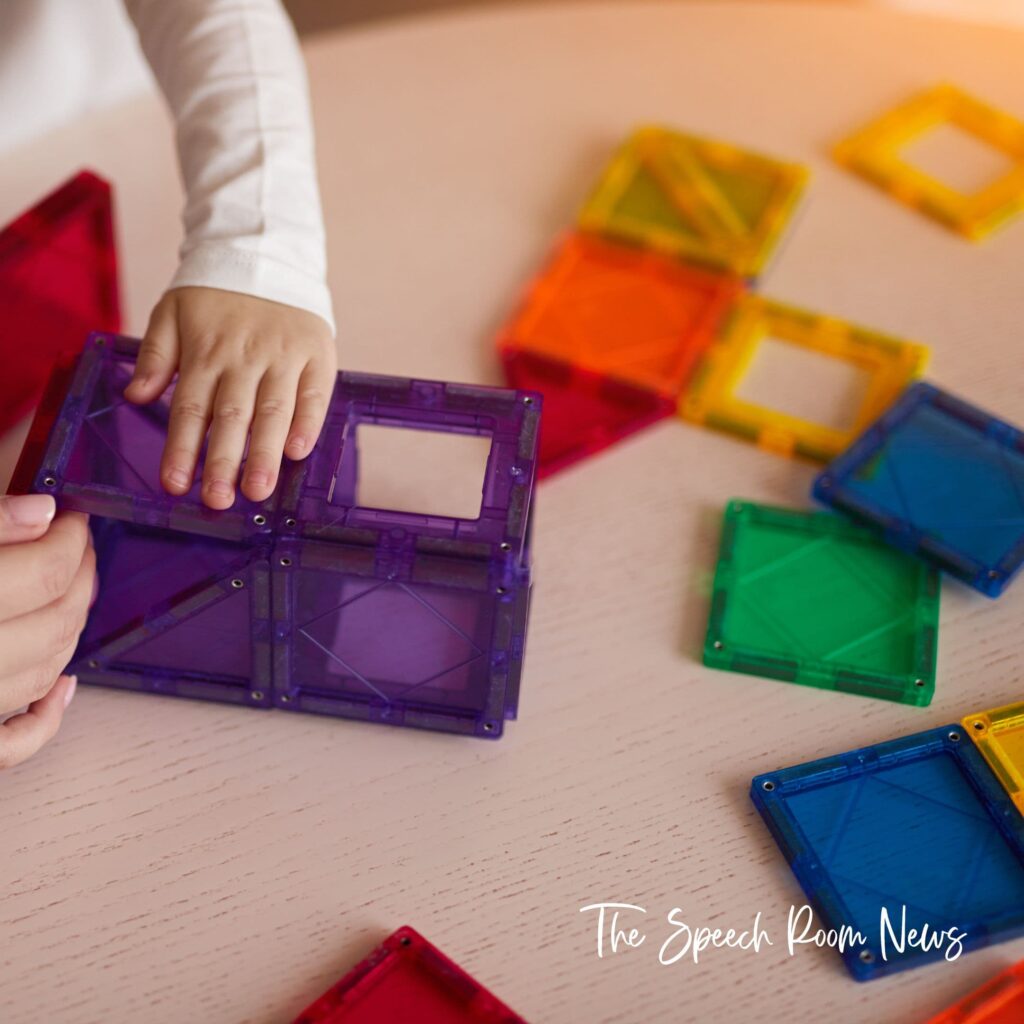
Sorting and categorization are critical cognitive skills that underpin language organization, vocabulary acquisition, and logical reasoning. Magnetic tiles, with their distinct shapes (squares, triangles, pentagons, hexagons) and vibrant colors, offer an ideal tool for these activities. Therapists can direct students to sort tiles by color, by shape, or even by size, encouraging them to verbalize their choices ("This is a red square," "I am putting all the triangles together"). For an added layer of engagement, students can construct "sorting bins" using the tiles themselves, further integrating the therapeutic tool into the activity. This process not only sharpens their ability to identify similarities and differences but also provides natural opportunities for descriptive language, counting, and concept labeling, reinforcing vocabulary related to attributes.
4. Targeted Articulation Practice
Integrating specific speech sounds into magnetic tile activities transforms articulation drills into playful, motivating tasks. For children working on sounds like /k/, /g/, /s/, or /r/, the open-ended nature of building allows for countless opportunities to embed target words. For instance, a child working on the /k/ sound could be prompted to build a "castle," a "kitchen," or a "car park," repeating the target word each time a relevant tile is added or a component is constructed. The therapist can provide a list of target words related to building (e.g., "connect," "corner," "pick up") or allow the child to freely choose, subtly prompting for articulation practice during construction. This approach reduces the monotony often associated with articulation drills, making repetition more engaging and facilitating the generalization of sounds into spontaneous speech.
5. Navigating Irregular Verb Forms
Irregular verbs present a common challenge in language development, as their past tense forms do not follow standard grammatical rules. Magnetic tiles offer an imaginative platform for practicing these exceptions. Students can construct scenes or narrate sequences of events, naturally incorporating irregular verbs. For example, building a tower that subsequently "fell," or creating a scene where a character "ran" or "ate" something, provides a contextual framework for using verbs like built, fell, ran, ate, saw, went, etc. The therapist can prompt, "What did the character do?" or "What happened to the tower?" encouraging the correct past tense usage within a story generated through play. This narrative-based practice fosters understanding of verb tenses and improves grammatical accuracy in spontaneous speech.
6. Cultivating Executive Functioning Skills
Executive functioning skills – including planning, organization, working memory, and impulse control – are critical for academic success and daily living. Magnetic tile construction can be strategically used to target these skills. Therapists can introduce challenges such as "Build a house with at least three different shapes in five minutes," or "Create a bridge that can hold a small toy car." These tasks require students to plan their approach, select appropriate pieces, sequence their actions, and manage their time effectively. The process of envisioning a structure, breaking it down into manageable steps, and then executing the plan, all while verbalizing their thought process, significantly strengthens these cognitive abilities. Problem-solving when a structure collapses or when a piece doesn’t fit as intended further refines adaptability and persistence, crucial components of executive function.
7. Reinforcing Regular Pluralization
The accurate use of regular plurals (adding -s or -es to nouns) is a fundamental aspect of grammatical development. Magnetic tiles provide numerous opportunities for repetitive and meaningful practice. As children build, they naturally use multiple pieces of the same type or color. The therapist can prompt, "How many squares did you use?" or "Look, you have three triangles!" Encouraging students to describe their creations, quantifying the number of "walls," "roofs," or "windows" they’ve built, reinforces the correct plural forms in a natural, conversational context. This concrete representation of "more than one" makes the concept of pluralization easily graspable and facilitates its integration into their expressive language.
8. Unlocking WH-Question Comprehension and Expression
WH-questions (who, what, where, when, why, how) are essential for information gathering, narrative comprehension, and conversational exchange. Magnetic tiles can serve as a powerful catalyst for practicing both asking and answering these questions. During construction, the therapist can pose questions like, "Where did you put the blue tile?" (where), "What are you building?" (what), "Who wants to add another piece?" (who), or "Why did the tower fall down?" (why). Students can also be encouraged to ask questions about their peer’s creations or their own building process. This interactive questioning and answering improves comprehension, encourages critical thinking, and develops the ability to formulate relevant questions and provide informative responses, crucial for effective communication.
9. Affirming Personal Pronoun Usage ("I")
Correct usage of personal pronouns, particularly "I" (as opposed to referring to oneself by name or using third-person pronouns), is a key developmental milestone. Magnetic tile activities provide a natural, low-pressure environment for targeting this. By encouraging students to describe their own actions and choices during building, therapists can elicit repeated use of "I." Prompts like "Tell me what you are doing," or "What piece do you want to use next?" can lead to responses such as "I am building a tall tower," "I need a red square," or "I put it on top." This consistent, positive reinforcement of "I" in self-referential statements helps solidify its correct usage in spontaneous language, building self-awareness and grammatical accuracy.
10. Empowering AAC Core Word Acquisition
For children utilizing Augmentative and Alternative Communication (AAC) systems, magnetic tiles offer an exceptional platform for reinforcing core words – the high-frequency words that constitute the majority of daily communication (e.g., more, on, off, up, down, go, stop, want, help). During tile play, these words can be modeled and practiced repeatedly in highly motivating contexts. For example, a child can use their AAC device to request "more" tiles, indicate "on" when placing a tile, or express "help" if a structure collapses. The therapist can model these words on the device while building, creating a rich language environment where core words are linked directly to actions and desires, making them functionally relevant and deeply embedded in the play experience. This concrete, hands-on practice significantly aids in the acquisition and generalization of these foundational communication words.
Broader Implications and Expert Perspectives
The integration of versatile tools like magnetic tiles into speech and language therapy underscores a broader commitment within the field to holistic child development. Beyond specific linguistic targets, the engaging nature of these toys fosters intrinsic motivation, reduces anxiety associated with therapy, and enhances overall cognitive and fine motor skills. Speech-language pathologists consistently report increased engagement and participation from children when interactive, manipulative tools are incorporated into sessions. This is particularly true for children with diverse learning styles or attention challenges, for whom tactile and visual stimulation can be profoundly beneficial.
Furthermore, the adaptability of magnetic tiles extends their utility beyond the clinic, serving as an excellent resource for parents to continue therapeutic practice at home. Clinicians can easily demonstrate how parents can integrate language-rich play with magnetic tiles into daily routines, thus reinforcing learned skills and promoting consistent language exposure in natural environments. This continuity between clinic and home is a critical factor in achieving sustainable speech and language gains.
In conclusion, magnetic tiles represent more than just a popular children’s toy; they are a sophisticated and highly effective therapeutic instrument in the modern speech-language pathology toolkit. Their capacity to facilitate social interaction, teach abstract concepts, target specific speech sounds, and enhance cognitive functions positions them as an indispensable resource. As the field continues to embrace innovative, child-centered approaches, the strategic application of magnetic tiles will undoubtedly remain at the forefront of enhancing communication development for countless young learners.
