

In the critical landscape of early childhood development, picture books stand as fundamental tools in early intervention speech therapy, providing crucial support for language acquisition and communication skill enhancement in young children. The strategic integration of carefully selected picture books into therapeutic regimens is recognized by speech-language pathologists (SLPs) as a highly effective method for fostering linguistic growth, improving social-communication competencies, and cultivating an engaging, stimulating learning environment. Each book, when chosen thoughtfully, serves as a targeted resource designed to address specific speech and language objectives for children in their formative years.
Understanding Early Intervention Speech Therapy

Early intervention in speech therapy represents a proactive, evidence-based approach to addressing communication difficulties in young children from the moment such challenges are identified. This specialized therapy typically targets infants and toddlers, generally from birth up to three years of age, though the specific age range can vary by program and jurisdiction. This period is widely acknowledged by developmental psychologists and linguists as a critical window for language development, during which the brain exhibits remarkable plasticity and responsiveness to environmental stimuli. The primary aim of early intervention is to support and enhance a child’s emergent communication skills, thereby maximizing their developmental potential and mitigating the long-term impact of speech and language delays or disorders.
According to the American Speech-Language-Hearing Association (ASHA), early identification and intervention are paramount. Studies consistently demonstrate that children who receive speech and language therapy early on show significantly better outcomes in language development, literacy skills, and academic achievement compared to those whose difficulties are addressed later. For instance, data from the Centers for Disease Control and Prevention (CDC) indicate that approximately 7-8% of children in the U.S. aged 3-17 years have had a speech, language, voice, or swallowing disorder in the past 12 months, underscoring the widespread need for effective early intervention strategies.
During this crucial developmental phase, speech therapists collaborate intensively with parents and caregivers, recognizing them as integral participants in the therapeutic process. Individualized treatment plans are meticulously crafted to integrate therapeutic strategies into daily routines, ensuring consistent exposure and reinforcement of target skills within the child’s natural environment. This family-centered approach not only empowers caregivers but also significantly amplifies the child’s progress by extending learning beyond clinical settings.
The Foundational Role of Books in Speech Therapy
Books are universally recognized as powerful pedagogical instruments, and their utility is amplified within speech and language therapy settings. They offer a multifaceted platform for addressing a wide array of communication goals. Incorporating picture books into therapy sessions extends beyond mere entertainment; it cultivates a rich, interactive experience that intrinsically motivates children to engage with language. This engagement facilitates the development of essential communication skills and establishes a strong foundation for future literacy.
Promoting Language and Vocabulary Development:
Picture books expose children to a vast and varied lexicon, significantly expanding their receptive and expressive vocabulary. Through repeated readings, discussions, and targeted questioning, SLPs can systematically introduce new words, reinforce conceptual understanding, and encourage the use of novel vocabulary in context. The visual support provided by illustrations acts as a scaffold, aiding comprehension and recall, particularly for children with emerging language skills. This process aligns with emergent literacy principles, where early exposure to print and stories fosters print awareness, phonological awareness, and narrative skills long before formal reading instruction begins. Research consistently shows a strong correlation between early vocabulary size and later reading success.
Enhancing Storytelling and Narrative Skills:
Engaging with narrative structures in books nurtures the development of crucial storytelling abilities. As children follow plots, identify characters, and predict outcomes, they begin to grasp fundamental elements of story structure: beginning, middle, and end, as well as cause-and-effect relationships. These narrative competencies are not merely academic; they are essential for effective social communication, enabling individuals to recount personal experiences, share information coherently, and participate meaningfully in conversations. SLPs use books to model and elicit narrative retellings, sequencing events, and identifying main ideas, thereby building the foundational blocks for complex communication.
Stimulating Imagination and Creativity:
Books serve as portals to imaginative worlds, fostering creativity and abstract thinking. They encourage children to visualize and describe scenes, characters, and events, thereby promoting expressive language and descriptive skills. This imaginative play, often sparked by story content, is a vital component of cognitive development, allowing children to explore new ideas, problem-solve, and develop empathy by stepping into the shoes of different characters. For children in speech therapy, this imaginative engagement provides a low-pressure, high-interest context for practicing new sounds, words, and grammatical structures.
Types of Picture Books for Early Intervention
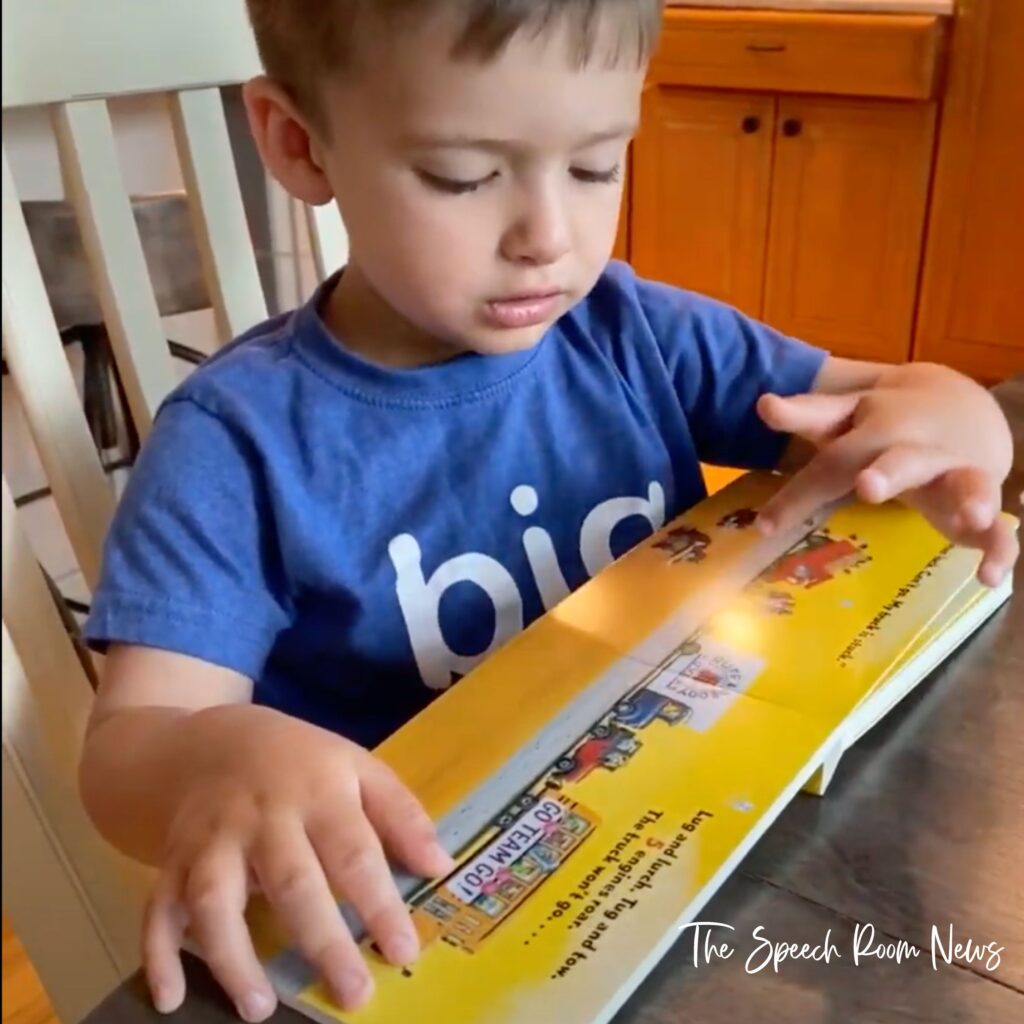
The selection of appropriate picture books is critical to maximizing their therapeutic efficacy. Different types of books cater to varying developmental stages and target specific communication goals. For early intervention, the focus often lies on engagement, durability, and simplicity, making interactive books, durable books, and board books particularly valuable.
Interactive Books: Fostering Engagement and Early Communication
Interactive books are designed to encourage touch, manipulation, and direct participation, making them invaluable for increasing attention spans, promoting early vocabulary development, and engaging multiple senses. These books often feature elements such as lift-the-flaps, textures (touch-and-feel), peek-through holes, or movable parts.
- Lift-the-Flap Books: These books are excellent for targeting concepts like "open/close," "in/out," and "under/over." They naturally elicit anticipation and surprise, encouraging vocalizations and simple questions/answers (e.g., "What’s under here?"). Examples include books that reveal hidden animals or objects.
- Touch-and-Feel Books: Incorporating various textures (furry, bumpy, smooth), these books are superb for sensory exploration and developing descriptive vocabulary (e.g., "soft," "rough," "sticky"). They also encourage tactile discrimination and can be used to elicit comments about sensory experiences.
- Pop-Up Books: While requiring gentle handling, pop-up books captivate children with their three-dimensional elements, making them ideal for eliciting "wow" exclamations, identifying objects, and describing actions. They can be used to practice verbs and spatial concepts.
- Sound Books: Books that incorporate buttons to play animal sounds, vehicle noises, or musical notes are highly engaging. They are excellent for encouraging imitation of sounds, identifying objects by their sounds, and developing auditory discrimination skills.
- Picture-Match Books: These books often feature a series of pictures that can be matched to a corresponding image or word, promoting visual discrimination, object identification, and early labeling skills.
Durable Books: Withstanding Exploration and Repeated Use
Durable books are essential for the early intervention age group, characterized by active exploration and sometimes less-than-gentle handling. Their sturdy pages and robust construction ensure they can withstand repeated use, making them a practical choice for therapy sessions and home environments.
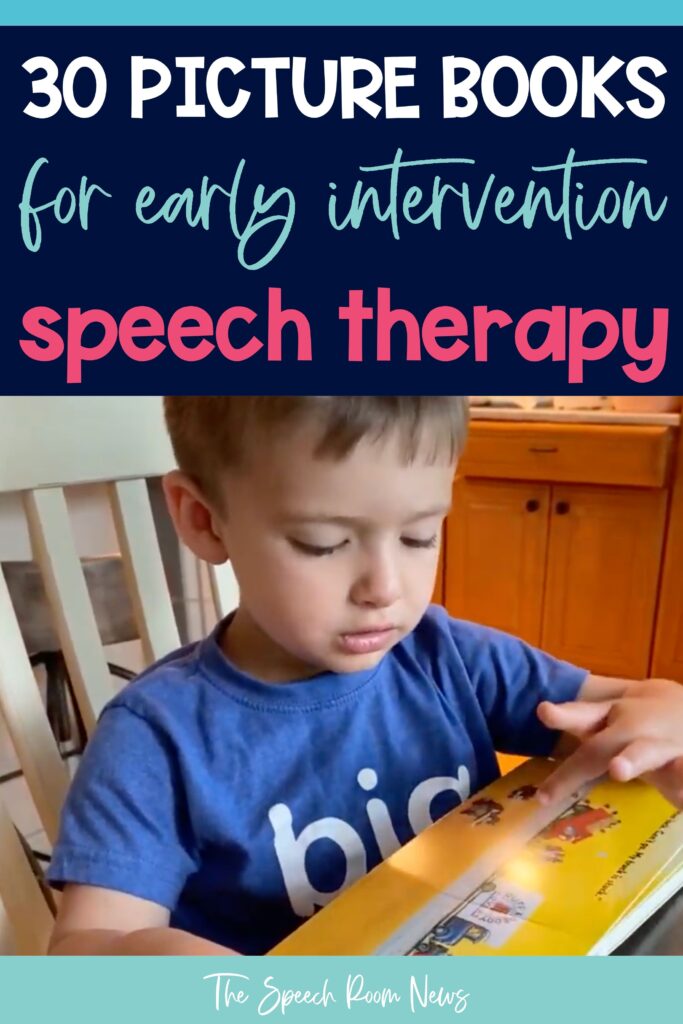
- Cardboard Page Books: Similar to board books but often with more complex narratives or concepts, these books feature thick, laminated pages that resist tearing and bending. They are perfect for toddlers who are still developing fine motor skills and tend to mouth or toss books.
- Cloth Books: Made from fabric, these books are incredibly soft, washable, and safe for even the youngest infants. They often include crinkly pages, squeakers, and varied textures, making them multi-sensory and highly durable. They are excellent for sensory exploration and promoting early attention.
- Vinyl/Bath Books: Designed for use in water, these books are perfect for expanding the therapy environment to bath time or other water play, reinforcing vocabulary and concepts in a new context. They are virtually indestructible and easy to clean.
- Indestructibles Series: A specific brand of tear-proof, chew-proof, and washable books printed on a unique paper-like material. These are ideal for babies and very young toddlers, allowing for uninhibited exploration without damage.
Board Books: Repetition, Predictability, and Foundational Skills
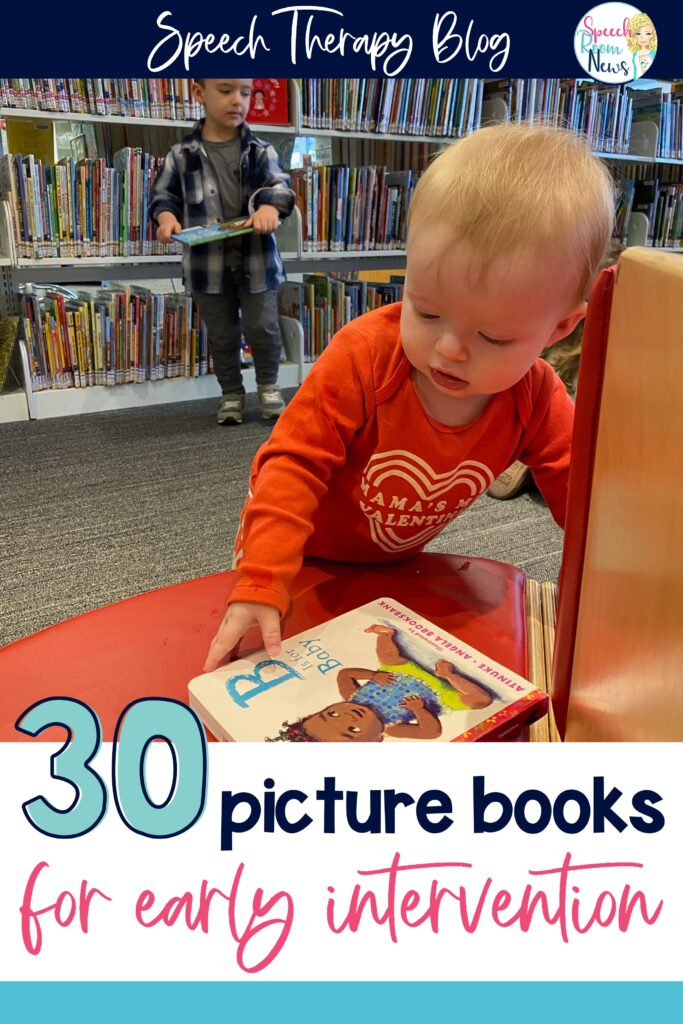
Board books are perennial favorites in early intervention speech therapy due to their sturdy construction, repetitive text, engaging illustrations, and natural potential for incorporating songs and actions. Their simplicity and robust design make them perfect for developing foundational language skills.
- Repetitive Phrase Books: Books with predictable, repeating phrases (e.g., "Brown Bear, Brown Bear, What Do You See?") are excellent for encouraging joint attention, anticipating text, and practicing articulation. The repetition helps children internalize sentence structures and vocabulary.
- Concept Books (Colors, Shapes, Numbers): Simple board books focused on basic concepts help children learn to identify and label colors, shapes, numbers, and letters. They provide clear visual representations and opportunities for direct teaching.
- Animal Sound Books: Books that depict various animals and their characteristic sounds (e.g., "Moo," "Woof") are perfect for targeting early vocalizations, imitation skills, and expanding sound repertoires.
- Action Word Books: Featuring illustrations of children or animals performing simple actions (e.g., "jump," "sleep," "eat"), these books are ideal for teaching verbs and encouraging motor imitation alongside verbalization.
- Nursery Rhyme/Song Books: Board books based on popular nursery rhymes or songs combine language with rhythm and melody, which can be highly motivating for children. Singing promotes prosody, vocabulary, and memory, while the accompanying pictures aid comprehension.
- "All About Me" Books: Books that focus on body parts, emotions, or daily routines help children develop self-awareness and vocabulary related to themselves and their immediate environment.
- Opposites Books: Simple books illustrating contrasting concepts (e.g., "big/small," "up/down," "hot/cold") help children understand and express relational vocabulary.
The Collaborative Framework: SLPs and Families
A cornerstone of effective early intervention is the active participation of families. Speech-language pathologists serve not only as direct therapists but also as coaches and educators for parents and caregivers. They demonstrate how to use picture books to elicit specific language targets, such as asking open-ended questions, pausing for the child to fill in words, modeling new vocabulary, and expanding on the child’s utterances. For instance, an SLP might guide a parent on how to use a lift-the-flap book to encourage a child to say "open" or "what’s that?" The integration of these strategies into daily routines—bedtime stories, mealtime conversations, or playtime—ensures that the learning extends beyond the therapy room, maximizing consistency and progress.
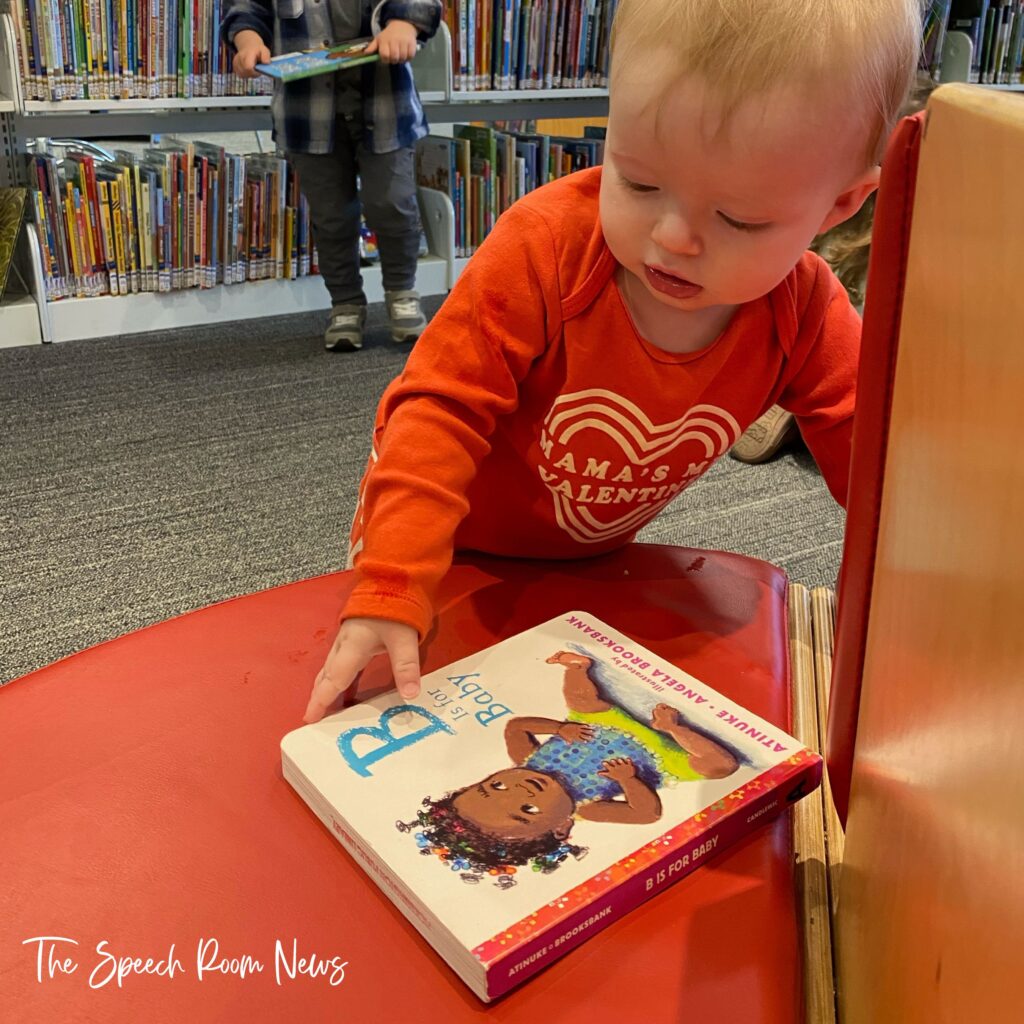
This collaborative model is supported by professional organizations like ASHA, which advocates for family-centered practice. When families are empowered with strategies and resources, they become powerful agents in their child’s language development journey, reinforcing skills and creating a language-rich home environment.
Broader Impact and Long-Term Implications
The consistent use of picture books in early intervention speech therapy has far-reaching implications that extend beyond immediate communication gains. By fostering language growth, stimulating imagination, and encouraging interaction, therapists and families lay a robust foundation for lifelong learning and overall developmental success.
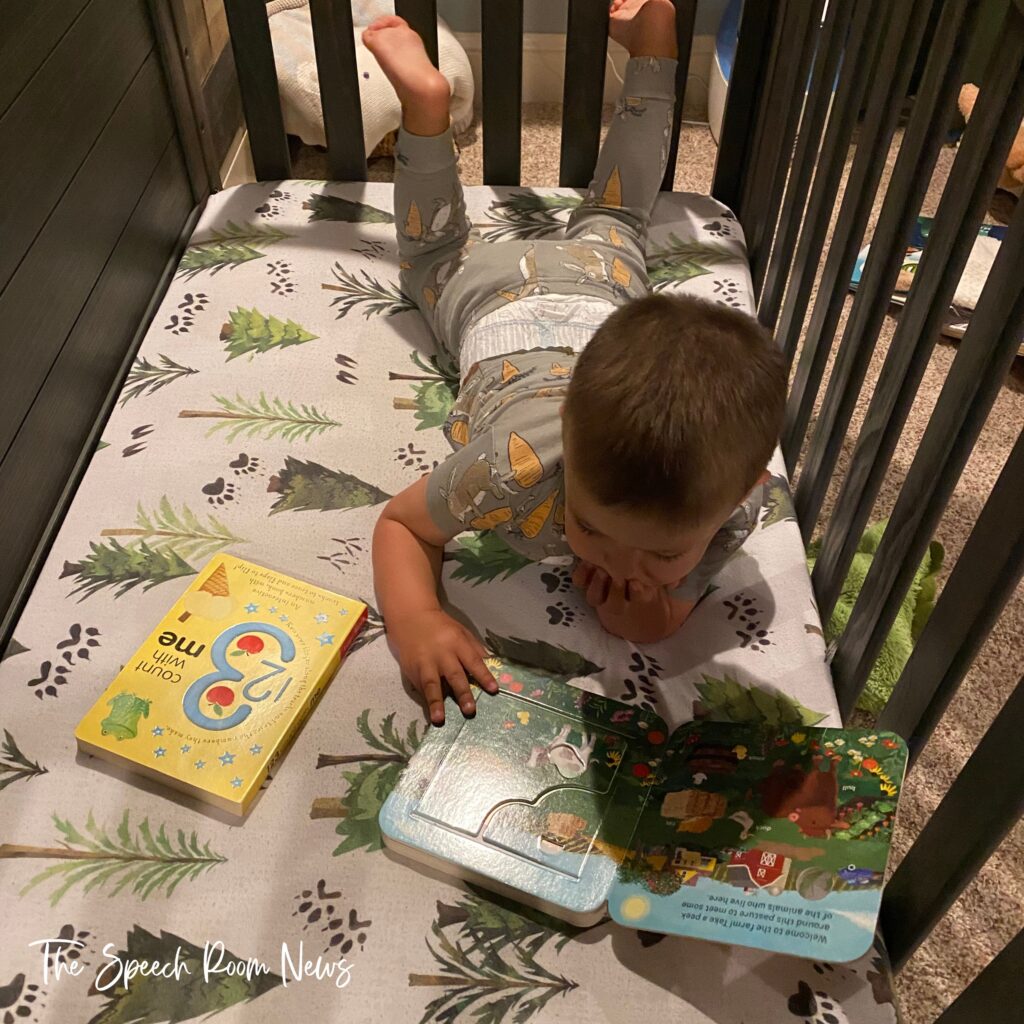
Children who receive effective early intervention for speech and language difficulties are more likely to achieve academic success, develop strong literacy skills, and build healthy social relationships. Improved communication abilities enhance a child’s capacity to express needs, share ideas, and engage with peers and adults, contributing to greater self-esteem and reduced frustration. Conversely, untreated speech and language delays can lead to difficulties in reading, writing, and social-emotional development, potentially impacting educational attainment and future career prospects.
Furthermore, early exposure to books instills a love for reading, which is a powerful predictor of academic success and cognitive development. This early literacy foundation is crucial for navigating an increasingly information-driven world, equipping children with the tools they need to become independent learners and critical thinkers. The act of sharing books creates special bonding moments between children and caregivers, strengthening emotional connections and fostering a positive attitude towards learning.
In conclusion, the strategic deployment of picture books within early intervention speech therapy is not merely a supplementary activity but a core component of a holistic approach to child development. By leveraging the inherent power of stories and visuals, speech-language pathologists, in partnership with informed families, can unlock a child’s communicative potential, paving the way for a future rich with expression, understanding, and engagement.
