


Curriculum Night stands as a pivotal event within the academic calendar, offering a unique platform for Speech-Language Pathologists (SLPs) to forge vital connections with parents, illuminate the intricate scope of their work, and demystify the realm of speech and language therapy. Far from being a mere formality, this evening presents a strategic opportunity for SLPs to underscore their indispensable role in student development and educational success. This article delves into five essential strategies, enriched with data, context, and implications, to empower SLPs to deliver presentations that are not only informative but also profoundly engaging and impactful.
Understanding Curriculum Night: A Foundational Overview
Curriculum Night, also known as Open House or Back-to-School Night in various educational systems, is an annual event designed to bridge the gap between home and school. Traditionally, it provides parents with an opportunity to step into their child’s learning environment, meet classroom teachers, and gain insight into the academic curriculum for the upcoming year. For parents, it is an invaluable occasion to feel involved, informed, and connected to their child’s educational journey. However, for specialized service providers like SLPs, the event holds a distinct significance. While classroom teachers typically focus on subject matter and daily routines, SLPs must articulate the nuanced processes of speech and language development, therapy goals, and the integral support they provide, often to a diverse audience with varying levels of prior knowledge.
Historically, the role of specialized support staff, including SLPs, at Curriculum Night was often peripheral, perhaps a table in a hallway or a brief mention in a general assembly. However, evolving educational philosophies and legislation, such as the Individuals with Disabilities Education Act (IDEA), have increasingly emphasized parent involvement and collaboration in the special education process. This shift has elevated the expectation and necessity for SLPs to actively participate and present at Curriculum Night, transforming it into a crucial outreach and educational opportunity. In some progressive districts, like the special education preschool program mentioned, Curriculum Night has evolved into a multi-topic fair where parents can select presentations based on their child’s specific needs, covering areas such as communication, play, behavior, sensory integration, and fine motor skills. This structured approach not only maximizes parental engagement but also ensures that information is highly relevant and actionable, fostering a more collaborative and communicative environment between educators and families.

The Evolving Landscape of SLP Practice and Parent Partnership
The scope of practice for SLPs has broadened significantly over the decades, extending far beyond traditional articulation therapy to encompass a wide array of communication disorders, including language impairments, fluency disorders, voice disorders, social communication deficits, and augmentative and alternative communication (AAC) needs. This expansion necessitates a deeper understanding from parents, who are often the primary facilitators of carryover practice outside of therapy sessions. Data from the American Speech-Language-Hearing Association (ASHA) consistently highlights the importance of family involvement in achieving optimal therapeutic outcomes, with studies indicating that consistent home practice can significantly reduce the duration of therapy and improve generalization of learned skills by as much as 30-50%.
Furthermore, the legal framework governing special education underscores the parent’s role as a vital member of the Individualized Education Program (IEP) team. This legislative mandate reinforces the SLP’s responsibility to educate and empower parents, ensuring they comprehend their child’s communication goals, progress, and how they can contribute to their child’s success. Curriculum Night, therefore, serves as a proactive, community-wide initiative to fulfill these obligations, fostering an informed and supportive parental community from the outset of the academic year.
Strategic Topic Selection: Captivating and Informing Your Audience
Choosing the right topic for an SLP’s Curriculum Night presentation is the cornerstone of effective engagement. It must resonate with parental concerns, address common misconceptions, and clearly articulate the value of speech and language services. Rather than a generic overview of speech therapy, topics should be tailored to specific age groups, common developmental stages, or prevalent concerns within the school community.

For instance, for parents of preschoolers, topics like "Early Communication Milestones: What to Look For and How to Nurture Them" or "Play-Based Language Learning: Simple Strategies for Home" can be highly effective. For elementary school parents, "Decoding the Sounds: Understanding Articulation and Phonological Development" or "Building Language for Literacy Success" might be more relevant, linking speech skills directly to academic performance. For middle and high school parents, discussions on "Social Communication Skills for Peer Interaction" or "Executive Function and Communication: Planning, Organizing, and Expressing Ideas" address higher-level language demands.
According to a 2022 survey by the National Center for Education Statistics, communication difficulties are among the most frequently identified special education needs, affecting approximately 20% of students with disabilities. This statistic underscores the widespread need for clear, accessible information on speech and language development. An SLP might consider topics such as:
- "Beyond the Basics: Understanding Language Development in the Early Years": Focusing on receptive and expressive language milestones, and red flags.
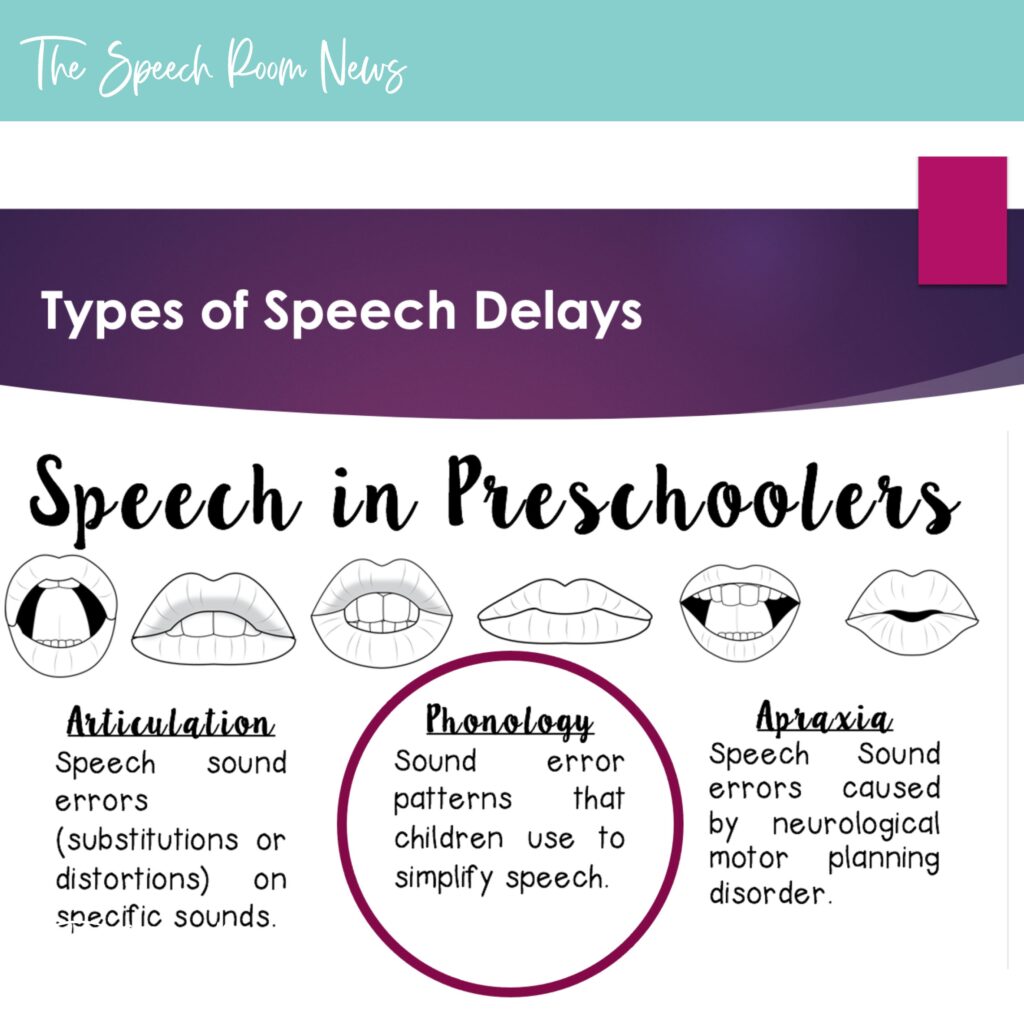
- "Articulation vs. Phonology: What’s the Difference and How We Address It": Demystifying common speech sound errors.
- "The Power of Play: Fostering Communication Skills Through Everyday Activities": Providing practical, engaging home strategies.
- "From Words to Wisdom: Supporting Vocabulary and Comprehension for Academic Success": Highlighting the link between language and learning.
- "Navigating Social Communication: Helping Your Child Connect and Communicate Effectively": Addressing pragmatic language skills.
- "Introduction to Augmentative and Alternative Communication (AAC): Tools for Every Voice": For schools with a significant population using AAC.
The key is to select a topic that not only informs but also empowers parents, making them feel like active participants in their child’s communication journey.
Solving Real Problems: Delivering Actionable Solutions
The most impactful presentations move beyond mere information dissemination to address and alleviate the genuine concerns parents harbor. It is not enough to describe what SLPs do; the focus must shift to how speech-language therapy directly resolves challenges parents observe in their children. This problem-solving approach builds trust, fosters collaboration, and demonstrates the tangible value of SLP services.
Parents often arrive at Curriculum Night with anxieties ranging from "Why isn’t my child talking as much as others?" to "How can I get my teenager to communicate more effectively?" An effective SLP presentation anticipates these questions and offers practical, evidence-based solutions. For example, if parents are concerned about their child’s limited vocabulary, the presentation could provide specific strategies for expanding vocabulary during meal times, story reading, or car rides. If a child struggles with following multi-step directions, the SLP could offer tips on breaking down instructions, using visual cues, or practicing listening skills through games.
A 2020 study published in the Journal of Speech, Language, and Hearing Research indicated that parental engagement in therapy, particularly when equipped with specific strategies, significantly correlated with improved generalization of communication skills into natural environments. By providing parents with "action steps" they can implement immediately at home, SLPs transform passive listeners into active partners. This approach moves the SLP from being perceived solely as a therapist who works with the child in isolation to a knowledgeable resource and partner in the child’s overall development. When parents leave a presentation feeling equipped with concrete tools and strategies, they are more likely to implement them, leading to more consistent progress for the student.
Parent-Friendly Language: Demystifying Complex Concepts
The world of special education, and speech-language pathology specifically, is replete with technical jargon, abbreviations, and complex terminology that can be overwhelming and alienating for parents. Terms like "phonological processes," "pragmatic language," "expressive vs. receptive language," "IEP," "RTI," or "AAC" are commonplace for professionals but can sound like a foreign language to a parent who is new to the system or simply unfamiliar with the field.
To ensure genuine understanding and engagement, SLPs must adopt a "parent-friendly" communication style. This means consciously simplifying language, avoiding acronyms without immediate explanation, and using relatable analogies. The advice to "explain things as if you were explaining it to a fifth grader" is profoundly apt. It acknowledges that parents, regardless of their educational background, deserve clear, accessible information that empowers them, rather than confusing or intimidating them.
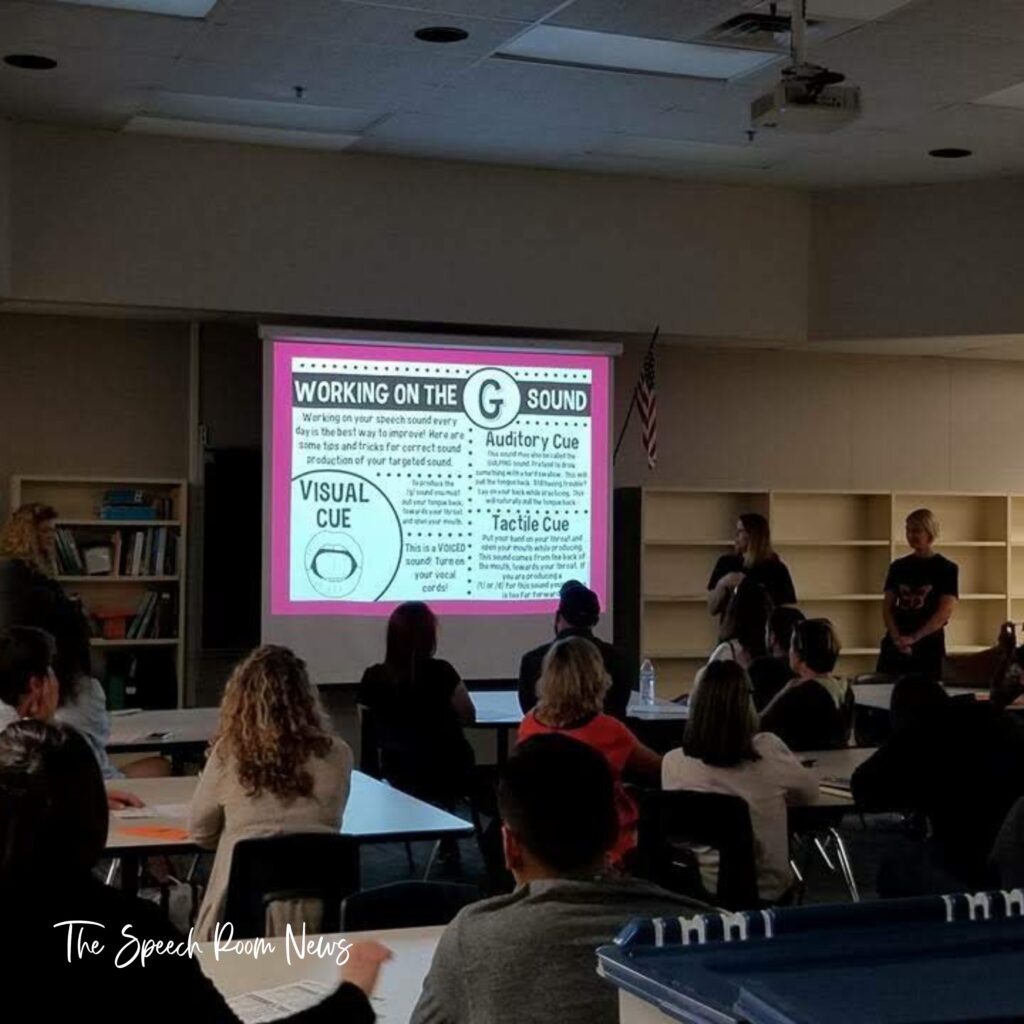
For example, instead of stating, "We’ll be targeting the child’s velar fronting through minimal pair contrasts," an SLP could say, "We’ll be helping your child learn to make sounds like ‘k’ and ‘g’ at the back of their mouth, instead of ‘t’ and ‘d’ at the front, by practicing words that sound almost the same, like ‘cat’ and ‘tat.’" This simple reframing ensures clarity and reduces cognitive load for parents. According to communication research, using plain language can improve comprehension rates by over 50% for complex topics. This principle is even more critical in special education, where parents are navigating emotionally charged decisions about their child’s future. By prioritizing simplicity, SLPs demonstrate respect for parents and foster an environment where questions are welcomed and understanding is prioritized, ultimately strengthening the collaborative relationship.
The Power of "Make and Take" Activities: Tangible Tools for Home
Incorporating an interactive "Make and Take" activity into a Curriculum Night presentation is a highly effective strategy for boosting engagement and providing parents with practical, ready-to-use resources. This hands-on approach transforms abstract concepts into concrete tools that parents can immediately integrate into their home routines to support their child’s speech and language development.
The "Make and Take" concept can be adapted to a multitude of therapy goals. For example:
- Communication Boards: Parents could create simple visual communication boards using pictures for common requests ("more," "help," "drink," "play") or daily routines.
- Articulation Practice Cards: Families could cut out and laminate cards featuring target sounds (e.g., ‘s’ words) with corresponding pictures.
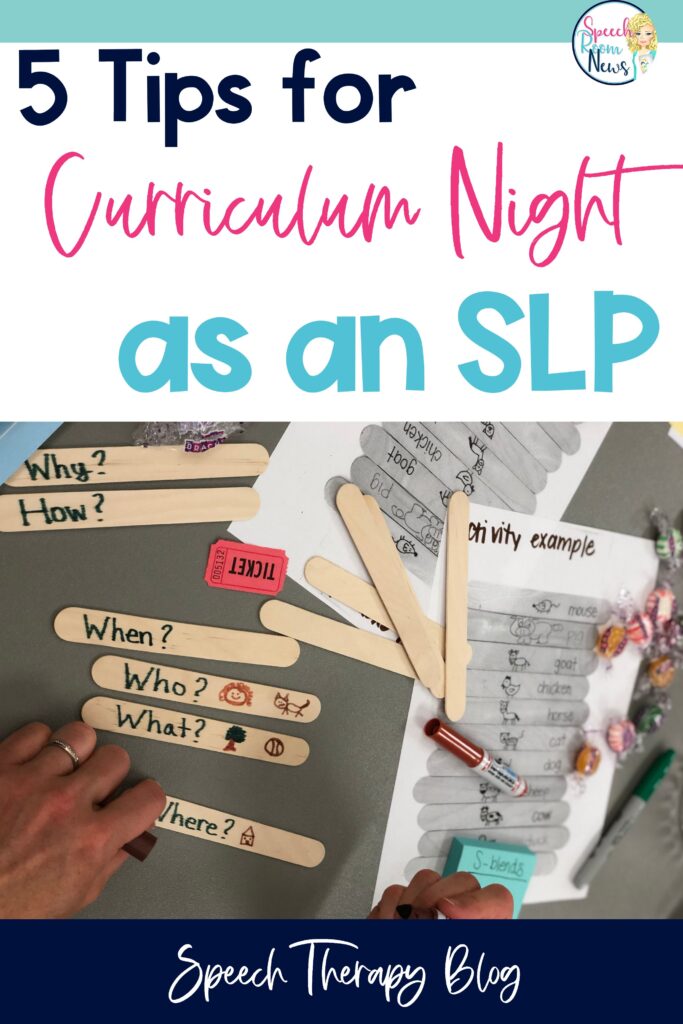
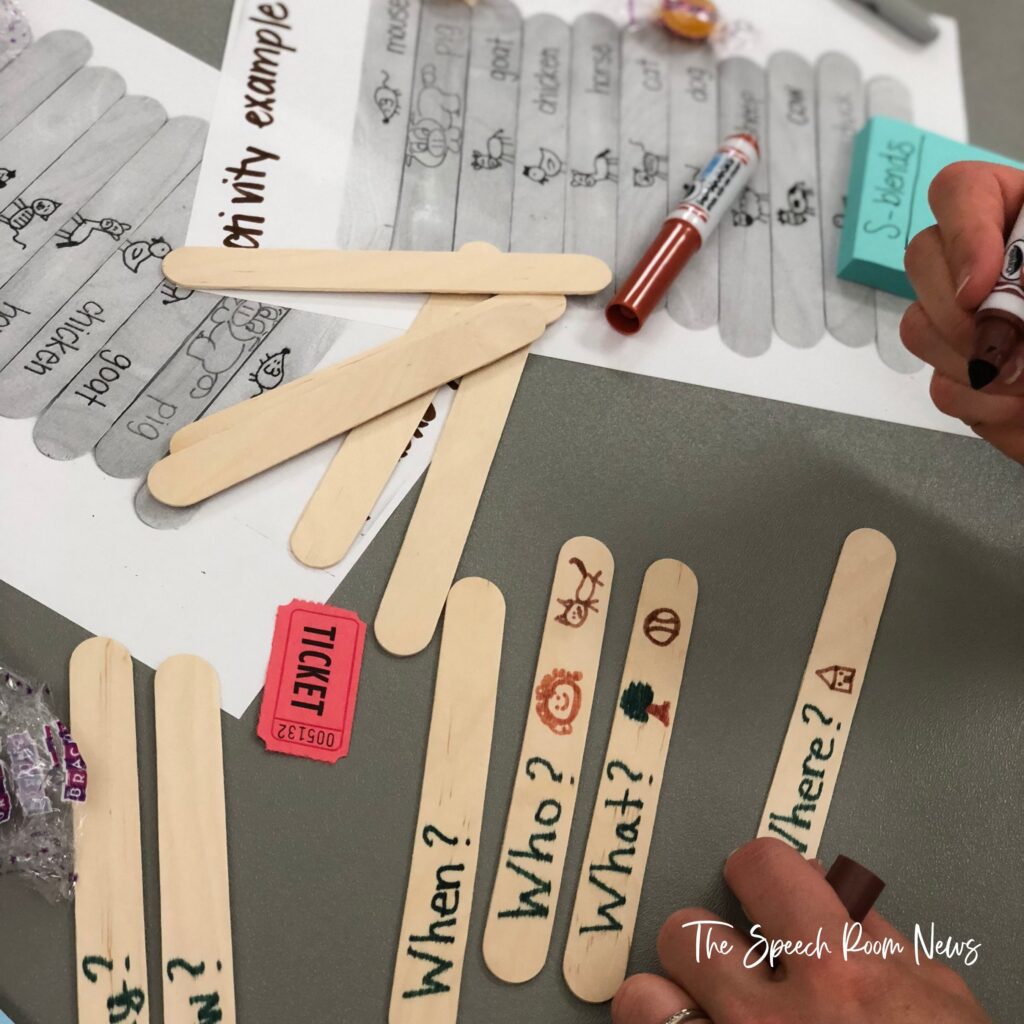
- "WH" Question Sticks: Parents can decorate craft sticks with question words (Who, What, Where, When, Why) to encourage questioning and comprehension during reading or daily conversations.
- Feeling Charts: Creating simple charts with different facial expressions to help children identify and express emotions.
- Story Retell Prompts: Crafting visual sequences or key word cards to aid children in retelling stories.
The pedagogical benefits of hands-on learning extend to adults, as active participation enhances memory retention and understanding. A "Make and Take" activity not only provides a tangible resource but also demystifies the creation of therapy materials, showing parents that effective tools don’t need to be complex or expensive. It reinforces the importance of their role in the therapeutic process, empowering them to actively contribute to their child’s progress. Furthermore, it creates a memorable experience, associating the SLP and the school with practical support and collaboration. Data suggests that parents who feel equipped with specific home-based strategies report higher satisfaction with therapy services and demonstrate greater consistency in supporting their child’s goals, ultimately leading to more pronounced and sustained therapeutic gains.
Comprehensive Parent Handouts: Sustained Support Beyond the Evening
Even the most engaging presentation can be difficult to fully absorb in a single sitting. Therefore, providing parents with comprehensive, informative handouts is a simple yet powerful strategy to extend the impact of Curriculum Night. These handouts serve as a critical reference guide, summarizing key discussion points, reiterating strategies, and offering additional resources for ongoing support.
Effective handouts should be clearly organized, visually appealing, and succinct. They should include:
- Key Takeaways: A bulleted list of the main points covered during the presentation.
- Home Practice Strategies: Specific, actionable tips for integrating communication practice into daily routines (e.g., "5 Ways to Boost Language During Dinner Time").
- Developmental Milestones: A simple chart outlining age-appropriate speech and language milestones, with a disclaimer to consult a professional if concerns arise.
- Recommended Resources: Links to reputable websites (e.g., ASHA, Reading Rockets), book lists, or local community programs.
- Contact Information: Clear details for the SLP, including email and phone number, encouraging follow-up questions.
- QR Codes: For quick access to online videos demonstrating strategies, printable worksheets, or a digital feedback form.
The provision of handouts demonstrates the SLP’s commitment to supporting parents beyond the immediate event. It acknowledges that parents are busy and may need time to process information or revisit strategies. Studies on educational material effectiveness suggest that well-designed handouts can significantly improve information recall and application over time. Moreover, making handouts available in multiple languages or accessible formats (e.g., large print, digital versions) further enhances inclusivity and ensures that all families can benefit. These resources empower parents to confidently reinforce learned skills at home, troubleshoot minor challenges, and advocate more effectively for their child’s needs, thereby solidifying the collaborative partnership essential for student success.
Broader Impact and Implications
An effectively executed Curriculum Night by SLPs yields benefits far beyond the immediate interaction. It contributes to:
- Enhanced Parent-Therapist Collaboration: Stronger partnerships lead to more consistent therapeutic carryover and better overall outcomes for students.
- Increased Parental Advocacy: Informed parents are better equipped to understand their child’s needs, participate meaningfully in IEP meetings, and advocate for appropriate services.
- Improved Student Outcomes: Consistent application of strategies at home, coupled with therapy, accelerates progress in communication skills, which are foundational for academic achievement and social-emotional development.
- Elevated Perception of SLP Role: Demonstrating expertise and offering practical support elevates the SLP’s standing within the school community, highlighting their vital, often underestimated, contribution to holistic education.
- Early Identification and Intervention: By educating parents on developmental milestones and red flags, Curriculum Night can indirectly contribute to earlier identification of communication delays, facilitating timely intervention.
In conclusion, Curriculum Night represents a critical juncture for Speech-Language Pathologists to connect, educate, and empower the parent community. By strategically selecting topics that address real parental concerns, communicating in clear, parent-friendly language, offering interactive "Make and Take" activities, and providing comprehensive handouts, SLPs can transform this annual event into a powerful catalyst for improved student communication and stronger home-school partnerships. This proactive engagement not only streamlines the therapeutic process but also cultivates a supportive ecosystem where every child has the opportunity to achieve their full communication potential.
