

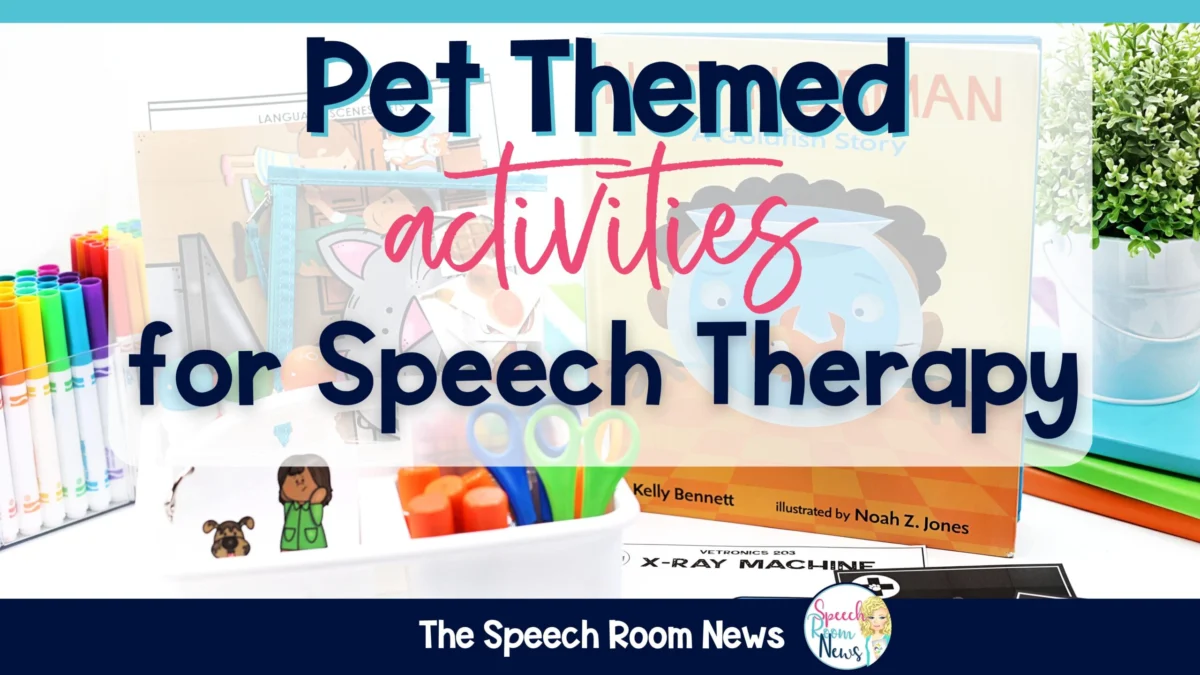
The field of speech and language pathology is increasingly adopting thematic approaches to enhance engagement and efficacy in therapeutic interventions, with "pet-themed" lessons emerging as a particularly versatile and impactful strategy for students across various developmental stages. This pedagogical shift addresses the dual goals of maximizing student participation and optimizing preparation efficiency for speech-language pathologists (SLPs), offering a sustainable model for year-round educational support. The strategic implementation of engaging themes, particularly those with broad appeal like pets, is proving instrumental in fostering comprehensive language development while offering practical benefits to clinicians.
The Evolution and Rationale Behind Thematic Learning in Therapy

Thematic learning, a pedagogical approach that integrates multiple subjects and skills around a central topic, has long been recognized for its capacity to create cohesive and meaningful learning experiences. In speech and language therapy, this methodology gains particular traction due to its inherent ability to provide a rich, contextualized environment for language acquisition and skill practice. Unlike isolated skill drills, thematic units naturally foster connections between vocabulary, grammar, narrative structures, and social communication within a relevant framework. The recent surge in popularity of non-holiday-specific themes, such as pets, reflects a calculated move by educators and therapists to develop resources that possess enduring utility and adaptability throughout the academic calendar. This contrasts sharply with holiday-specific materials, which, while engaging, have a limited window of application, often leading to underutilization and greater resource expenditure.
For speech-language pathologists, the adoption of year-round themes translates directly into significant time savings. Pre-prepped thematic activities eliminate the need for constant, individualized lesson planning from scratch, allowing SLPs to dedicate more time to direct student interaction, assessment, and progress monitoring. This operational efficiency is crucial in environments where SLPs often manage large caseloads and diverse student needs. Furthermore, the inherent fun and familiarity associated with themes like pets naturally captivate students, transforming therapy sessions from routine exercises into exciting, anticipated learning adventures. This heightened engagement is a critical factor in sustained attention and improved therapeutic outcomes, as motivated students are more likely to participate actively and generalize learned skills.
Key Benefits and Therapeutic Applications of Pet-Themed Interventions

The selection of a "pets" theme offers a unique blend of familiarity, emotional connection, and diverse linguistic opportunities. Almost universally, children have some experience with or understanding of pets, whether through personal ownership, interaction with friends’ animals, or exposure through media. This foundational knowledge provides a strong anchor for introducing new vocabulary, concepts, and grammatical structures.
- Enhanced Vocabulary Acquisition: A pet theme naturally introduces a wide array of nouns (e.g., dog, cat, fish, hamster, leash, collar, bowl, vet), verbs (e.g., feed, walk, cuddle, bark, purr, play), adjectives (e.g., furry, wet, playful, gentle, tiny, huge), and prepositions (e.g., in, on, under the bed/cage). This contextual learning promotes deeper understanding and retention compared to rote memorization.
- Articulation Practice: Many animal names and pet-related actions contain a variety of phonemes, providing ample opportunities for targeted articulation practice. For example, "dog," "cat," "fish," "bird," "snake," "rabbit," "mouse" cover sounds like /d/, /g/, /k/, /t/, /f/, /sh/, /b/, /r/, /s/, /n/, /m/. Interactive digital games, such as "Feed the Dog Articulation Boom Cards," leverage this by prompting students to produce target sounds as they "feed" the virtual pet, often incorporating auditory feedback for a multi-sensory experience.
- Narrative Skills Development: Storybooks centered around pets are invaluable tools for building narrative structures, sequence of events, character development, and problem-solving. Books like Kelly Bennett’s "Not Norman," Angela DiTerlizzi’s "Some Pets," and Anna McQuinn’s "Lola Gets a Cat" provide relatable scenarios that encourage students to predict outcomes, describe feelings, and retell stories, all crucial components of strong narrative abilities.
- Social Communication Skills: Role-playing scenarios, particularly those involving a "vet clinic," offer rich opportunities for practicing social communication. Students can engage in turn-taking, asking and answering questions, expressing empathy, following directions, and negotiating roles. These activities naturally promote joint attention and cooperative play, foundational skills for effective social interaction.
- Grammar and Syntax: Thematic activities provide a natural context for practicing grammatical structures. For instance, describing pet actions can target verb tenses (e.g., "The dog is barking," "The cat jumped"), while discussing pet characteristics can reinforce adjectives and comparative/superlative forms.
- Phonological Awareness: Songs like "I Have a Pet," "Do You Have a Pet?," "I Love Dogs," and "Wag Your Tail" are excellent for targeting phonological awareness skills such as rhyming, alliteration, and segmenting words into syllables, all within an engaging musical format that benefits early learners.
Structured Resources and Their Impact on Therapeutic Practice
The development of comprehensive "SLP Kits" for themes like "Pets" signifies a maturation in the provision of therapeutic resources. These kits are meticulously designed to provide an entire month’s worth of lessons and activities, alleviating the planning burden on SLPs. A typical kit might include:

- Therapy Printables: Worksheets, flashcards, and visual aids tailored to the pet theme, targeting various language and articulation goals.
- Interactive Play Resources: Materials that complement toys and games, encouraging hands-on learning.
- Circle Time Lessons: Structured group activities that incorporate storytelling, songs, and discussions around the theme, promoting shared learning experiences.
- Parent Handouts: Resources designed to empower parents to extend learning and practice at home, fostering a collaborative therapeutic environment.
- Crafts and Sensory Play Ideas: Activities that engage multiple senses and fine motor skills, such as creating a "Clifford the Big Red Dog" craft or designing a pet-themed sensory bin filled with kinetic sand, pet figures, and grooming tools. These multi-sensory experiences enhance descriptive language and concept development (e.g., "I see a pointy black ear sticking out!").
- Book Companions: Supplementary materials for popular children’s books, providing targeted questions and activities to maximize linguistic benefits.
These kits represent a significant step forward in standardizing high-quality, engaging therapy across different clinical settings. They ensure that SLPs, regardless of their individual experience level, have access to a well-structured curriculum that is both effective and enjoyable for students.
Play-Based Interventions: The Power of Themed Toys
Integrating themed toys into speech therapy is a highly effective strategy, particularly for preschool and early elementary students. Toys like the "Critter Clinic Toy Vet Set" and "Hape Family Pet Houses" exemplify how play can be leveraged for therapeutic goals without children even realizing they are "working."

The "Critter Clinic," for instance, with its lockable doors, stuffed animals, and veterinary tools, facilitates:
- Action Word Practice: Opening, closing, locking, unlocking, feeding, bandaging, examining.
- Prepositional Concepts: In, out, under, on top of the clinic/cage.
- Core Vocabulary: Vet, animal, sick, medicine, bandage, doctor.
- Turn-Taking and Requesting: Essential social communication skills practiced during cooperative play.
- Problem-Solving: Deciding what’s "wrong" with the animal and how to "fix" it.
Similarly, the "Hape Family Pet Houses" set, with its small, detailed pieces, provides a miniature world for language exploration:
- Descriptive Language: Describing the pets, their houses, and accessories (e.g., "a small, fluffy cat," "a blue birdcage").
- Spatial Concepts: Placing pets in the house, on the rug, under the table.
- Action Verbs: The pets sleeping, eating, playing, running.
- Sequencing and Storytelling: Creating mini-narratives about the pets’ daily lives.
These play-based approaches are supported by extensive research demonstrating that children learn best when actively engaged and intrinsically motivated. Thematic toys transform abstract linguistic targets into tangible, interactive experiences, making learning both natural and enjoyable.

Broader Implications and Future Outlook
The widespread adoption of thematic units, particularly those as universally appealing and adaptable as "pets," underscores a significant trend in speech and language therapy: a move towards more holistic, engaging, and resource-efficient interventions. This shift benefits not only the students, who receive more stimulating and effective therapy, but also the SLPs, who are better equipped to manage their demanding roles with high-quality, readily available materials.
Leading speech-language pathologists and educational researchers frequently highlight the importance of creating language-rich environments that mirror real-world experiences. Thematic units like the pet theme excel in this regard, providing a coherent framework that can be easily extended from the therapy room into the classroom and home environments. The inclusion of parent handouts in comprehensive kits further strengthens this bridge, empowering caregivers to reinforce therapeutic goals in daily routines, thereby maximizing the potential for generalization of skills.

The continued development of interactive digital resources, such as Boom Cards, also signals the growing integration of technology into speech therapy. These tools offer dynamic, self-correcting activities that cater to diverse learning styles and provide immediate feedback, which is crucial for skill acquisition.
In conclusion, the strategic implementation of thematic lessons, with a particular emphasis on broadly appealing and adaptable themes like pets, represents a robust and effective approach in contemporary speech and language pathology. By fostering engagement, streamlining professional workflows, and providing a rich context for diverse linguistic targets, these interventions are poised to play an increasingly vital role in supporting the communicative development of children. The trend towards comprehensive, ready-to-use thematic kits reflects a commitment within the profession to innovative, evidence-based practices that prioritize both efficacy and accessibility.
