


Curriculum Night is a pivotal opportunity for Speech-Language Pathologists (SLPs) to forge crucial connections with parents, illuminate the multifaceted nature of their work, and offer a transparent view into the realm of speech and language therapy. This annual event serves as a critical interface for educational professionals and families, underscoring the collaborative spirit essential for student success. For SLPs, strategically leveraging this platform through five essential tips can significantly enhance parent engagement and amplify the perceived value of their specialized contributions to the educational ecosystem.
Background and Context: The Evolving Role of SLPs in Education
Curriculum Night, traditionally a forum for classroom teachers to introduce academic plans and classroom expectations, has evolved into a comprehensive school-wide event. It allows parents to immerse themselves in their child’s learning environment, meet various educators, and gain insight into the academic year ahead. For families navigating the complexities of special education, this evening holds particular significance, offering a chance to understand the specialized support systems in place. Historically, the role of Speech-Language Pathologists in schools has shifted dramatically. Once primarily viewed as providers of remedial speech correction, SLPs are now recognized as integral educational partners, contributing significantly to literacy development, social communication, and overall academic achievement. This paradigm shift, largely driven by legislative mandates like the Individuals with Disabilities Education Act (IDEA), emphasizes inclusive education and the necessity of related services professionals working collaboratively with general education staff and families.

A 2022 report by the American Speech-Language-Hearing Association (ASHA) highlighted that over 50% of its members work in school settings, underscoring the pervasive presence and crucial role of SLPs in supporting student populations. Their expertise extends beyond articulation, encompassing receptive and expressive language, fluency, voice, pragmatic language, and even feeding/swallowing disorders, all of which can profoundly impact a child’s ability to access the curriculum and thrive socially. Therefore, SLP participation in Curriculum Night is no longer merely an option but a strategic imperative. It provides a dedicated space to demystify speech and language development, articulate the therapeutic process, and demonstrate how these specialized interventions are vital for holistic student development and academic equity. In many progressive districts, like a preschool program cited where parents could choose sessions on communication, play, or behavior, this inclusive approach has consistently fostered successful communication and collaboration with families, illustrating the profound benefits of tailored engagement.
The Strategic Imperative: Choosing Impactful Topics
The foundation of a successful Curriculum Night presentation for an SLP begins with the judicious selection of a topic. This choice is paramount in captivating the audience and ensuring parents depart with a profound and clear understanding of the SLP’s function within their child’s educational journey. The selected topic must resonate with parental concerns, address common misconceptions, and ultimately empower families with actionable insights.
Consider topics that bridge general educational goals with specific speech and language objectives. For instance, focusing on "Communication Milestones: What to Expect and When to Act" provides parents with essential developmental benchmarks. This can include typical age ranges for first words (12-18 months), two-word phrases (18-24 months), and conversational skills (3-5 years), alongside red flags that might indicate a need for further assessment. Presenting data from organizations like the Centers for Disease Control and Prevention (CDC) on developmental milestones can lend credibility and offer parents a concrete reference point.

Another highly impactful topic could be "Effective Home Practice Strategies: Bridging Therapy and Daily Life." This moves beyond theoretical concepts, offering parents practical, easy-to-implement activities. Examples might include integrating articulation practice into daily routines like meal times or car rides, using visual schedules to improve receptive language and sequencing, or fostering narrative skills through shared storybook reading. According to a 2021 study published in the Journal of Speech, Language, and Hearing Research, consistent home practice, even for short durations, significantly correlates with faster progress in therapy goals.
Further topics could delve into "Understanding Speech and Language Therapy: Approaches and Benefits," providing a brief overview of common therapeutic modalities, such as articulation therapy using phonological awareness techniques, fluency interventions like easy onset, or strategies for enhancing receptive and expressive language skills through play-based or structured activities. For students with more complex communication needs, "Augmentative and Alternative Communication (AAC): Tools for Every Voice" is becoming increasingly relevant. Explaining various AAC systems, from low-tech picture exchange communication systems (PECS) to high-tech speech-generating devices, can demystify these tools and highlight their potential to unlock communication for non-verbal or minimally verbal students. Finally, "Literacy and Language: The SLP’s Role in Reading Readiness" can illustrate the crucial link between oral language development and reading acquisition, a connection often overlooked by parents and general educators alike. By selecting topics that are both intriguing and directly address the perceived needs of parents, SLPs can effectively showcase the breadth and depth of their contribution.
Addressing Core Parental Concerns: The Problem-Solving Approach
A critical aspect of an SLP’s Curriculum Night presentation is to transcend mere informational dissemination and actively engage in solving real problems parents face. It is insufficient to simply outline the services provided; rather, the focus must shift to understanding and alleviating the tangible challenges that families encounter daily. This strategic pivot demonstrates the profound and practical impact of speech-language therapy on a child’s developmental trajectory and overall well-being.
Parents frequently grapple with a spectrum of concerns, ranging from their child’s academic performance in subjects like reading and writing, to their social integration and ability to form peer relationships, and even anxieties about future educational and career prospects. An SLP’s presentation can directly address these worries by providing concrete examples of how therapeutic interventions translate into real-world improvements. For instance, if a child struggles with expressive language, the SLP can explain how therapy provides strategies for formulating clearer sentences, leading to improved participation in classroom discussions and more effective social interactions. If articulation difficulties lead to frustration, the SLP can offer insights into techniques that empower children to communicate more intelligibly, thereby boosting self-confidence.
This problem-solving framework builds indispensable trust and fosters a truly collaborative relationship between parents and the therapy team. When parents perceive the SLP not just as a service provider but as a knowledgeable partner equipped to offer practical solutions, they become more invested and proactive in their child’s therapeutic journey. This collaborative ethos ultimately leads to more consistent home support and, consequently, more effective progress for the student. For example, a parent might be concerned about their child’s difficulty following multi-step directions. The SLP could present strategies like breaking down commands, using visual cues, or practicing active listening games at home. This approach shifts the narrative from "my child has a deficit" to "here are tools we can use together to help my child succeed." As Dr. Sarah Johnson, a leading expert in pediatric speech-language pathology, noted in a recent symposium, "Parents don’t just want to know what we do; they want to know how what we do will positively impact their child’s daily life and future." This perspective underscores that the SLP’s role extends beyond clinical techniques to being a vital resource and a steadfast partner in each child’s educational voyage, ensuring that parents leave the presentation with actionable steps they can genuinely implement at home.
Fostering Clarity: The Power of Parent-Friendly Language
The complexity inherent in special education, particularly in the specialized field of speech-language pathology, often presents a significant communication barrier. Jargon, technical terminology, and a plethora of acronyms can easily alienate parents, leaving them feeling confused, overwhelmed, and disengaged. It is therefore imperative for SLPs to adopt a "parent-friendly language" approach during Curriculum Night presentations, ensuring that information is accessible and understandable to all attendees, regardless of their prior knowledge or educational background.
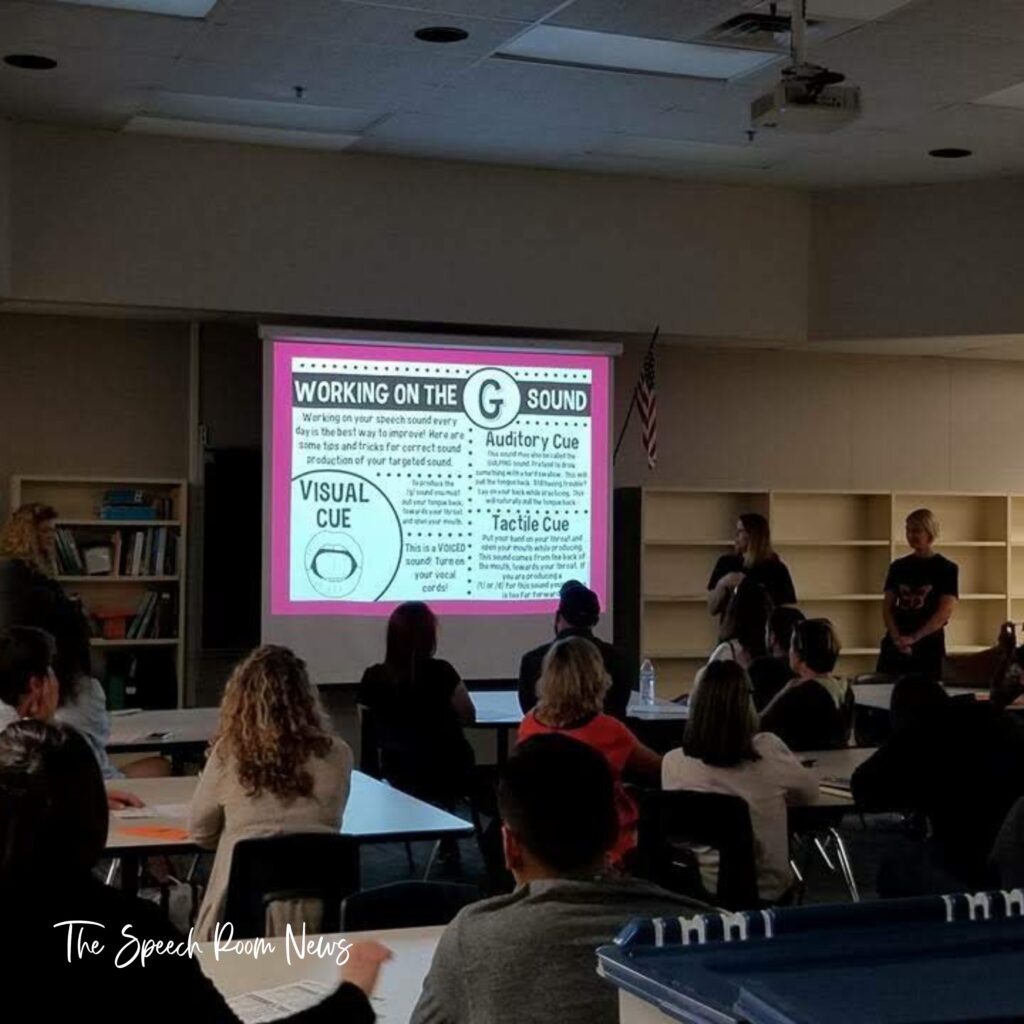
Consider the common experience of sitting through a presentation where the speaker uses unfamiliar terms without adequate explanation. This scenario, often described as "being lost in translation," can be particularly frustrating for parents who are already navigating the emotional and logistical challenges of supporting a child with special needs. In the realm of speech-language pathology, terms like "phonological processes," "pragmatic language deficits," "fluency disorders," "augmentative and alternative communication (AAC)," and acronyms such as IEP (Individualized Education Program), FAPE (Free Appropriate Public Education), LRE (Least Restrictive Environment), and SPD (Speech-Pathology Department) are commonplace for professionals but can be entirely foreign to parents.
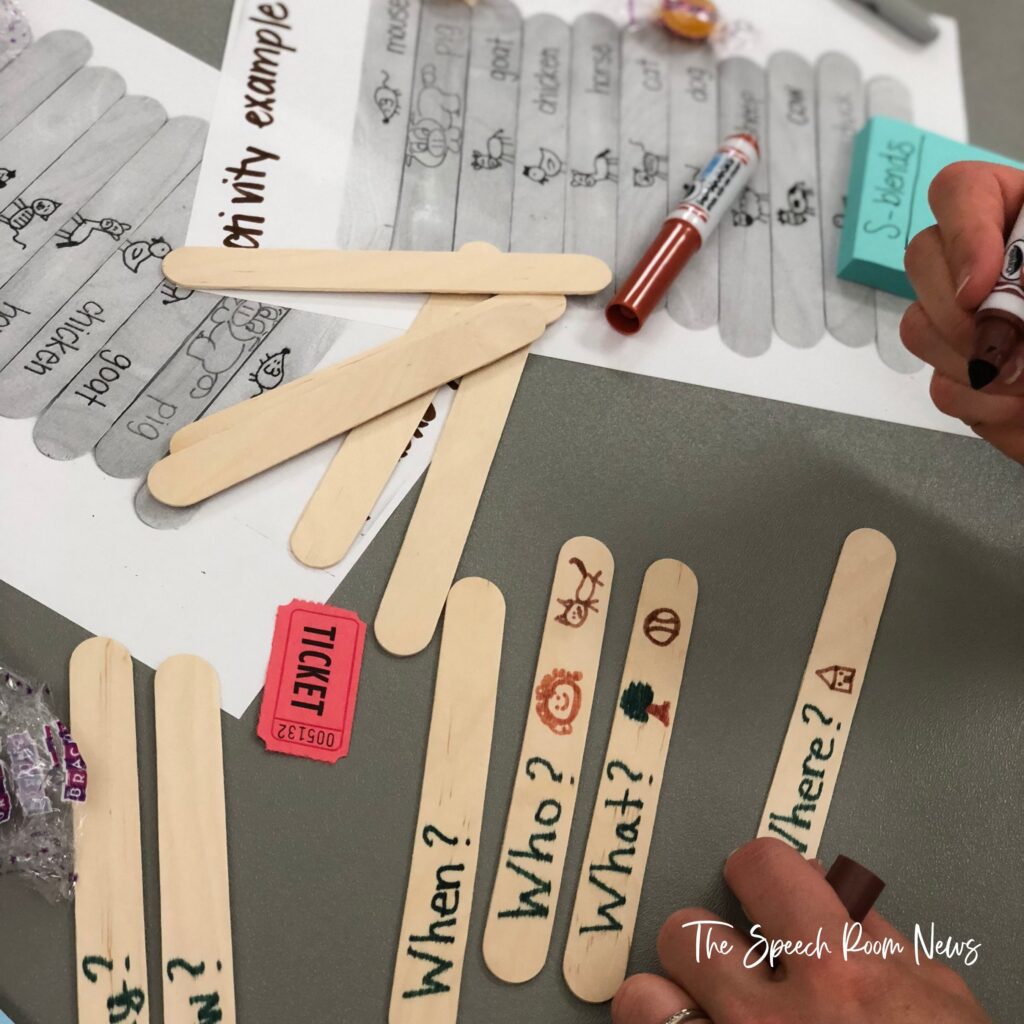
A powerful strategy is to simplify explanations to a level comparable to explaining concepts to a fifth grader. This analogy encourages SLPs to strip away unnecessary complexity, avoid clinical jargon, and use straightforward, everyday language. For example, instead of discussing "phonological processes," an SLP might explain it as "the patterns children use to simplify speech sounds, like saying ‘tat’ for ‘cat.’" Similarly, "receptive language" can be simply defined as "understanding what others say," while "expressive language" becomes "how a child uses words to tell you what they think or want."
The impact of this approach is profound. Surveys conducted by parent advocacy groups consistently show that clear, jargon-free communication is a primary driver of parental satisfaction and engagement in their child’s special education process. When parents understand the concepts, they are better equipped to participate meaningfully in IEP meetings, reinforce therapeutic strategies at home, and advocate effectively for their child. They appreciate the professional guidance that demystifies complex information. This commitment to linguistic clarity not only builds trust and rapport but also ensures that the valuable insights shared during Curriculum Night are truly absorbed and acted upon by the families they are intended to serve, fostering a stronger home-school partnership that directly benefits student outcomes.
Engaging Hands-On: The "Make and Take" Initiative
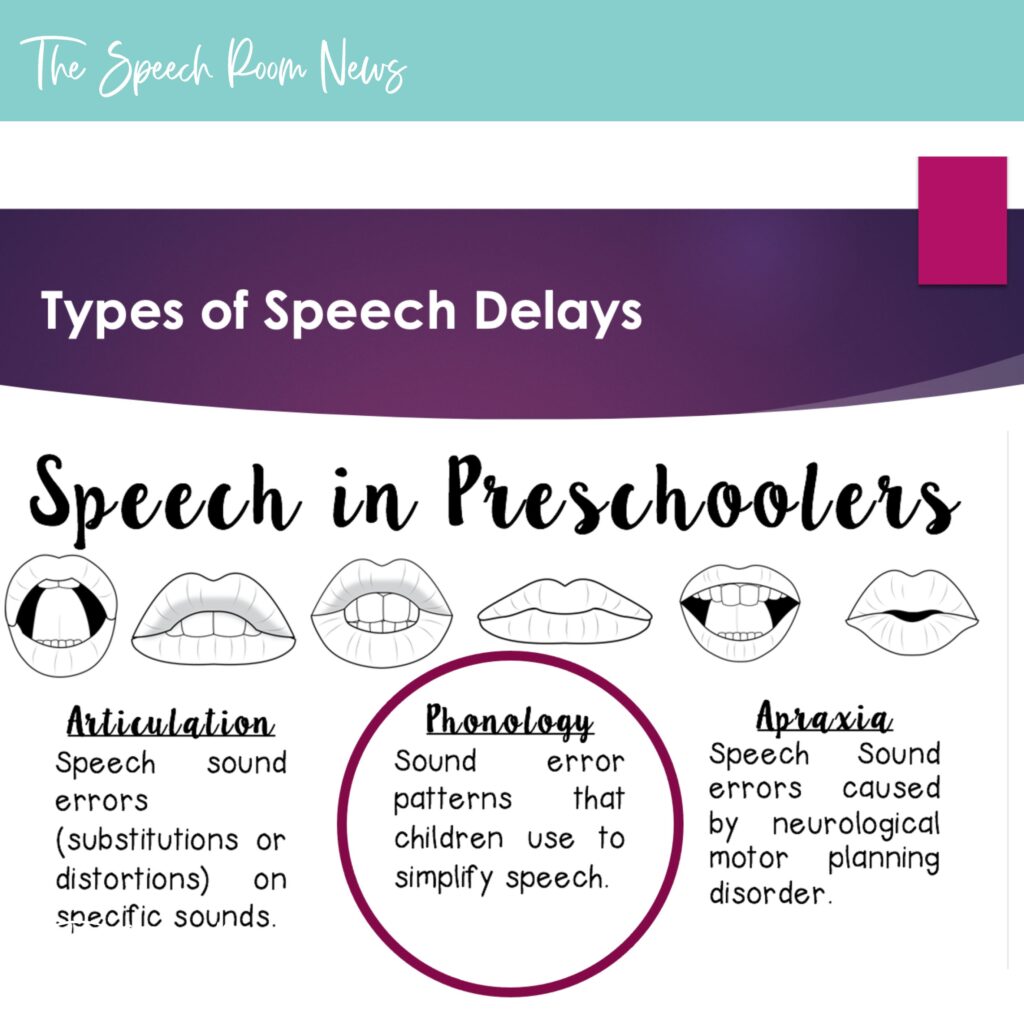
Beyond verbal explanations and visual aids, incorporating an interactive "Make and Take" activity into the Curriculum Night presentation offers a unique and highly effective method for engaging parents. This hands-on approach transforms passive listening into active participation, providing parents with tangible, practical tools they can immediately utilize to support their child’s speech and language development within the home environment.
The pedagogical benefits of "Make and Take" activities are well-documented in adult learning theory, emphasizing that active engagement and the creation of a physical product significantly enhance retention and skill transfer. For SLPs, this means moving beyond theoretical discussions to empowering parents with concrete resources. Imagine parents creating simple articulation practice cards customized with their child’s target sounds, or assembling visual schedules that can be adapted for morning routines or homework completion, thereby improving receptive language and sequencing skills. Other ideas could include crafting early literacy game components like rhyming word cards, or even putting together basic communication boards for expressing needs and wants using pictures. For children requiring sensory support to regulate attention for communication tasks, a simple "fidget toolkit" might be created with easily accessible household items.
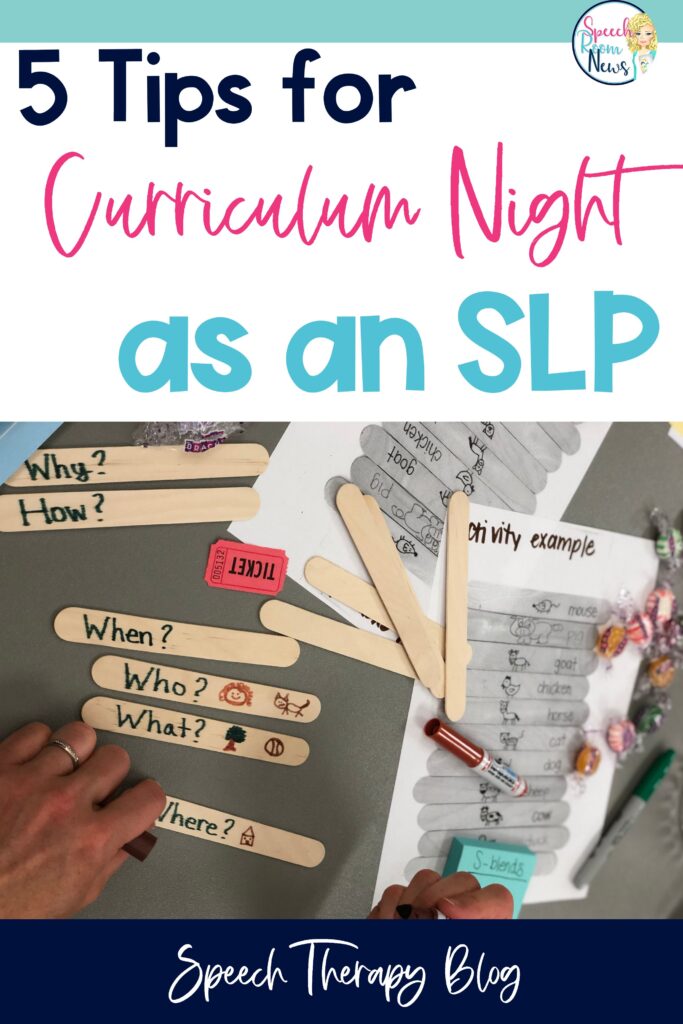
The psychological impact of such an activity is equally significant. It fosters a sense of empowerment, allowing parents to feel directly involved and proactive in their child’s progress. They gain ownership over the tools they create, which increases the likelihood of consistent use at home. This active participation reinforces the critical message that parents are not merely recipients of information but vital partners in the therapeutic process. For example, a parent who actively constructs a "wh-question stick" – a visual aid designed to prompt questions like "who," "what," "where," "when," and "why" – is far more likely to integrate this tool into daily conversations than one who simply receives a pre-made handout. The act of making instills confidence and a deeper understanding of the tool’s purpose and application. As one parent remarked after a similar event, "I finally feel like I have something concrete I can do at home to help, not just listen to." This tangible outcome leaves families with valuable, personalized resources, extending the impact of Curriculum Night long after the event concludes and fostering a sustained commitment to their child’s communication growth.
Sustaining Engagement: The Value of Informative Handouts
The conclusion of a Curriculum Night presentation marks the beginning of continued application for parents, and providing informative handouts is a simple yet profoundly effective strategy to ensure the valuable discussions are not lost to memory. These handouts serve as crucial reference guides, extending the reach of the presentation and empowering parents with ongoing support and resources.
Effective handouts should encapsulate a concise summary of the key points discussed during the presentation. This includes simplified explanations of speech and language concepts, a recap of the problem-solving strategies offered, and clear guidance on the "Make and Take" activity if one was implemented. Crucially, they should also contain a wealth of practical tips and strategies that parents can readily implement at home. For instance, if the topic was early language development, the handout might include suggestions for engaging in "serve and return" interactions, expanding vocabulary during playtime, or reading aloud techniques. If articulation was the focus, specific practice exercises or cues could be provided.
Beyond summarizing the presentation, these materials should also direct parents to recommended external resources. This could include reputable websites (e.g., ASHA, Reading Rockets), age-appropriate books that foster language skills, or information about local parent support groups and community services. Providing contact information for the SLP and other relevant school support staff is also essential, facilitating future communication and follow-up questions. A well-designed handout might even include a brief Frequently Asked Questions (FAQ) section, proactively addressing common parental queries.
Data consistently indicates that supplementary materials significantly enhance information retention and application. A 2020 meta-analysis on adult education strategies found that learners provided with comprehensive take-home materials demonstrated a 30-40% higher recall rate and greater likelihood of implementing learned strategies compared to those who only received verbal instruction. For parents, who often process a vast amount of information during Curriculum Night, these handouts act as a tangible anchor, allowing them to revisit concepts at their own pace and integrate new strategies into their daily routines. By providing this robust resource, SLPs not only demonstrate their unwavering commitment to the child’s
