

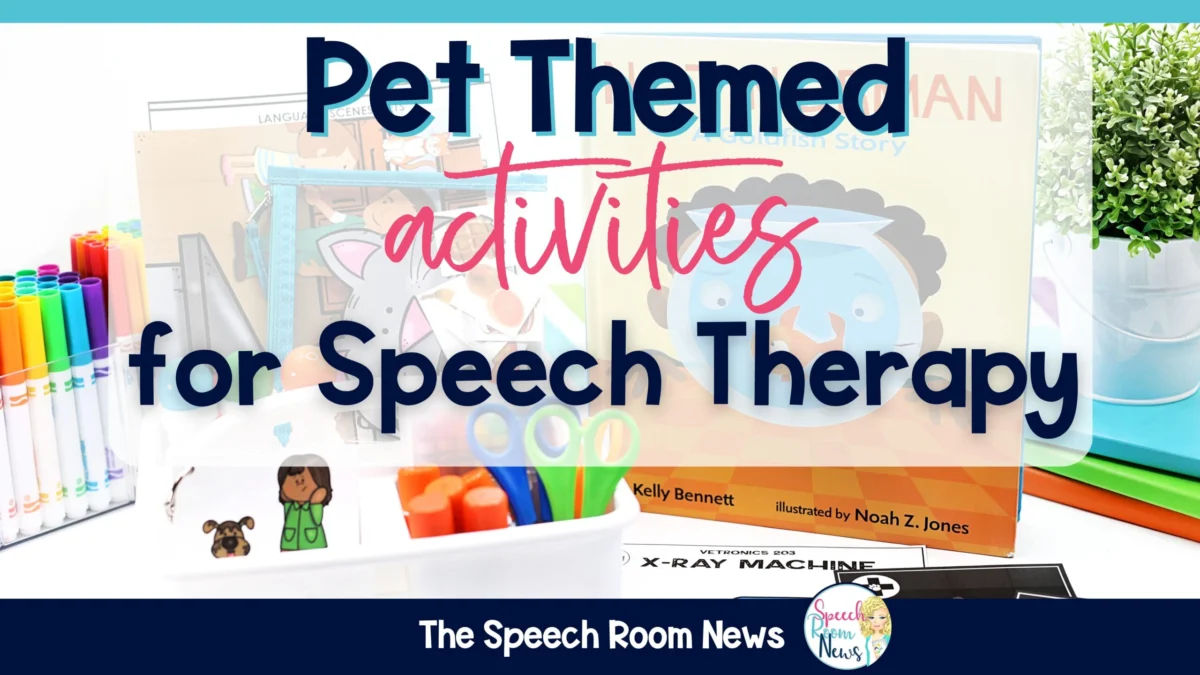
The field of speech-language pathology (SLP) has continuously evolved, moving towards increasingly child-centric and engaging therapeutic methodologies to optimize outcomes for young learners. Among these innovative strategies, the implementation of thematic units stands out as a particularly effective approach, offering a structured yet flexible framework for addressing diverse speech and language goals. Year-round themes, such as the widely popular "pets theme," have garnered significant attention from clinicians due to their inherent ability to foster student engagement, streamline preparation, and provide versatile tools applicable across various developmental stages and therapeutic objectives. This approach not only enhances the learning experience for children but also offers substantial practical benefits for speech-language pathologists, revolutionizing how therapeutic interventions are planned and delivered.

The Pedagogical Foundation of Thematic Learning in SLP
The integration of thematic units into speech and language therapy is rooted in sound pedagogical principles that emphasize holistic learning and intrinsic motivation. Research in early childhood education consistently demonstrates that children learn most effectively when information is presented in a meaningful, interconnected context. Themes provide this context, allowing for the natural repetition and generalization of target skills across a variety of activities and modalities. When children are genuinely interested in a topic, their cognitive resources are more readily available for learning, leading to improved attention, memory retention, and participation.
For children undergoing speech and language therapy, who may face challenges with communication, the familiarity and appeal of a theme like "pets" can significantly reduce anxiety and build confidence. Pets are a universal source of fascination and comfort for many children, making the theme inherently relatable and stimulating. This emotional connection translates into heightened engagement, transforming therapy sessions from structured exercises into enjoyable, interactive experiences. Furthermore, a thematic approach aligns with play-based learning models, which are widely recognized as best practices for early intervention. Through imaginative play centered around a theme, children can practice language skills in a low-pressure, naturalistic environment, mirroring real-world communication scenarios. This not only makes therapy more fun but also more effective in promoting functional communication.

The Pet Theme: A Case Study in Engagement and Efficacy
The "pets theme" serves as an exemplary model for how thematic units can be meticulously planned and executed to target a broad spectrum of speech and language goals. Its versatility allows for seamless integration into various aspects of therapy, from vocabulary acquisition and articulation practice to narrative development and social communication skills. The enduring appeal of animals ensures sustained interest, making it a valuable, repeatable theme that can be revisited multiple times throughout the year without losing its novelty.
Literary Engagements: Books as Therapeutic Tools
Children’s literature forms a cornerstone of any effective thematic unit, providing rich narrative contexts and extensive vocabulary exposure. Within a pet theme, carefully selected books become powerful therapeutic instruments.

- "Not Norman" by Kelly Bennett: This humorous story about a boy who initially disdains his pet goldfish, Norman, before realizing his unique value, is excellent for targeting narrative sequencing, understanding character emotions, and developing perspective-taking skills. Clinicians can use it to discuss complex feelings like disappointment, acceptance, and affection. Questions such as "How did the boy feel when he first got Norman?" or "What did he learn about pets by the end of the story?" facilitate comprehension and encourage the use of descriptive language and emotional vocabulary.
- "Some Pets" by Angela DiTerlizzi: With its vibrant illustrations and diverse portrayal of children and their animal companions, this book is ideal for early learners. It provides ample opportunities for basic vocabulary expansion related to animals, actions, and ownership. SLPs can use it to practice identifying different pets, describing their features, and contrasting their characteristics. The repetitive nature of many children’s books also supports phonological awareness and early literacy skills.
- "Lola Gets a Cat" by Anna McQuinn: This story delves into the responsibilities of pet ownership, moving beyond the initial excitement to the practicalities. It’s excellent for addressing executive function skills, such as planning and problem-solving, as well as discussing cause-and-effect relationships. It encourages children to think about what a pet needs, promoting the use of functional language and understanding of routines. Through these stories, children engage with concepts like animal care, emotional bonds, and the joy of companionship, all while honing their communication abilities.
Beyond these examples, an interactive vocabulary book specifically designed around pets can systematically introduce and reinforce terminology related to animal types, body parts, actions, and care items. Such books often feature visual aids and repetitive structures, making them highly effective for building receptive and expressive vocabulary in young children and those with language delays.
Auditory and Digital Learning: Songs and Interactive Games
Integrating auditory and digital resources provides dynamic avenues for speech and language practice, catering to different learning styles and maintaining high levels of engagement.

- Pet-Themed Songs: Songs like "I Have a Pet," "Do You Have a Pet?," "I Love Dogs," and "Wag Your Tail" are invaluable for early childhood speech therapy. Their rhythmic, repetitive nature makes them perfect for practicing animal sounds, identifying word patterns, developing action words, and reinforcing basic vocabulary. The melodic structure aids memory and provides a fun, low-pressure way to encourage vocalization and imitation. These songs can also be used to target specific articulation sounds through repeated exposure in a natural context.
- Interactive Digital Games: Digital platforms have revolutionized therapy delivery, and pet-themed games like "Feed the Dog Articulation Boom Cards" exemplify their potential. In this interactive online game, children "feed" the virtual dog by correctly articulating target speech sounds. The immediate auditory feedback (a "crunch" sound) serves as a powerful reinforcer, making the repetitive practice required for articulation mastery highly engaging. Such games can be customized to target all articulation sounds, providing a flexible and motivating tool for phonological and articulation disorders. The visual and auditory interactivity keeps children focused, transforming what could be mundane drill practice into an exciting game.
- Color and Play Pets Bingo: This classic game, adapted for speech therapy, offers a versatile platform for targeting multiple goals. It can be used for identifying pets by name, describing their characteristics, or practicing specific articulation sounds associated with the animals (e.g., "cat" for /k/ sound, "fish" for /f/ sound). The game format encourages turn-taking, following directions, and social interaction, which are crucial social communication skills.
Tactile and Experiential Learning: Toys, Crafts, and Sensory Bins
Hands-on activities are paramount in pediatric therapy, offering multi-sensory experiences that solidify learning and promote deeper understanding.
- Critter Clinic Toy Vet Set: This highly versatile toy, featuring small doors, locks, two stuffed animals, and veterinary tools, provides a rich environment for imaginative play and language development. SLPs can use it to target:
- Vocabulary: Names of animals, body parts, veterinary tools (stethoscope, syringe, thermometer), actions (examine, treat, heal).
- Functional Language: Requests ("Can I have the bandage?"), questions ("What’s wrong with the puppy?"), descriptive language ("The cat has soft fur").
- Narrative Skills: Creating stories about sick pets and their recovery, sequencing events.
- Social Skills: Role-playing, turn-taking, empathy. The ability to manipulate objects and engage in pretend play makes abstract concepts more concrete and understandable for children.
- Hape Family Pet Houses: This set, with its small pieces and animal figures, is excellent for targeting prepositional concepts (in, on, under), spatial relationships, and expanding sentence length. Children can be prompted to describe where the pets are ("The dog is inside the kennel," "The bird is on the perch"), fostering the use of complex sentences and precise vocabulary.
- Crafts: A "Clifford the Big Red Dog" paper plate craft, for instance, not only provides a fun creative outlet but also reinforces thematic vocabulary and offers opportunities to practice following multi-step directions. During the craft, SLPs can prompt descriptive language ("What color is Clifford?"), action verbs ("cut," "glue"), and discuss the story of Clifford, linking the activity back to literacy.
- Sensory Play (e.g., Pet-Themed Sensory Bin): Sensory bins, filled with materials like rice, beans, or shredded paper and hidden pet figurines, offer a tactile and engaging way to target descriptive language. Children can use words to describe what they feel ("bumpy," "smooth"), what they see sticking out ("a pointy black ear"), and engage in turn-taking while searching for the hidden animals. This activity also promotes fine motor skills and sustained attention.
Benefits for Speech-Language Pathologists: Efficiency and Versatility
Beyond student engagement, the thematic approach offers significant practical advantages for speech-language pathologists. Time is a precious commodity for clinicians, and themed materials, especially comprehensive kits, drastically reduce preparation time. Instead of individually planning activities for each session and each child’s unique goals, SLPs can leverage pre-prepped, multi-functional resources. This efficiency allows them to dedicate more time to direct therapy, data collection, and individualized assessment.

Moreover, non-holiday themes like "pets" represent a true cost-saver. Unlike holiday-specific materials that might only be usable once a year, evergreen themes can be recycled and adapted throughout the year, maximizing their utility and return on investment. A single pet-themed kit can be pulled out three or four times annually, providing fresh engagement without requiring new purchases. This adaptability also extends to diverse caseloads, as pet themes can be tailored to address a wide range of developmental levels and disorder types, from articulation and phonological disorders to expressive and receptive language delays, and even social communication challenges. The consistency of themes also provides a predictable structure for children, which can be particularly beneficial for those with autism spectrum disorder or anxiety, fostering a sense of security and readiness to learn.
Broader Implications and Future Directions
The widespread adoption of thematic units in speech-language pathology underscores a broader trend towards holistic, interdisciplinary, and engaging therapeutic practices. The success of approaches like the "pets theme" highlights the importance of integrating a child’s natural interests into their learning environment. This not only makes therapy more effective but also promotes a positive association with learning and communication, which can have long-lasting impacts on a child’s educational and social development.

The continued development of comprehensive, ready-to-use thematic kits, encompassing literature, digital games, hands-on activities, and parent handouts, signifies a move towards empowering SLPs with accessible and evidence-based tools. These resources support individualized education plans (IEPs) by providing a flexible framework for targeting specific goals while maintaining a cohesive and motivating therapeutic environment. As research continues to explore the neurobiological underpinnings of learning and engagement, thematic approaches will likely become even more refined, integrating advanced technologies and personalized content to meet the evolving needs of children requiring speech and language intervention.
In conclusion, the strategic implementation of themed lessons, particularly those centered around universally appealing subjects like pets, represents a significant advancement in pediatric speech-language pathology. By blending engaging content with robust pedagogical principles, these themes not only make therapy enjoyable for children but also enhance the efficiency and effectiveness of clinical practice, ultimately fostering improved communication skills and better developmental outcomes for countless young learners. The enduring value of such approaches is clear, cementing their role as an indispensable component of modern speech and language intervention.
