


Curriculum Night, an annual cornerstone of educational outreach, presents a unique and vital opportunity for Speech-Language Pathologists (SLPs) to connect with parents, demystify their specialized services, and underscore their integral role within the educational ecosystem. Far from being a mere formality, this evening serves as a critical platform for SLPs to foster collaboration, empower families, and ultimately, bolster student success in communication and learning. This article delves into strategic approaches for SLPs to maximize their impact during Curriculum Night, focusing on impactful topic selection, accessible communication, and practical resource provision, all within a professional journalistic framework.
The Foundational Role of Curriculum Night in Education
Curriculum Night is a long-standing tradition in educational institutions, typically held at the beginning of the academic year. Its primary purpose is to invite parents into their child’s learning environment, allowing them to meet teachers, understand the curriculum, and gain insight into the educational journey ahead. This event is a cornerstone of parent-teacher collaboration, designed to foster a strong home-school connection. Historically, these evenings have evolved from informal meet-and-greets to structured presentations, reflecting an increasing emphasis on parental involvement as a key predictor of student academic achievement. Data consistently shows that students whose parents are actively engaged in their education tend to perform better academically, exhibit improved behavior, and have higher attendance rates. For special education programs, and by extension, for allied health professionals like SLPs, Curriculum Night takes on an even greater significance, providing a dedicated space to explain specialized services that might otherwise remain opaque to many families.
In many districts, particularly within special education preschool programs, the format of Curriculum Night has adapted to allow for more targeted engagement. An innovative approach observed in some districts involves breaking parents into smaller groups, enabling them to attend sessions focused on specific topics of interest. This segmented model, encompassing areas such as communication, play, behavior, sensory processing, home routines, and fine motor skills, has proven highly effective. Such a structure ensures that parents receive information directly relevant to their child’s specific needs, fostering deeper understanding and more meaningful dialogue. This tailored approach not only enhances communication between professionals and families but also strengthens the collaborative partnership essential for comprehensive student support.

Strategic Topic Selection: Engaging Parents and Addressing Core Concerns
The initial and perhaps most critical step for an SLP preparing for Curriculum Night is the strategic selection of a presentation topic. This choice dictates the level of parental engagement and the clarity with which they grasp the SLP’s contribution to their child’s development. An effective topic is one that not only showcases the breadth and depth of speech and language therapy but also directly addresses parents’ most pressing concerns and interests.
To make an informed topic choice, SLPs should consider several factors. Firstly, an understanding of the common communication challenges faced by students in their caseload or within the school population is paramount. For instance, according to the American Speech-Language-Hearing Association (ASHA), approximately 1 in 12 (7.7%) U.S. children aged 3–17 years have had a disorder of voice, speech, language, or swallowing in the past 12 months. This statistic alone underscores the pervasive need for speech-language services and highlights areas of potential parental concern. Common areas of inquiry from parents often revolve around communication milestones, understanding speech sound development, language acquisition, social communication skills, and practical strategies for supporting these areas at home.
Secondly, SLPs should gauge the general knowledge level of their audience regarding speech and language pathology. Many parents, particularly those new to special education, may have limited understanding of what an SLP does beyond addressing articulation difficulties. Therefore, topics that clarify the diverse scope of SLP services—including language disorders, fluency disorders (stuttering), voice disorders, and augmentative and alternative communication (AAC)—can be highly informative.
Examples of highly effective curriculum night topics for SLPs often include:

- Understanding Communication Milestones: A session guiding parents through typical speech and language development from infancy through school age, helping them identify potential areas of concern.
- Boosting Language Skills at Home: Practical, actionable strategies parents can integrate into daily routines to foster vocabulary, sentence structure, and comprehension.
- Speech Sound Development: What’s Typical, What’s Not?: Demystifying common speech errors, when to seek intervention, and simple home practice techniques.
- Navigating Social Communication: Addressing pragmatic language skills, understanding non-verbal cues, and strategies for improving social interactions.
- The Role of Play in Language Development: Highlighting how play-based activities are crucial for fostering communication and cognitive growth.
- Screen Time and Language: Finding a Balance: Discussing the impact of digital media on communication development and offering guidance for healthy technology use.
The chosen topic should not only intrigue parents but also leave them with a clear, actionable understanding of how speech-language pathology contributes to their child’s overall educational success.
Solving Real Problems: Addressing Parental Concerns with Practical Solutions
The most impactful Curriculum Night presentations transcend mere information dissemination; they address and alleviate the genuine problems and anxieties parents face regarding their child’s speech and language development. An SLP’s presentation should be framed as a resource that offers tangible, practical solutions to real-world challenges. This approach builds trust, validates parental concerns, and establishes the SLP as a vital partner in the child’s educational journey.
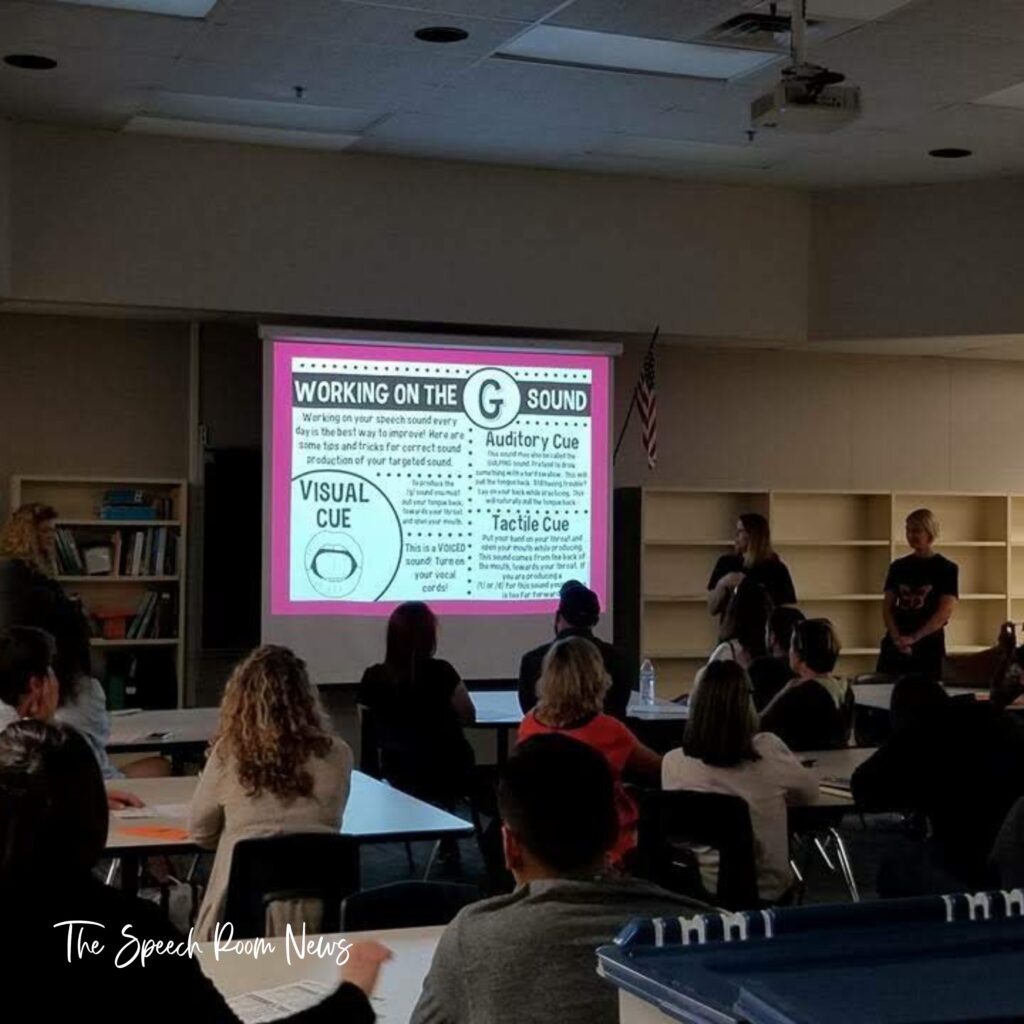
Parents often grapple with a range of concerns, from wondering if their child’s speech delay is "normal" to struggling with how to implement therapy strategies outside of the school setting. They might feel overwhelmed by conflicting advice, frustrated by a lack of progress, or isolated in their experience. An SLP’s presentation that directly confronts these issues can be profoundly reassuring and empowering. For instance, instead of just defining "articulation disorder," an SLP could present common articulation challenges, provide simple, fun exercises parents can do at home, and explain how these activities reinforce therapeutic goals.
Consider a parent whose child struggles with understanding and following multi-step directions. An SLP could offer strategies like breaking down commands, using visual aids, or incorporating games that practice sequencing. For a child with limited vocabulary, the SLP might suggest specific questioning techniques during reading or everyday conversations, or ways to create language-rich environments at home. The key is to move beyond theoretical explanations and provide concrete "action steps" that parents can immediately implement. This approach not only demonstrates the tangible impact of speech-language therapy but also empowers parents to become active participants in their child’s progress.
This problem-solving orientation is crucial for fostering a collaborative relationship. When parents perceive the SLP as a partner who understands their daily struggles and offers viable solutions, they are more likely to engage with therapy, follow recommendations, and communicate openly about their child’s needs. This collaborative spirit is a recognized best practice in special education, directly correlating with improved student outcomes and a more supportive learning environment. Research published in journals like the Journal of Speech, Language, and Hearing Research frequently highlights the efficacy of family-centered practice in speech-language pathology, emphasizing that parental involvement is not merely supplementary but fundamental to achieving lasting therapeutic gains.
Demystifying Terminology: The Imperative of Parent-Friendly Language
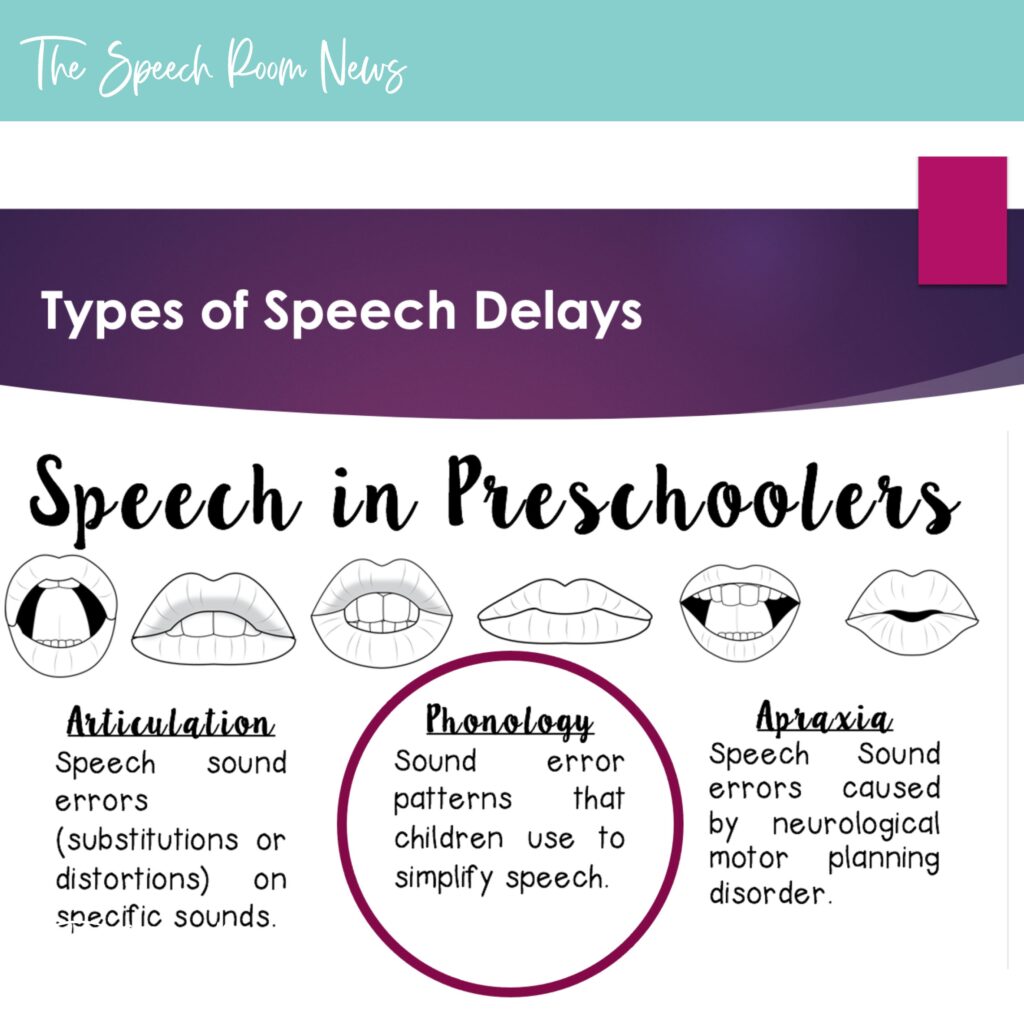
Effective communication hinges on clarity, and nowhere is this more critical than when discussing specialized educational and medical concepts with a lay audience. The field of speech-language pathology, like many allied health professions, is rich with technical jargon, abbreviations, and complex theoretical constructs. Terms such as "phonological processes," "pragmatic language deficits," "morphosyntactic structures," or "augmentative and alternative communication (AAC)" are commonplace in professional discourse but can be utterly bewildering to parents. The consequence of using such language during a Curriculum Night presentation is not merely confusion, but often alienation, leading to disengagement and a perceived barrier between the professional and the family.
To combat this, SLPs must adopt a communication style that is deliberately simple, clear, and devoid of professional jargon. The guiding principle should be to explain concepts as if to a fifth grader, as the original article wisely suggests. This does not imply condescension; rather, it reflects a commitment to accessibility and comprehension. For example, instead of discussing "phonological processes," an SLP could talk about "patterns of sound errors" and provide concrete examples like a child saying "tar" for "car." Instead of "pragmatic language deficits," one could explain "trouble understanding social rules for talking."
The importance of this approach is underscored by the broader context of special education. Parents entering this world often face an overwhelming influx of new information, acronyms (IEP, FAPE, LRE, etc.), and complex legal frameworks. Adding dense clinical terminology to this mix can exacerbate feelings of stress and inadequacy. By intentionally simplifying language, SLPs reduce cognitive load for parents, making them feel more informed, respected, and capable of understanding their child’s needs and the therapeutic process. This fosters a sense of partnership and empowers parents to advocate more effectively for their children. Academic studies on patient-provider communication consistently demonstrate that clear, jargon-free explanations lead to higher patient satisfaction, better adherence to recommendations, and improved health outcomes—principles that directly apply to the SLP-parent dynamic.
Interactive Engagement: The Power of "Make and Take" Sessions
To further enhance engagement and provide tangible value, incorporating an interactive "Make and Take" activity into a Curriculum Night presentation can be profoundly effective. This hands-on approach moves beyond passive listening, transforming parents into active participants and equipping them with practical tools they can immediately use to support their child’s speech and language development at home.
The pedagogical rationale behind "Make and Take" sessions is rooted in adult learning theory, which emphasizes experiential learning and the direct application of knowledge. When parents physically create a resource, they not only better understand its purpose but also develop a sense of ownership and capability. This contrasts sharply with merely being told about a strategy; the act of creation solidifies the learning.
Specific examples of "Make and Take" activities an SLP could facilitate include:
- Simple Communication Boards: Parents could assemble basic picture communication boards using pre-printed images, enabling non-verbal or minimally verbal children to express basic wants and needs.
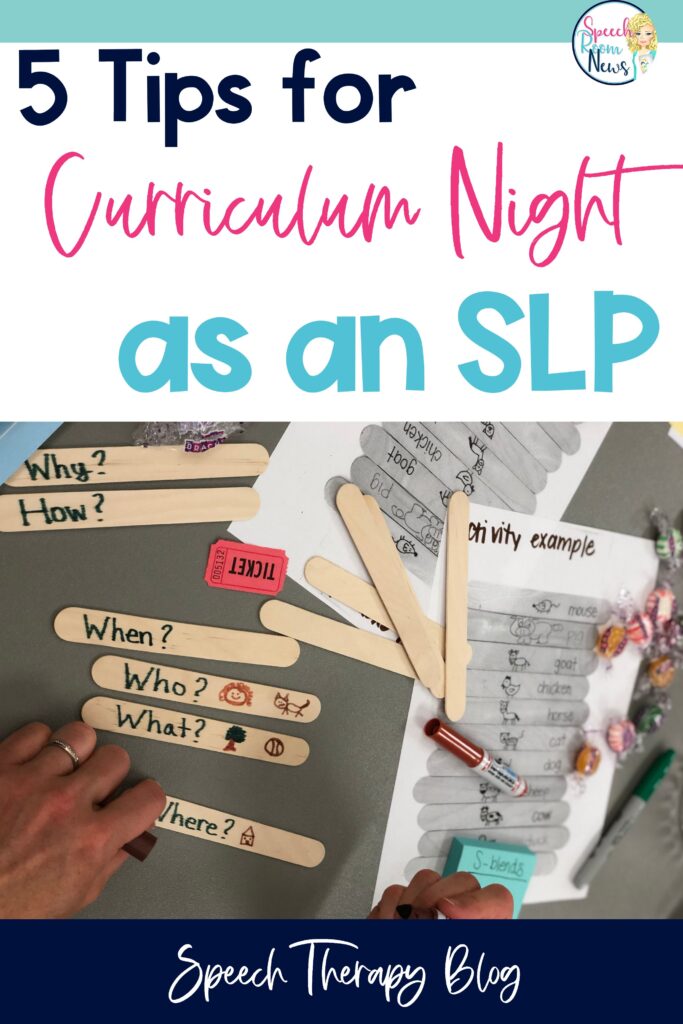
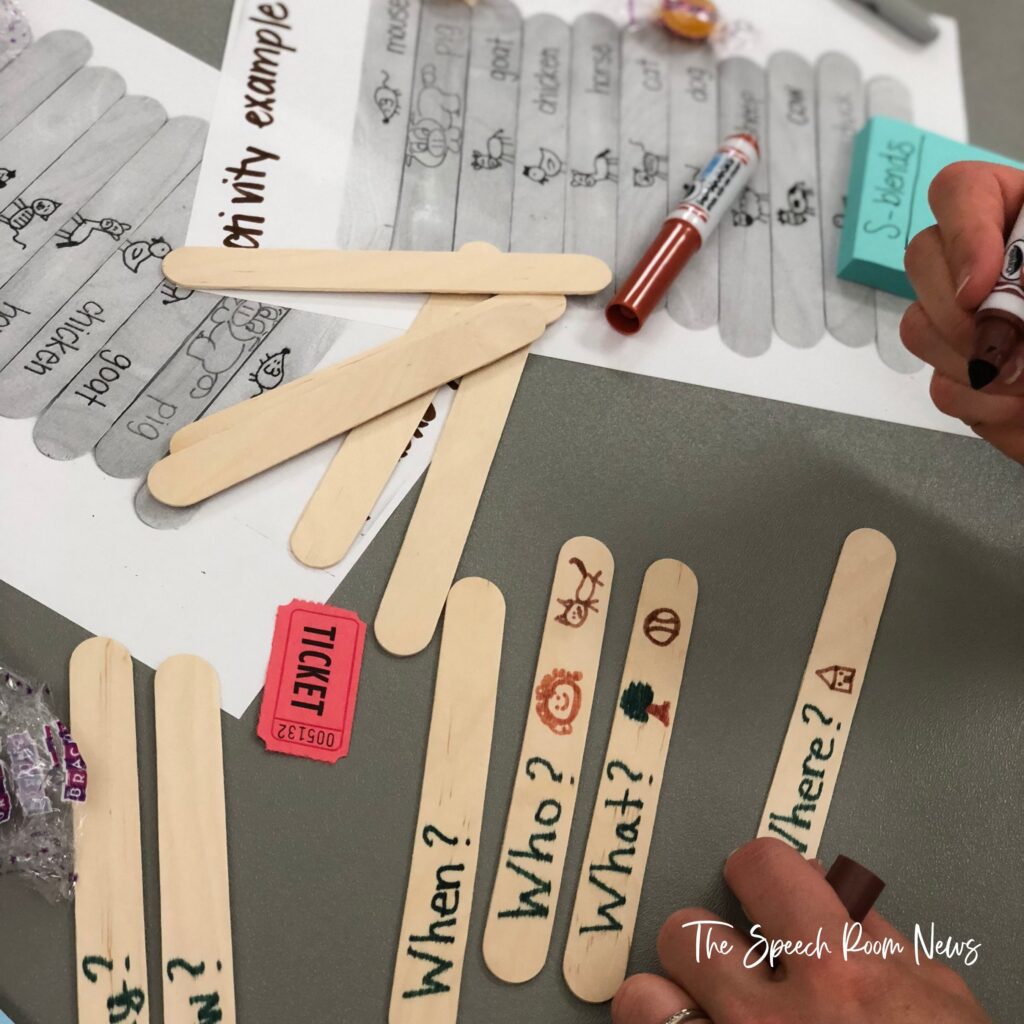
- "WH-" Question Sticks: Creating popsicle sticks with different "WH-" questions (Who, What, Where, When, Why) can be a fun way to practice comprehension and expressive language.
- Sensory-Friendly Conversation Starters: Parents could decorate and assemble cards with various topics or open-ended questions designed to stimulate dialogue in a low-pressure environment.
- Personalized Story Retelling Kits: Providing templates and simple props for parents to create visual aids to help their child retell stories, enhancing narrative skills and comprehension.
- Articulation Practice Games: Parents could create simple games like matching cards with target sounds or creating a sound scavenger hunt list.
The benefits of such activities extend beyond the immediate creation of a tool. They empower parents by demonstrating that supporting communication development does not require specialized equipment or complex procedures; often, simple, homemade resources can be incredibly effective. This reinforces the idea that therapy extends beyond the SLP’s office and that parents play an indispensable role in carrying over skills into the natural environment. Furthermore, the shared experience of creating something together can build a sense of community among parents and strengthen their connection with the SLP. The "Make and Take" component serves as a memorable and highly effective way to underscore the importance of parental involvement and leave families with valuable, ready-to-use resources.
Sustaining Engagement: The Indispensable Value of Parent Handouts
Even the most engaging and informative Curriculum Night presentation can be fleeting in memory, particularly when parents are processing a wealth of information from multiple educators. This underscores the critical importance of providing well-designed, informative handouts. These resources serve as a tangible and lasting reminder of the discussion, extending the impact of the presentation long after the event concludes.
Effective parent handouts are more than just bullet points from a presentation. They are carefully curated documents designed to be a reference guide, offering a concise summary of key concepts, practical strategies, and essential resources. A well-structured handout should include:
- Key Takeaways: A summary of the most important points discussed, reinforcing the core message of the presentation.
- Actionable Strategies: Clear, step-by-step instructions for activities or techniques parents can implement at home to support their child’s speech and language development. These should be easy to understand and integrate into daily routines.
- Recommended Resources: A curated list of reputable websites, books, apps, or local community services that offer further support or information. This could include links to ASHA’s consumer resources, local library programs, or parent support groups.
- Contact Information: The SLP’s name, email, and school phone number, encouraging parents to reach out with follow-up questions or concerns. This reinforces the SLP’s role as an ongoing resource.
- FAQs: A brief section addressing common questions that might arise after the presentation.
The provision of comprehensive handouts demonstrates an SLP’s commitment to ongoing parental support and recognizes the challenges parents face in retaining information. It empowers them to revisit strategies at their own pace, share information with other caregivers, and feel more confident in their ability to support their child. Moreover, in an era where digital information is abundant but often overwhelming, a concise, print-friendly handout can be a welcome and highly valued resource. It acts as a bridge between the formal therapy setting and the home environment, reinforcing the continuity of care and the collaborative nature of the therapeutic process. Professional resources, such as those found on platforms like TeachersPayTeachers, offer a wide array of pre-designed, high-quality parent handouts that can be customized to specific presentation needs, saving SLPs valuable preparation time while ensuring professional-grade materials.
Broader Impact and Future Outlook
The strategic engagement of Speech-Language Pathologists at Curriculum Night has implications that extend far beyond individual student progress. It significantly contributes to a broader culture of understanding and support within the school community. By effectively showcasing their expertise and demystifying their services, SLPs elevate the perception of their profession, fostering greater appreciation among parents, teachers, and administrators for the specialized knowledge they bring to the educational table.
In the larger context of inclusive education, where the goal is to provide all students with access to a rich and supportive learning environment, the SLP’s role is increasingly recognized as indispensable. Effective communication is foundational to all learning, and by empowering parents to support this development at home, SLPs are laying crucial groundwork for academic success. This proactive outreach can also lead to earlier identification of communication disorders, facilitating timely intervention which is consistently shown to yield better long-term outcomes for children. A robust presence at events like Curriculum Night aligns with federal mandates under the Individuals with Disabilities Education Act (IDEA), which emphasizes parental involvement and collaboration in the special education process.
Looking ahead, the evolution of Curriculum Night may see an even greater integration of allied health professionals. As educational systems increasingly adopt a holistic view of student well-being, the expertise of SLPs, occupational therapists, school psychologists, and other specialists will become even more central to parent education and engagement. The success stories from innovative districts, where specialized sessions led by SLPs have become a highlight of Curriculum Night, serve as a model for wider adoption. These initiatives not only strengthen the home-school connection but also build a resilient support network for children with communication needs, ensuring that they receive consistent and informed assistance both within and beyond the classroom walls. The SLP at Curriculum Night is not just presenting information; they are building bridges, fostering partnerships, and shaping the future success of their students.
