

Picture books serve as profoundly invaluable resources in the realm of early intervention speech therapy, providing a cornerstone for supporting language development and significantly enhancing communication skills in young children. The strategic integration of carefully selected picture books into therapeutic regimens is not merely supplementary; it is a fundamental component designed to foster robust language acquisition, improve communicative competencies, and cultivate an engaging, stimulating learning environment for children navigating speech and language delays. Each book, whether interactive, durable, or a board book, is meticulously chosen to target specific speech and language goals, thereby becoming an indispensable tool for Speech-Language Pathologists (SLPs) working with infants, toddlers, and preschoolers.

Understanding Early Intervention Speech Therapy
Early intervention in speech therapy represents a proactive and critical approach to addressing speech and language difficulties as soon as they are identified in young children. This specialized form of therapy typically targets children from birth to approximately three years of age, a period characterized by rapid neurological development and heightened brain plasticity, making it a pivotal window for language acquisition. During these formative years, SLPs collaborate closely with infants and toddlers who may exhibit a range of speech and language delays or disorders, including difficulties with articulation, phonology, expressive and receptive language, social communication (pragmatics), and early literacy foundations. The primary objective of early intervention is to address these challenges promptly and effectively, thereby maximizing a child’s developmental potential and laying a solid foundation for future communication, social, and academic success.
The significance of early identification and intervention cannot be overstated. Research consistently demonstrates that interventions implemented during this critical developmental period yield more favorable outcomes compared to those initiated later in a child’s life. Early intervention aims to capitalize on the brain’s remarkable capacity for learning and adaptation in the early years, helping children to overcome communication hurdles before they cascade into broader developmental, social, or academic difficulties. Moreover, early intervention inherently recognizes the family as the primary context for a child’s development. Consequently, speech therapists actively involve parents and caregivers in the therapeutic process, empowering them with strategies and techniques that can be seamlessly integrated into daily routines, thus extending the therapeutic impact beyond clinical sessions and fostering consistent progress in the child’s natural environment.
The Foundational Power of Books in Speech and Language Development
Books are undeniably powerful tools in speech and language therapy, offering a myriad of benefits for children undergoing intervention. Their incorporation into therapy sessions transcends simple entertainment, acting as a multifaceted catalyst for language development, communication skill enhancement, and the creation of deeply engaging learning experiences. The structured yet flexible nature of books allows SLPs to target a wide array of speech and language goals simultaneously, making them an efficient and effective therapeutic modality.
Promoting Language and Vocabulary Development
One of the most immediate and profound benefits of using books in speech therapy is their capacity to expose children to a rich and varied lexicon. Through reading aloud and interactive discussions about the story, SLPs can systematically introduce new words, reinforce existing vocabulary, and encourage the development of expressive language skills. Beyond mere word recognition, books facilitate semantic development by illustrating concepts, categories, and relationships between words. For instance, a book about farm animals can be used to teach animal names, sounds, actions, and even basic classifications (e.g., "pets" vs. "farm animals"). This exposure expands not only a child’s vocabulary but also their comprehension of complex language structures and abstract concepts.
Enhancing Storytelling and Narrative Skills
Engaging with books is a fundamental pathway to nurturing storytelling abilities and strengthening narrative skills in children. As young readers follow the plot, characters, and sequence of events, they inherently learn about story structure, cause-and-effect relationships, problem-solving, and resolution. These elements are absolutely essential for effective communication, enabling children to recount personal experiences, share information coherently, and participate meaningfully in conversations. SLPs can guide children to retell stories, predict outcomes, and describe characters’ feelings, thereby developing their ability to organize thoughts and express them in a structured, logical manner.
Stimulating Imagination and Creativity
Books possess a unique ability to transport children to imaginative worlds, thereby fostering creativity and critical thinking. They encourage children to visualize and describe scenes, characters, and events, promoting the development of rich expressive language and descriptive skills. When a child imagines what a character might do next or how a fantastical creature might look, they are actively engaging in cognitive processes that strengthen their language abilities. This imaginative play, often sparked by storybooks, is crucial for developing symbolic thought, which underpins much of language and communication.
Cultivating Joint Attention and Social Engagement
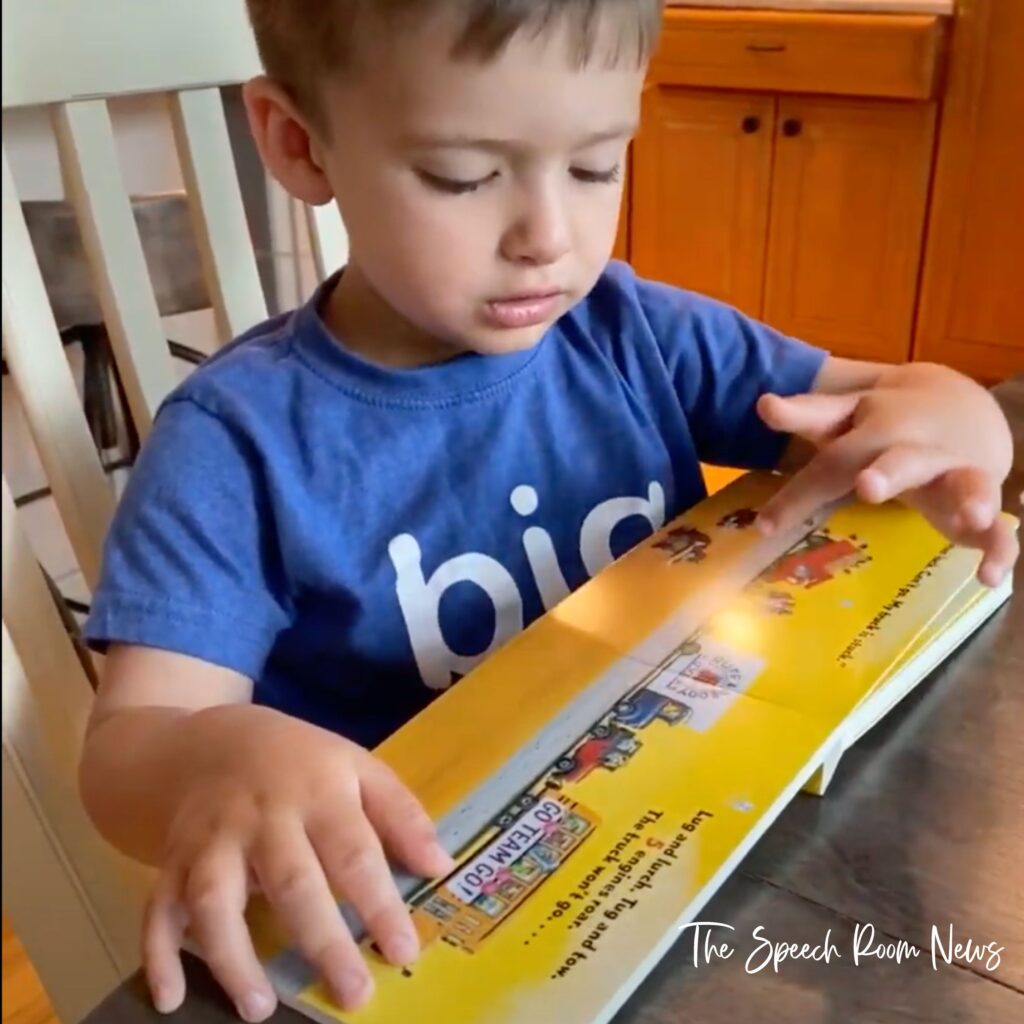
Beyond direct language benefits, reading together fosters joint attention—the shared focus of two individuals on an object or event—a critical precursor to social communication. When an SLP or parent reads a book with a child, they share a common point of reference, engaging in turn-taking, pointing, and commenting, all of which are foundational social-pragmatic skills. This shared experience creates opportunities for natural conversational exchanges, eye contact, and understanding non-verbal cues, which are vital for successful social interactions.
Strategic Book Selection for Therapeutic Impact
The effectiveness of picture books in early intervention speech therapy hinges significantly on the careful and deliberate selection of materials. SLPs employ specific criteria to match books with a child’s developmental stage, individual goals, and interests. The goal is to choose books that are not only engaging but also rich in opportunities for language stimulation and skill-building.
Interactive Books: Engaging the Senses and Promoting Active Participation
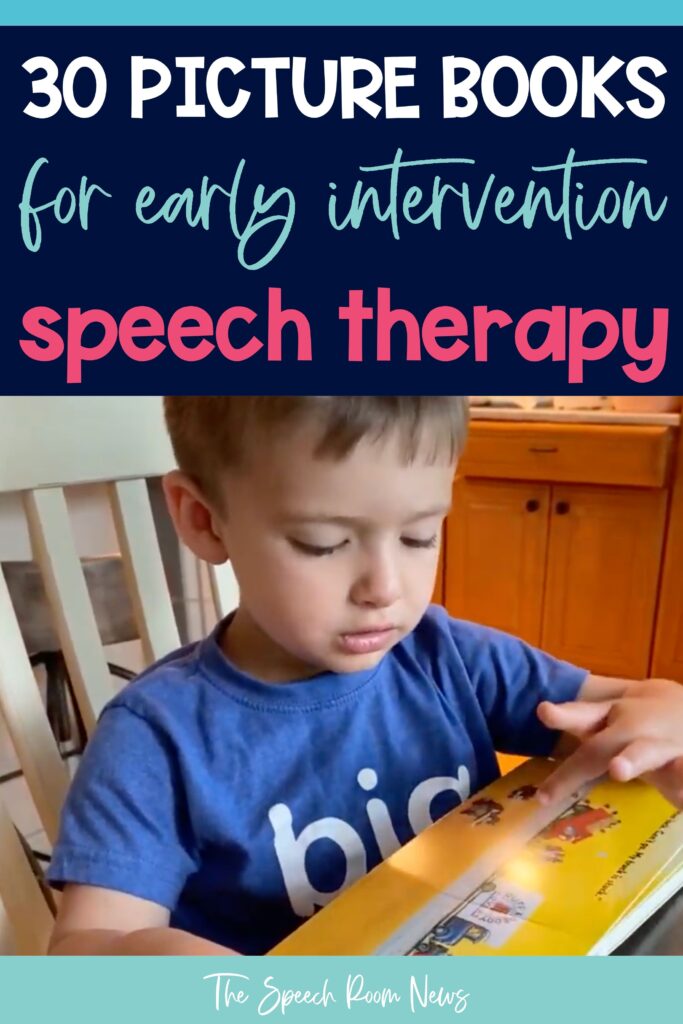
Interactive books, characterized by elements like pop-ups, lift-the-flaps, textures (touch-and-feel), and movable parts, provide invaluable opportunities to increase attention, promote vocabulary development, and engage multiple senses. These books are particularly ideal for early intervention sessions because they invite active participation, transforming reading from a passive activity into an experiential one.
For instance, a lift-the-flap book can be used to target "where" questions and object permanence ("Where is the puppy?"). A touch-and-feel book allows for the introduction of descriptive adjectives related to texture (e.g., "soft," "bumpy," "smooth") and encourages tactile exploration, which can be highly motivating for young children. Pop-up books naturally elicit exclamations and provide opportunities for requesting actions ("Open it!"), fostering early expressive language. The dynamic nature of these books helps to maintain engagement, particularly for children with shorter attention spans, while simultaneously creating concrete opportunities for communication turns and responses.
Durable Books: Built for Exploration and Repetition
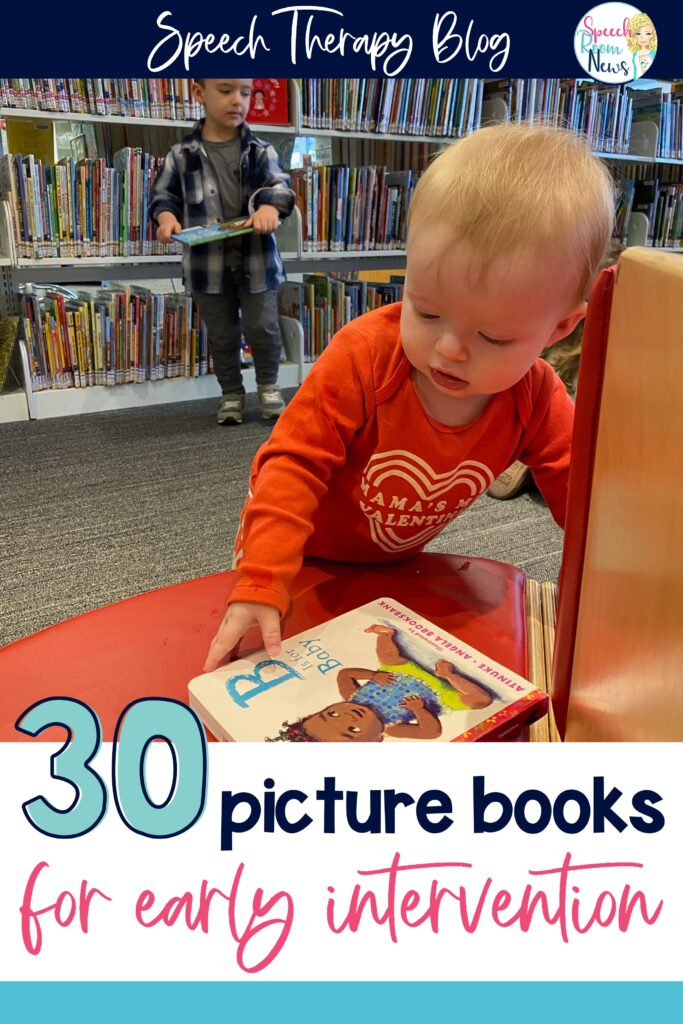
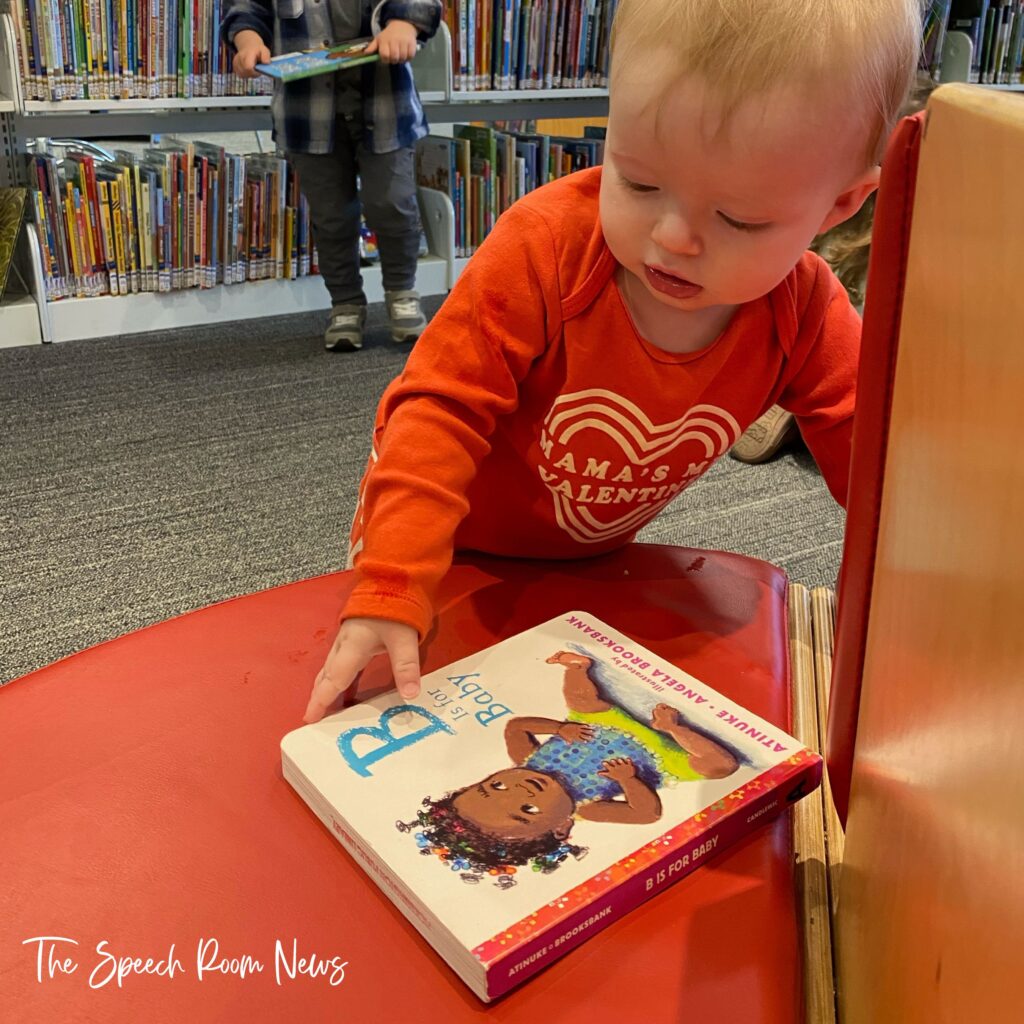
Durable books, primarily board books and cloth books, are perfect for early intervention speech therapy due to their robust construction. Their sturdy pages are designed to withstand the often enthusiastic handling from young children, making them ideal for repeated use and exploration without fear of damage. This durability is crucial for fostering independent interaction with books and encouraging repetitive exposure to language.
Board books often feature simple, clear illustrations and concise text, making them accessible for toddlers. They are excellent for targeting early vocabulary (nouns, verbs, basic adjectives), sound imitation, and tracking. Cloth books, with their soft textures and often crinkly pages, also appeal to infants and young toddlers, promoting sensory exploration alongside early visual and auditory attention. The resilience of these books means they can be integrated into daily routines at home, further reinforcing therapeutic goals.
Board Books: Repetitive Text and Embedded Songs
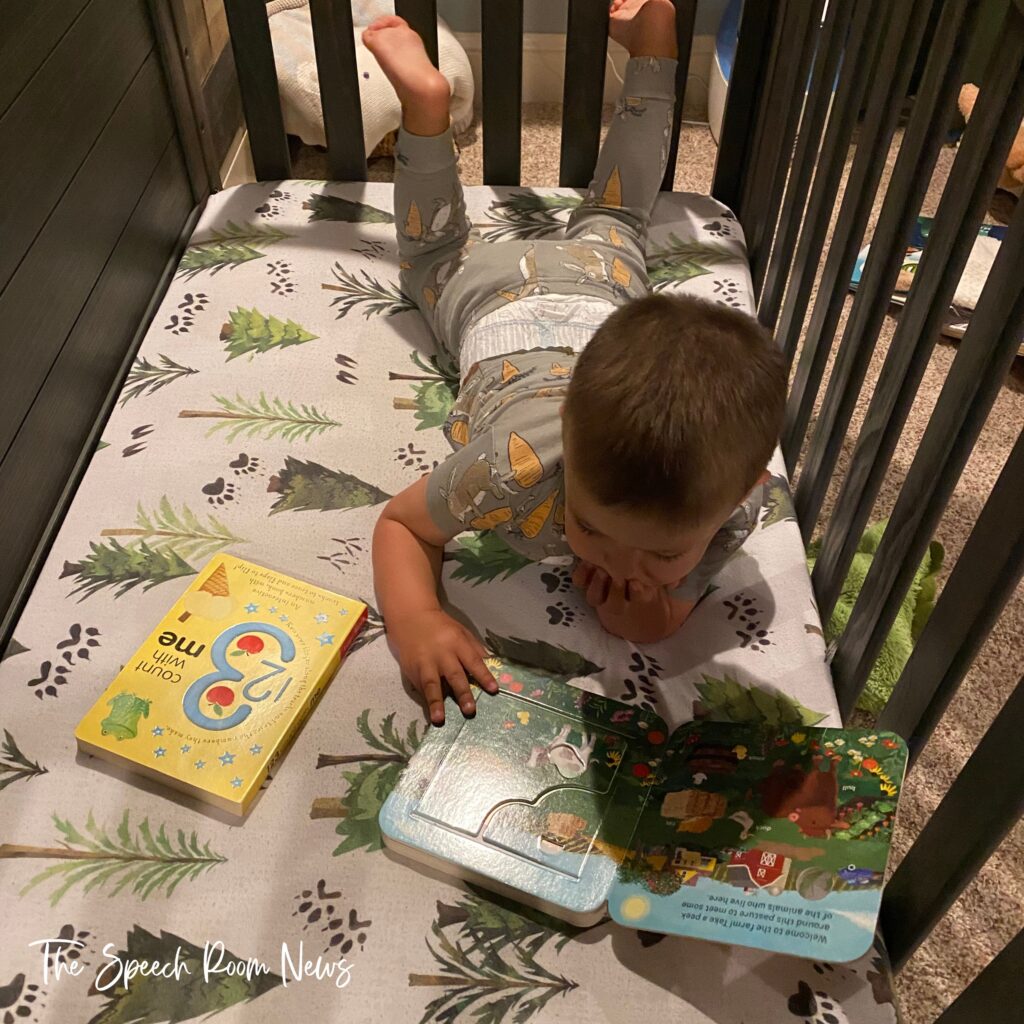
Board books are a popular and highly effective choice in early intervention speech therapy due to several key features: their sturdy construction, often repetitive text, engaging pictures, and significant potential for incorporating songs and rhythmic patterns.
- Repetitive Text: Books with repetitive phrases or predictable patterns, such as "Brown Bear, Brown Bear, What Do You See?" or "The Little Old Lady Who Swallowed a Fly," are excellent for developing early phonological awareness, memory, and expressive language. Children quickly learn to anticipate the repeated lines, allowing them to participate actively by "filling in" words or phrases. This predictability builds confidence and encourages vocalization.
- Engaging Pictures: Clear, colorful, and expressive illustrations in board books help children connect words with their meanings, supporting receptive vocabulary and comprehension. SLPs can use these pictures to elicit descriptions, identify objects, and ask inferential questions.
- Incorporating Songs: Many board books are based on traditional songs or lend themselves easily to being sung. Singing enhances engagement, aids memory, and introduces rhythmic patterns crucial for speech development. Songs can also be used to target prosody, intonation, and articulation in a fun, naturalistic way.
- Concept Development: Many board books focus on fundamental concepts like colors, shapes, numbers, animals, and emotions, providing direct opportunities for teaching and reinforcing these essential building blocks of language and cognition.
The Speech-Language Pathologist’s Expertise in Action
The SLP’s role in leveraging picture books goes far beyond simply reading aloud. They employ a range of evidence-based strategies to maximize therapeutic outcomes:
- Dialogic Reading: This interactive technique involves the adult and child switching roles, with the child becoming the storyteller and the adult becoming the active listener and questioner. Using prompts like "C" (Completion), "R" (Recall), "O" (Open-ended questions), "W" (Wh- questions), and "D" (Distancing), SLPs guide children to actively participate in the narrative, fostering deeper comprehension and expressive language.
- Modeling and Expansion: SLPs model correct speech and language patterns, expanding on a child’s utterances. If a child points to a dog and says "dog," the SLP might expand, "Yes, a big brown dog is running!" This provides a richer language model without correcting the child directly.
- Targeting Specific Goals: Each book interaction is tailored to individual goals. For a child working on /k/ sounds, the SLP might emphasize words like "cat," "cow," or "cake" within the story. For a child learning prepositions, they might highlight "on," "under," or "in" as they turn pages.
- Integrating Augmentative and Alternative Communication (AAC): For children who use AAC devices or picture exchange systems, books offer a natural context for integrating their communication tools, allowing them to comment, request, and describe using their preferred modality.
The Indispensable Role of Family Involvement
A cornerstone of successful early intervention is the active and consistent involvement of parents and caregivers. SLPs recognize that the most significant language learning occurs in the child’s natural environment, with the people they spend the most time with. Therefore, therapists empower families to become primary language facilitators, equipping them with strategies to integrate book-reading into daily routines.
Parents are encouraged to read aloud daily, even for short periods, and to engage in interactive reading practices. This includes asking open-ended questions, encouraging the child to point and label, expanding on their child’s utterances, and connecting the stories to real-life experiences. For example, after reading a book about animals, a parent might ask, "Do you remember when we saw a cat like that at Grandma’s house?" This fosters deeper comprehension and generalization of learned vocabulary. By making reading a joyful, shared experience, families reinforce therapeutic gains and instill a lifelong love of books and learning.

Broader Impact and Long-Term Implications
The consistent and targeted use of picture books in early intervention speech therapy extends its benefits far beyond immediate communication improvements, yielding significant long-term implications for a child’s overall development and societal integration.
- Enhanced Academic Readiness: Children who receive early intervention for speech and language delays, particularly those whose therapy incorporates extensive book exposure, are better prepared for formal schooling. They enter kindergarten with stronger vocabulary, narrative skills, phonological awareness, and print awareness, which are all critical predictors of reading success. This strong foundation reduces the likelihood of academic struggles related to communication deficits.
- Improved Social-Emotional Development: Effective communication is fundamental to forming relationships and navigating social situations. By improving speech and language, early intervention helps children express their needs, wants, and feelings, resolve conflicts, and engage meaningfully with peers and adults. This fosters higher self-esteem and reduces frustration often associated with communication difficulties, thereby supporting healthy social-emotional growth.
- Reduced Need for Intensive Support Later in Life: Addressing communication delays early can significantly reduce the need for more intensive and costly interventions later in a child’s educational journey. Proactive support can prevent minor delays from escalating into more complex disorders, leading to greater independence and self-sufficiency.
- Positive Family Dynamics: When families are actively involved in early intervention and witness their child’s progress, it can strengthen parent-child bonds and reduce parental stress. Empowering parents with strategies to support their child’s communication fosters a sense of competence and positive engagement within the family unit.
Conclusion
In summation, picture books are far more than simple entertainment; they are dynamic, multi-purpose therapeutic instruments in early intervention speech therapy. From their ability to expand vocabulary and develop narrative skills to stimulating imagination and fostering crucial social engagement, these books provide a rich, accessible, and highly effective medium for addressing a wide spectrum of communication challenges in young children. By strategically selecting interactive, durable, and board books, and by employing evidence-based techniques, Speech-Language Pathologists can harness the transformative power of literature. This focused approach, coupled with the indispensable involvement of families, not only aids in overcoming immediate speech and language delays but also cultivates a deep foundation for lifelong learning, academic achievement, and robust social-emotional well-being, underscoring the profound and lasting impact of early intervention.
