

In the critical early years of a child’s development, when foundational communication skills are being established, picture books emerge as indispensable resources in early intervention speech therapy. These seemingly simple literary tools are, in fact, sophisticated instruments designed to support language acquisition, refine communication abilities, and foster a profoundly engaging learning environment for young children exhibiting speech and language delays. The strategic selection and application of picture books by Speech-Language Pathologists (SLPs) are pivotal, transforming routine therapy sessions into interactive experiences that target specific developmental milestones and accelerate progress.
Understanding Early Intervention Speech Therapy

Early intervention speech therapy represents a proactive and crucial approach to addressing speech and language difficulties in young children as soon as such challenges are identified. This specialized field primarily targets infants and toddlers, typically from birth to three years of age, though it can extend slightly beyond depending on regional guidelines. This developmental window is widely recognized as a "critical period" for language acquisition, characterized by extraordinary neuroplasticity in the developing brain. During this time, the brain is most receptive to learning and establishing neural pathways for language, making timely intervention exceptionally effective.
The overarching goal of early intervention is to support and enhance a child’s communication skills, thereby maximizing their developmental potential across all domains. Speech-language pathologists collaborate extensively with families and caregivers, recognizing them as integral participants in the therapeutic process. This collaborative model ensures that individualized treatment plans are not only implemented during structured sessions but are also seamlessly integrated into daily routines, significantly enhancing the continuity and effectiveness of intervention. According to the American Speech-Language-Hearing Association (ASHA), early identification and intervention for communication disorders can prevent more significant challenges later in life, impacting literacy, academic achievement, and social-emotional well-being. Data from the Centers for Disease Control and Prevention (CDC) indicates that approximately 1 in 12 (7.7%) U.S. children aged 3-17 years have had a disorder of speech, voice, language, or swallowing in the past 12 months, underscoring the widespread need for effective early intervention strategies.
The Foundational Role of Picture Books in Therapy
Picture books are far more than mere entertainment in the context of speech therapy; they are dynamic, multi-faceted educational tools. Their structured nature, combined with engaging visuals and often repetitive text, creates an ideal environment for targeting a broad spectrum of speech and language goals. From promoting joint attention and turn-taking to expanding vocabulary and developing narrative skills, books provide a rich, contextualized platform for learning. Leading speech-language pathologists frequently emphasize that books offer a low-pressure, high-engagement medium where children can explore language naturally, guided by an expert. This approach aligns with developmental psychology principles that highlight the importance of play-based learning and interaction for cognitive and linguistic growth in early childhood.
Key Benefits of Integrating Books in Speech Therapy
The integration of picture books into early intervention speech therapy yields a multitude of benefits, directly addressing core developmental areas:
- Promoting Language and Vocabulary Development: Books serve as powerful conduits for vocabulary expansion. They expose children to a diverse array of words beyond their immediate environment, introducing new concepts, objects, actions, and descriptors. SLPs strategically select books rich in target vocabulary, using techniques such as "dialogic reading" – where the adult asks questions, prompts, and expands on the child’s responses – to deepen comprehension and encourage expressive language. For instance, a book about farm animals allows an SLP to introduce animal names, sounds, actions (e.g., "moo," "eat," "sleep"), and attributes (e.g., "big," "small," "fluffy"). Research consistently demonstrates a strong correlation between early vocabulary size and later literacy success, making this a cornerstone of early intervention.
- Enhancing Storytelling and Narrative Skills: Engaging with narratives is fundamental to communication and cognitive development. Picture books, even simple ones, introduce children to basic story structures: a beginning, middle, and end; characters; settings; and cause-and-effect relationships. As children follow the plot, they learn to sequence events, predict outcomes, and understand motivations, all crucial components of narrative skills. These abilities are essential not only for effective communication but also for academic readiness, enabling children to comprehend classroom instructions, retell events, and eventually compose their own stories. For a child with language delays, mastering these pre-narrative skills lays the groundwork for more complex linguistic structures.
- Stimulating Imagination and Creativity: Books transport children to imaginative worlds, fostering creativity and abstract thinking. They encourage children to visualize and describe scenes, characters, and events, thereby promoting expressive language and descriptive skills. By asking questions like "What do you think will happen next?" or "How does the character feel?", SLPs encourage inferential thinking and emotional literacy. This imaginative engagement also supports cognitive flexibility and problem-solving, as children mentally manipulate scenarios and outcomes presented in the story.
- Fostering Joint Attention and Turn-Taking: Picture books naturally facilitate joint attention – the shared focus of two individuals on an object or event – which is a critical precursor to language development. An SLP and child can focus together on an illustration, a word, or a particular page, building a shared communicative experience. The act of reading aloud also inherently involves turn-taking, whether through reciprocal vocalizations, pointing, or simple questions and answers, thereby establishing fundamental conversational dynamics.
- Developing Phonological Awareness and Print Concepts: While often associated with pre-schoolers, early intervention can introduce foundational print concepts. Pointing to words as they are read, identifying letters, or noticing rhyming patterns in books lays the groundwork for phonological awareness – the ability to recognize and manipulate sounds in spoken language – which is a strong predictor of reading success.
Strategic Selection of Picture Books for Therapy
The effectiveness of picture books in therapy largely depends on their careful selection, tailored to the child’s developmental level, interests, and specific therapeutic goals. SLPs typically categorize books based on their structural and interactive qualities, which lend themselves to different intervention strategies.
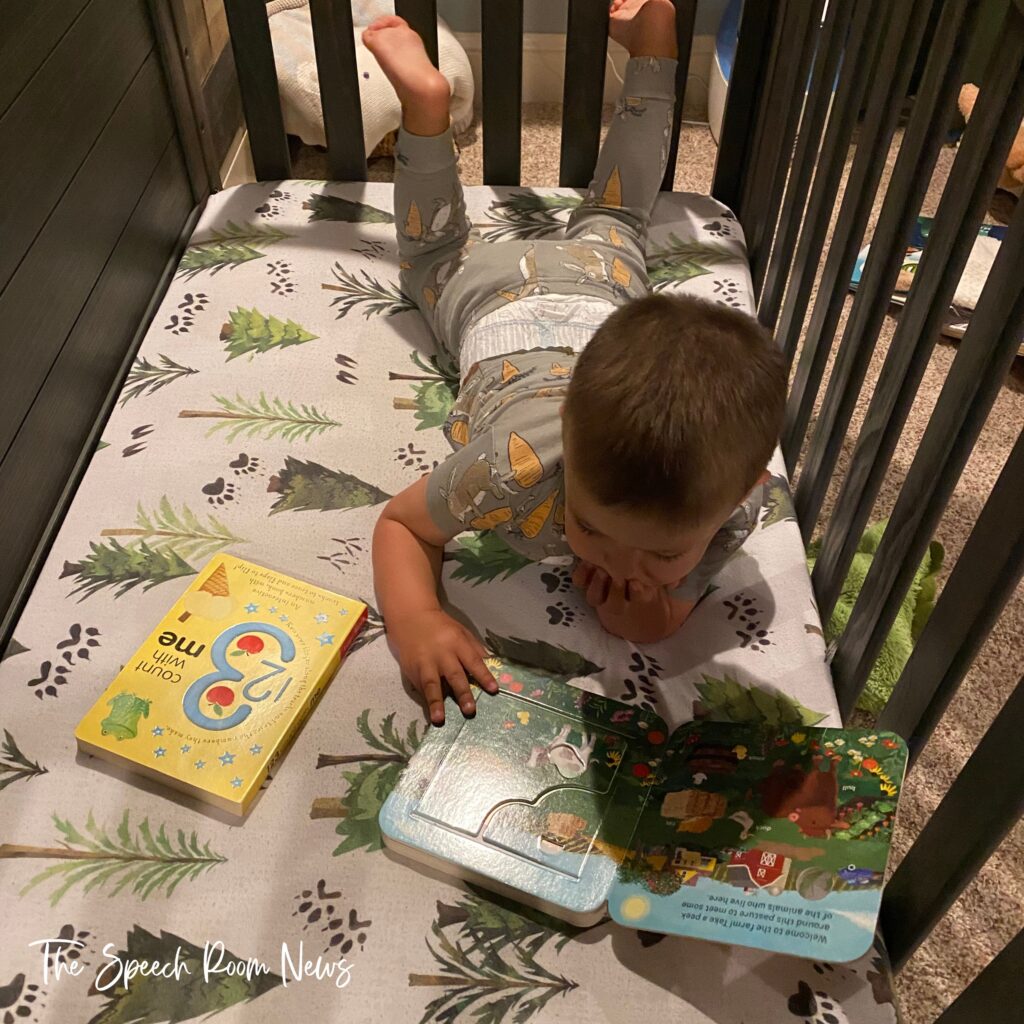
- Interactive Books: These books are designed to encourage direct physical engagement, making them particularly effective for increasing attention, promoting early vocabulary development, and engaging multiple senses. Lift-the-flap books, touch-and-feel books with various textures, and pop-up books are prime examples. For children with limited verbal output, interactive elements provide opportunities for non-verbal communication, such as pointing, gesturing, or making sound effects. An SLP might use a lift-the-flap book to target "open" and "close" concepts, encourage requests (e.g., "more," "open"), or elicit animal sounds. The tactile and visual stimulation can be highly motivating, sustaining attention for longer periods and making the learning process enjoyable. Such books are instrumental in developing fine motor skills and hand-eye coordination alongside language.
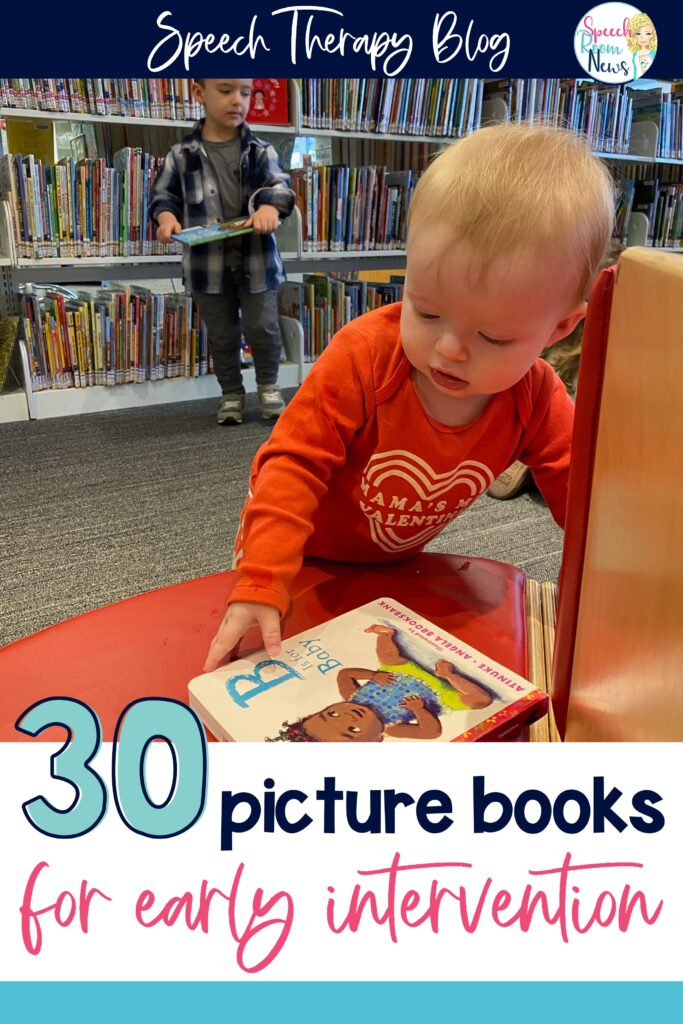
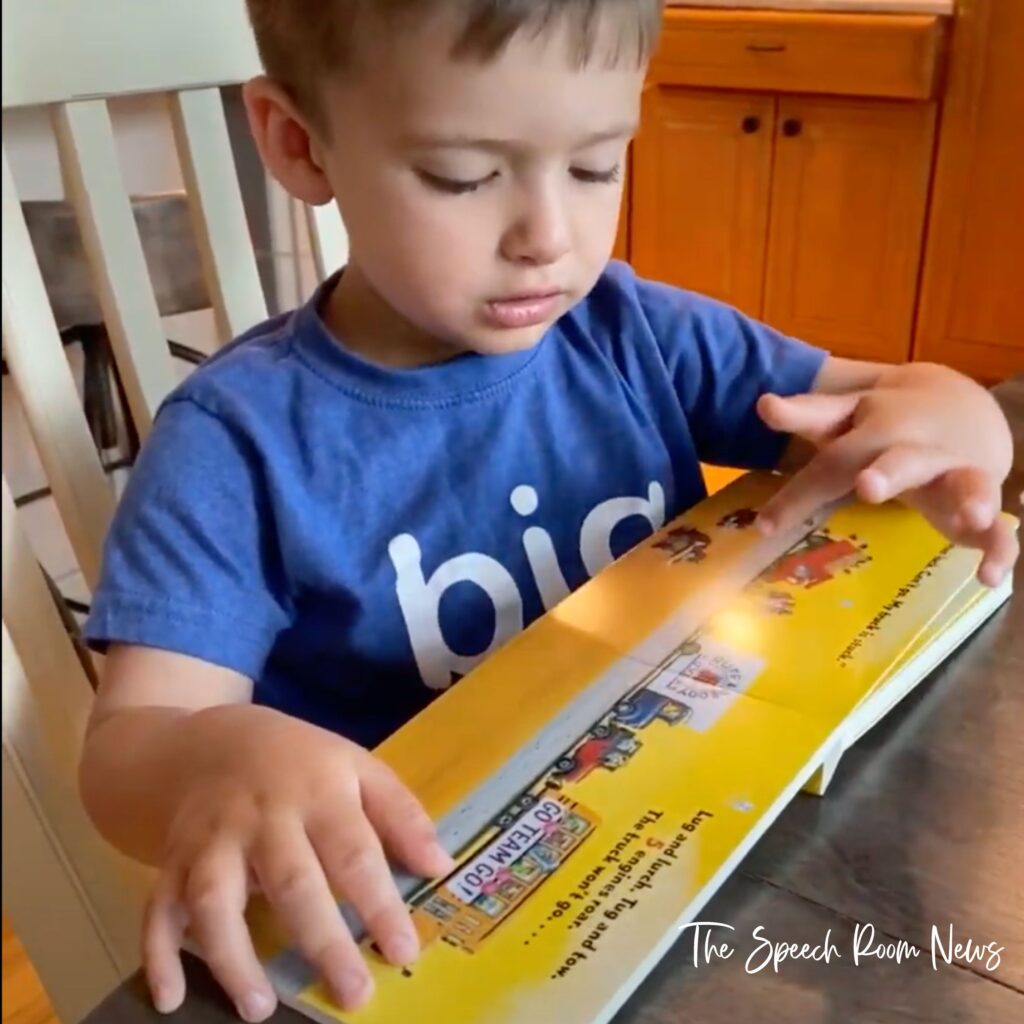
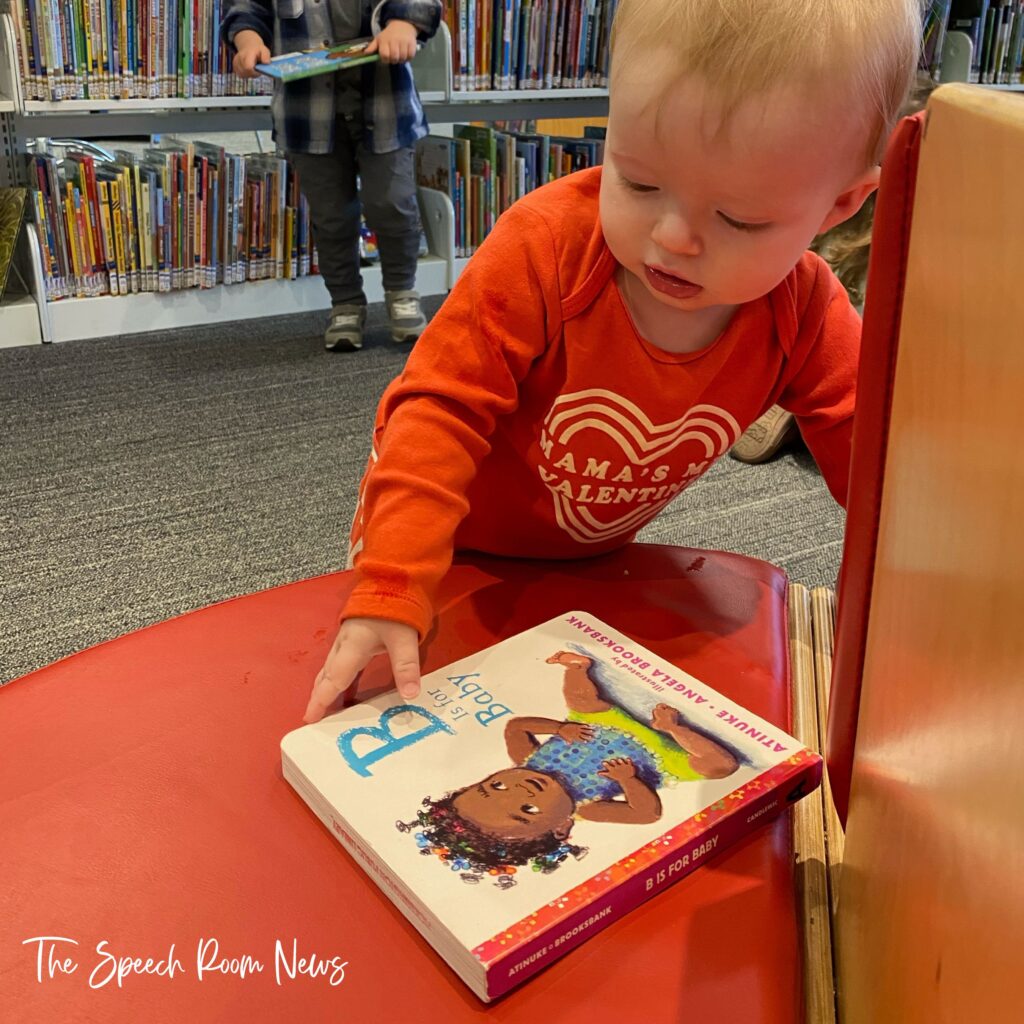
- Durable Books: Built to withstand the rigorous handling of young children, durable books – often made of thick cardboard or sturdy paper – are essential for this age group. Their robust construction allows children to manipulate them independently without fear of damage, promoting a sense of autonomy and engagement. Beyond their physical resilience, durable books are often characterized by bright, clear illustrations and simple, repetitive text. This combination makes them ideal for introducing basic concepts like colors, shapes, numbers, and animals. The predictability of the text helps children anticipate words, aiding in early word production and reinforcing new vocabulary through repetition. They are also excellent for practicing early expressive language, as children can often "read along" with familiar phrases or sounds.
- Board Books: A sub-category of durable books, board books are a perennial favorite in early intervention. Their sturdy construction is matched by features specifically beneficial for language development:
- Repetitive Text: The predictable, repetitive phrases common in board books (e.g., "Brown Bear, Brown Bear, What Do You See?") create a sense of familiarity and security, reducing cognitive load. This repetition allows children to internalize linguistic patterns, practice target words multiple times, and build confidence in their emerging expressive language skills. It also supports memory and auditory processing.
- Engaging Pictures: Bold, uncluttered illustrations help children focus on key elements, providing visual cues that support comprehension. These pictures can be used by SLPs to elicit descriptions, identify objects, and ask "wh-" questions (who, what, where).
- Potential for Incorporating Songs: Many board books are adaptations of popular children’s songs or have rhythmic text that lends itself to singing. Integrating music into therapy can be incredibly powerful, as melody and rhythm aid in memory, prosody, and emotional regulation. Singing helps children with articulation, intonation patterns, and the memorization of new words and phrases.
A curated list of such books, often compiled by experienced SLPs, typically includes titles that feature simple story lines, clear illustrations, repetitive phrases, and opportunities for interaction, ensuring that each selection serves a specific therapeutic purpose.
The Role of the Speech-Language Pathologist
The SLP’s expertise is paramount in leveraging picture books effectively. They do not merely read stories; they actively facilitate language learning through a range of evidence-based techniques:
- Modeling: Demonstrating correct pronunciation, sentence structure, and conversational turns.
- Prompting: Using verbal or non-verbal cues to encourage a child’s response.
- Expanding: Taking a child’s utterance and adding more information or grammatical complexity (e.g., child says "doggy," SLP says "Yes, a big brown doggy is running!").
- Asking Open-Ended Questions: Moving beyond yes/no questions to encourage more elaborate responses (e.g., "What do you see here?" instead of "Is this a cat?").
- Sabotage: Intentionally making a "mistake" to encourage the child to correct or respond.
These techniques, when applied within the engaging context of a picture book, transform passive listening into active language participation.
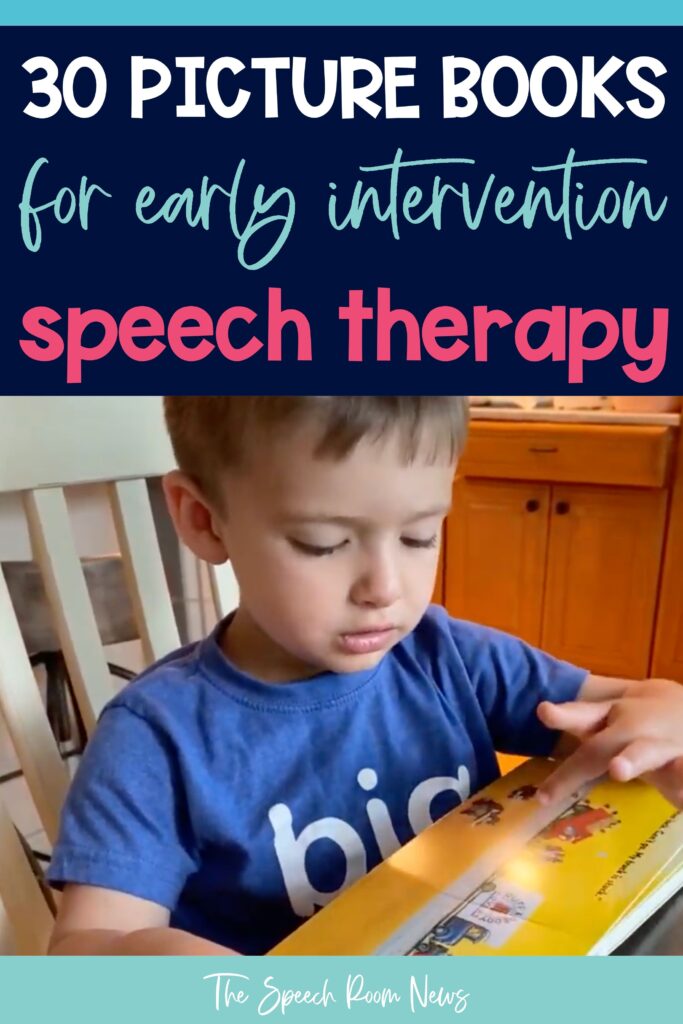
Parental and Caregiver Involvement: Extending Therapy Beyond the Clinic
One of the most critical aspects of early intervention is the active involvement of parents and caregivers. SLPs empower families by demonstrating how to use picture books effectively at home, integrating language-rich interactions into daily routines. This "carryover" is vital because consistent exposure and practice in natural environments significantly amplify therapeutic gains. Parents learn techniques such as:
- "Reading With" vs. "Reading To": Shifting from simply reading the text to engaging in a dialogue about the book.
- Following the Child’s Lead: Responding to the child’s interests and comments about the book.
- Labeling and Describing: Pointing to objects and actions, and describing them in simple, clear language.
- Making Predictions: Encouraging the child to guess what might happen next.
By becoming confident and skilled facilitators of language through books, parents become primary agents of their child’s developmental progress, creating a continuous learning environment that extends far beyond the therapy room.
Broader Impact and Long-Term Implications
The cumulative effect of successful early intervention speech therapy, particularly when bolstered by the consistent use of picture books, extends far into a child’s future. Children who receive timely and effective intervention are more likely to:
- Achieve Academic Success: Strong early language skills are foundational for literacy, reading comprehension, and overall academic performance.
- Develop Robust Social-Emotional Skills: Effective communication enables children to express their needs, share their thoughts, build relationships, and navigate social situations with greater confidence.
- Foster Self-Confidence: The ability to communicate effectively reduces frustration and anxiety, empowering children to participate more fully in their world.
- Reduce the Need for Future Interventions: Addressing delays early often mitigates the severity of future challenges, potentially reducing the need for more intensive or prolonged support later in their educational journey.
Beyond individual benefits, a society with strong early literacy and communication skills among its youngest members contributes to a more informed, engaged, and productive populace. The investment in early intervention through accessible and effective tools like picture books yields profound dividends for individuals, families, and communities alike.
In conclusion, picture books are far more than mere diversions in early intervention speech therapy; they are cornerstones of a holistic approach to language development. Through their interactive nature, repetitive text, engaging visuals, and the expert guidance of Speech-Language Pathologists, these books unlock a world of communication potential for young children. By fostering language growth, stimulating imagination, and empowering families, picture books lay a robust foundation for lifelong learning and effective communication, proving their enduring value in the vital process of early intervention.
