


Curriculum Night, a longstanding tradition in educational institutions, represents a pivotal opportunity for Speech-Language Pathologists (SLPs) to transcend the traditional confines of their therapy rooms and actively engage with parents, illuminating the critical role of speech and language development in a child’s overall academic and social journey. This annual event, often viewed as a general teacher-parent meet-and-greet, holds unique significance for specialized service providers like SLPs, offering a platform to demystify their profession, showcase therapeutic practices, and forge essential partnerships that extend the impact of intervention beyond school hours. In an educational landscape increasingly focused on holistic student support, an SLP’s strategic and well-executed presence at Curriculum Night is not merely beneficial but an imperative for fostering comprehensive student success.
The Foundation: Understanding Curriculum Night’s Purpose and Evolution
Historically, Curriculum Night, often referred to as "Open House" or "Back-to-School Night," originated as a formal occasion for parents to visit their child’s classroom, meet their teachers, and gain an overview of the academic year’s curriculum. Its primary objective was information dissemination, providing parents with a glimpse into the educational environment and expectations. Over time, however, the scope of these events has broadened significantly. Modern Curriculum Nights are increasingly designed to foster active parent engagement, emphasizing collaboration between home and school as a cornerstone of student achievement. This evolution is particularly pertinent for special education and related service providers, including SLPs, whose work often requires a deeper level of parental understanding and home-based carryover to be truly effective.
For SLPs, Curriculum Night offers a unique moment within the academic calendar to bridge the gap between specialized clinical practice and the everyday realities of home life. Unlike core subject teachers whose curricula are often more universally understood, the interventions provided by SLPs can sometimes be perceived as abstract or complex by parents unfamiliar with speech and language pathology. The event provides a structured, low-pressure environment to clarify misconceptions, highlight the vital connection between communication skills and learning, and demonstrate how speech-language therapy integrates with and supports the broader educational curriculum. Educational administrators across districts frequently emphasize the critical role of specialized service providers in these public forums, recognizing that informed parents are better partners in their child’s educational journey.
The presence of SLPs at such events is also deeply rooted in the principles of inclusive education and parent involvement mandated by legislation such as the Individuals with Disabilities Education Act (IDEA) in the United States. IDEA underscores the importance of parental participation in the educational decision-making process for students with disabilities, including the development and implementation of Individualized Education Programs (IEPs). Curriculum Night serves as an informal yet impactful extension of this mandate, providing a proactive opportunity for SLPs to initiate communication, build rapport, and establish a collaborative foundation with families, long before formal IEP meetings might occur. This proactive engagement can significantly enhance trust and mutual understanding, which are crucial for effective therapy outcomes.

Crafting Impactful Presentations: Selecting Relevant Topics
The success of an SLP’s Curriculum Night presentation hinges significantly on the judicious selection of topics that resonate with parents’ immediate concerns and provide tangible value. Instead of merely outlining daily therapy routines, presentations should be designed to solve real problems parents face regarding their child’s communication development. Data from organizations like the American Speech-Language-Hearing Association (ASHA) consistently highlight that communication disorders affect a significant percentage of school-aged children—estimates often range from 5% to 8% for speech sound disorders alone, with language disorders also highly prevalent. This underscores a broad potential audience of parents seeking guidance and support.
Strategic topic selection should therefore focus on areas that offer practical insights and actionable steps. Here are key focus areas to consider:
-
Demystifying Communication Milestones: Many parents are eager to understand what constitutes typical speech and language development at various ages. A presentation that clearly outlines age-appropriate milestones for speech sounds, vocabulary acquisition, sentence structure, and social communication can be incredibly empowering. This helps parents identify potential areas of concern early and provides a framework for understanding their child’s progress. For instance, explaining when a child should typically be understood by unfamiliar listeners or when they should be forming multi-word sentences provides valuable context.
-
Practical Home Practice Strategies: The effectiveness of speech-language therapy is significantly amplified when concepts and skills are reinforced at home. Parents consistently express a desire for actionable strategies they can implement in daily routines. Topics could include:

- Embedding Language in Play: Demonstrating how to use toys and games to encourage vocabulary, narrative skills, or following directions.
- Interactive Reading Techniques: Guiding parents on how to ask open-ended questions, make predictions, and discuss story elements to boost language comprehension.
- Articulation Games: Simple, fun activities that target specific speech sounds without feeling like homework.
- Daily Routine Integration: Showing how meal times, bath times, or car rides can become opportunities for communication practice.
-
Insights into Therapeutic Approaches: While avoiding jargon, an SLP can offer a simplified overview of common therapeutic approaches. For preschool programs, a focus on play-based therapy and its rationale—how play naturally fosters communication skills—can be highly effective. For older students, explaining the concepts behind articulation therapy (e.g., teaching sound production), language therapy (e.g., building vocabulary, grammar), or social communication groups (e.g., understanding nonverbal cues, conversation skills) can help parents appreciate the depth and purpose of interventions.
By focusing on these practical and informative areas, SLPs can address common parental anxieties, provide immediate value, and lay the groundwork for ongoing collaboration. The goal is for parents to leave the presentation feeling more informed, less overwhelmed, and equipped with concrete strategies to support their child’s communication development.
The Cornerstone of Communication: Employing Parent-Friendly Language
One of the most critical, yet often overlooked, aspects of effective communication for SLPs at Curriculum Night is the deliberate use of parent-friendly language. The field of speech-language pathology, like many specialized disciplines, is replete with technical jargon and abbreviations (e.g., "phonological process," "pragmatics," "expressive vs. receptive language," "AAC"). While these terms are standard within the profession, their use can create significant barriers for parents, leading to confusion, disengagement, and a feeling of being excluded from their child’s educational process.
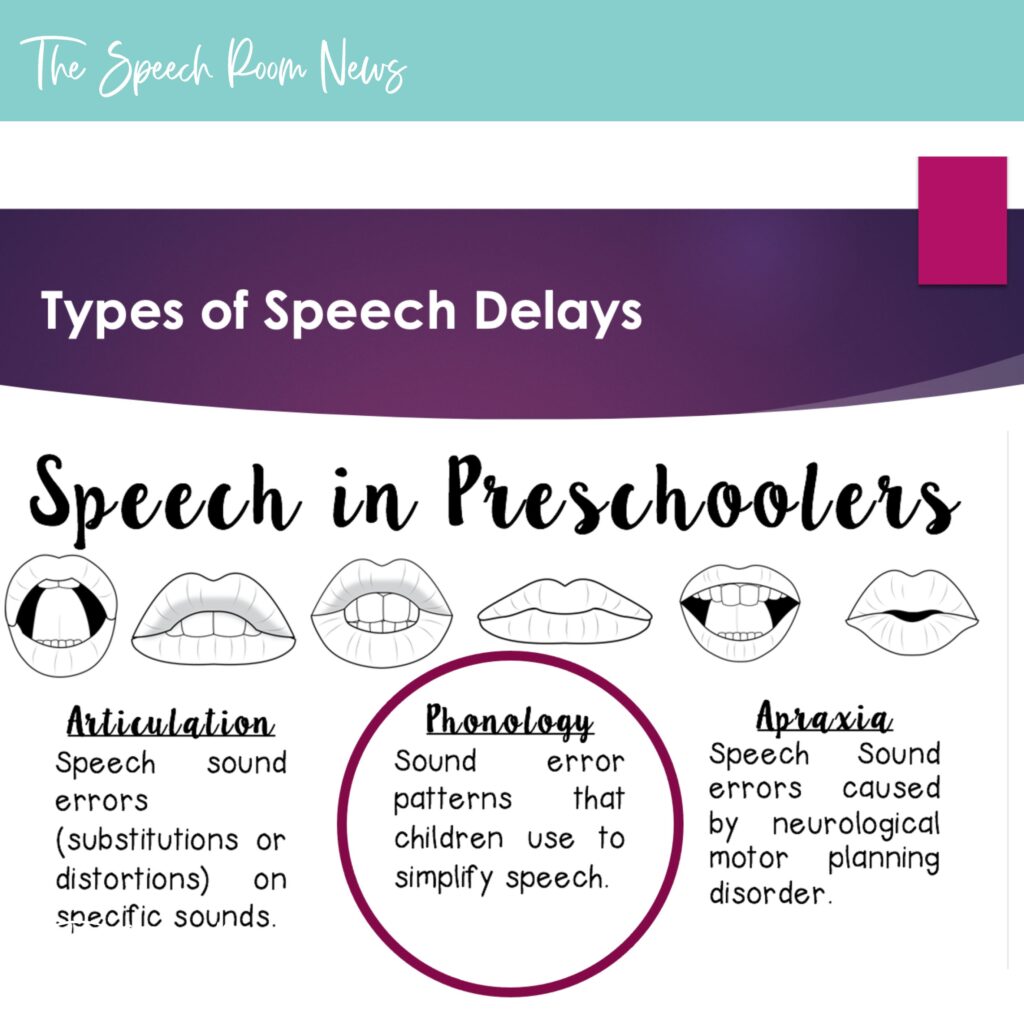
The sentiment expressed in the original article — explaining concepts as if to a fifth grader — is an excellent guiding principle. It underscores the necessity of assuming no prior knowledge and prioritizing clarity above all else. For example, instead of discussing "phonological processes," an SLP might explain "patterns of speech errors" or "when a child simplifies words in predictable ways." "Pragmatics" can be described as "social communication skills" or "how we use language appropriately in different situations." "Expressive language" becomes "how a child uses words to communicate," while "receptive language" is "how a child understands what others say."
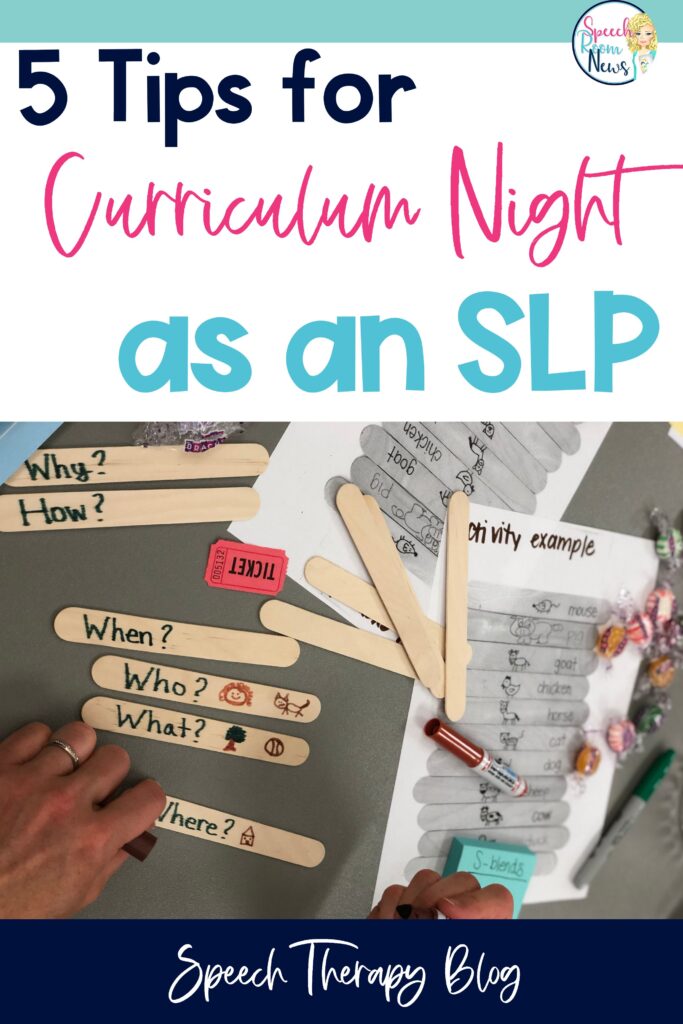
This simplification is not about condescension but about effective communication and inclusivity. When parents understand the concepts, they are better able to support their child at home, ask pertinent questions, and feel more confident in their partnership with the SLP. Research consistently shows that clear, accessible communication from educators significantly increases parental involvement and satisfaction. Furthermore, in diverse school communities, considering cultural and linguistic backgrounds is crucial. Providing materials in multiple languages or offering explanations with culturally relevant examples can further enhance understanding and engagement. The objective is to empower parents with knowledge, not to impress them with professional terminology.
Fostering Active Participation: The Value of "Make and Take" Activities
Beyond passive information delivery, incorporating an interactive "Make and Take" activity into an SLP’s Curriculum Night presentation can significantly deepen parental engagement and provide lasting value. This hands-on approach capitalizes on the pedagogical principle that learning by doing is often more effective and memorable than simply listening. It transforms parents from passive audience members into active participants in the therapeutic process, demystifying the tools and techniques used in speech-language therapy.
"Make and Take" activities empower parents by providing them with tangible, practical tools they can immediately use to support their child’s communication development at home. Examples of highly effective "Make and Take" resources include:
- Simple Communication Boards: For children using Augmentative and Alternative Communication (AAC) or those with emerging language, creating a basic "I want" or "I feel" picture communication board can provide a vital tool for expression.
- Articulation Practice Games: Parents can craft simple games like "Sound Bingo" or "Articulation Dice" focusing on specific sounds their child is targeting in therapy. This makes practice fun and less intimidating.
- Visual Schedules for Home Routines: For children who benefit from predictability and visual supports, parents can create a simple picture schedule for morning routines, bedtime, or chores, enhancing compliance and communication about daily tasks.
- Story Props or Retell Cards: To support narrative development and comprehension, parents can create simple props or sequential picture cards to help their child retell stories, discuss characters, or predict outcomes.
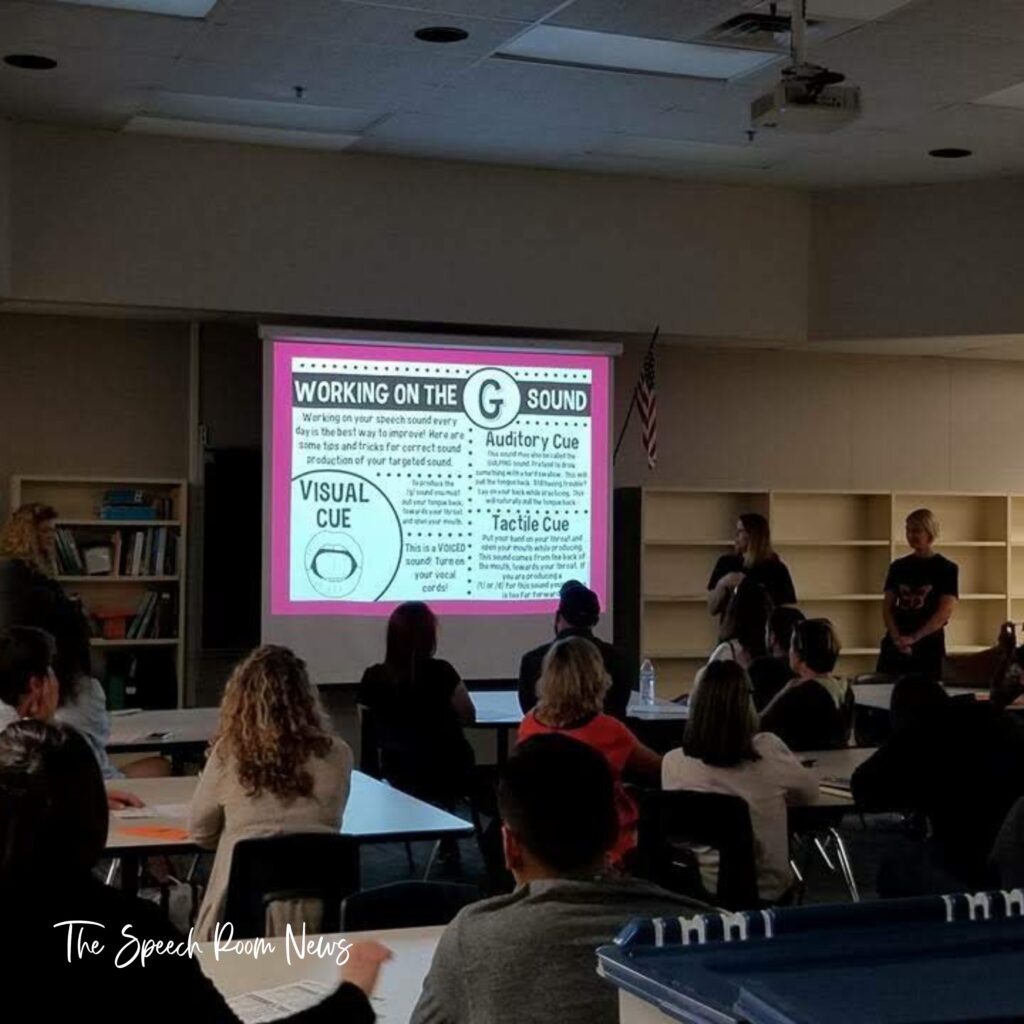
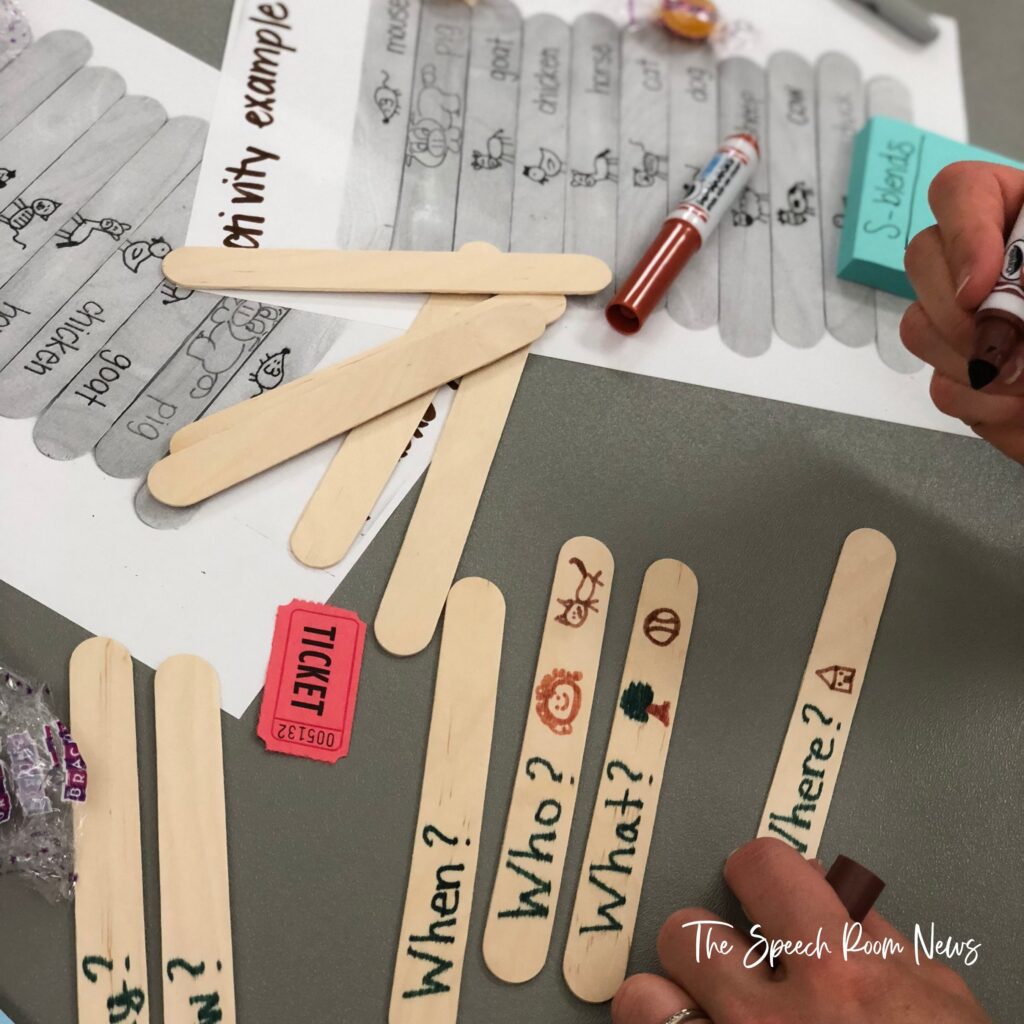
- "WH" Question Sticks: Craft sticks with "who," "what," "where," "when," "why" written on them can be used during reading or daily conversations to encourage deeper comprehension and expressive language.
The benefits of a "Make and Take" component are multifaceted. It provides an immediate, usable resource, reinforcing the content of the presentation. It creates a shared, positive experience between parents and the SLP, building rapport and trust. Crucially, it empowers parents by showing them that therapy principles can be easily integrated into everyday activities, thus reinforcing their vital role as partners in their child’s progress. This direct involvement can lead to greater consistency in home practice, accelerating therapy gains and fostering a more collaborative home-school dynamic.
Ensuring Lasting Impact: The Indispensable Role of Informative Handouts
While interactive activities create engagement, informative handouts serve as an indispensable tool for ensuring that the knowledge shared during Curriculum Night has a lasting impact. These physical or digital resources act as a tangible reference guide, allowing parents to revisit key points, strategies, and resources long after the presentation has concluded. In the often-overwhelming environment of a school event, the ability to take home concise, well-organized information is invaluable.
Effective handouts should be more than just a printed version of presentation slides. They should be curated specifically for parents, incorporating the principles of parent-friendly language and practical application. Key components of highly effective handouts include:
- Summary of Key Takeaways: Bullet points summarizing the main strategies or concepts discussed.
- Actionable Tips for Home: Specific, easy-to-implement activities or conversation starters parents can use immediately.
- Developmental Milestones Checklist (Age-Appropriate): A simple checklist to help parents track their child’s communication development, coupled with clear guidance on when to seek further consultation.
- Recommended Resources: A list of trusted websites, books, or local community programs related to speech and language development.
- Contact Information: Clear details on how parents can reach the SLP for follow-up questions or concerns, including email and phone numbers.
- Frequently Asked Questions (FAQs): Addressing common queries about speech therapy, IEPs, or the referral process.
The design of the handout is also crucial. Utilizing clear headings, bullet points, ample white space, and relevant visuals (like icons or simple graphics) can enhance readability and ensure the information is easily digestible. In an increasingly digital age, providing both physical copies and links to digital versions (e.g., via a QR code or school website) offers flexibility and accessibility. SLPs report increased collaboration and understanding from families after well-executed informational sessions, largely due to the sustained reference value of comprehensive handouts. These resources transform a one-time presentation into an ongoing dialogue, empowering parents to continue their learning and advocacy for their child’s communication needs.
Broader Implications: Elevating Outcomes and Partnerships
The strategic engagement of Speech-Language Pathologists at Curriculum Night extends far beyond the individual presentations, yielding significant broader implications for student outcomes, parent-school partnerships, and the professional recognition of SLPs within the educational system.
Firstly, enhanced parent understanding and involvement directly correlate with improved student outcomes. When parents grasp the objectives of therapy and are equipped with practical strategies, they become powerful co-therapists in the home environment. This consistency and reinforcement accelerate skill acquisition, facilitate generalization of learned skills, and ultimately lead to faster progress in achieving communication goals. Studies consistently show that parental engagement is one of the strongest predictors of academic success, and for students with communication disorders, this involvement is even more critical.
Secondly, effective Curriculum Night presentations strengthen the overall parent-school partnership. By actively reaching out, providing valuable information, and creating opportunities for interaction, SLPs foster a sense of trust, transparency, and shared responsibility. This proactive engagement can preempt misunderstandings, reduce anxiety, and build a collaborative team approach where parents feel heard, valued, and integral to their child’s educational journey. A strong home-school connection creates a supportive ecosystem that benefits the child academically, socially, and emotionally.
Finally, a visible and well-articulated presence at Curriculum Night elevates the professional recognition and understanding of Speech-Language Pathologists. Many parents, and even some educators, may not fully comprehend the breadth and depth of an SLP’s expertise, often associating the role solely with articulation drills. By showcasing the vital work involved in language development, social communication, fluency, voice, and even feeding/swallowing, SLPs educate the broader community about their specialized skills and their indispensable contribution to comprehensive student support. This increased awareness can lead to better referrals, stronger interdisciplinary collaboration, and a greater appreciation for the specialized services SLPs provide.
Looking ahead, the integration of technology may further enhance Curriculum Night engagement for SLPs. Virtual presentations, online resource hubs, and interactive digital "make and take" templates could extend reach and provide ongoing support. However, the core principles of clear communication, practical value, and genuine partnership will remain paramount.
In conclusion, Curriculum Night offers an invaluable, yet often underutilized, platform for Speech-Language Pathologists to connect with families, educate the community, and significantly impact student success. By thoughtfully selecting topics that address real parental concerns, employing clear and accessible language, incorporating interactive "Make and Take" activities, and providing comprehensive handouts, SLPs can transform this annual event into a powerful catalyst for stronger home-school collaboration and enhanced communication development for all students.
