

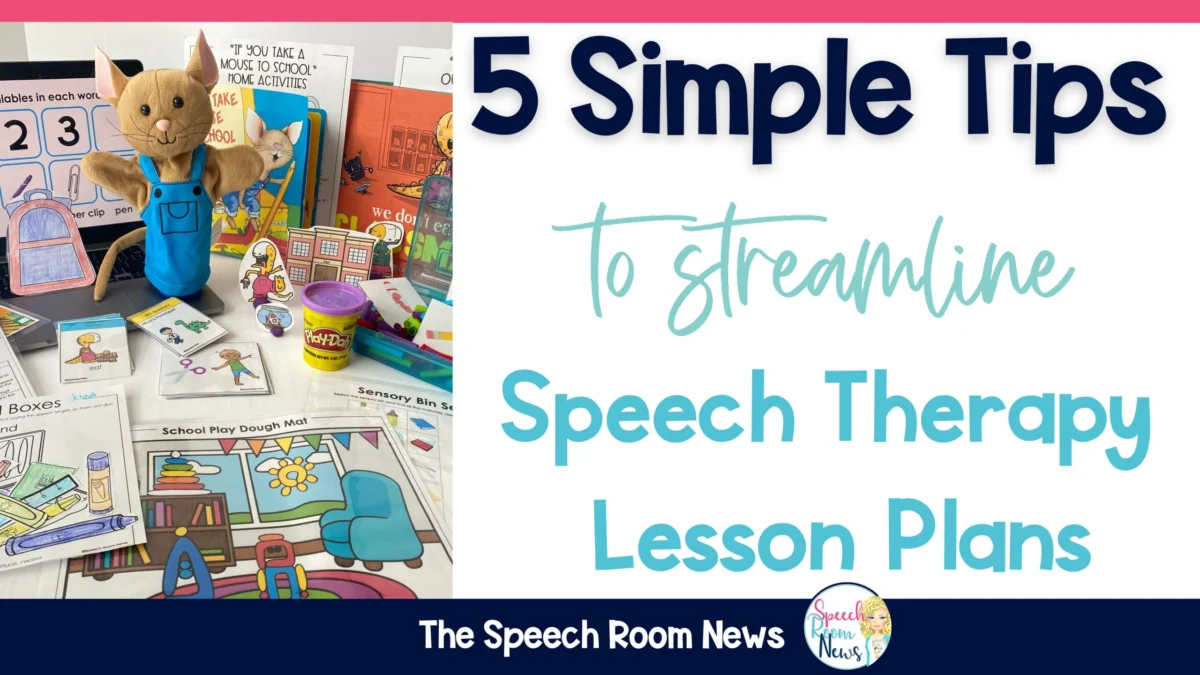
The demanding landscape of school-based speech-language pathology (SLP) has long presented practitioners with significant challenges, particularly in managing extensive caseloads and developing individualized lesson plans for a diverse array of student needs. Historically, SLPs often found themselves dedicating substantial hours to creating bespoke materials for each of their 50 or more students weekly, a practice that, while well-intentioned, proved unsustainable and contributed to professional burnout. However, a growing movement within the field is advocating for and implementing more efficient, evidence-based planning methodologies designed to optimize therapy time, enhance student engagement, and improve overall outcomes. These strategies, ranging from thematic and literacy-based approaches to leveraging single versatile toys and structured AAC programs, represent a critical evolution in how SLPs manage their workloads while delivering high-quality intervention.
The Pressures on School-Based SLPs: A Growing Need for Efficiency
School-based Speech-Language Pathologists operate at the intersection of education and healthcare, addressing communication disorders that impact academic performance, social interaction, and overall quality of life. According to data from the American Speech-Language-Hearing Association (ASHA), school-based SLPs often manage caseloads averaging between 40 and 60 students, with some reporting figures significantly higher. Each student typically has an Individualized Education Program (IEP) outlining specific goals related to articulation, language comprehension, expression, fluency, voice, or augmentative and alternative communication (AAC). The sheer volume of these diverse goals necessitates a planning approach that is both highly adaptable and remarkably efficient.
The initial stages of an SLP’s career can be particularly overwhelming. New practitioners, often inheriting large caseloads without established planning systems, may resort to time-intensive methods like creating unique worksheets or activities for every student. This can lead to administrative burdens that detract from direct therapy time, contribute to stress, and potentially impact the consistency and quality of intervention. A study published in the Journal of Speech, Language, and Hearing Research highlighted that SLPs spend a considerable portion of their workweek on indirect services, including paperwork, planning, and consultation, underscoring the urgent need for strategies that streamline these processes without compromising therapeutic effectiveness. The drive towards evidence-based practice further emphasizes the importance of well-structured, reproducible, and effective lesson plans.
Strategic Frameworks for Optimized Speech Therapy Planning
To address these systemic challenges, experienced SLPs and professional organizations are increasingly endorsing several strategic planning approaches. These methods aim to maximize the utility of therapy materials and preparation time, allowing SLPs to deliver targeted interventions across multiple goals and student groups more effectively.
1. Thematic Therapy Planning: Cultivating Consistency and Reusability
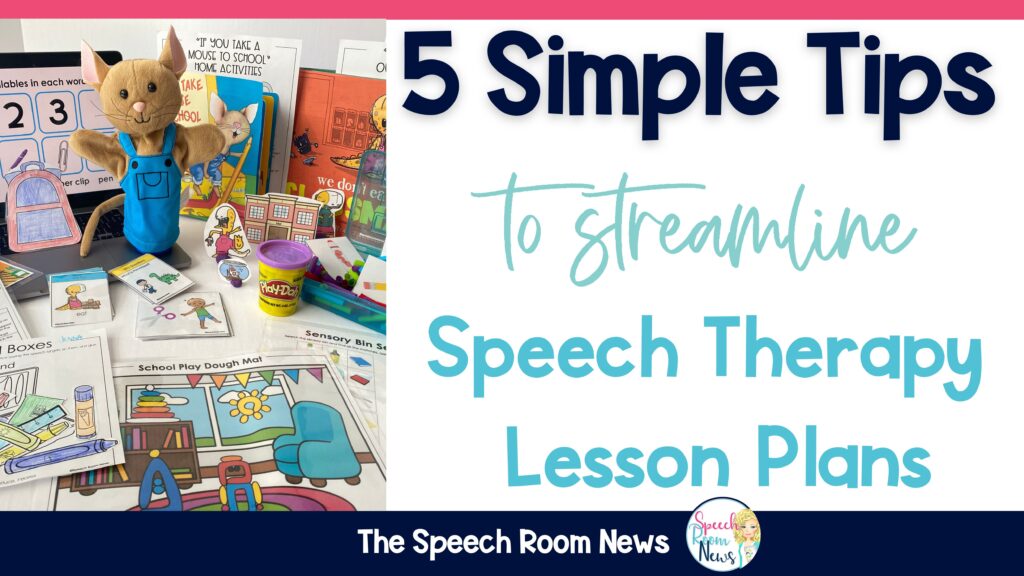
One of the most widely adopted and highly recommended strategies is the implementation of a theme-based therapy plan. This approach involves selecting a central theme for a week or month (e.g., "Under the Sea," "Fall Harvest," "Space Exploration") and coordinating all therapeutic materials and activities around it. This central theme acts as an organizational anchor, allowing SLPs to select books, toys, worksheets, and crafts that are versatile enough to address various speech and language goals concurrently.
For instance, a "Farm Animals" theme could involve reading a book about farm life, using farm animal figurines for vocabulary and descriptive language, engaging in a craft where students articulate animal sounds or names, and completing worksheets that target grammar or articulation using farm-related words. The significant advantage of thematic planning lies in its reusability. Once a thematic unit is developed and materials are gathered, it can be refined and deployed year after year, gradually building a comprehensive library of pre-made, adaptable resources. This approach also naturally aligns with general education curriculum themes, fostering better integration and carryover of skills between the speech room and the classroom. Such integration is crucial for supporting students’ overall academic success and reinforcing the relevance of speech and language goals within a broader educational context.
2. Literacy-Based Therapy Plans: Harnessing the Power of Books
Integrating high-quality children’s literature forms the cornerstone of literacy-based therapy, a method increasingly recognized for its efficacy in targeting a wide range of speech and language goals. This approach leverages picture books as a primary medium for intervention, offering a rich, contextualized environment for language learning. The inherent narrative structure and engaging visuals of books make them ideal for addressing vocabulary, syntax, phonological awareness, comprehension, and articulation within a meaningful context.
A typical literacy-based intervention framework involves several stages:
- Pre-story knowledge activation: Students engage in discussions to recall prior knowledge related to the book’s themes, building anticipation and connecting new information to existing schemas.
- Shared story reading: The SLP and students collaboratively read the book, with the SLP guiding attention to target concepts, vocabulary, and story elements.
- Focused-skill activities: Following the reading, specific activities are implemented to target individual IEP goals. For example, a book about a character solving a problem can be used to practice problem-solving language, sequencing, or inferencing.
- Post-story comprehension discussion: Students engage in dialogues to review the story, discuss main ideas, characters, and plot, and make connections to their own experiences.
The multi-session usability of a single book is a key benefit, allowing for deeper exploration of linguistic concepts and repeated exposure to target skills. Moreover, if SLPs coordinate with classroom teachers to use books that are part of the general curriculum, it strengthens the link between speech therapy and academic content, facilitating greater carryover and functional application of learned skills. This strategy is adaptable across various age groups, from early elementary to secondary grades, by selecting age-appropriate and content-relevant texts.
3. Narrative Language Approach: Building Foundational Storytelling Skills
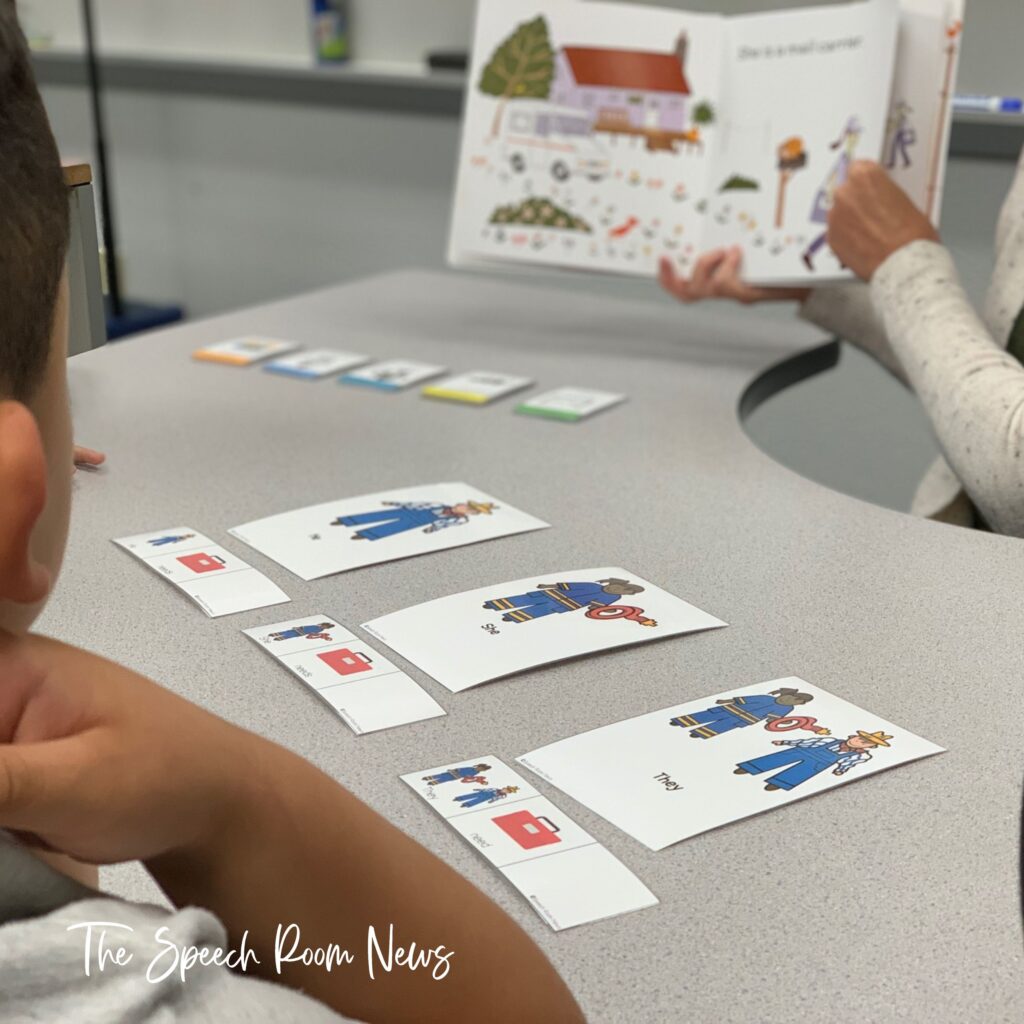
While similar to literacy-based therapy in its use of stories, the narrative language approach distinctively focuses on developing students’ storytelling abilities as a core therapeutic target. This method is predicated on the understanding that strong narrative skills are fundamental to academic success, social communication, and cognitive organization. Students are exposed to multiple, often similar, stories over time, with the primary goal of improving their ability to retell narratives and generate their own coherent stories.
Key components of a narrative language approach include:
- Story Grammar Instruction: Explicit teaching of story elements such as characters, setting, initiating event, problem, attempts to solve, resolution, and emotional responses. Visual aids, such as story grammar icons, are often employed to help students internalize these components.
- Complex Syntax and Vocabulary: Stories provide natural contexts for introducing and practicing advanced sentence structures and a wider range of vocabulary.
- Story Generation Tasks: Students are encouraged to create original stories, allowing SLPs to assess and target their ability to organize thoughts, use appropriate grammar, and develop cohesive narratives.
The profound benefit of this approach lies in its direct impact on curriculum success. Narrative skills are essential for reading comprehension, written expression, and effective oral communication in academic settings. By explicitly targeting these skills, SLPs ensure that the gains made in therapy translate into tangible improvements in the classroom. Resources like "story grammar icons" from K Knight Therapy are examples of practical tools that aid in the systematic implementation of this approach, providing visual support for students to master narrative structures.
4. Maximizing Resources: A Single Toy or Game for Every Goal
Perhaps one of the most practical and time-saving strategies is the art of leveraging a single, versatile toy or game to target a multitude of speech and language goals across a mixed group of students. This approach minimizes preparation time and material acquisition, transforming common play items into powerful therapeutic tools. The inherent engagement factor of toys and games also helps to maintain student motivation and attention throughout therapy sessions.
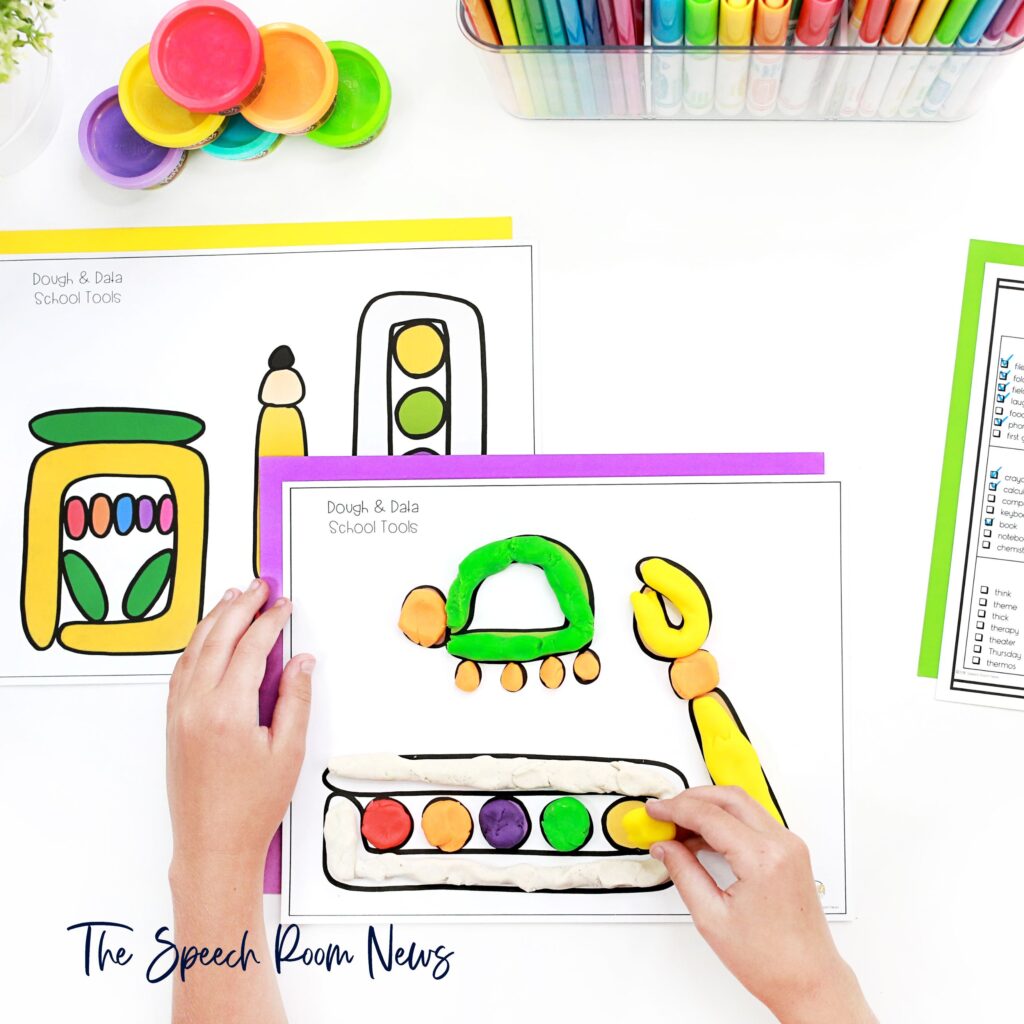
Examples of highly versatile toys and games include:
- Candyland: This classic board game, readily available and inexpensive, can be adapted to target numerous goals. SLPs can create custom cards or prompts linked to each colored square or space, focusing on articulation (e.g., "Say 5 words with your ‘R’ sound before you move"), language (e.g., "Describe the candy factory," "Name three things that are red"), social skills (e.g., turn-taking, problem-solving when blocked), or even fluency (e.g., "Use your smooth speech to say the name of the character"). Comprehensive bundles, such as the "Candy Town Bundle" mentioned, demonstrate how one game can be transformed into a robust therapeutic system.
- Play-Doh: This malleable substance is excellent for fine motor development but also a fantastic medium for language and articulation practice. Activities like creating shapes from long skinny rolls (e.g., "Dough and Data Set") can be used for progress monitoring, allowing students to trace letters or shapes while practicing target sounds or vocabulary. Its open-ended nature encourages descriptive language, action verbs, and following directions (e.g., "Make a big blue snake," "Put the Play-Doh under the cup").
- Mini Objects: Small, tactile objects offer endless possibilities for therapy. They are portable, highly engaging, and can be used to target a vast array of goals, including articulation (e.g., finding objects with a target sound), vocabulary (naming, categorizing, describing), grammar (e.g., "The cat is on the box"), following directions, and narrative development. They are particularly effective when paired with other classroom items or sensory bins to create novel and motivating activities.
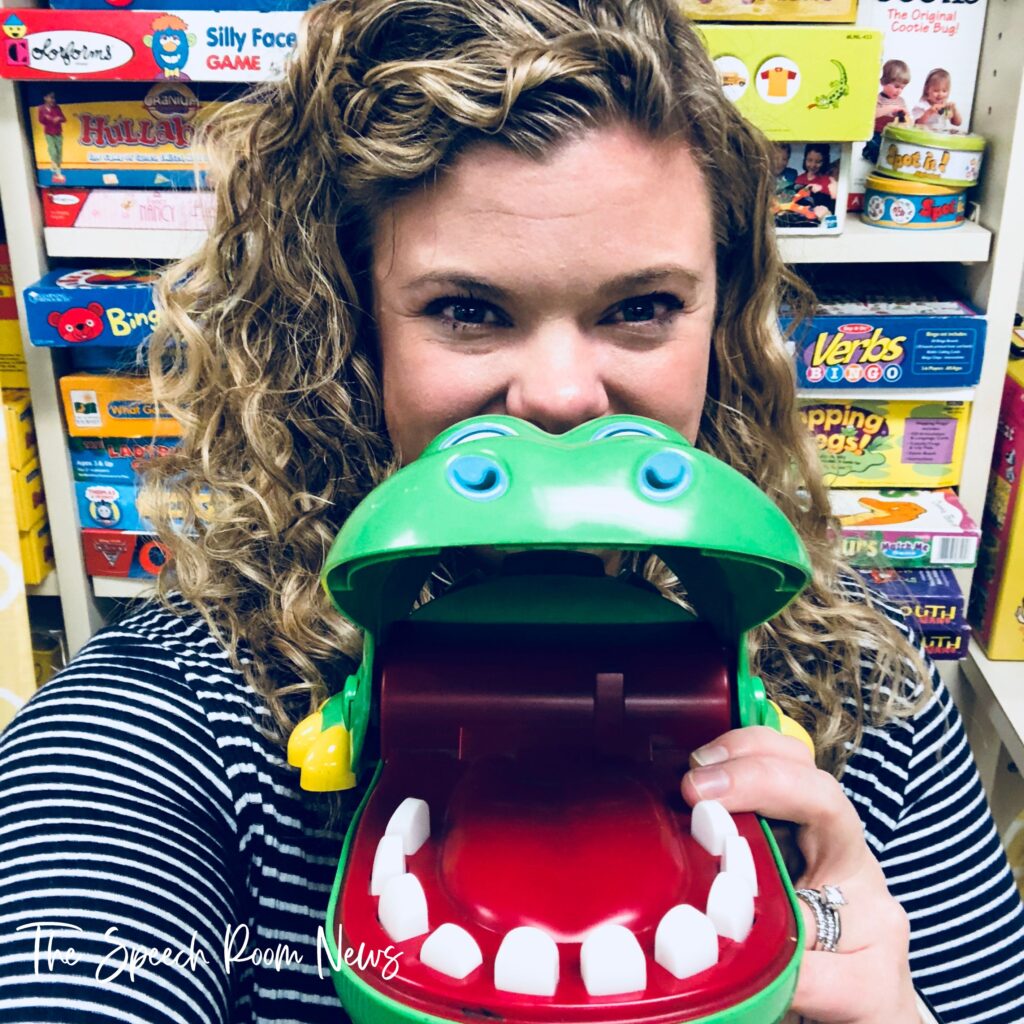
- Interactive Toys (e.g., Crocodile Dentist, Melissa & Doug Ice Cream Shop): These toys are excellent for fostering imaginative play and targeting functional language. The "Crocodile Dentist" game can be used to discuss dental health, practice articulation sounds embedded in related vocabulary (e.g., "tooth," "brush"), or work on turn-taking. The "Ice Cream Shop" encourages role-playing, expanding vocabulary (flavors, toppings, descriptive adjectives), practicing complex sentence structures (e.g., "I want a chocolate cone with whipped cream on top, please"), and targeting prepositions (e.g., "Put the scoop on top of the cone"). Such toys are invaluable for preschool evaluations, providing rich contexts for observing natural language use.
5. AAC Core Word of the Week: Systematizing Communication for Users
For students who utilize Augmentative and Alternative Communication (AAC) systems, a structured "Core Word of the Week" (WOW) approach offers a highly effective and collaborative planning framework. Core words are a small set of highly functional words (e.g., "go," "want," "more," "stop," "in," "out") that account for a significant portion of everyday communication. By focusing on a few core words each week, SLPs can ensure systematic instruction and widespread integration of these words across various settings and communication partners.
The AAC Core Word of the Week methodology provides a comprehensive framework, often including:
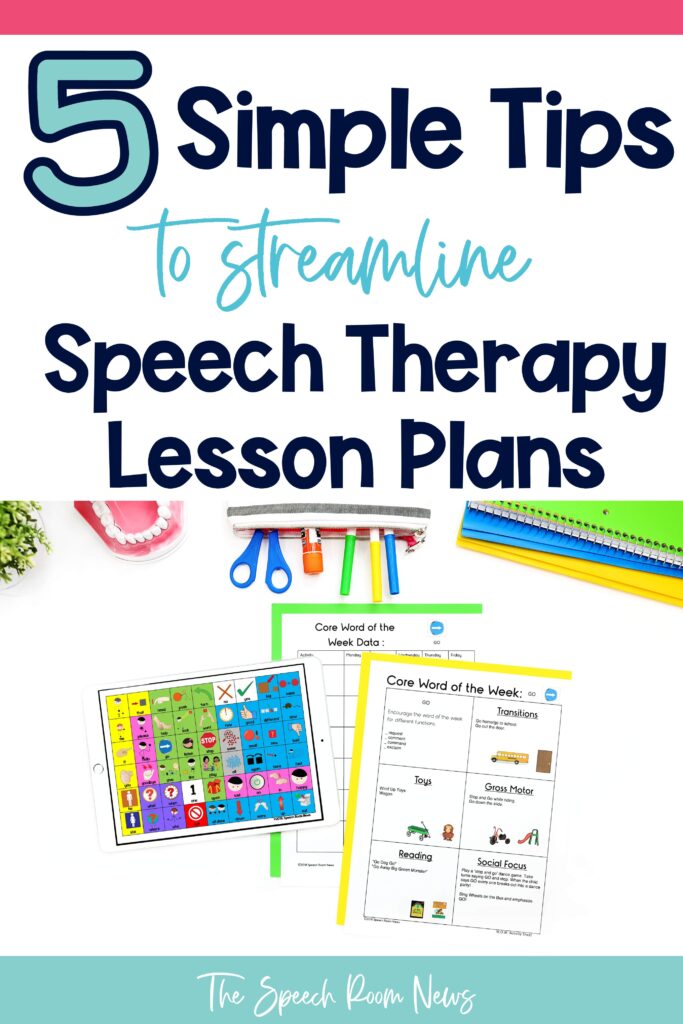
- Targeted Word Lists: Focusing on 4-5 core words per week or month.
- Lesson Plans: Pre-designed activities and contexts for practicing the core words.
- Visual Supports: Icons, signs for doors/rooms, and parent letters to promote consistent use.
- Team Collaboration: Facilitating involvement from teachers, paraprofessionals, and parents, ensuring that core words are modeled and encouraged throughout the student’s day.
This structured approach not only streamlines planning for the SLP but also creates a predictable routine for the student and a cohesive intervention strategy for the entire IEP team. The "AAC Core Word of the Week Lessons" and comprehensive "Mega Bundles" available demonstrate how this systematic focus on high-frequency words can significantly improve communication independence for AAC users. Examples of targeted core words include "Go, In, Different, Help," "Want, Me, More, Stop," and "Turn, New, You, No," illustrating the foundational nature of these words for expressing a wide range of intentions and needs.
Bonus Tip: The Indispensable "Grab and Go" Material Kit
Beyond structured planning frameworks, maintaining a readily accessible collection of "Grab and Go" materials is a crucial strategy for maximizing efficiency and adaptability. These prepped resources serve as invaluable fillers, backup activities, or essential tools for unexpected situations, such as a substitute SLP or when a planned activity falls through.
Essential "Grab and Go" materials typically include:
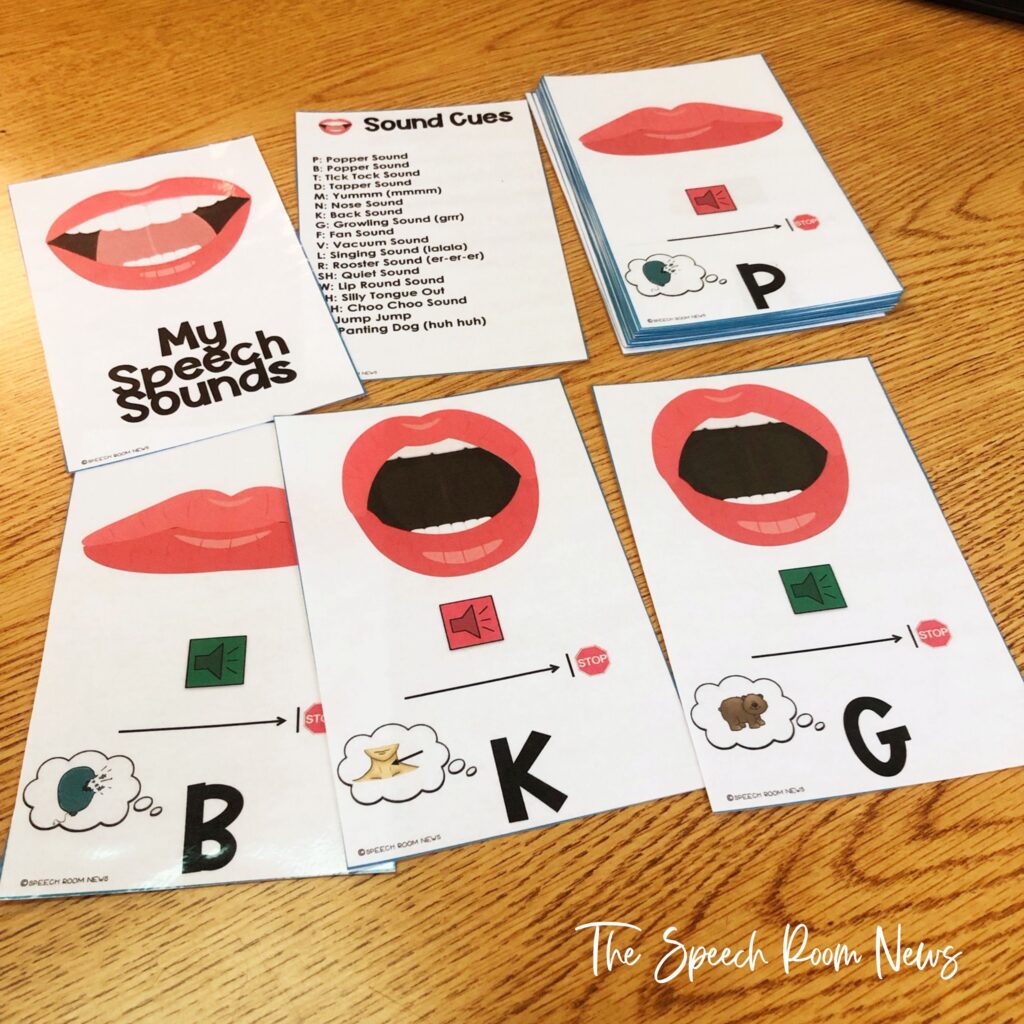
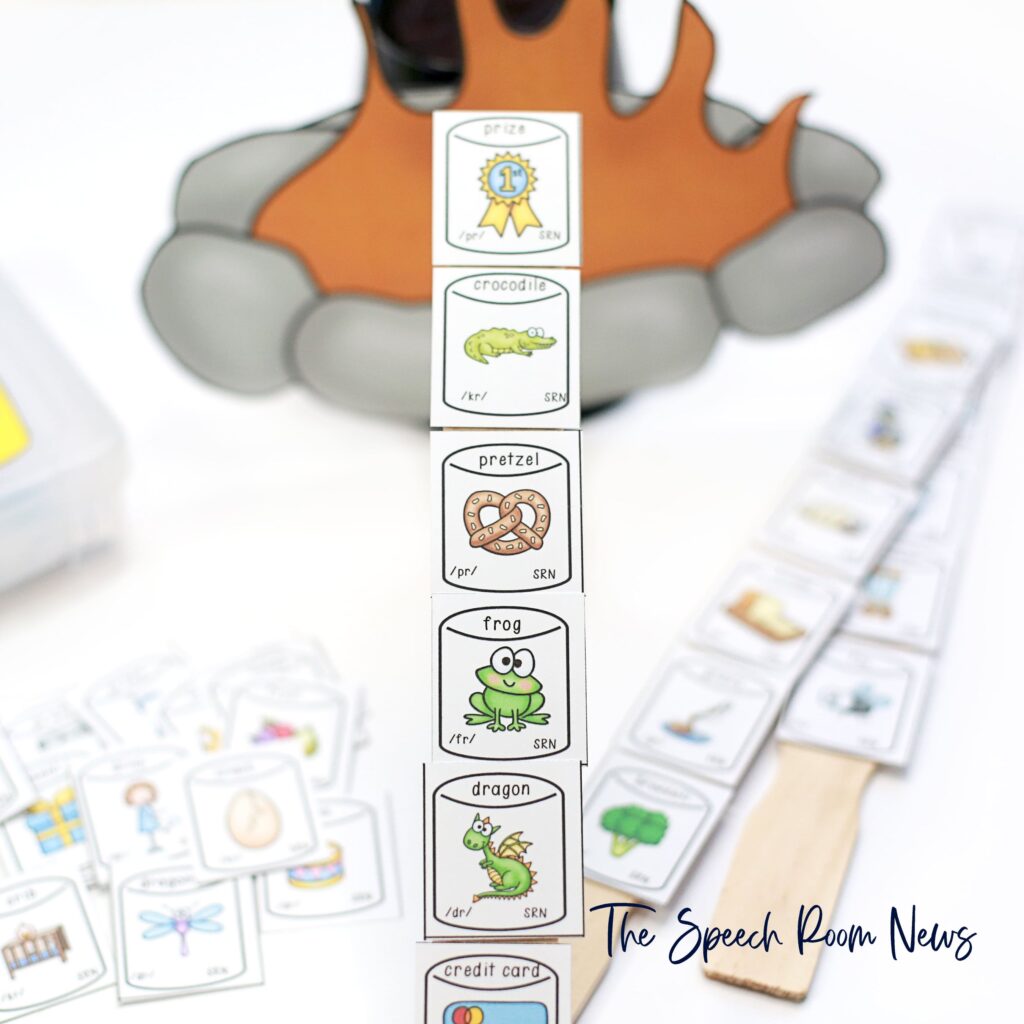
- Speech Helpers: Visuals and mini-books that illustrate articulators and speech production, aiding in articulation therapy.
- Behavior Supports: Visual schedules, first/then boards, and choice boards to manage behavior and promote participation.
- Articulation Cards: Comprehensive sets of cards targeting various speech sounds in different word positions, offering quick and targeted practice.
- Speech Sound Articulation Posters: Visual reminders of sound production, helpful for both direct instruction and independent practice.
- Print & Go Articulation and Phonology Home Packets: Ready-to-send resources for home practice, ensuring carryover and parental involvement.
These materials are not just convenient; they represent a safety net that ensures therapy can proceed effectively even when planning time is limited or unforeseen circumstances arise. They promote consistency in intervention and provide a baseline for addressing common goals without extensive preparation.
Implications and Future Outlook for Speech-Language Pathology
The shift towards more streamlined and efficient lesson planning methodologies in school-based speech-language pathology carries significant implications for both practitioners and students. For SLPs, these strategies can substantially reduce administrative burdens, mitigate burnout, and free up valuable time for direct therapy, consultation, and professional development. By adopting reusable, versatile, and collaborative planning approaches, SLPs can enhance their job satisfaction and sustain their careers more effectively.
For students, the benefits are equally profound. Consistent, well-planned interventions lead to more focused and engaging therapy sessions, which in turn can accelerate progress towards IEP goals. The integration of therapy with classroom curricula, particularly through literacy-based and thematic approaches, strengthens the functional application of communication skills, supporting overall academic achievement and social integration. For AAC users, a structured core word approach ensures consistent modeling and generalization of communication skills across environments, empowering them to participate more fully in their education and daily lives.
The broader educational system also benefits from these efficiencies. Optimized SLP planning can lead to more effective utilization of resources, improved collaboration among school staff, and ultimately, better outcomes for students with communication disorders. As the demand for speech and language services continues to grow, the adoption of these innovative planning strategies will be crucial in ensuring that SLPs can meet the needs of their diverse caseloads while maintaining professional well-being and delivering high-quality, evidence-based care. The ongoing sharing of such practical and effective strategies among practitioners is essential for fostering a resilient and impactful speech-language pathology profession.
